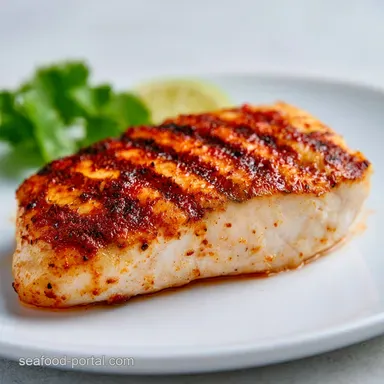
Easy Grilled White Fish on Grill: Flaky and Smoky

- Time: 10 min active + 10 min cook = 20 min total
- Flavor/Texture Hook: Smoky charred exterior with a velvety, flaky center
- Perfect for: A light weeknight dinner or a healthy outdoor lunch
I can still smell the charred lemon and smoked paprika from the last time I fired up the grill for this. There is something about that specific aroma, that mix of citrus zing and wood fire smoke, that just screams summer.
For the longest time, I believed the myth that you need to wrap white fish in foil to keep it from falling apart or drying out. I thought the foil was a safety blanket, but honestly, it just steams the fish and you miss out on those gorgeous grill marks.
Forget the foil. Once I realized that a properly oiled grate and a bit of patience were the real secrets, everything changed. You don't need to be a pro to get that restaurant style sear. You just need to trust the fish to tell you when it's ready to move.
This approach for an easy grilled white fish on grill is designed to be stress free. We are focusing on a few high impact moves: drying the fish completely, using a high smoke point oil, and pulling it off the heat just before it hits the final temperature.
You'll get a result that is flaky, savory, and completely intact.
Easy grilled white fish on grill
The Secret to a Non Stick Sear
- Fat Barrier
- Avocado oil creates a slick surface that prevents the fish proteins from bonding to the metal grates.
- Protein Set
- High heat causes the outer proteins to coagulate quickly, creating a structural crust that makes flipping easier.
- Natural Release
- The fish only lets go of the grill once a proper sear has formed, which is the best visual cue for flipping.
- Thermal Carry over
- Internal heat continues to rise after the fish leaves the grill, which prevents the center from becoming rubbery.
| Method | Time | Texture | Best For |
|---|---|---|---|
| Grill | 10 mins | Charred & Flaky | Smoky flavor & speed |
| Oven | 15 mins | Soft & Poached | Large batches/Gentle heat |
| Pan Sear | 8 mins | Crispy Crust | Butter basting & precision |
Pro Secrets for Success
Component Analysis
| Ingredient | Science Role | Pro Secret |
|---|---|---|
| Avocado Oil | over High heat lubricant | Use a paper towel to oil grates, not just the fish |
| Smoked Paprika | Color and depth | Press it into the flesh so it doesn't blow away |
| Kosher Salt | Moisture draw | Salt right before grilling to avoid leaching juices |
| Lemon Slices | Acidic balance | Grill them alongside the fish for a caramelized tang |
Essential Recipe Specs
For this to work, you need a firm white fish. I usually go with Halibut or Mahi Mahi because they hold their shape beautifully. If you use something too delicate, like sole, you'll be fighting a losing battle with the grill grates.
I've found that the thickness of the fillet really dictates the timing. Aim for fillets that are about 1 inch thick. This gives you enough room to get a deep sear without overcooking the middle. If your fillets are thinner, you'll need to shave a minute or two off each side.
Regarding the temperature, medium high is the sweet spot. You want to hear a loud sizzle the moment the fish hits the metal. If it's too low, the fish will simmer in its own juices and stick. If it's too high, the paprika will burn before the center is cooked through.
Necessary Gear
You don't need a fancy setup, but a few specific tools make this way easier. A wide, flat fish spatula is non negotiable. Don't use a thin turner or a fork, as those will just pierce the delicate flesh and cause the fillet to flake apart.
I also highly recommend a digital instant read thermometer. Guessing the doneness of fish is a gamble I stopped taking years ago. According to USDA Food Safety guidelines, fish should reach an internal temperature of 145°F (63°C). By pulling the fish at 140°F (60°C), we let the residual heat do the last bit of work.
Finally,, make sure your grill grates are scrubbed clean. Any leftover residue from yesterday's burgers will act like glue for your fish. A quick scrub with a brush and then a lubrication pass with an oil dipped paper towel is the way to go.
Bringing It Together

Preparing the Fish
Start by patting your fillets completely dry. I can't stress this enough. If there is moisture on the surface, the fish will steam instead of sear, and you'll never get those beautiful marks.
Brush both sides with avocado oil. Then, sprinkle your salt, pepper, garlic powder, and smoked paprika. I like to gently press the spices into the meat with my fingers. This ensures the seasoning stays put when the fillets hit the heat.
Searing the Fillets
Preheat your grill to medium high. Once it's hot, lay the fillets down. Close the lid and leave them alone. This is the hardest part. Do not peek, do not poke, and definitely do not try to slide them around for at least 4 minutes.
Wait until the edges turn opaque. You'll notice the fish starts to "lift" slightly from the grate. That is the natural release. When that happens, slide your fish spatula underneath and flip in one confident motion.
The Final Touch
Cook the second side for another 3-5 minutes. In the last 2 minutes, toss your lemon slices directly onto the grill. The heat caramelizes the sugars in the lemon, turning the sharp acidity into something more mellow and sweet.
Check the internal temperature. Once it hits 140°F (60°C), move everything to a platter. Let the fish rest for 5 minutes before serving. This allows the juices to redistribute, ensuring every bite is velvety.
Fixing Common Issues
Sticking Fish Problems
If the fish is clinging to the grate, it's usually because it was flipped too early or the grill wasn't hot enough. When the sear isn't complete, the proteins are still "glued" to the metal. If you feel resistance, give it another minute.
Overcooked Fillets
Fish goes from "spot on" to "rubber" in about 60 seconds. This usually happens when people cook to 145°F on the grill instead of pulling at 140°F. Always account for carry over cooking.
Breaking During Flip
This is often caused by using the wrong spatula or flipping too many times. One flip is all you need. If the fish is breaking, it might be too thin for the heat level you're using.
| Problem | Root Cause | Solution |
|---|---|---|
| Fish sticks | Flipped too early | Wait for natural release |
| Dry center | Overcooked | Pull at 140°F (60°C) |
| Burnt spices | Heat too high | Lower to medium high |
Common Mistakes Checklist
- ✓ Patting fish dry with paper towels
- ✓ Oiling the grill grates, not just the fish
- ✓ Using a wide, flat fish spatula
- ✓ Avoiding the urge to move the fish during the first 4 mins
- ✓ Pulling from heat 5 degrees before target temp
Variations and Substitutions
If you want to change the vibe of this easy grilled white fish on grill, you can easily swap the spices. For a Mediterranean twist, replace the paprika and garlic powder with dried oregano and a pinch of lemon zest.
For those looking for a different flavor profile, these fillets are a great canvas for sauces. If you're making these as tacos, a creamy fish taco sauce is a must for adding moisture and tang.
| Original Ingredient | Substitute | Why It Works |
|---|---|---|
| Avocado Oil (2 tbsp) | Grapeseed Oil (2 tbsp) | Similar high smoke point. Note: Neutral flavor, very reliable |
| Cod/Halibut (1.5 lb) | Mahi Mahi or Tilapia | Firm texture. Note: Tilapia is milder and thinner, reduce cook time |
| Smoked Paprika (1 tsp) | Cumin & Chili Powder | Earthy notes. Note: Moves the dish toward a Southwestern flavor |
| Lemon Slices (1) | Lime Slices (1) | Similar acidity. Note: Pairs better with cilantro or tropical sides |
If you prefer a lighter, more zesty accompaniment, I recommend serving this with a Japanese ginger sauce on the side. The ginger cuts through the richness of the grilled oil beautifully.
Storage and Leftovers
Grilled fish is best eaten immediately, but it keeps well in the fridge for 2 days. Store it in an airtight container with a slice of fresh lemon on top to keep it from smelling too "fishy" in your fridge.
To reheat without drying it out, avoid the microwave. Instead, place the fillet in a pan over low heat with a teaspoon of water or butter. Cover the pan with a lid and steam it gently for 2-3 minutes. This restores the velvety texture without overcooking the proteins.
As for zero waste, don't toss those lemon rinds. I usually zest them into a freezer bag for later use in baked goods or cocktails. If you have leftover fillets, they are incredible cold in a salad with a vinaigrette.
Serving and Enjoyment
The beauty of this dish is its versatility. For a healthy meal, pair it with grilled asparagus or a crisp cucumber salad. If you want something more filling, a side of quinoa or wild rice works wonders.
I love serving this on a large platter with the charred lemon slices tucked around the fillets. It looks impressive but takes almost zero effort. The contrast of the golden brown crust against the bright yellow lemons is just visually satisfying.
Since we've kept the seasoning simple, you can play with the toppings. A dollop of compound butter or a sprinkle of fresh parsley right before serving adds a final layer of freshness that ties everything together. Trust me, once you stop using the foil, you'll never go back to steaming your fish on the grill.
Recipe FAQs
How to prevent the fish from sticking to the grill?
Scrub and lubricate the grill grates with a paper towel dipped in oil. Pat the fillets completely dry and brush both sides with avocado oil before cooking.
When should I remove the fish from the heat?
Remove the fillets when the internal temperature reaches 140°F (60°C). This allows carry-over cooking to bring the fish to the safe 145°F (63°C) mark without overcooking.
Can I use salmon instead of white fish for this recipe?
No, stick with firm white fish. Cod, Halibut, or Mahi Mahi are recommended here because they have the specific texture and cook times required for these steps.
Is it true that I need to flip the fish several times to cook it evenly?
No, this is a common misconception. Cook the fillets undisturbed for 4–5 minutes on the first side so they release naturally from the grate.
How to reheat leftover grilled fish without drying it out?
Place the fillet in a pan over low heat with a teaspoon of water. Cover with a lid and steam gently for 2–3 minutes to restore the velvety texture.
Why is it necessary to pat the fish dry before seasoning?
To ensure a proper sear. Excess surface moisture creates steam, which prevents the fish from developing a golden-brown crust on the grill.
What is the best sauce to serve with these fillets?
A bright, acidic accompaniment is ideal. These fillets pair perfectly with a zesty lemon fish sauce for a refreshing finish.
Easy Grilled White Fish on Grill: 20 Min