Thai Shrimp Curry with Coconut Milk: Our Secret to a Rich, Aromatic Sauce
- Mastering the 30 Minute Thai Shrimp Curry: Weeknight Perfection
- The Science of Balance: Achieving the Perfect Thai Flavor Profile
- Essential Ingredients for Your Best Thai Shrimp Curry
- Mastering the Method: Step-by-Step Cooking Instructions
- Troubleshooting Your Thai Shrimp Curry: Pro Tips and Mistakes to Avoid
- Preparing Ahead and Preserving Leftovers
- Perfect Pairings for Your Creamy Red Prawn Curry
- Recipe FAQs
- 📝 Recipe Card
Mastering the 30 Minute Thai Shrimp Curry: Weeknight Perfection
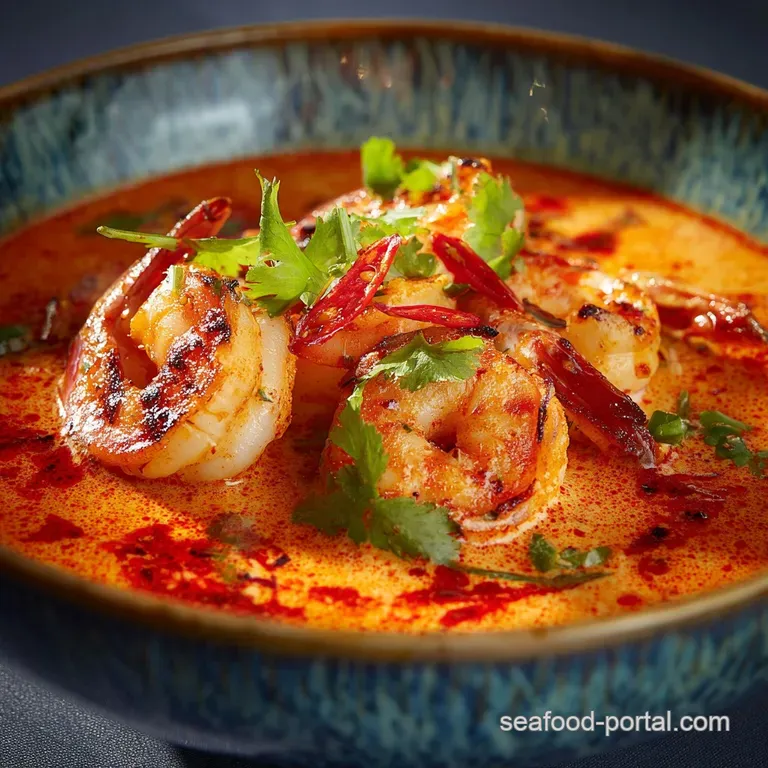
The aroma hits you immediately. It’s a beautiful mix of fiery red chili, creamy coconut, and bright lemongrass that just coats your senses and instantly transports you far away from your boring Tuesday night kitchen. That vibrant color, the silky smooth sauce, and the perfectly plump prawns?
That is absolute comfort food, my friend.
This dish is my absolute weeknight hero. Seriously, achieving a proper, deeply flavored [Easy Coconut Curry Shrimp] in under 35 minutes feels like culinary witchcraft, but trust me, it’s not hard.
It is way faster and infinitely more satisfying than waiting for delivery, and it costs pennies compared to eating out.
Forget the watery, timid versions you’ve tried before. We are going deep into the real secrets the coconut cream reduction, the perfect technique for the paste, and nailing the seasoning to deliver the best [Thai Shrimp Curry] you’ve ever had.
Let’s dive right into what makes this recipe absolutely brilliant.
The Science of Balance: Achieving the Perfect Thai Flavor Profile
The Essential Elements of Authentic Red Curry Flavor
Thai food is all about contrast. You need that delicate dance between sweet, sour, salty, and spicy, often underpinned by a crucial fifth element: umami. When you get this balance right, the resulting sauce is complex, addictive, and deeply satisfying.
Why Speed Doesn't Mean Sacrificing Depth
The key to achieving deep flavor fast is maximizing the potential of the curry paste. We don't spend hours building a complex stock base. Instead, we use a technique called "blooming" the paste in hot oil, which instantly releases the essential oils and powerful aromatics trapped inside, giving you a 10 hour flavor profile in just two minutes.
What Makes Our Creamy Prawn Curry Stand Out?
It comes down to fat and timing. We use full fat coconut milk and let the curry base reduce slightly before adding the shrimp. This ensures the sauce is thick enough to coat the rice and the shrimp without being watery, and critically, the prawns only kiss the heat for a few minutes, keeping them tender.
Layering Aromatics: The Role of Curry Paste and Shallots
We start by softening shallots, garlic, and ginger until sweet and fragrant. This foundational layer provides warmth and depth before the paste even hits the pan. When you add the concentrated red curry paste, the cooked aromatics intensify its flavor rather than competing with it.
The Critical Coconut Milk Reduction (Avoiding Watery Sauce)
This is a non-negotiable step. I once skipped the reduction, and the resulting sauce was more like spicy milk soup a total disaster. By scooping off the thick coconut cream and frying the paste in it first, you start with maximum richness.
Then, letting the remaining thin milk simmer for five to seven minutes concentrates the flavor and naturally thickens the sauce.
The Five Tastes: Sweet, Sour, Salty, Spicy, and Umami
After everything cooks, you must perform the final flavor check. If it tastes flat, add fish sauce for salty umami. If it tastes heavy, add lime juice for brightness and sourness. If the spice is overwhelming, balance it with palm sugar .
Chef’s Note: Do not add all the lime, sugar, or fish sauce at once. Add a little, stir, taste, and then adjust slowly. This is where the magic happens and where you transform a recipe into your recipe.
Essential Ingredients for Your Best Thai Shrimp Curry
You don't need a huge list of crazy ingredients, but quality definitely matters here. Especially when it comes to the coconut milk and the curry paste.
Selecting the Best Prawns: Fresh vs. Frozen Considerations
I usually rely on high-quality frozen prawns (or shrimp use whichever term makes you happy!). They are typically flash frozen right on the boat, making them often fresher than the "fresh" seafood sitting on ice.
Just make sure to thaw them completely and pat them bone dry before adding them to the curry. This prevents them from releasing excess water and lowering the sauce temperature.
Coconut Milk Matters: Full Fat Cream for Maximum Thickness
Do not buy light coconut milk for this. Seriously, don't even think about it. The success of a creamy red [Thai Curry with Shrimp] hinges entirely on the high fat content of full fat coconut milk. You want that thick layer of cream sitting on top that’s the stuff we use to bloom the paste.
Substitution Guide: Fish Sauce Alternatives and Herb Swaps
If you’re missing something, don’t panic! We can usually pivot without destroying the final dish.
| Ingredient | The Role It Plays | Viable Substitution |
|---|---|---|
| Prawns/Shrimp | Main protein | None for this recipe, keep it seafood focused! Maybe try my awesome Shrimp Orzo: Creamy One-Pot Lemon Garlic Recipe if you want a different prawn dish. |
| Fish Sauce | Salty/Umami | Soy sauce (tamari for gluten-free) mixed with a tiny splash of rice vinegar. |
| Palm Sugar | Sweet Balance | Brown sugar or granulated sugar. |
| Thai Basil | Anise like aroma | Standard sweet basil (add a little later, as it’s softer) or 2 3 Kaffir Lime Leaves added during the simmer. |
| Shallots | Sweet, gentle onion flavor | Half a small yellow onion, finely diced. |
Mastering the Method: step-by-step Cooking Instructions
Phase 1: Blooming the Curry Paste for Peak Aroma
- Prep the Cream: Open your cans of full fat coconut milk and scrape the thick, solid cream layer (about 4 Tbsp worth) into your wok or deep skillet over medium heat, along with your neutral oil.
- Sauté the Aromatics: Add the finely chopped shallot and sauté for about 3 minutes until translucent. Add the minced garlic and ginger, cooking for 1 minute until you smell that beautiful, pungent fragrance. Don't let the garlic burn!
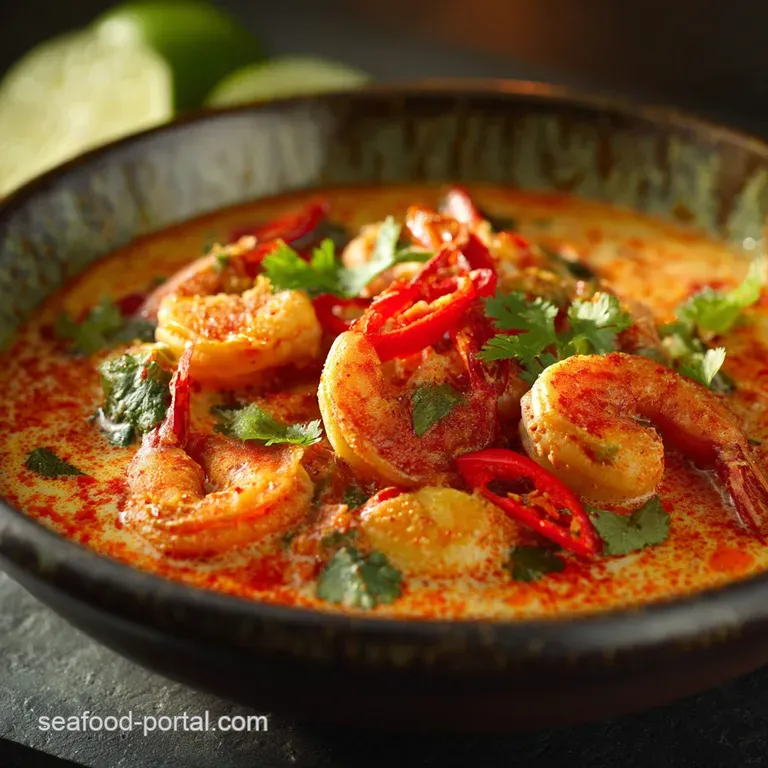
- Bloom: Reduce the heat slightly. Stir in the red curry paste and cook, stirring constantly, for 2– 3 minutes. The paste should darken, and the oil should separate slightly. This process releases the flavor oils you’ll know it’s working because the aroma becomes incredibly intense.
Phase 2: Building the Sauce Base (Simmering and Reduction)
- Introduce the Liquid: Pour in the remaining coconut milk and the chicken stock (or water). Bring the sauce up to a low simmer.
- Reduce: Maintain a gentle simmer for 5– 7 minutes. The sauce will noticeably thicken during this time, creating that perfect, luscious coating consistency.
- Add Vegetables: Stir in your sliced red bell pepper. Cook for 3 minutes until they are tender crisp; we want a little bite left, not mushy peppers!
Phase 3: Perfecting the Shrimp Cook Time (Preventing Rubberiness)
- Add the Prawns: Increase the heat back to medium. Add the patted dry prawns, stirring gently to coat them in the hot sauce.
- Cook Quickly: Cook for only 2– 4 minutes. The prawns are done when they turn opaque and curl into a nice 'C' shape. If they curl into a tight 'O' shape, they are overcooked and rubbery. Seriously, watch them like a hawk!
- Seasoning Balance: Remove the wok from the heat immediately. Stir in the fish sauce, palm sugar, and lime juice. Now taste and adjust the sweet/sour/salty balance until it sings!
Phase 4: The Final Finish (Basil and Lime Zest)
- The Fresh Touch: Stir in the fresh Thai basil leaves. The residual heat will wilt them perfectly and release their beautiful, slightly anise flavor.
- Serve: Ladle the creamy [Thai Shrimp Curry] over steaming jasmine rice. Garnish with fresh chili slices and a generous wedge of lime for squeezing.
Troubleshooting Your Thai Shrimp Curry: Pro Tips and Mistakes to Avoid
Fixing Sauce Consistency (Too thin or too thick)
If your sauce is too thin, it means you didn't reduce the coconut milk enough, or maybe you didn't pat the prawns dry. Fix: Remove the shrimp, then increase the heat and rapidly simmer the sauce for another 3- 5 minutes.
If it’s too thick, simply stir in a splash of warm water or stock until you reach your desired consistency.
Heat Control: Adjusting the Spice Level Safely
If you find your [Red Thai Shrimp Curry] is too spicy, immediately stir in extra palm sugar and a splash more coconut milk. The fat and the sugar will help neutralize the capsaicin heat. If it's too mild, stir in a tiny bit more red curry paste or garnish heavily with fresh chili slices.
The Basil Rule: When to Add and Why
Never cook the fresh basil for long. My early mistake was adding it with the bell peppers it turned black and lost all its vibrancy. Always add the basil right at the end, after the heat is off.
The residual warmth is enough to wilt it and release its fragrance without destroying the color or flavor.
Preparing Ahead and Preserving Leftovers
Safe Refrigeration Guidelines for Seafood Curries
Curries involving coconut milk and seafood need careful storage. If you made a huge batch of [Easy Coconut Curry Shrimp], cool it quickly and store it in an airtight container. It is perfectly safe and delicious for up to 3 days in the fridge.
Freezing Prawn Curry: Best Practices (A Warning on Texture)
But does it freeze well? Sort of. The flavor of the sauce freezes beautifully. However, the texture of the coconut milk sauce tends to separate slightly upon thawing, and the prawns often become noticeably tougher and chewier.
Recommendation: Freeze the sauce base without the prawns and bell peppers. Thaw, reheat, and add fresh, quickly cooked prawns and basil just before serving.
Reheating the Dish
For best results, reheat the curry gently on the stovetop over medium low heat. Avoid microwaving, as the high heat is the quickest way to turn tender prawns into bouncy, sad little rubber balls. Add a splash of water or fresh coconut milk if the sauce looks too oily or separated.
Perfect Pairings for Your Creamy Red Prawn Curry
Recommended Rice Varieties (Jasmine vs. Sticky Rice)
For a dish this rich and saucy, fluffy Jasmine Rice is the absolute classic accompaniment. Its delicate perfume complements the Thai flavors perfectly, and the grains stay separate, allowing them to soak up the sauce beautifully. While sticky rice is delicious, it sometimes struggles to absorb a rich, liquid curry sauce as well as Jasmine. For another great rice/seafood combo, you might enjoy my Shrimp Biryani: Authentic Dum Technique for Fragrant Prawns .
Serving Suggestions
I love serving this with a small side of quick pickled cucumber slices to cut through the richness of the coconut milk. Or, sometimes, if I’m feeling ambitious, I’ll whip up a quick batch of crispy fried shallots to sprinkle on top for added crunch, similar to how I finish my Shrimp Stir Fry: Restaurant Quality Ginger Garlic Recipe in 35 Mins .
You need something to scoop up every drop of that amazing red sauce, right? Warm flatbreads, like soft paratha roti or simple naan, are always a winner.
Recipe FAQs
Why is my Thai curry sauce too thin or watery?
A thin curry often results from insufficient simmering time. Ensure you let the curry simmer uncovered for at least 10 minutes after adding the coconut milk, allowing the excess moisture to evaporate and the sauce to reduce naturally.
If you need a quick fix, whisk a teaspoon of cornstarch with a tablespoon of water and stir the slurry into the boiling curry to thicken it instantly.
Can I use a different protein, like chicken or tofu, instead of shrimp?
Absolutely; this recipe is highly adaptable. If using thinly sliced chicken breast, add it before the coconut milk and ensure it is fully cooked before moving to the next step. For tofu, use extra firm pressed tofu, cube it, and lightly fry the cubes separately until golden before folding them into the finished sauce.
How do I adjust the heat level of the curry?
The primary source of heat is the red curry paste; start with a conservative amount (e.g., 1 tablespoon) and taste before adding more. To increase the heat, slice and simmer a few Thai bird’s eye chilies directly in the sauce, or serve the curry with a side of chili oil for personalized customization.
Why do I need to "fry" the curry paste before adding the liquid?
This technique, known as blooming, is essential for depth of flavor. By sautéing the paste in a little oil until it becomes highly fragrant, you activate and release the full aromatic oils and spices locked within the paste.
This process prevents the final dish from tasting raw and gives the sauce a much richer foundation.
What is the best substitute for Thai fish sauce?
For a non-fish substitute, high-quality light soy sauce or tamari works well to provide the necessary salinity and depth. If seeking a true umami flavor without animal products, use a specific vegan 'fish' sauce alternative or a teaspoon of mushroom powder combined with soy sauce.
How should I store and reheat leftover Thai Shrimp Curry?
Leftovers can be stored in an airtight container in the refrigerator for up to three days. When reheating, use a saucepan over low heat rather than a microwave; this prevents the coconut milk from separating and keeps the shrimp from becoming overly rubbery.
You may need to add a splash of water or broth to restore the sauce consistency.
Can I use low-fat or light coconut milk for this recipe?
While you can use light coconut milk, please be aware that it significantly impacts the final texture and richness. Full fat coconut milk provides the essential fat content needed to "break" and bloom the curry paste properly, resulting in a creamier, more authentic sauce that coats the rice effectively.
Easy Creamy Thai Shrimp Curry
Ingredients:
Instructions:
Nutrition Facts:
| Calories | 269 kcal |
|---|---|
| Protein | 14.7 g |
| Fat | 14.6 g |
| Carbs | 19.6 g |
