Ahi Tuna Poke: the Proper Fresh Fast Hawaiian Recipe
- Achieving Umami Balance: The Science of Perfect Poke Marinade
- Sourcing the Star Ingredient: Selecting Sushi-Grade Ahi Tuna
- Preparing and Marinating Your Classic Tuna Poke
- Expert Tips for Mastering Homemade Ahi Poke Bowls
- Safe Handling and Shelf Life of Raw Fish Poke
- Building the Ultimate Poke Bowl Experience
- Recipe FAQs
- 📝 Recipe Card
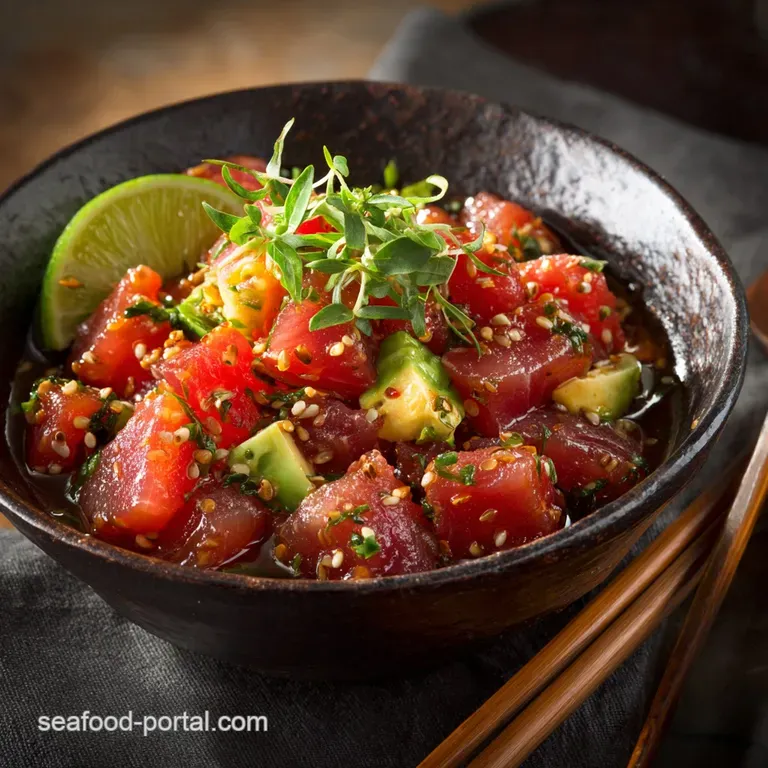
You open the container, and that aroma hits you salty umami from the shoyu, the deep, earthy nuttiness of toasted sesame, and a zing of fresh ginger. If heaven had a scent, it would smell exactly like the perfect marinade for Ahi Tuna Poke .
The texture is just as essential: tender, yielding cubes of ruby red tuna contrasted by the crisp bite of sweet onion.
Forget those weeknights where you dread turning on the oven. This recipe is a genuine lifesaver, delivering maximum flavour impact with minimal effort. Honestly, making classic Ahi Tuna Poke is easier than assembling a basic salad.
It's affordable when you compare it to takeout sushi, incredibly fast, and unbelievably satisfying for that raw fish craving.
This isn't just a recipe; it's a blueprint for achieving peak freshness and flavour balance. We’re sticking to the traditional preparation here, ensuring every bite of this glorious Ahi Tuna Poke captures the spirit of the Hawaiian islands. Let's crack on and get this stunning bowl ready.
Achieving Umami Balance: The Science of Perfect Poke Marinade
This recipe works because it relies on speed and cold. We aren't cooking the tuna with heat; we are preserving its integrity while enhancing it with a rapid flavor infusion. The key to excellent Ahi Tuna Poke is using high-quality fat (sesame oil) to coat the fish proteins immediately, preventing the acidic soy sauce from prematurely "cooking" or toughening the cubes.
This technique allows the flavour to penetrate without turning the tuna fibrous or pale a classic mistake I made back in the day!
Deconstructing the Classic Poke: What Makes it Authentic?
When people talk about authentic poke, they are talking about simplicity. It’s fish, salt, seaweed, and nuts, historically speaking. Today’s iteration of the classic Ahi Tuna Poke recipe often includes shoyu (soy sauce) and sesame oil, introduced during the immigration waves.
Authenticity means minimal ingredients doing maximum work. If your marinade has ten ingredients, you’re probably masking poor quality fish, which is the exact opposite of what we want here.
Beyond the Bowl: Understanding Poke's Cultural Roots
Poke (meaning "to slice" or "to cut into pieces") was originally a way for fishermen to season the trimmings of their catch right on the boat. They used simple Hawaiian ingredients like sea salt, limu (seaweed), and crushed kukui nuts (candlenuts).
Modern Ahi Tuna Poke evolved to incorporate strong Asian flavors, specifically the shoyu, ginger, and sesame oil, creating the globally recognized dish we crave today. It is a fantastic example of culinary fusion done right.
Why Ahi Tuna is the Gold Standard for Poke
Ahi (Yellowfin tuna) is firm, lean, and boasts a rich, buttery flavour that can stand up to the strong umami notes of soy sauce. Because it's a dense fish, it holds its shape perfectly when diced, giving that satisfying, clean bite essential for superb Ahi Tuna Poke . While I love my Salmon Poke Bowl Recipe: Easy, Fresh Taste of Aloha , nothing beats the depth and colour of Ahi for the classic preparation.
The Magic of Maceration: How Soy and Sesame Transform Raw Fish
Maceration is just a fancy word for marinating, but in the case of Ahi Tuna Poke , it’s a delicate process. The soy sauce provides sodium and umami, drawing a tiny bit of moisture out of the tuna which helps concentrate the flavour.
The toasted sesame oil doesn't just add flavor; it also acts as a protective layer. This careful balance ensures the flavor penetrates the cubes of Ahi tuna without curing them too deeply.
The Essential Crunch: Balancing Textures in the Final Dish
A great bowl of Ahi Tuna Poke is a textural masterpiece. You need the silky chew of the tuna juxtaposed against something crispy. That’s where the sweet onion and the generous scattering of sesame seeds and crispy nori come in. If you skip the crunch, the dish becomes monotonous.
You want that satisfying sensory variety in every single scoop.
Temperature Control: Ensuring the Optimal Serving Experience
This might be the most crucial tip I can give you: Ahi Tuna Poke must be cold. I mean deeply, refreshingly cold. Serving raw fish at room temperature compromises safety and ruins the texture; it gets soft and flabby.
Use a mixing bowl straight out of the freezer if you can, and always serve the finished Ahi Tuna Poke in chilled bowls.
Sourcing the Star Ingredient: Selecting Sushi Grade Ahi Tuna
You cannot, under any circumstances, skimp on the quality of the tuna for this specific recipe. Since we are eating it raw, it must be the freshest, highest quality fish available, typically labelled "sashimi grade" or "sushi grade." If your local fishmonger doesn't explicitly label their Ahi as safe for raw consumption, please move on.
This classic Ahi Tuna Poke hinges entirely on the quality of the main ingredient.
Visual Cues: What to Look for When Buying Raw Fish
Ahi should be vibrant red like a polished ruby not dull, brown, or faded at the edges. Press it lightly; it should spring back immediately. A tell tale sign of older or previously frozen fish that has thawed improperly is excessive liquid sitting around the fillet. Also, sniff it!
It should smell clean, like the ocean, not "fishy." If you smell anything pungent, skip making Ahi Tuna Poke tonight.
The Essential Aromatics: Green Onion vs. Maui Onion
I insist on using both. Maui or Vidalia onion provides a delicate, almost sweet crunch within the marinated fish. Because these onions are low in sulfur, they don't overpower the delicate flavor of the Ahi Tuna Poke .
Meanwhile, the green onions (scallions) are crucial for garnish and add a fresh, vibrant, slightly sharp finish right before serving.
Smart Swaps: Alternative Finishes (Avocado, Tobiko, etc.)
While the classic Ahi Tuna Poke is clean and simple, a few optional additions really take the experience to the next level. I love the richness that avocado provides, but be sure to cube it and fold it in gently just before serving, or it will turn mushy. Other amazing textural add-ins include:
- Tobiko (Flying Fish Roe): Adds a wonderful salty pop.
- Macadamia Nuts: Lightly toasted and chopped for true Hawaiian authenticity.
- Edamame: Provides a slightly chewy, clean, green contrast.
Mise En Place: Essential Cutting Techniques for Uniform Cubes
A dull knife tears. A sharp knife slices cleanly, protecting the muscle structure of the tuna. When preparing your Ahi Tuna Poke , cut the fish into uniform cubes aiming for roughly ¾ inch. Why uniform?
It ensures every piece marinates at the same rate, guaranteeing consistent texture and flavor penetration throughout your perfect batch of Ahi Tuna Poke . This attention to detail elevates the dish substantially.
Preparing and Marinating Your Classic Tuna Poke
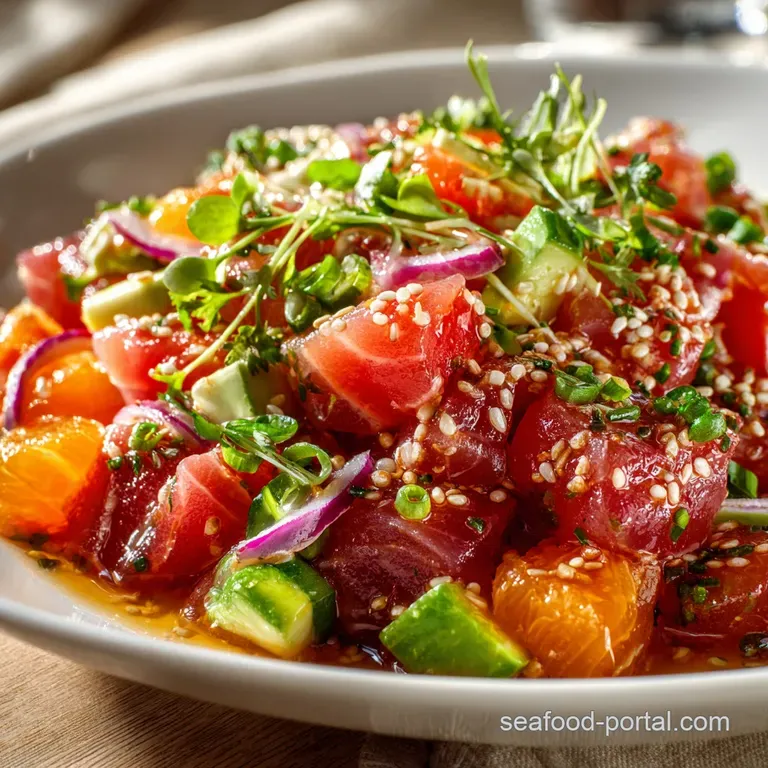
This is the fastest part of the recipe, requiring precision rather than endurance. Remember: gentle folding is key. We are caressing the ingredients together, not violently mixing them into submission. Mastering this technique is vital for delicious Ahi Tuna Poke at home.
The Dry Prep: Cleaning and Dicing the Ahi
The first step is crucial: gently pat the Ahi tuna dry with paper towels. Any surface moisture will dilute the soy sauce marinade, weakening its impact. Once dry, cube it, toss it with the flaky sea salt, and let it sit for two minutes.
This light pre-salting helps enhance the natural flavour of the fish before the marinade even touches it.
Mixing the Marinade Base: Achieving the Perfect Ratio
The ratio in this Ahi Tuna Poke recipe is non-negotiable for classic flavour: four parts shoyu to one part toasted sesame oil. This ensures a deep umami base without the sesame oil becoming greasy or overwhelming.
Whisk the soy sauce, sesame oil, ginger, and chili flakes together until emulsified. Taste it now! Does it need a tiny pinch more chili? Adjust it before adding the fish.
The Resting Period: Why Timing is Crucial for Flavor Infusion
The minimum chilling time is 30 minutes. This allows the fish to firm up and fully absorb the aromatics. However, you must not exceed two hours. The soy sauce is salty enough to start curing the tuna a process known as denaturation.
If you marinate for too long, the brilliant ruby red cubes of Ahi Tuna Poke will turn dull pink and become overly salty and slightly rubbery. It’s a delicate window, so set a timer!
Chef's Note: If you need to prep the fish further ahead than two hours, prepare the cubed tuna and the marinade separately. Store both in the fridge, and combine them only 30- 45 minutes before serving the Ahi Tuna Poke .
Expert Tips for Mastering Homemade Ahi Poke Bowls
I once served a batch of what I thought was Ahi Tuna Poke to friends, only to realize I had used regular supermarket soy sauce instead of the lighter, quality Japanese shoyu. The result? Overpowering saltiness that totally ruined the fresh flavor profile.
Lesson learned: ingredient selection makes or breaks this dish.
- Use Light Shoyu: Light soy sauce is slightly lower in sodium and has a cleaner taste than some commercial dark soy sauces. It ensures your Ahi Tuna Poke is savory, not just salty.
- Toasted vs. Untoasted Sesame Oil: Always use toasted sesame oil. It’s dark, intensely nutty, and provides the signature aroma for the best Ahi Tuna Poke . Untoasted (light) sesame oil is flavorless and should be reserved for over high heat cooking.
- Cleanliness is Godliness: Since you are handling raw fish, meticulous cleaning protocols are essential. Wash hands, knives, and cutting boards thoroughly before and after prepping the Ahi Tuna Poke .
- Embrace the Flaky Salt: Using a quality flaky sea salt, like Maldon, provides bursts of salinity without turning the entire marinade into a brine. This small addition makes a huge difference to the flavour of the Ahi Tuna Poke .
Safe Handling and Shelf Life of Raw Fish Poke
Handling raw seafood requires strict adherence to food safety, especially when preparing traditional Ahi Tuna Poke . Assume that any commercially prepared raw fish dish has a very short shelf life once prepared and dressed.
Avoiding the Cardinal Sin: Over Marinating the Fish
As mentioned, over marinating is the fastest way to ruin perfectly good Ahi Tuna Poke . The acidic and salty marinade starts to break down the proteins. After about two hours, the texture begins to suffer noticeably.
It's safe, but the texture will be closer to ceviche, which isn't the desired goal for classic Ahi Tuna Poke .
Keeping it Cold: Maintaining Quality from Prep to Plate
The Danger Zone for bacterial growth in food is between 40°F (4°C) and 140°F (60°C). Since we are skipping the cooking process, we must keep the Ahi Tuna Poke below 40°F at all times.
If you are serving this outdoors or at a party, keep the serving bowl nested inside a larger bowl of ice.
Adjusting Seasoning: Tasting and Balancing Acid and Salt
Before serving the final Ahi Tuna Poke mixture, take a small taste. Is it too salty? A tiny squeeze of fresh lime or lemon juice can balance the soy sauce. Is it lacking punch? A micro plane grating of fresh ginger or a dash more chili flake can wake it up.
Don't be afraid to adjust the flavor profile of the completed Ahi Tuna Poke .
Refrigerating Leftovers: Time Limits for Optimal Safety
If you somehow manage to have leftovers (a feat in itself!), store the prepared Ahi Tuna Poke in an airtight container immediately. It is safe to consume within 24 hours of preparation, provided it has been kept continuously chilled. While some sources stretch that to 48 hours, I advise caution. For the best flavour, eat your Ahi Tuna Poke the day it’s made. For leftovers, I'd suggest turning them into a filling for a wrap or sandwich, similar to my Tuna Salad No Mayonnaise: Zesty Mediterranean Oil Lemon Recipe .
Can You Freeze Prepared Poke? (Spoiler: No, and Why)
Absolutely not. Freezing prepared Ahi Tuna Poke is a recipe for disaster. The freezing process introduces ice crystals that rupture the cell walls of the raw fish, turning the beautifully firm cubes into watery, mushy blocks upon thawing.
The delicate flavor balance of the marinade is also completely thrown off. Freshness is the entire point of this amazing Ahi Tuna Poke dish.
Best Practices for Food Safety Protocols
If you buy frozen sashimi grade tuna, ensure you thaw it properly overnight in the refrigerator never on the counter. Always use separate cutting boards for raw fish and vegetables if possible.
Finally, never reuse leftover marinade; discard it once the Ahi Tuna Poke is removed for serving.
Building the Ultimate Poke Bowl Experience
While the Ahi Tuna Poke is the undisputed star, what you serve it on makes a world of difference. Traditionalists use warm rice, which provides a lovely temperature contrast against the cold, marinated fish.
For a hearty meal, serve your perfect Ahi Tuna Poke over a bed of fluffy, warm sushi rice, lightly seasoned with rice vinegar and a touch of sugar. Add layers of sliced cucumber, shaved carrots, and maybe a sprinkle of furikake . If you want to impress, try a side of my Smoked Ahi Tuna Recipe: Buttery, Silky Restaurant Quality at Home for an incredible surf and turf experience.
Whether you're crafting a quick lunch or preparing a show stopping dish for guests, this easy Ahi Tuna Poke recipe provides all the flavour and freshness you could ever want. Enjoy this taste of Aloha!
Recipe FAQs
What type of tuna should I buy for raw Ahi Poke?
You must specifically purchase "sushi grade" or "sashimi grade" Ahi (Yellowfin) tuna from a reputable fishmonger. This designation indicates the fish has been safely handled and flash frozen according to FDA guidelines for raw consumption.
Never attempt to use standard frozen or fresh tuna fillets intended only for cooking.
How long can Ahi Poke be stored in the refrigerator?
Poke is always best enjoyed immediately, but it can be safely stored in an airtight container for up to 24 hours. After a full day, the acid and sodium in the marinade will begin to cure the fish, altering its delicate texture and compromising the fresh flavor.
Freezing is highly discouraged as the raw fish texture will be ruined upon thawing.
Why does my poke taste too salty or heavy, and how can I fix it?
A salty taste usually indicates the poke was over marinated or that too much soy sauce was used relative to the tuna volume. To quickly remedy a salty batch, immediately drain the liquid and toss the poke with a few extra cubes of fresh, undressed tuna to dilute the flavor.
Alternatively, mix in a very small amount of rice vinegar or honey to balance the sodium.
Can I make this Ahi Poke recipe gluten-free?
Yes, making it gluten-free is simple by substituting standard soy sauce for tamari or coconut aminos. These alternatives provide a similar rich umami depth without containing wheat.
Always double check any secondary ingredients, such as chili garlic sauce or crunchy toppings, to ensure they are also certified gluten-free.
Are there good substitutions if I cannot eat raw fish (e.g., a vegetarian option)?
Absolutely; you can achieve excellent results by substituting the Ahi tuna with cubed, extra firm tofu, or cooked and cooled shrimp. For tofu poke, ensure you press the tofu extensively to remove all excess moisture before dicing it and tossing it in the marinade.
The firm texture will mimic the density of the tuna well.
What is the proper technique for dicing the Ahi tuna?
Use a very sharp knife and cut the tuna uniformly into 3/4 inch to 1 inch cubes, always cutting across the grain of the fish. Aim for clean, decisive cuts rather than sawing motions, which can tear the flesh and make the poke mushy. Uniform sizing is key to ensuring that every piece marinates evenly.
What are the best side dishes or bases to serve with Ahi Poke?
Traditionally, poke is served simply over warm, medium grain white rice, transforming it into the famous poke bowl. For a lighter approach, serve it alongside crisp taro chips, with spiralized cucumber noodles, or nestled in butter lettuce cups.
A simple cucumber salad also provides a refreshing contrast to the rich sesame oil.
Easy Ahi Tuna Poke Recipe
Ingredients:
Instructions:
Nutrition Facts:
| Calories | 175 kcal |
|---|---|
| Protein | 31.2 g |
| Fat | 3.9 g |
| Carbs | 4.1 g |
