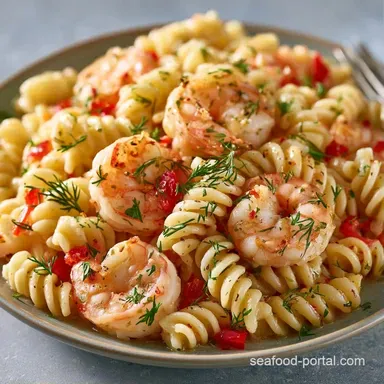
Zesty Lemon Dill Shrimp Pasta Salad
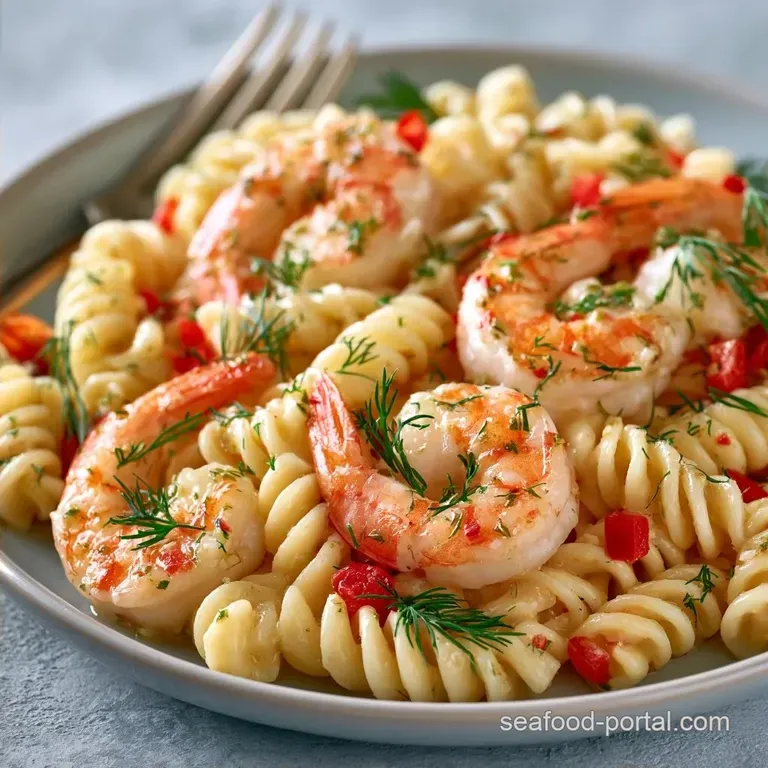
- Time: 20 min active + 2 hours chilling
- Flavor/Texture Hook: Tangy, creamy, and crisp
- Perfect for: Summer potlucks, meal prep, or a light lunch
- Dill Shrimp Pasta Salad
- Avoiding Common Texture Mistakes
- Ingredient Role Deep Dive
- Essential Recipe Specs
- Necessary Kitchen Tools
- Step by Step Assembly
- Fixing Common Salad Issues
- Troubleshooting Common Issues
- Adjusting the Batch Size
- Seafood Myths Debunked
- Freshness and Waste Tips
- Serving and Pairing Ideas
- Flavor Profile Twists
- Recipe FAQs
- 📝 Recipe Card
Ever wonder why some pasta salads feel like a soggy mess of noodles while others stay crisp? I used to just toss everything together and hope for the best, but the results were often bland. The real trick is in the temperature shock.
When you hit hot pasta and shrimp with ice cold water, it stops the cooking instantly. This keeps the shrimp from turning into rubber bands and ensures the pasta doesn't overcook while it sits in the dressing.
You can expect a bright, zesty flavor with a lot of crunch from the fresh vegetables. This Dill Shrimp Pasta Salad is all about the balance of rich mayonnaise and the punch of fresh lemon and dill.
Dill Shrimp Pasta Salad
The first thing you'll notice is the aroma of fresh dill hitting the lemon zest. It's a scent that immediately feels like a coastal summer. I've found that using rotini or shells helps the creamy sauce cling to the pasta, so you don't end up with a pool of dressing at the bottom of the bowl.
Most of the work happens in the first twenty minutes. After that, the refrigerator does the heavy lifting. Letting the flavors marry for two hours is a must, as the pasta absorbs the tang of the cider vinegar and lemon juice.
Avoiding Common Texture Mistakes
Many people make the mistake of adding the dressing while the pasta is still warm. This causes the mayonnaise to break and the pasta to soak up too much liquid, leaving the salad dry. By chilling everything first, the dressing stays stable and the textures remain distinct.
- Cold Shock
- Rinsing ingredients in ice water stops the carryover cooking, keeping the shrimp tender.
- Acid Balance
- The mix of lemon juice and apple cider vinegar cuts through the fat of the mayo.
- Pasta Timing
- Cooking the pasta one minute under the box instructions prevents it from softening too much during the chilling phase.
| Feature | Fast (Pre cooked) | Classic (From Scratch) |
|---|---|---|
| Prep Time | 10 minutes | 20 minutes |
| Shrimp Texture | Soft/Spongy | Snap and bite |
| Flavor Profile | Milder | Bright and zesty |
But what about the pasta? If you're worried about it getting too soft, sticking to a sturdy shape like rotini is the way to go.
Ingredient Role Deep Dive
Each part of this salad serves a purpose, from the crunch of the celery to the bite of the red onion. Understanding how these interact helps you adjust the taste if you're missing something.
| Ingredient | What It Does | Best Swap |
|---|---|---|
| Medium Shrimp | Main protein, adds a salty snap | Scallops (diced) |
| Rotini Pasta | Structure, holds the creamy sauce | Shells or Fusilli |
| Fresh Dill | Primary herb, adds a grassy brightness | Fresh Parsley |
| Apple Cider Vinegar | Sharp acidity to balance the mayo | White Wine Vinegar |
The way we handle the protein is similar to how I prepare perfectly poached shrimp, where temperature control is the most important part of the process.
Essential Recipe Specs
For the best results, use a consistent dice for your vegetables. When the red pepper and celery are roughly the same size as the pasta gaps, you get a bit of everything in every bite.
Ingredients:
- 450g medium shrimp, peeled and deveinedWhy this? Medium size is best for proportion with pasta.
- 340g rotini or shell pastaWhy this? Spirals catch the creamy dressing.
- 150g red bell pepper, finely diced
- 60g celery, thinly sliced
- 15g red onion, mincedWhy this? Adds a sharp contrast to the cream.
- 120ml mayonnaiseWhy this? Provides the rich, creamy base.
- 45ml fresh lemon juice
- 15ml apple cider vinegar
- 10g fresh dill, finely chopped
- 5g granulated sugar
- 3g salt
- 1g black pepper
- 2g lemon zest
| Original Ingredient | Substitute | Why It Works |
|---|---|---|
| Mayonnaise (120ml) | Greek Yogurt (120ml) | Tangier and leaner. Note: Less rich than mayo |
| Red Onion (15g) | Shallots (15g) | Milder flavor. Note: Less pungent bite |
| Red Bell Pepper (150g) | Yellow Pepper (150g) | Similar crunch. Note: Slightly sweeter taste |
Keep in mind that substituting Greek yogurt for mayo will change the color slightly and make the salad a bit more tart.
Necessary Kitchen Tools
You don't need a professional setup for this, but a few specific tools make the process faster. A large colander is non negotiable because you'll be rinsing two different items in it.
- Large pot (for pasta)
- Small pot (for poaching shrimp)
- Large mixing bowl
- Whisk and small bowl
- Colander
- Sharp chef's knife and cutting board
- Microplane or zester for the lemon
Chef's Tip: If your red onion feels too aggressive, soak the minced pieces in ice water for 10 minutes, then drain. This removes the harsh sulfur compounds while keeping the crunch.
Step by step Assembly
Follow these steps closely to ensure your Dill Shrimp Pasta Salad stays fresh and vibrant.
- Boil a large pot of salted water. Add the pasta and cook until al dente, which is usually 1 minute less than the package says. For a guide on true al dente texture, Serious Eats has great tips on starch and bite.
- Bring a separate small pot of water to a simmer. Add shrimp and poach for 2 to 3 minutes until they turn opaque and curl into a 'C' shape.
- Immediately drain both the pasta and shrimp into a colander and rinse under ice cold running water for 30 seconds. Drain thoroughly.
- In a small bowl, combine the mayonnaise, lemon juice, apple cider vinegar, and sugar. Whisk vigorously until smooth and velvety.
- Fold the fresh dill, lemon zest, salt, and pepper into the dressing and set aside.
- In a large mixing bowl, combine the chilled pasta, shrimp, diced bell pepper, celery, and red onion.
- Pour the creamy dill dressing over the mixture and fold gently until evenly coated.
- Chill the salad in the refrigerator for 2 hours before serving to allow the flavors to marry.
Fixing Common Salad Issues
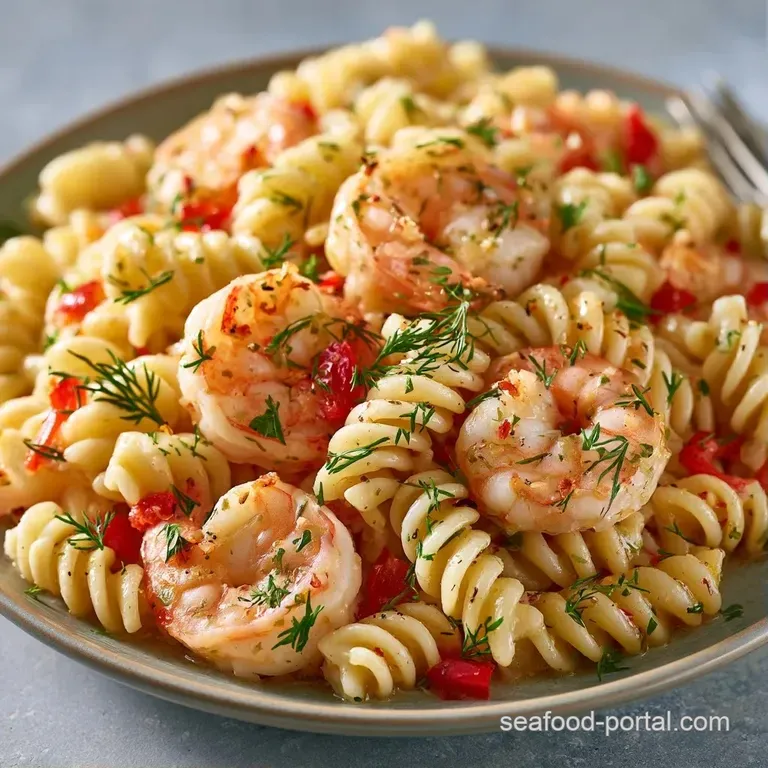
Even with a plan, things can go sideways. Usually, it comes down to overcooking or the pasta absorbing the sauce like a sponge.
Troubleshooting Common Issues
| Issue | Solution |
|---|---|
| Why is the pasta often mushy | This usually happens when the pasta is overcooked or not chilled quickly enough. If the pasta stays hot, it continues to soften. The cold rinse is the only way to stop this. |
| Why do the shrimp turn rubbery | Shrimp cook incredibly fast. If they curl into a tight 'O' shape, they're overdone. You want a loose 'C' shape for the best texture. |
| Why is the salad dry after chilling | Pasta is porous and drinks up the dressing as it sits. If this happens, don't add more mayo, as it can make the dish too heavy. |
Once you've fixed these, the result is a bright, cohesive dish.
Adjusting the Batch Size
If you're making this for a small lunch or a massive party, you can't always just multiply everything by four.
Scaling Down (Half Batch): Use a smaller pot to prevent the water from taking too long to boil. For the dressing, whisk the ingredients in a small ramekin. You can use half a lemon for the juice and zest.
Scaling Up (2x or 4x): When doubling the recipe, increase the salt and pepper to 1.5x first, then taste. Over salting is easy when working with large volumes of pasta. Work in batches when rinsing the shrimp and pasta so the water stays ice cold.
If you're making a huge amount, I recommend mixing the vegetables and pasta first, then adding the dressing in stages to ensure every piece is coated without over mixing.
Seafood Myths Debunked
There are a few things people say about shrimp and pasta that just aren't true.
One common myth is that you need to sear shrimp to "lock in" the juice. In reality, poaching them gently in simmering water, as we do here, keeps them much more tender for a cold salad.
Another misconception is that you should salt the pasta water "like the sea." While it needs to be seasoned, too much salt can actually interfere with the dressing's balance in a cold dish. A tablespoon or two is plenty.
Freshness and Waste Tips
Store the finished Dill Shrimp Pasta Salad in an airtight glass container in the fridge. It stays fresh for 3 to 4 days. Because of the mayonnaise and shrimp, do not freeze this dish, as the emulsion will break and the shrimp will become mealy.
To avoid waste, use your vegetable scraps. The ends of the celery and the bell pepper seeds can go straight into a freezer bag for homemade vegetable stock. If you have leftover lemon halves, squeeze them into your water or use them to rub down a baking sheet for roasted veggies.
Serving and Pairing Ideas
This salad is a stand alone meal, but it pairs well with a few specific sides. I love serving it alongside a crisp green salad with a light vinaigrette to contrast the creamy dressing.
For a more filling spread, try pairing it with toasted sourdough or a side of grilled corn on the cob. If you're serving it at a party, place the bowl in a larger bowl filled with ice to keep it chilled throughout the event.
Because it's so fresh, it works great as a starter for a larger seafood dinner. It's a lighter alternative to something like a Shrimp Salad for 6 recipe which tends to be heavier on the protein and lighter on the pasta.
Flavor Profile Twists
You can easily change the vibe of this recipe depending on what you have in the fridge.
Make it Spicy: Add a pinch of cayenne pepper to the dressing or stir in some diced jalapeños with the red bell pepper. The heat cuts through the creamy mayo beautifully.
Make it Healthier: Swap the rotini for chickpea pasta or whole grain shells. You can also replace half the mayonnaise with plain Greek yogurt for a protein boost and a tangier finish.
Different Proteins: If you aren't in the mood for shrimp, this works great with lump crab or bay scallops. Just follow the same poaching method to ensure they don't get tough. This versatility makes the Dill Shrimp Pasta Salad a great base for whatever seafood is on sale.
Recipe FAQs
What do you put in a dill shrimp pasta salad?
Rotini or shell pasta, poached shrimp, and a creamy dill dressing. The salad also features diced red bell pepper, celery, and red onion for texture and flavor.
Does dill taste good with shrimp?
Yes, it is a classic seafood pairing. The fresh, herbal notes of the dill cut through the richness of the mayonnaise and complement the sweetness of the shrimp.
What are common mistakes to avoid when making shrimp pasta salad?
Overcooking the shrimp and skipping the ice-cold rinse. Neglecting to chill the pasta and shrimp immediately leads to a mushy texture and rubbery seafood.
How to cook the shrimp for this recipe?
Poach in simmering water for 2 to 3 minutes. Remove them as soon as they turn opaque and curl into a loose 'C' shape to ensure they remain tender.
Is it true that shrimp are perfectly cooked when they form a tight 'O' shape?
No, this is a common misconception. A tight 'O' indicates the shrimp are overcooked; you want a loose 'C' shape for the best texture.
How to prepare the creamy dill dressing?
Whisk mayonnaise, lemon juice, apple cider vinegar, and sugar until smooth. Fold in the fresh dill, lemon zest, salt, and pepper before combining with the chilled ingredients.
How to keep the pasta from getting mushy?
Rinse the pasta under ice-cold running water for 30 seconds immediately after boiling. This stops the cooking process and preserves the al dente bite. If you enjoyed mastering texture control here, see how the same principle works in our shrimp scampi.
Dill Shrimp Pasta Salad