Crispy Prawn Perfection Vietnamese Shrimp Toast Bánh Mì Chiên Tôm
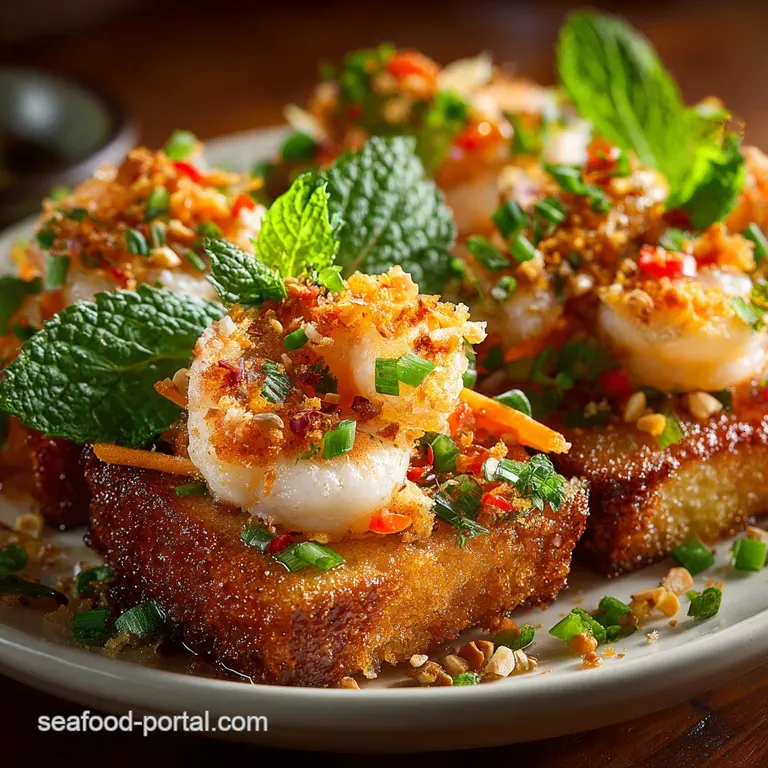
- Why This Is the Best Vietnamese Shrimp Toast Recipe You'll Ever Make
- Essential Components for Authentic Vietnamese Shrimp Toast
- Required Equipment for Achieving Maximum Crispy Results
- Mastering the Perfect Paste: Texture is Non-Negotiable
- Assembly and Frying Techniques for Golden, Non-Greasy Toast
- Preparation and Storage: Maximizing Freshness and Minimizing Waste
- Quick Variations and Chef's Tips for Customizing the Flavor
- Recipe FAQs
- 📝 Recipe Card
Why This Is the Best Vietnamese Shrimp Toast Recipe You'll Ever Make
This is not your average, heavily fried takeaway starter. This specific Vietnamese Shrimp Toast recipe elevates the humble appetizer into a culinary showstopper, focusing on texture, freshness, and the complexity of Vietnamese flavors.
While closely related to traditional Prawn Toast , the Vietnamese iteration, often called Bánh Mì Chiên Tôm , uses lighter aromatics and a unique binding technique to create a filling that is incredibly bouncy and flavourful.
It stands out prominently among the Best Shrimp Recipes for its balance of savory richness and bright herbal notes, guaranteeing a crisp, non-greasy finish that is utterly addictive.
The Secret to a Bouncy Shrimp Filling
The hallmark of authentic Shrimp Toast Vietnamese is the incredible springiness, a characteristic texture known as chả tôm . This quality is achieved through precise temperature control and the correct use of binders.
We start with 1 lb (450 g) of raw, peeled shrimp that must be partially frozen for 10– 15 minutes. By processing the ice-cold shrimp with one cold egg white and 1 Tbsp of tapioca starch, the proteins emulsify tightly without breaking down from heat, resulting in a sticky, cohesive, and remarkably bouncy mousse the true secret to professional grade toast.
Bánh Mì vs. White Bread: Choosing the Perfect Vehicle
While the dish's name incorporates bánh mì , the bread vehicle of choice here is sturdy, high-quality white sandwich bread. For optimal crispness and even cooking, the crusts must be entirely removed. We utilize 8 slices of bread, cutting them into triangles or squares.
This maximizes the surface area for frying and ensures that the bread achieves a perfect, deep golden color simultaneously with the thick shrimp paste cooking through.
Flavor Profile Breakdown: The Nuance of Nước Mắm
What fundamentally separates this recipe from other East Asian versions is the flavor layering. The depth of the Vietnamese Prawn Toast comes from 1 Tbsp of high-quality Nước Mắm (fish sauce).
This ingredient delivers a powerful, savory umami that is incomparable. This richness is carefully balanced by 1/2 tsp of granulated sugar and a generous dose of 1/2 tsp of white pepper, which is essential for that subtle, vibrant heat that defines many Vietnamese savory dishes.
Essential Components for Authentic Vietnamese Shrimp Toast
Achieving the perfect flavor and texture requires specific vietnamese shrimp toast ingredients that work synergistically. The core of the mousse includes 1 lb of raw shrimp, one cold egg white, 1 Tbsp of tapioca starch (the primary binder), and 1 Tbsp of fish sauce.
For aromatic complexity, we avoid heavy roots and instead fold in 2 Tbsp of thinly sliced spring onion (green part only) and 1 Tbsp of chopped cilantro. For those who enjoy an added textural contrast, $1/4$ cup of finely diced water chestnuts is recommended, adding a light, crisp bite to the rich mousse.
Finally, 8 slices of crustless white bread and 4 cups of neutral frying oil are required for assembly and cooking.
Required Equipment for Achieving Maximum Crispy Results
Successfully preparing this Vietnamese Shrimp Toast Recipe Easy preparation relies on having the correct tools, primarily to manage temperature and precision.
Preparing the Prawns: Raw vs. Pre-Cooked Seafood Selection
For the necessary protein structure, you must exclusively use raw, large, peeled, and deveined shrimp (or firm prawns). Pre-cooked seafood contains denatured protein and will result in a mushy paste rather than the firm, sticky mousse required for the Shrimp Toast to hold its shape during frying.
Always pat the prawns thoroughly dry before beginning the chilling process.
Aromatics That Elevate: Ginger, Garlic, and Shallots
While ginger and garlic are common in many Asian pastes, they are intentionally excluded here to allow the delicate flavor of the shrimp and the sharpness of the fish sauce to shine. Instead, the final paste is brightened by folding in the fresh, mild flavor of spring onion and cilantro.
Beyond the Basics: Defining the Spice and Binder Mixture
The key structural components are the one cold egg white and the 1 Tbsp of tapioca starch, which work together to create the bouncy chả texture. Seasoning is finalized with 1 tsp of sesame oil, 1/4 tsp of salt, and the critical balance of sugar and white pepper.
These simple additions ensure the mousse is highly seasoned before it ever hits the bread.
The Case for a Food Processor
The Shrimp Toast mousse base must be processed extremely quickly to avoid friction heat. A food processor is non-negotiable for this step, as it can transform the partially frozen shrimp into a sticky, smooth paste in seconds, thus maintaining the low temperature necessary for the protein binding.
Trying to mince the shrimp by hand will not achieve the proper cohesive texture.
Temperature Control: The Importance of a Fry Thermometer
Because the shrimp mousse is relatively thick (about 1/4 to 1/3 inch), it requires extended cooking time without burning the bread. A deep fry thermometer is essential to precisely hold the oil temperature at 325° F ( 160° C).
Deviating from this temperature especially if the oil is too hot will result in an undercooked center and a scorched exterior.
Related Recipes Worth Trying
- Blackened Shrimp Tacos Recipe Quick Easy Zesty CilantroLime Slaw — Forget fussy recipes These easy shrimp tacos deliver big blackened flavour and a refreshing crunch thanks to the creamy cilantrolime slaw Quick shrimp...
- The Ultimate Creamy Shrimp Quiche with Dill and Gruyère — Make the perfect Homemade Quiche with Shrimp Guaranteed flaky crust and creamy custard packed with dill and Gruyère Say goodbye to the soggy bottom forever
- Silky Shrimp Carbonara Recipe Classic Italian Technique — Master this authentic Shrimp Carbonara recipe We use a classic creamless technique for the silkiest finishperfect for an elegant quick family dinner night
Mastering the Perfect Paste: Texture is Non-Negotiable
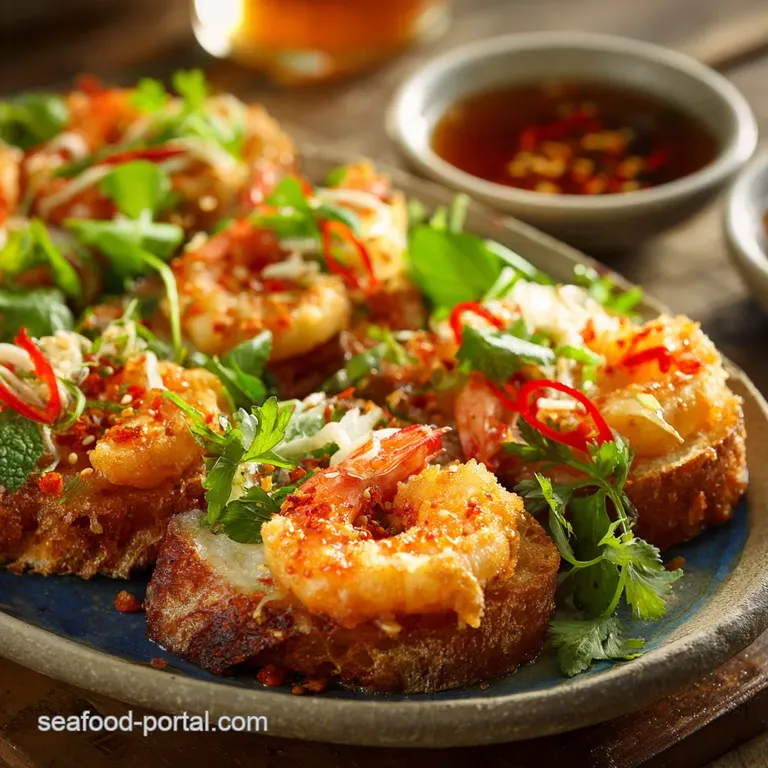
The success of your Vietnamese Shrimp Toast hinges entirely on the paste texture. After partially freezing the shrimp, blend all the mousse ingredients (shrimp, binders, and seasonings) and then transfer the paste to a bowl.
The mixture must then be chilled for a full 30 minutes. This chilling period firms up the mousse, making it easier to spread evenly and ensuring it holds its form beautifully during the frying process.
Assembly and Frying Techniques for Golden, Non-Greasy Toast
The total active cooking time is quick, just 10– 12 minutes, but demands focus to achieve that signature golden hue and crispy crust.
step-by-step Blending: Avoiding Over Processing the Shrimp
When blending the cold shrimp and binder mixture in the food processor for this specific Shrimp Toast Recipe , use rapid, short pulses about 4 5 seconds each. Stop as soon as the mixture looks smooth and starts to clump together.
If you blend continuously, the mixture will heat up, losing the structural integrity needed for the desirable chả tôm bounce. After blending, gently fold in the aromatics like water chestnuts and spring onion.
Troubleshooting Runny Mixture: How to Stabilize the Batter
If your shrimp paste feels too loose or warm after processing, immediately return it to the freezer for 5 minutes, then back to the refrigerator for the full 30-minute chilling period.
If, after chilling, it is still too runny, gently pulse in an additional 1/2 tsp of cold tapioca starch to help absorb moisture and strengthen the binding properties.
Spreading the Mixture: Tips for Even Coverage
Use a butter knife or small offset spatula to spread a generous and consistent layer of the chilled mousse onto the bread. Aim for a thickness of 1/4 to 1/3 inch across the entire surface. Even coverage is critical; thinner spots will cook much faster than thicker areas, leading to inconsistent results.
If desired, lightly press the mousse edges into white sesame seeds for added crunch and aesthetics.
Optimal Oil Temperature and Frying Duration Guide
Ensure your neutral frying oil is heated to a precise 325° F ( 160° C). Work in small batches to maintain this temperature. Start by placing the toasts mousse side down into the hot oil.
This first fry, lasting 2– 3 minutes, seals and cooks the protein thoroughly. Flip the toasts and fry the bread side for an additional 1– 2 minutes until the bread is deep golden and perfectly crisp.
Drainage and Presentation: Serving Suggestions
The moment the toast is removed from the oil, transfer it immediately to a wire rack. Never place fried foods directly onto paper towels, as this traps steam and instantly causes the beautiful crust to turn soggy. A wire rack allows air to circulate underneath, maintaining the maximum crispness.
Serve piping hot with a sprinkle of flaky salt and plenty of Nước Chấm dipping sauce.
Preparation and Storage: Maximizing Freshness and Minimizing Waste
This Vietnamese Shrimp Toast Recipe Easy prep lends itself well to planning ahead, ensuring minimal fuss when it’s time to serve.
make-ahead Prep: Storing Unfried Vietnamese Shrimp Toast Bases
The assembled, raw Vietnamese Shrimp Toast bases can be prepared up to 24 hours in advance. Arrange the toasts on a tray, spread side up, cover tightly with plastic wrap, and refrigerate.
This allows you to complete the messier prep work well before guests arrive, leaving only the quick frying process for party time.
Reheating Leftovers: Restoring the Crispy Crunch
While best served fresh, leftovers can be successfully reheated. Avoid the microwave at all costs. Instead, place leftover toast pieces in an oven or, even better, in an air fryer set to 350° F ( 175° C) for a few minutes until the exterior is hot and the crispiness is restored.
Quick Variations and Chef's Tips for Customizing the Flavor
For those looking to expand the flavor profile or adjust for dietary needs, these tips offer excellent customization options.
Ingredient Swaps: Using Surimi or Fish Paste Instead of Prawns
While the rich flavor of 1 lb of firm shrimp is highly recommended, you can substitute with other firm seafood like scallops, or even a sturdy white fish. If substituting, ensure the replacement seafood is also kept ice-cold during processing to achieve the optimal bouncy texture.
Pairing Sauces: The Essential Dipping Sauce Strategy
The rich, savory nature of the fried toast demands a bright counterpart. The essential pairing is traditional Vietnamese dipping sauce ( Nước Chấm ).
Its high acidity, derived from lime juice, combined with the subtle heat of chilies, brilliantly cuts through the richness of the fried shrimp, creating perfect balance. A good sweet chili sauce is a fine substitute, but Nước Chấm is paramount for authentic flavor.
Nutritional Snapshot: Calories and Dietary Adjustments
Based on an appetizer serving of two triangles, the calorie count for this deep fried dish is estimated between 280 320 kcal, with high protein content (15 18 g) thanks to the ample shrimp mousse. For a lighter approach, try the Vietnamese Shrimp Toast Air Fryer variation.
By lightly misting the assembled toasts with oil and cooking them at 375° F ( 190° C) for 6– 8 minutes, you significantly reduce the fat absorption while still achieving a respectable crunch.
Recipe FAQs
My shrimp paste came out mushy instead of bouncy what went wrong with the texture?
It's all about temperature, mate! The key to that perfect, bouncy chả tôm (shrimp paste) is keeping everything arctic cold, which helps the proteins bind correctly. If the mixture heats up in the food processor, the proteins denature, leading to a dull, mushy result rather than a springy one.
Ensure your shrimp is partially frozen before processing and use short, sharp pulses to keep the paste cool and sticky.
I don't fancy deep frying. Can I use an air fryer or oven for the Vietnamese Shrimp Toast?
Absolutely, an air fryer works a treat for a lighter take! For the best results, spray the assembled toast generously with neutral oil and cook at 375°F (190°C) until deep golden brown and the filling is cooked through (about 7-8 minutes), flipping halfway.
While you lose some of the deep fried richness, it’s a brilliant compromise if you’re trying to avoid the faff of a deep fat fryer.
Can I make the shrimp paste ahead of time, and how should I store leftovers?
You’re in luck! You can prep the cold shrimp mousse up to 24 hours in advance; simply keep it tightly covered in the fridge, and the flavour will meld beautifully. However, you must only assemble the mousse onto the bread immediately before frying, or the bread will absorb moisture and become soggy.
Leftover fried toast should be reheated quickly in a very hot oven or air fryer to restore its crispness, as microwave reheating will make it rubbery.
What is the best dipping sauce to pair with this rich Vietnamese Shrimp Toast?
For an authentic experience, you need the classic Vietnamese dipping sauce, Nước Chấm it truly is the bee's knees! Its bright, acidic punch from lime juice, fish sauce, sugar, and chilli cuts through the savoury richness of the fried toast perfectly.
If you are short on ingredients, a premium bottled sweet chilli sauce (like Sriracha mayo, or a traditional Thai style) will also do the job nicely.
I don't have tapioca starch. Is cornstarch an acceptable substitute?
Tapioca starch is preferred as it gives the paste elasticity and that authentic, bouncy chewiness that helps the mousse hold its shape better during frying. However, if you are in a pinch, cornstarch is a perfectly acceptable substitution for the binder.
Do not, under any circumstances, use plain wheat flour, as it will make the resulting shrimp paste heavy, dull the flavour, and ruin the desired light texture.
Crispy Vietnamese Shrimp Toast Recipe
Ingredients:
Instructions:
Nutrition Facts:
| Calories | 2425 kcal |
|---|---|
| Protein | 13.7 g |
| Fat | 60.4 g |
| Carbs | 78.7 g |
| Fiber | 10.2 g |
| Sodium | 2239 mg |
