Shrimp Lumpia: Crispy Golden Spring Rolls (Filipino Style Recipe)
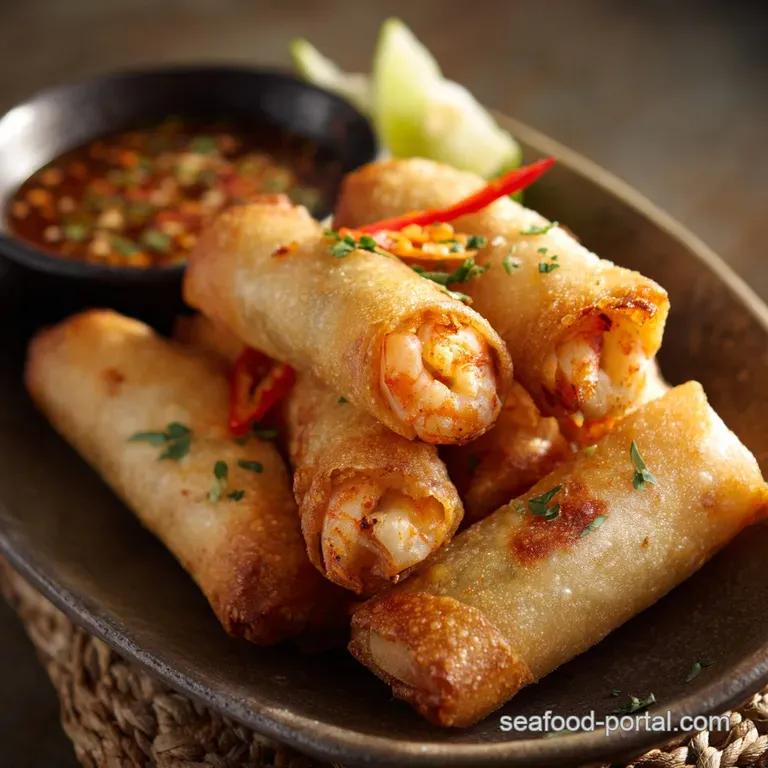
- The Ultimate Crispy Golden Shrimp Lumpia Recipe
- Achieving the Perfect Texture: Why This Shrimp Lumpia Recipe is Superior
- Essential Ingredients for Authentic Shrimp Lumpia and Toyomansi Dip
- How to Prepare and Fry Your Crispy Shrimp Lumpia (Step-by-Step Guide)
- Lumpia Troubleshooting: Chef’s Tips for Frying, Rolling, and Flavor
- Prepping Ahead: Storing and Freezing Shrimp Lumpia
- What to Serve with Crispy Shrimp Lumpia
- Recipe FAQs
- 📝 Recipe Card
The Ultimate Crispy Golden Shrimp Lumpia Recipe
That sound is everything, right? You pull these golden, skinny rolls out of the oil and that perfect, brittle crunch starts immediately, echoing across the kitchen counter.
That specific, glorious sound signals the perfect balance of savory, slightly sweet shrimp filling encased in the thinnest, crispiest shell imaginable. Honestly, forget everything else.
Honestly, this is my favorite appetizer when I’m feeling ambitious but need a completely reliable crowd pleaser that everyone devours immediately. They are shockingly fast to prep once you get the hang of mincing, and making a huge batch at home is definitely cheaper than buying just a handful at a restaurant.
Plus, we are going to learn how to prep a giant freezer stash, which is a total weeknight lifesaver.
Forget those fat, greasy egg rolls you sometimes get that require a full nap afterward. We’re going for genuine Filipino lumpia here, focusing specifically on the delicate shrimp version, which is lighter and cleaner tasting than the classic all-pork Shanghai style.
We’re aiming for shatteringly crisp perfection, not oily sadness. Ready to roll? Let's crack on.
Achieving the Perfect Texture: Why This Shrimp Lumpia Recipe is Superior
This specific recipe works because we treat the ingredients with respect, especially focusing on moisture control and texture. Most home cooks skip chilling the filling, but that short 30 minute rest makes the mixture firm, preventing soggy wrappers and making assembly ten times easier.
We are also using a precise oil temperature to guarantee the delicate shrimp cooks through just as the wrapper achieves that crucial golden brown hue.
What Makes Filipino Lumpia Unique Among Spring Rolls
The biggest difference between Filipino lumpia and, say, a standard Chinese spring roll is the wrapper itself. Lumpia uses an extremely thin, almost paper like wrapper that fries up unbelievably crisp. It's the texture that really sets this dish apart.
A Culinary History of Lumpia and Chinese Influences
Lumpia’s roots are fascinating, stemming from Chinese traders who brought spring rolls to the Philippines centuries ago. Filipinos took the concept and made it their own, adapting the filling to local tastes and using ingredients like savory shrimp and local vinegars for the accompanying dip.
It's a wonderful example of culinary fusion resulting in a true classic.
Introducing the Essential Toyomansi Dipping Sauce
You simply cannot serve lumpia without the proper accompaniment. The classic dipping sauce is Toyomansi —a bright, punchy mix of soy sauce ( toyo ), vinegar, and calamansi lime juice ( mansi ).
That salty, sour, and spicy zing cuts through the richness of the fried shell perfectly.
The Role of Savory Pork in Enhancing Shrimp Flavor
While this is fundamentally a Shrimp Lumpia Recipe , a small amount of finely ground pork is truly essential for complexity and binding. Shrimp cooks fast and can sometimes taste flat on its own.
The pork adds critical umami depth and richness without overwhelming the delicate flavor of the seafood.
Why Thin Lumpia Wrappers are Essential for Crispness
If you want that signature, shatteringly light crispness, you must use the thin lumpia wrappers, often labeled as "Spring Roll Wrappers" in the freezer aisle. The thicker egg roll wrappers absorb far too much oil and result in a chewy, heavy product. We want light, airy perfection, not dense bricks.
Mastering the Filling-to-Wrapper Ratio
This is where most beginners fail. Don't overfill! A small log of filling, about 1 tablespoon, is all you need. If the lumpia is too fat, the filling won't cook in the middle before the wrapper burns, and the internal pressure will almost certainly cause an explosion during frying. Trust me on this one.
Essential Ingredients for Authentic Shrimp Lumpia and Toyomansi Dip
Here is the exact list of ingredients we need to get that restaurant quality snap. I always recommend using the highest quality soy sauce you can find, because it makes a major difference in the final taste.
Choosing the Best Shrimp and Pork Cuts for Filling Depth
For the best texture in your Shrimp Lumpia , use medium sized raw shrimp that are peeled and deveined. CRITICAL STEP: Pat them completely dry before mincing them finely; moisture is the enemy!
For the pork, use a lean ground pork cut, or ask your butcher for a slightly fattier mince if you want a richer flavor.
Navigating Lumpia Wrapper Varieties (The 'Spring Roll' Difference)
You are looking for the thin, delicate square sheets, usually found in the freezer section. If the package says "Egg Roll Wrappers," put it back down. If you absolutely cannot find the specific Filipino brand, look for the thinner, delicate "Vietnamese Spring Roll Wrappers" as a viable alternative.
Essential Aromatics and Seasoning Components
The core savory flavor comes from a finely minced blend of yellow onion, fresh garlic, and grated carrot. The seasoning is simple: low-sodium soy sauce, a touch of toasted sesame oil for aroma, and plenty of freshly ground black pepper. We want the shrimp to be the star, so keep the seasoning background supporting.
Quick Swaps for Calamansi Limes in the Dip
Calamansi juice is traditional and provides a unique flavor profile, but finding the actual fruit can be a nightmare outside of specialty Asian markets. Don't fret! Freshly squeezed lime juice is the nearest and best substitute, offering that essential tartness needed to balance the dip.
| Ingredient | Substitution Recommendation |
|---|---|
| Medium Shrimp | Large prawns, or very finely minced firm white fish. |
| Ground Pork | Ground turkey or chicken mince (less flavorful, but works). |
| Lumpia Wrappers | Thin Vietnamese Spring Roll wrappers. |
| Calamansi Juice | Fresh Lime Juice + a tiny squeeze of orange juice for sweetness. |
| Cane Vinegar | Standard white distilled vinegar or light rice wine vinegar. |
How to Prepare and Fry Your Crispy Shrimp Lumpia (step-by-step Guide)
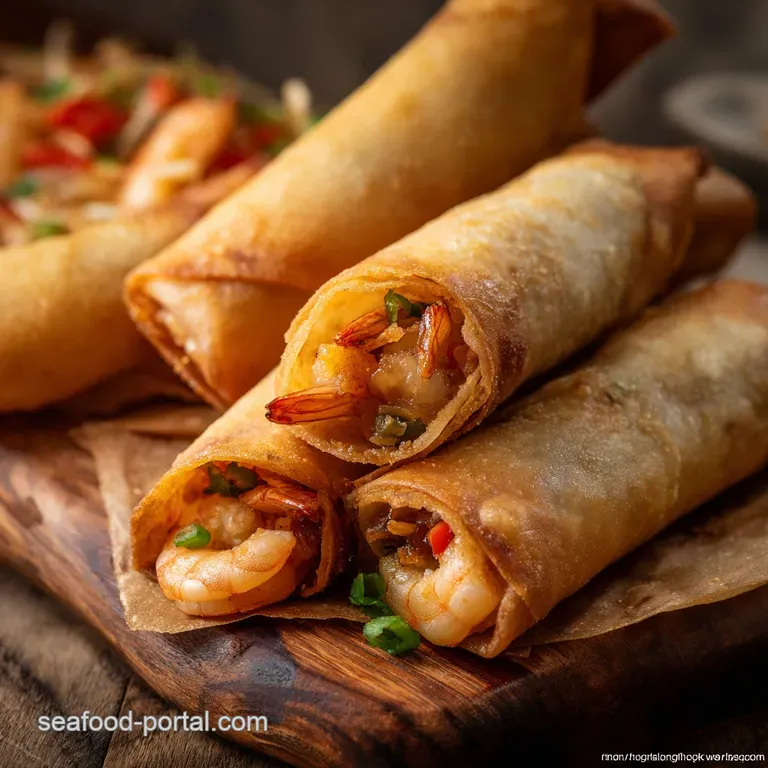
Preparing the Finely Minced Shrimp and Pork Filling
- Mince & Combine: Take your prepped, dry shrimp and pork and mince them extremely finely, almost to a paste. Combine this with the finely minced onion, grated carrot, and garlic in a large bowl.
- Seasoning: Add the soy sauce, sesame oil, and black pepper. Mix thoroughly using your hands until the mixture is uniform and feels slightly sticky. This stickiness helps the filling stay together inside the wrapper.
- Crucial Chill: Cover the mixture and chill in the refrigerator for at least 30 minutes. Seriously, do not skip the chill time ; it stiffens the filling and makes rolling much faster.
The Expert Technique for Rolling Tight Lumpia Parcels
- Prep Station: Lay the thawed lumpia wrappers out, keeping unused ones covered with a lightly damp towel (they dry out fast!). Beat your egg in a small dish for the sealant.
- Position & Scoop: Place one wrapper like a diamond, with a point facing you. Scoop about 1 tablespoon of filling onto the wrapper, about 1 inch from the corner closest to you, forming a tight little log shape.
- Tuck and Fold: Pull the bottom corner up and tightly tuck it over the filling. Next, fold the left and right corners inward toward the center, creating a neat envelope shape.
- Roll and Seal: Roll the lumpia firmly away from you, keeping the tension tight, until only the top corner remains. Brush the top corner liberally with the egg wash, and finish the roll to seal the package completely. Repeat this process for all the filling.
Achieving the Ideal Frying Temperature for Uniform Golden Color
- Heat Oil: Pour 2 inches of neutral oil (canola or peanut are great) into a wok or heavy pot. Attach a candy thermometer and heat the oil slowly to a precise 350°F (175° C) .
- Batch Fry: Carefully place 6 to 8 lumpia into the hot oil, ensuring you don't crowd the pan, which would immediately drop the temperature. If you need a great recipe to use up the remaining oil, my Shrimp Stir Fry: Easy 20 Minute Zesty Ginger Garlic Recipe uses similar heat control principles.
- Cook Through: Fry for 4 to 6 minutes, turning often, until the lumpia are deep, uniform golden brown and perfectly crisp. Since the filling is finely minced, the moderate heat ensures the shrimp and pork are cooked safely without burning the thin wrapper.
- Drain Correctly: Use tongs to transfer the hot lumpia immediately to a wire cooling rack placed over a baking sheet. Never place them on paper towels ; paper towels trap steam, making the bottoms soggy.
Mixing the Zesty Classic Toyomansi Dipping Sauce
This dip is almost too easy. Simply whisk together the cane vinegar, soy sauce, calamansi or lime juice, minced garlic, and sliced chili. Taste and adjust! If you want it tangier, add more lime. If you want it saltier, add more soy. It should taste incredibly bright and slightly punchy.
Lumpia Troubleshooting: Chef’s Tips for Frying, Rolling, and Flavor
How to Prevent Your Lumpia from Exploding (Sealing Secrets)
Exploding lumpia is usually a pressure problem caused by too much moisture or a weak seal. Tip: Ensure you pat the shrimp and drain the grated carrot well before mixing the filling.
Most importantly, make sure your egg wash seal is applied liberally to the final corner and that the roll is firm, leaving no air pockets inside.
Why Your Filling Tastes Bland (Flavor Correction Techniques)
If your finished lumpia tastes flat, you probably didn't season the filling aggressively enough before rolling. Remember that the filling is being wrapped in an unseasoned, bland wrapper, so the interior flavor needs to be punchy .
Fix: Next time, increase the amount of soy sauce and pepper, or add a pinch of salt to the shrimp mixture before chilling.
Dealing with Uneven Browning and Oil Absorption
The oil temperature is the prime culprit here. If you are frying at 325°F (160°C) or below, the lumpia will soak up the oil and turn out greasy and soft. If the temperature fluctuates wildly, the browning will be patchy.
Solution: Use that deep fry thermometer and maintain the oil between 345°F and 355°F (175°C). Do not overcrowd the pot!
Prepping Ahead: Storing and Freezing Shrimp Lumpia
Safely Freezing Uncooked Lumpia Rolls for Later Frying
Lumpia freezes brilliantly, but you should freeze them uncooked . Place the wrapped lumpia rolls on a parchment lined baking sheet, ensuring they don't touch, and freeze solid (about 2 hours). Once frozen, transfer them to a freezer bag or airtight container.
They keep well for up to three months. To cook from frozen, do not thaw them! Fry them straight from the freezer at 325°F (160°C) for 6– 8 minutes until golden and cooked through.
Best Methods for Reheating Cooked Lumpia
If you have leftovers (a rare event!), reheating them properly is key to restoring the crunch. Forget the microwave it makes them sad and rubbery. Use an air fryer at 350°F (175°C) for 5- 7 minutes, or bake them on a rack in a 375°F (190°C) oven until piping hot and crispy again.
What to Serve with Crispy Shrimp Lumpia
Lumpia are fantastic party starters, but they pair beautifully with other classic dishes to make a full Filipino spread.
Perfect Filipino Side Dishes for Pairing
A simple bowl of steamed Jasmine rice is always perfect. For a more elaborate meal, try serving the lumpia alongside some noodles, perhaps a classic Pancit Canton . If you’re building a major shrimp feast, you could balance the fried texture with a creamy, comforting main like my recipe for Shrimp Stew: The Saffron Kissed Spanish Recipe with Chorizo and Cream . Or if you want another delicious, high protein appetizer, try my simple Shrimp Wontons Recipe: Get That Signature Restaurant Quality Snap .
Recipe FAQs
Why do my Lumpia turn soggy shortly after frying?
Sogginess is usually caused by oil that is not hot enough, allowing the wrapper to absorb too much fat, or insufficient draining. Ensure your frying oil is maintained consistently between 350°F and 375°F (175°C 190°C) and avoid overcrowding the pan, which drastically lowers the temperature.
Can I prepare and freeze the Lumpia ahead of time?
Lumpia freezes exceptionally well and is a perfect make-ahead snack. After rolling, lay the uncooked Lumpia in a single layer on a parchment lined baking sheet until they are solid, then transfer them to a freezer bag or airtight container for up to three months.
Always fry them directly from frozen; do not thaw beforehand, as the filling moisture will ruin the wrapper texture.
My Lumpia wrappers keep tearing or cracking when I try to fold them. What am I doing wrong?
Cracking or tearing often indicates that the wrappers are too cold or have dried out significantly. If using frozen wrappers, ensure they are properly thawed but still slightly cool; keep the stack covered with a damp (but not dripping wet) kitchen towel while you work to maintain optimal moisture and pliability.
Is it possible to bake or air-fry these instead of deep frying?
Yes, you can air-fry or bake them for a lighter result, though the texture will be slightly different than deep fried. Preheat your air fryer to 380°F (195°C) or your oven to 400°F (200°C); lightly brush the rolled Lumpia with oil and cook for 10 15 minutes until they are golden brown and crispy.
What are suitable substitutions for the pork in the filling?
You can easily substitute the ground pork with finely ground chicken or turkey for a lighter flavor, or use 100% shrimp if preferred. If omitting meat entirely, use a mixture of finely diced water chestnuts, shredded cabbage, and mushrooms to maintain the desired savory crunch and texture within the filling.
What type of wrapper should I use for authentic Lumpia?
For the authentic thin and airy crispness, always look for thin "spring roll wrappers" or wrappers specifically labeled "Lumpia wrappers" in the refrigerated section of Asian supermarkets.
Avoid thicker wrappers labeled "egg roll wrappers," as these will result in a chewier, heavier texture rather than the desired delicate crispness.
How fine should I mince the shrimp filling for the best texture?
A mixture of textures yields the most enjoyable result, so avoid processing the entire filling into a smooth paste. Ideally, mince about two-thirds of the shrimp very finely, then leave the remaining third roughly diced, giving you little pockets of tender shrimp when you bite into the finished Lumpia.
Crispy Golden Filipino Shrimp Lumpia
Ingredients:
Instructions:
Nutrition Facts:
| Calories | 320 kcal |
|---|---|
| Fat | 22 g |
| Fiber | 1 g |
