Fried Fish: Shatter-Crisp Pub Style
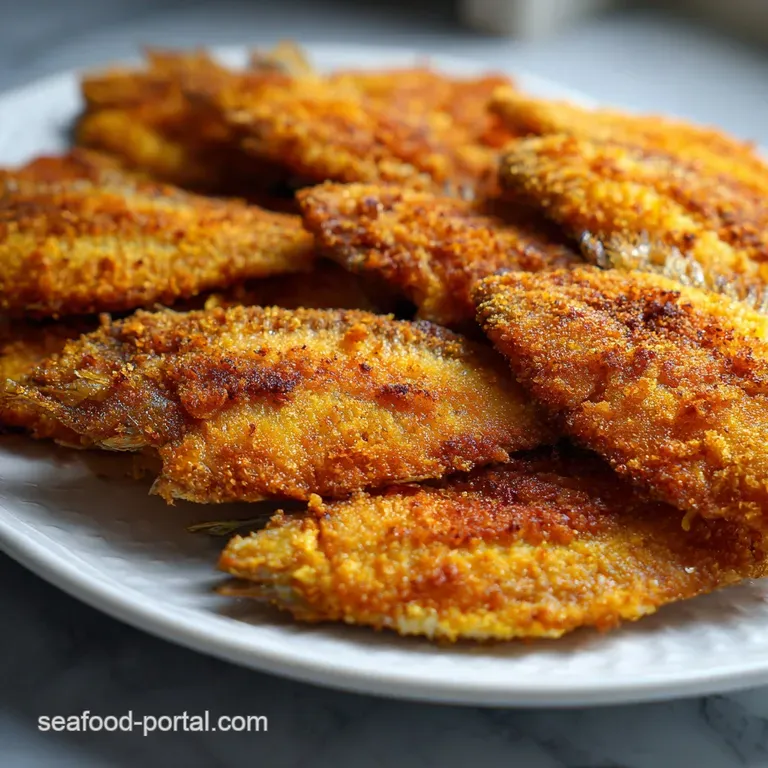
- Time: Active 15 minutes, Passive 10 minutes, Total 25 minutes
- Flavor/Texture Hook: Shatter crisp exterior with a velvety, flaky center
- Perfect for: Weeknight comfort or a quick fish taco night
- How to Make the Best Fried Fish
- The Physics of the Crunch
- Component Analysis of the Dredge
- Essential Tools for Golden Results
- The Alchemy of the Golden Dredge
- Step by Step Frying Guide
- Fixing Common Frying Fails
- Scaling for Any Crowd Size
- Exciting Variations to Explore
- Debunking Sizzling Kitchen Myths
- Storage and Zero Waste Tips
- Serving Suggestions for Your Meal
- Recipe FAQs
- 📝 Recipe Card
How to Make the Best Fried Fish
The sound of cold fish hitting a cast iron skillet filled with shimmering oil is one of those sounds that instantly makes my mouth water. I remember the first time I tried to fry cod at home it was a complete disaster. The coating slid off like a wet blanket, and the kitchen smelled like a grease trap for three days.
I was using too much oil and not enough heat, a classic mistake we've all made when we're just starting out.
But then I learned the secret of the cornstarch to flour ratio and the "butter finish." When you get it right, the aroma of smoked paprika and garlic hitting the heat is intoxicating.
It's not just about cooking; it's about that specific moment when the crust turns golden and the sizzle changes pitch, letting you know the moisture has evaporated and the crunch is locked in.
We're going to use 1.5 lbs white fish fillets for this, whether you pick up cod, haddock, or even tilapia. This isn't a heavy, leaden batter. It's a light, seasoned dredge that highlights the natural sweetness of the fish without weighing it down.
Trust me, once you hear that first bite shatter, you'll never go back to the frozen boxed stuff again.
The Physics of the Crunch
Starch Gelatinization: Cornstarch absorbs more moisture than flour, creating a rigid, "glass like" structure that prevents the coating from becoming soggy.
The Leidenfrost Effect: Maintaining high heat causes moisture to evaporate instantly upon contact, creating a steam barrier that prevents oil from soaking into the fish.
Maillard Reaction: The combination of flour proteins and high heat produces hundreds of flavor compounds and that signature golden brown color.
| Method | Cook Time | Texture | Best For |
|---|---|---|---|
| Classic Pan Fry | 8-10 mins | Very crispy, buttery | Fillets and sandwiches |
| Fast Deep Fry | 4-6 mins | Uniformly crunchy | Fish and chips |
| Air Fryer | 12-15 mins | Firm, less greasy | Healthy weeknight meals |
The pan fry method we're using today offers the best of both worlds it's faster than the air fryer but gives you much better flavor control than a deep fryer. By using a mix of oil and butter, we get the high smoke point we need for the sear and the rich, velvety finish that only butter can provide.
Component Analysis of the Dredge
| Ingredient | Science Role | Pro Secret |
|---|---|---|
| Cornstarch | Moisture Absorber | Use 1 part to 4 parts flour for a thinner, crispier shell. |
| Smoked Paprika | Color/Aroma | Provides a deep golden hue that makes the fish look professionally fried. |
| Kosher Salt | Protein Binding | Season the fish directly before dredging to help the flour stick better. |
The key to a successful fish fry is often found in the dry ingredients. While we're using 1 cup all purpose flour as our base, the 0.25 cup cornstarch is the real hero here. It creates a barrier that keeps the fish from getting oily. For more inspiration on different seafood techniques, you might enjoy looking at these Fish Recipes which use similar heat management principles.
Essential Tools for Golden Results
You don't need a fancy deep fryer to make high-quality Fried Fish at home. A heavy bottomed skillet, preferably cast iron or stainless steel, is your best friend because it holds heat steady even when you drop cold fish into it.
You'll also want a wire rack set over a baking sheet for the fish to rest on after cooking; sitting it on a flat plate or paper towel can actually trap steam and make the bottom soggy.
The Foundation: The Best Fish for Frying
When selecting your protein, look for 1.5 lbs white fish fillets that are firm and translucent. Cod and haddock are the gold standards because they flake beautifully, but tilapia is a great budget friendly option that takes seasoning very well. If you're looking for a more traditional Southern vibe, this Crunchy and Classic recipe is a fantastic alternative that uses cornmeal for extra grit and crunch.
For the Pan
You'll need a high smoke point oil like avocado or grapeseed oil. Avoid extra virgin olive oil for this, as it will burn and turn bitter before the fish is done. The 2 tbsp unsalted butter is added only at the very end this is an old chef's trick to get that nutty, rich aroma without the milk solids burning during the initial over high heat sear.
The Alchemy of the Golden Dredge
Here is exactly what you'll need to gather from your pantry to get started.
- 1.5 lbs white fish fillets (Cod, Haddock, Tilapia, or Flounder)
- 1 tsp kosher salt Why this? Larger grains season more evenly than table salt.
- 0.5 tsp black pepper
- 1 cup all purpose flour
- 0.25 cup cornstarch Why this? Essential for that specific "shatter" crunch.
- 1 tbsp garlic powder
- 1 tbsp smoked paprika
- 1 tsp onion powder
- 0.5 tsp cayenne pepper
- 0.5 cup high smoke point oil (Avocado or Canola)
- 2 tbsp unsalted butter
| Original Ingredient | Substitute | Why It Works |
|---|---|---|
| All purpose flour | Cup4Cup GF Flour | Provides a similar structure; gets very crispy. |
| Smoked Paprika | Chili Powder | Adds heat and color, though loses the smoky depth. |
| Avocado Oil | Grapeseed Oil | Both have high smoke points (above 400°F) for safe frying. |
I've found that if you're out of garlic powder, you shouldn't use fresh garlic in the dredge it burns instantly in the hot oil. Stick to the dried spices for the coating and save the fresh aromatics for a side sauce.
If you want to keep things super simple, even a basic salt and pepper dredge works, but the paprika really adds that visual "wow" factor.
step-by-step Frying Guide
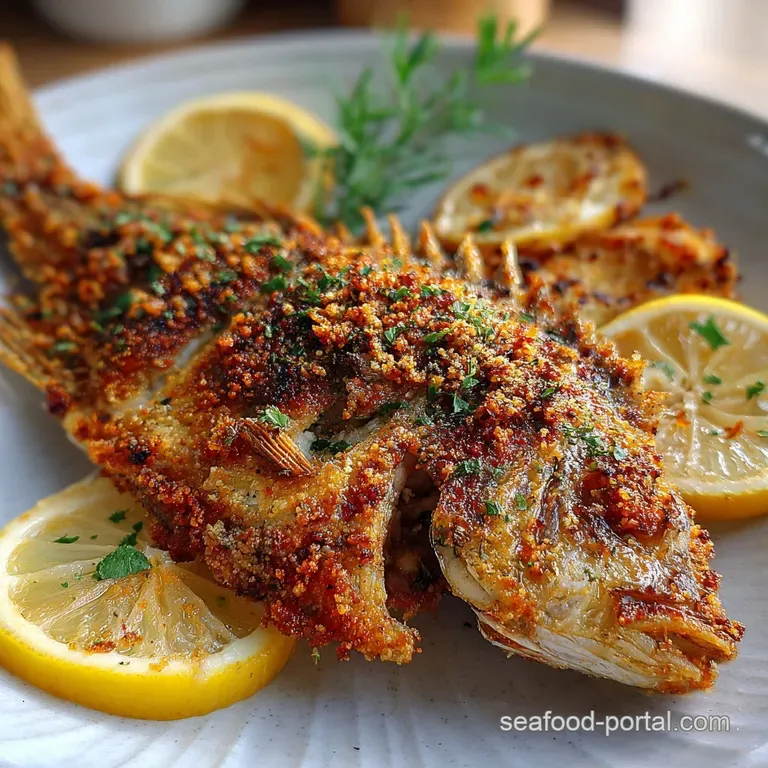
- Prep the fish. Pat the 1.5 lbs white fish fillets completely dry with paper towels. Note: Surface moisture is the enemy of a crispy crust.
- Season directly. Sprinkle 1 tsp kosher salt and 0.5 tsp black pepper over both sides of the fillets.
- Mix the dredge. In a shallow bowl, whisk together 1 cup all purpose flour, 0.25 cup cornstarch, and all the spices.
- Dredge the fillets. Press each fillet firmly into the flour mixture, shaking off any excess until lightly and evenly coated.
- Heat the pan. Pour 0.5 cup oil into your skillet and heat over medium high until the oil shimmers and swirls.
- The Sizzle Test. Drop a pinch of flour into the oil; if it sizzles immediately, it's ready.
- Fry the fish. Place fillets in the pan, working in batches to avoid crowding, and cook 3-4 minutes until the edges are deep golden brown.
- The Flip. Carefully flip the fish and cook for another 3-4 minutes until the coating is rigid and crisp.
- The Butter Finish. Drop the 2 tbsp unsalted butter into the pan during the last 60 seconds of cooking, spooning the foaming butter over the fish.
- Rest. Move the fish to a wire rack until the internal temperature reaches 145°F.
Chef's Tip: After dredging, let the fish sit on a plate for 5 minutes before frying. This allows the flour to hydrate slightly, which acts like a "glue" so the coating doesn't fall off in the pan.
Fixing Common Frying Fails
One of the most frustrating things is when your Fried Fish looks perfect in the pan but turns into a greasy mess the second it hits the plate. This usually happens because the oil temperature dropped too low or the fish wasn't dried properly before dredging.
Why is my coating falling off?
If the flour isn't sticking, it's usually because the fish was too wet. The salt draws out moisture, so if you season the fish and let it sit for 20 minutes before dredging, it will be slimy. Season and dredge immediately. Also, don't flip the fish too early!
Let that bottom crust form completely before you even think about moving it.
| Problem | Root Cause | Solution |
|---|---|---|
| Soggy Crust | Oil not hot enough | Wait for the oil to shimmer before adding fish. |
| Burned Spices | Heat too high | Reduce heat to medium once the fish is in the pan. |
| Coating peeling | Fish was wet | Pat dry with multiple paper towels until bone dry. |
Common Mistakes Checklist
- ✓ Never crowd the pan; leave at least an inch between fillets to allow steam to escape.
- ✓ Use a thermometer to keep oil between 350°F and 375°F.
- ✓ Don't use a lid; covering the pan traps steam and kills the crunch.
- ✓ Always use a wire rack for cooling instead of paper towels.
- ✓ Add the butter only at the end to prevent the milk solids from scorching.
Scaling for Any Crowd Size
If you're hosting a big backyard fry up, you can easily double or triple this recipe. Just remember that the more fish you add, the faster the oil temperature will drop.
When scaling up, don't just triple the salt and cayenne; start with 1.5x the amount and taste the dry dredge first. You can always add more, but you can't take it out.
If you're scaling down for a solo dinner, you can use a smaller 8 inch skillet and cut the oil and flour in half, but keep the spice ratios the same to ensure every bite is still flavorful.
Exciting Variations to Explore
For a Healthier air-fried Twist
If you want the crunch without the oil, you can use this same dredge but spray the fillets heavily with cooking oil once they're in the air fryer basket. Cook at 400°F for about 10-12 minutes, flipping halfway through.
It's a great easy fried fish recipe for a Tuesday night when you don't want to deal with a pan of hot oil.
The "Baja" Taco Variation
Cut your white fish into 2 inch strips before dredging. These smaller "fingers" fry up in just 2 minutes per side and are the best fish for fried fish tacos. Serve them in charred corn tortillas with a slaw made of lime, cilantro, and Greek yogurt.
The Ultimate Fish Sandwich
Use a thicker cut of cod and serve it on a toasted brioche bun with a thick layer of tartar sauce and a single leaf of butter lettuce. The contrast between the soft bun and the shattering crust of the fish for fried sandwich recipe is honestly elite.
Debunking Sizzling Kitchen Myths
Myth: Searing "seals in" the juices. Actually, searing is all about the Maillard reaction and flavor. Moisture is lost regardless of how hard you sear the outside. The key to juicy fish is pulling it off the heat exactly when it hits 145°F, not the sear itself.
Myth: You need a gallon of oil to fry fish. Shallow frying is often better for home cooks. You only need enough oil to come halfway up the side of the fillet (about 0.5 cup). This allows steam to escape from the top side, preventing the coating from getting soggy while the bottom crisps up.
Storage and Zero Waste Tips
Storage: Leftover Fried Fish will stay safe in the fridge for up to 2 days, but the crust will soften. To revive it, never use a microwave. Instead, pop it into a 400°F oven or air fryer for 4-5 minutes until the oil starts to sizzle again.
It won't be quite as "shatter crisp" as day one, but it's still excellent.
Zero Waste: If you have broken bits of fried fish left over, don't throw them away! They make an incredible "fish cake" breakfast. Flake the cold fish, mix it with a little leftover mashed potato and an egg, and pan fry the patties until golden.
Any leftover seasoned flour can't be saved (because it's touched raw fish), but you can use the leftover frying oil for your next batch of sautéed potatoes once you've strained out the burnt bits.
Serving Suggestions for Your Meal
When you're deciding what to serve with your golden fillets, think about brightness and acidity. A classic coleslaw with a vinegar heavy dressing cuts through the richness of the fried coating perfectly. I also love serving this with a side of smashed peas or even a simple green salad with a lemon vinaigrette.
Don't forget the dipping sauces! While tartar sauce is the traditional choice, a spicy remoulade or even a simple squeeze of charred lemon can make the flavors of the smoked paprika and cayenne pop.
If you're looking for a more "boneless fish for frying" experience, ensure you've checked your fillets for any stray pin bones before you start the dredging process there's nothing that ruins a meal faster than a surprise bone! Enjoy your homemade fish fry; it's a skill that will serve you well for years to come.
Recipe FAQs
Which fish are best for frying?
Cod and haddock are top choices. They have a firm texture that holds up well to frying and flake beautifully. Tilapia is also a great budget friendly option that absorbs seasonings well.
What kind of fish is used for fish fry?
White fish fillets are most common. This includes cod, haddock, tilapia, and flounder. They are favored for their mild flavor and flaky texture that becomes tender when cooked.
What are the 10 best fish to eat?
This varies by preference, but commonly cited include salmon, tuna, cod, mackerel, and sardines. For frying, lean white fish like cod, haddock, and tilapia are excellent choices due to their texture and mild flavor that complements a crispy coating.
What fish tastes better fried?
Lean white fish generally taste best fried. Cod and haddock are excellent because their flaky texture and mild flavor are enhanced by a crispy coating, making them ideal for Fish and Chips: Ultimate Crispy Homemade Recipe.
Can I use frozen fish for frying?
It's best to use fresh fish if possible. Frozen fish can release more moisture, leading to a less crispy coating. If you must use frozen, thaw it completely and pat it extremely dry before dredging.
How do I get a super crispy coating?
Use a dredge with cornstarch and ensure your oil is hot. A mixture of flour and cornstarch creates a shatter crisp exterior, and maintaining oil temperatures between 350-375°F is crucial for that perfect crunch, similar to the technique in our The Crispiest Lightest Homemade Tasty Fish Cakes Recipe.
What oil is best for frying fish?
High smoke point oils like avocado, canola, or grapeseed oil are ideal. These oils can withstand the high temperatures needed for frying without burning, which prevents an acrid flavor from developing in your fried fish.
Crispy Fried Fish
Ingredients:
Instructions:
Nutrition Facts:
| Calories | 318 kcal |
|---|---|
| Protein | 31.8g |
| Fat | 12.4g |
| Carbs | 19.5g |
| Fiber | 1.2g |
| Sugar | 0.4g |
| Sodium | 620mg |
