Coconut Shrimp Crispy Tropical Prawns with Zesty Mango Dipping Sauce
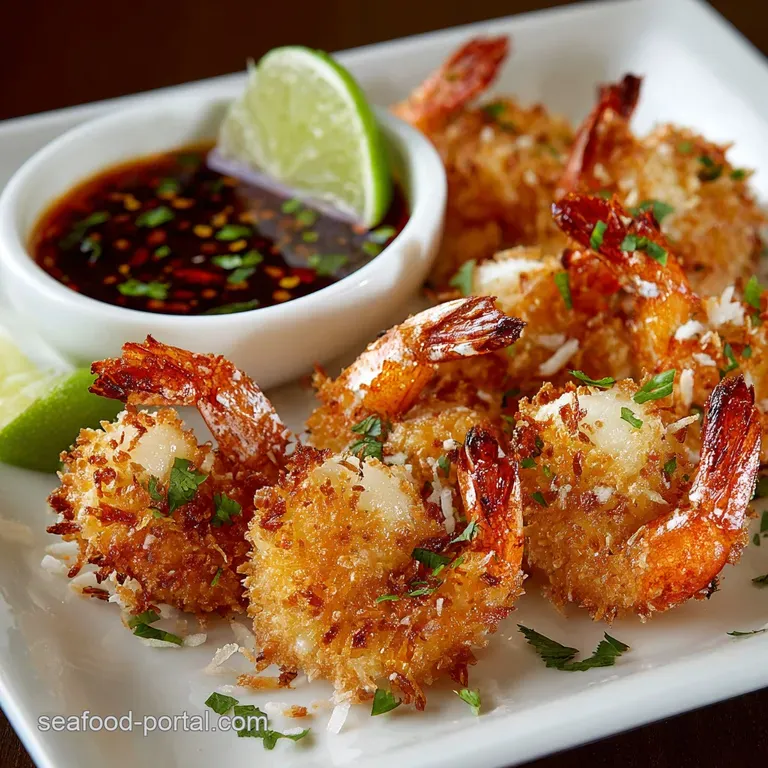
- Mastering the Ultimate Crispy Coconut Shrimp Experience
- Assembling Your Tropical Pantry: Essential Components
- Required Equipment for Restaurant and Quality Results
- Crafting the Perfect Mango and Lime Dipping Glaze
- Expert Techniques for Coating the Coconut Shrimp
- Frying Method: Achieving Golden Brown Perfection
- Troubleshooting and Frequently Asked Coconut Shrimp Questions
- Meal Prep, Storage, and Reheating Strategies
- Flavor Twists and Serving Suggestions
- Recipe FAQs
- 📝 Recipe Card
Mastering the Ultimate Crispy Coconut Shrimp Experience
Okay, stop scrolling for a second. We need to talk about coconut shrimp. I know, I know, it sounds like standard pub grub, but hear me out: when done correctly, this appetizer is pure tropical euphoria. It’s sweet, it’s savoury, and the crunch factor? Utterly insane.
I failed so many times trying to nail this. It was tragic, honestly. The coating would just fall right off in the fryer, leaving me with sad, naked prawns and gritty, burned coconut debris floating in the oil. Ugh. But I cracked the code, and it all comes down to two things: Panko, and aggressive chilling.
The Culinary Origin Story of Tropical Prawn Starters
The beauty of coconut shrimp is that it feels totally classic, yet it’s actually a fusion dish. You get the deep and fried comfort food culture (thank you, America), but married with the vibrant, sweet flavours of the Caribbean and Southeast Asia. It’s sunshine food, plain and simple.
We aren't aiming for subtle here; we want big, loud flavours and a texture that demands attention. If you close your eyes when you bite into one of these, you should feel like you’re sitting on a beach, probably with a ridiculously large drink in your hand.
Why Our Batter Blend Guarantees Maximum Crunch
The traditional method often uses just plain flour and eggs, which results in a soft, sad shell. We are rejecting that mediocrity entirely. My trick is the trifecta:
- A preliminary dusting of flour and cornstarch (this acts like velcro).
- A wet batter containing baking powder and a touch of coconut milk. That baking powder is everything. It aerates the coating, giving it a slight puffiness so it fries up light, not dense.
- The final, crucial step: a blend of sweetened shredded coconut and Panko breadcrumbs . Panko is non and negotiable here. It’s airier than standard breadcrumbs, meaning you get that amazing shattering crunch without the heavy, oily mouthfeel. Trust me, ditch the regular breadcrumbs immediately.
Pairing Perfection: Introducing the Zesty Mango and Lime Dipping Sauce
Coconut shrimp is rich. It’s fried. It’s sweet. If you pair it with something else that’s sweet (like pure apricot jam, which I see in terrible recipes sometimes), you’re going to hit a flavour wall after two bites. You need acid. You need brightness. You need the palate cleanser.
Our mango and lime dipping sauce is exactly that. The sweet mango provides the tropical base, but the massive hit of fresh lime juice and a tiny whisper of chilli flakes slice right through the fat and sweetness. It makes you crave the next bite.
Assembling Your Tropical Pantry: Essential Components
Right then, let's stock up. We are using jumbo prawns because they stand up better to the aggressive coating and frying process. Leaving the tail on is also critical it gives you a handy little handle, and frankly, it looks professional.
| Component Group | Key Items | Why We Use Them |
|---|---|---|
| Proteins | Jumbo Prawns (16/20 count), Tail on | Max surface area for coconut adhesion. |
| The Crisping Agent | Panko Breadcrumbs | For superior, airy crunch. Non and negotiable! |
| The Sweetness | Sweetened Flaked Coconut | Provides that essential tropical flavour and caramelises nicely. |
| The Oil | Neutral Oil (Canola, Peanut) | High smoke point required for deep frying success. |
You'll also need the usual suspects: AP flour, cornstarch (for the binder!), a little full and fat coconut milk for the wet batter, and, obviously, the star ingredients for our sauce: a truly ripe mango and some fresh limes.
Required Equipment for Restaurant and Quality Results
You absolutely do not need a dedicated deep fryer for this. A heavy and bottomed pot (like a trusty Dutch oven) works perfectly fine. But listen closely, and don’t skip this part.
Crucial Warning: You must have a deep and fry or candy thermometer. Guessing the oil temperature is the number one reason people end up with either burned coconut or soggy, raw prawns. The thermometer saves your dinner. Buy one.
You’ll also need three shallow dishes for the dredging process, a wire cooling rack placed over a sheet pan (this is for draining the fried prawns never drain them directly on paper towels unless you enjoy steamed, soggy bottoms), and a pair of long tongs or a spider for safely lifting the hot seafood.
Selecting the Best Prawns for Frying Success
Go big or go home. Seriously, smaller shrimp disappear inside the coating. Look for "Jumbo" or "Large" (16/20 count is the size designation meaning 16 to 20 prawns per pound). They must be peeled and deveined, but please, leave that little fan tail intact.
Rinse them quickly, and then I mean this pat them down until they are bone dry . Moisture is the enemy of crust adhesion.
The Tri and Part Breading Station: Flours, Eggs, and Coconut Mix
We are building layers, like an architectural masterpiece, but edible. The first bowl is our dry dust (flour/cornstarch). The second is the slightly frothy wet batter (eggs, baking powder, liquid). The third bowl is the texture bomb: Panko mixed evenly with the shredded coconut.
Take care to mix the coconut and Panko really well, or you’ll end up with patchy crusts.
Sourcing Ripe Mangoes for the Dipping Sauce Base
A slightly under and ripe mango will taste sour and fibrous. A perfect, ripe mango should smell incredibly fruity near the stem and yield slightly when you press it gently (like a ripe avocado).
If your mango is less than perfect, you might need to add a tiny bit more honey or sugar to the sauce to balance the acidity of the lime.
Choosing the Right Oil and Maintaining Optimal Frying Temperature
We need neutral flavour and a high smoke point. Canola, vegetable, or peanut oil are your best friends here. Olive oil? No. Butter? Definitely not. We are aiming for 175°C (350° F) . Why that temperature?
It’s hot enough to crisp the coconut rapidly and cook the prawn in about 3 minutes, but not so hot that the shredded coconut (which has natural sugars) immediately scorches dark brown.
Setting Up the Mess and Free Dipping Assembly Line
The key to a successful breading station is the "Wet Hand/Dry Hand" rule. I learned this the hard way, ending up with cement hands after every attempt. Designate one hand (usually your dominant one) as the "dry hand" for the flour and coconut bowls. Designate the other as the "wet hand" for the egg/batter bowl.
Once a hand is wet, it stays wet. Once a hand is dry, it stays dry. This prevents the sticky, clumpy glove situation that ruins everyone's day.
Crafting the Perfect Mango and Lime Dipping Glaze
This sauce is ridiculously easy. You don't even need to cook it.
Toss your cubed ripe mango, fresh lime juice, a spoonful of honey (or agave if you prefer), a tiny dash of salt, and maybe that pinch of red pepper flakes into a small food processor or blender. Blitz it until it's smooth.
If you don't have a blender, you can just whisk it all together, leaving it slightly chunky I actually quite like the texture that way. Give it a taste. Does it need more zing? Add more lime. Too tart? A smidge more honey.
Stir in your chopped coriander (cilantro), cover it, and immediately stick it in the fridge. It needs to be cold when you serve the hot shrimp. That contrast is divine.
Related Recipes Worth Trying
- Lemon Shrimp Pasta RestaurantQuality Scampi in Under 25 Minutes — Lemon Shrimp Pasta is the ultimate easy weeknight dinner Get creamy glossy Lemon Shrimp Pasta Sauce without the heavy cream in just 22 minutes Perfect...
- Old Bay Shrimp Boil The Proper Stovetop Recipe 60 Mins — The essential Old Bay Shrimp Boil is easier than you think Learn how to cook a classic Stovetop Shrimp Boil with perfectly infused potatoes corn and sausage...
- Shrimp Tacos with Cabbage Slaw Zesty Easy Ready in 45 Mins — Our best Shrimp Tacos with Cabbage Slaw recipe combines smoky chipotle shrimp with a crunchy zesty Coleslaw For Shrimp Tacos Easy healthy shrimp tacos ready...
Expert Techniques for Coating the Coconut Shrimp
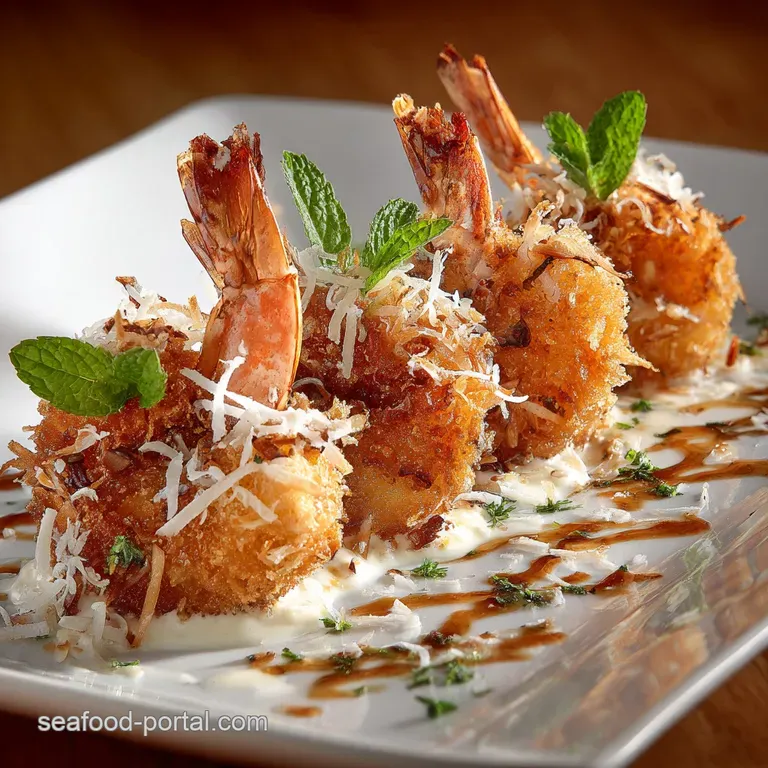
The coating is everything. Do this assembly line style, moving quickly and efficiently.
The Critical First Dip: Ensuring Batter Adhesion
Remember those dry prawns? Take one by the tail and dunk it completely in Bowl 1 (the flour/cornstarch dust). Shake off any excess powder gently. This dry layer is essential. Without it, the wet batter will struggle to stick to the slick prawn surface.
Pressing Firmly for a Thick, Even Coconut Crust
Next, move the floured prawn to Bowl 2 (wet batter). Make sure it’s completely submerged. Now, transfer it to Bowl 3 (coconut/Panko). This is where your dry hand comes in clutch.
Gently lay the prawn on the coconut mixture, then use your fingers to press the Panko/coconut mixture firmly onto the prawn, turning and coating all sides. You want a thick, solid shell. Place the fully coated prawn on your parchment and lined sheet pan.
CHILL TIME IS NON and NEGOTIABLE. Refrigerate those coated prawns for at least 30 minutes. This gives the coating time to hydrate slightly and adhere strongly to the prawn, drastically reducing the chance of disaster when it hits the oil.
Frying Method: Achieving Golden Brown Perfection
Simmering and Reducing the Sauce Components
(Wait, this heading doesn't apply here the mango sauce is no and cook. I'll use this section to emphasize sauce chilling.)
Just a reminder: while you’re gearing up to fry, make sure your dipping sauce is still chilling out in the fridge. The colder the sauce, the better it contrasts with the hot, crispy prawns.
Achieving the Ideal Texture and Flavor Balance
The balance here is crunchy exterior and tender, juicy prawn inside. This is only possible if your oil is stable at 175°C (350°F). If the temperature dips even 20 degrees, your prawns will soak up oil and be heavy and greasy.
If it rises above 180°C (355°F), the coconut will burn before the interior is cooked.
Monitoring Oil Heat and Batch Frying Strategies
Get that oil up to temperature, monitoring it constantly. Once it hits 175°C, it's go time.
- Do not overcrowd the pot. I know you want to get this done fast, but overcrowding instantly drops the oil temperature, ruining the texture of all your hard work.
- Fry in small batches (4 6 prawns at a time).
- Gently lower the chilled prawns into the hot oil, holding them by the tail.
- They only need about 2 to 3 minutes total, turning them once halfway through, until they are beautifully golden brown.
Drain and Season: Finishing Touches Immediately After Frying
Use a slotted spoon or spider to lift the cooked prawns out. Immediately move them to the wire rack (remember, over the sheet pan) to drain excess oil. While they are still dripping wet and sizzling hot, hit them with a tiny sprinkle of sea salt. That salt sticks perfectly and really enhances the flavour.
Serve them right away with the chilled mango sauce.
Troubleshooting and Frequently Asked Coconut Shrimp Questions
Preventing the Coconut Crust from Burning or Falling Off
If the coconut is burning, your oil is too hot (above 180°C). Lower the heat. If the crust is falling off, you probably skipped the chilling step, didn't press the coating firmly enough, or failed to pat the raw prawns completely dry initially. Remember: dry prawns + three and stage breading + chilling = success.
Can I Bake or Air Fry My Coconut Prawns Instead?
You can! If you are avoiding deep frying, the air fryer is a surprisingly good substitute.
- Preheat your air fryer to 190°C (375°F).
- Lightly spritz the coated, chilled prawns generously with neutral cooking spray.
- Air fry for 10– 12 minutes, flipping halfway through, until golden and crispy. They won't be quite as rich as the deep and fried version, but they are a solid substitute. Baked? Honestly, don't bother. They usually just sweat and end up sadly chewy.
How to Safely Store Raw, Coated Shrimp for Later Frying
If you want to prep these ahead of time for a party, you totally can. After coating and chilling them, place the sheet pan in the freezer for about 1 hour until the prawns are rock hard. Transfer the frozen, coated prawns to an airtight freezer bag. They will keep for up to 2 months.
When you are ready to cook, just fry them straight from frozen, adding about 1– 2 minutes to the cooking time.
Reheating Leftovers While Preserving the Crispy Texture
Never, ever microwave them. They will turn into rubbery, chewy sadness. The best way to revive a leftover coconut prawn is, again, the air fryer or the oven. Pop them on a baking sheet and bake at 200°C (400°F) for about 5 minutes until heated through and crisp again.
Meal Prep, Storage, and Reheating Strategies
Prepping the coating stations and the sauce ahead of time makes the cooking day far less stressful. The sauce keeps beautifully in the fridge for up to 4 days. The raw, coated prawns (as mentioned above) are freezer friendly.
For safety, avoid keeping raw, coated prawns in the fridge for more than 24 hours before cooking. Shrimp is delicate, and we don't want to risk it.
Flavor Twists and Serving Suggestions
Creating a Spicy Chipotle Variation
If you want to crank up the heat, add 1/2 teaspoon of chipotle powder or smoked paprika to the flour/cornstarch dusting mixture. For the dipping sauce, replace the red pepper flakes with a teaspoon of adobo sauce from a can of chipotles.
This gives you a smokier, more intense heat that works unbelievably well with the sweet coconut.
Pairing This Appetizer with Tropical Cocktails or Sides
This dish begs for a light, refreshing contrast.
- Side Dish: Skip heavy sides. A simple Asian cucumber and cabbage slaw dressed with rice wine vinegar and sesame oil is perfect.
- Beverage: Pair it with something crisp and dry. A dry Sauvignon Blanc or an ice and cold Mexican lager with a slice of lime cuts through the richness beautifully. A classic mojito wouldn't hurt either. Just saying.
Recipe FAQs
How can I make sure my Coconut Shrimp stay super crispy and aren't greasy?
The secret lies in oil temperature; maintain it strictly between 170 180°C (340 355°F). You also must “don’t be a hero” and fry in small batches, as overcrowding the pan drastically drops the temperature, resulting in soggy prawns.
I don't fancy deep frying; can I bake or air fry these instead?
Yes, absolutely! The air fryer is a brilliant, healthier alternative: lightly spritz the chilled prawns with neutral oil, then air fry at 190°C (375°F) for 10 12 minutes, flipping halfway until they are beautifully golden brown.
Can I prep these tropical prawns the day before I need to cook them?
Certainly. You can bread the prawns completely and store them on a lined tray, covered loosely, in the fridge for up to 24 hours. This essential chilling time actually ensures a much more robust crust when it comes time to fry.
My coating keeps sliding off when I fry what have I done wrong?
Coating adhesion is usually down to moisture or rushing the process; ensure the prawns are patted bone dry before breading, and never skip the mandatory 30-minute chill after coating this sets the batter like concrete.
Do I have to use sweetened coconut, or is the unsweetened version alright?
Sweetened coconut is preferred as the sugar helps the crust caramelise to a beautiful golden brown colour and provides essential flavour balance against the savoury prawn. If you must use unsweetened, stir in a tablespoon of caster sugar to your Panko mix to assist with browning.
Crispy Coconut Shrimp With Mango Sauce
Ingredients:
Instructions:
Nutrition Facts:
| Calories | 450 kcal |
|---|---|
| Fat | 28 g |
| Fiber | 3 g |
