Southern Fried Catfish: Getting That Ultimate Crunchy Cornmeal Coating
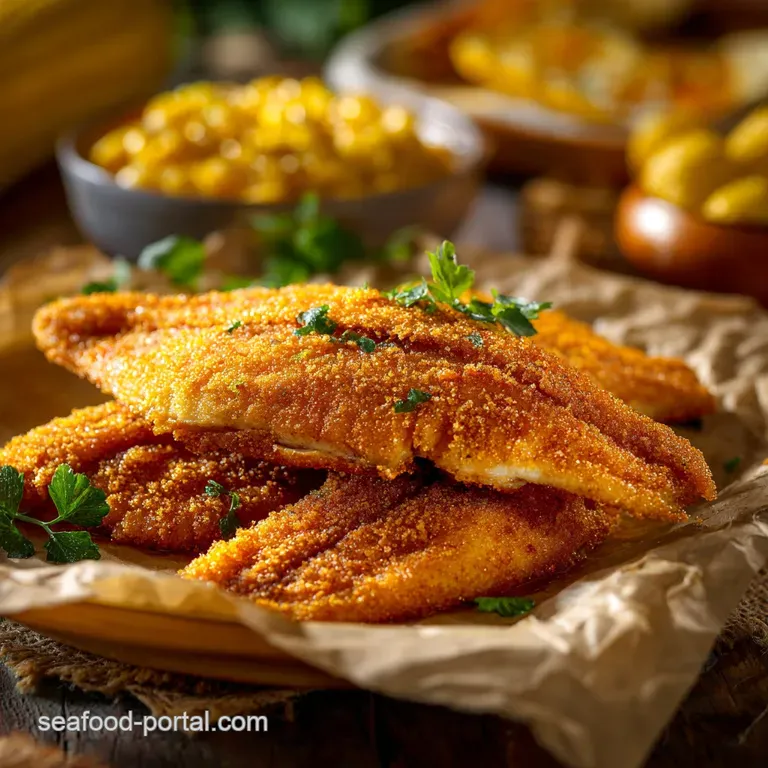
- The Ultimate Crispy Southern Fried Catfish: Buttermilk & Cornmeal Perfection
- Hooking the Reader: Defining Authentic Southern Fried Catfish
- The Science of Crunch: Why Buttermilk and Cornmeal Are Non-Negotiable
- Essential Ingredients for the Perfect Catfish Dredge
- Prep Work and Mise en Place: Getting Started Right
- Step-by-Step Guide to Frying Catfish to Golden Perfection
- Mastering the Fry: Chef's Secrets for the Best Southern Fried Catfish
- Complete the Plate: Traditional Southern Fried Catfish Serving Suggestions
- Storing and Reheating Southern Fried Catfish Safely
- Recipe FAQs
- 📝 Recipe Card
The Ultimate Crispy Southern Fried Catfish: Buttermilk & Cornmeal Perfection
Hooking the Reader: Defining Authentic Southern Fried Catfish
When that deep, savory steam rises from the pot a perfect mix of seasoned cornmeal, paprika, and hot oil you know dinner is going to be epic. We are talking about genuine, intensely crunchy Southern Fried Catfish, a dish that instantly transports you back to a warm Southern afternoon.
The satisfying shatter you hear when you sink your fork into that golden crust is proof that this method is the only way to go.
This isn't some complicated, fussy recipe designed for a restaurant kitchen; it is classic, budget friendly comfort food, often ready surprisingly fast if you plan your soak ahead of time.
Catfish is one of the most forgiving and affordable fish varieties, making it perfect for feeding a crowd without worrying about wasting expensive ingredients. It’s the ultimate Friday night lifesaver.
I’ve spent years tweaking my technique, abandoning bland flour only coatings and discovering why the buttermilk soak is truly non-negotiable for texture and flavor. This guide strips away all the unnecessary steps and gives you the exact secrets from oil temperature control to the magic of fine cornmeal that deliver that incredibly flaky interior and intensely crisp exterior every time.
The Science of Crunch: Why Buttermilk and Cornmeal Are Non-Negotiable
If you try to shortcut the process, your fried catfish will likely end up drab, oily, or worse, both. The reason this recipe works so flawlessly is that we utilize two specific ingredients, buttermilk and cornmeal, to create a perfect two-part texture system. It's truly a brilliant combination.
A History of Catfish in Southern Cooking
Catfish has been a staple in the American South for centuries, traditionally caught wild in rivers and ponds and then coated in simple flour or cornmeal before frying. It was economical, plentiful, and packed with flavor, making it a cornerstone of regional cuisine.
Today, we mostly use farm raised fillets, which are reliably cleaner and milder, but the spirit of that hearty tradition remains the same.
The Flavor Profile: What to Expect from Farm Raised Fillets
The fillets we use today tend to be sweet and very mild, making them a fantastic blank canvas for seasoning. You shouldn't worry about the "muddy" taste often associated with wild caught fish; quality farm raised catfish are clean, firm, and flaky.
The intense seasonings in our dredge ensure that the fish tastes robustly spiced, not just oily or bready.
Choosing the Right Cut: Fillets vs. Steaks
For frying, I almost always stick to the thinner, uniform fillets; they cook quickly and evenly without the risk of an uncooked center. If you are using thicker steaks, you’ll need to increase your frying time and potentially drop your oil temperature slightly to ensure they cook through before the crust burns.
Uniformity is key to stress free frying.
The Buttermilk Tenderizing Advantage
The genius of buttermilk is twofold: flavor and adhesion. The mild acidity in the buttermilk naturally tenderizes the proteins in the catfish, guaranteeing a delicate, flaky texture inside.
More importantly, the thick viscosity of the buttermilk cling to the fish, acting like a powerful glue for our heavy cornmeal coating.
Achieving the Signature Cornmeal Crust
A classic Southern Fried Catfish recipe demands cornmeal; flour alone just won't give you that aggressive, satisfying crunch. You must use fine yellow cornmeal , not coarse polenta or corn grit.
The fine grind creates a denser, tighter coating that fries up super crispy without becoming distractingly grainy.
The Critical Role of Proper Oil Temperature
This is where 90% of home cooks mess up. If your oil is too cool (below 325°F), the coating will soak up the grease like a sponge, leaving your fish soggy and heavy. If it’s too hot (over 375°F), the crust burns immediately, and the fish stays raw inside.
You absolutely need a thermometer to keep the oil steady at 350°F (175° C).
Essential Ingredients for the Perfect Catfish Dredge
We aren't just frying catfish; we are building layers of flavor with a robust blend of Southern spices. You need to season the dredge mixture aggressively because some flavor is always lost to the hot oil.
| Ingredient | Why We Use It | Substitution Tip |
|---|---|---|
| Buttermilk | Acid for tenderness and adhesion. | Use milk + 1 Tbsp vinegar/lemon juice (let stand 5 mins). |
| Fine Cornmeal | Necessary for the signature crunch. | Use extra flour mixed with Panko breadcrumbs for texture. |
| Peanut Oil | High smoke point, neutral flavor. | Canola or vegetable shortening are great alternatives. |
| Creole Seasoning | Essential Southern flavor complexity. | Use a mix of paprika, garlic, onion powder, and extra salt. |
Prep Work and Mise en Place: Getting Started Right
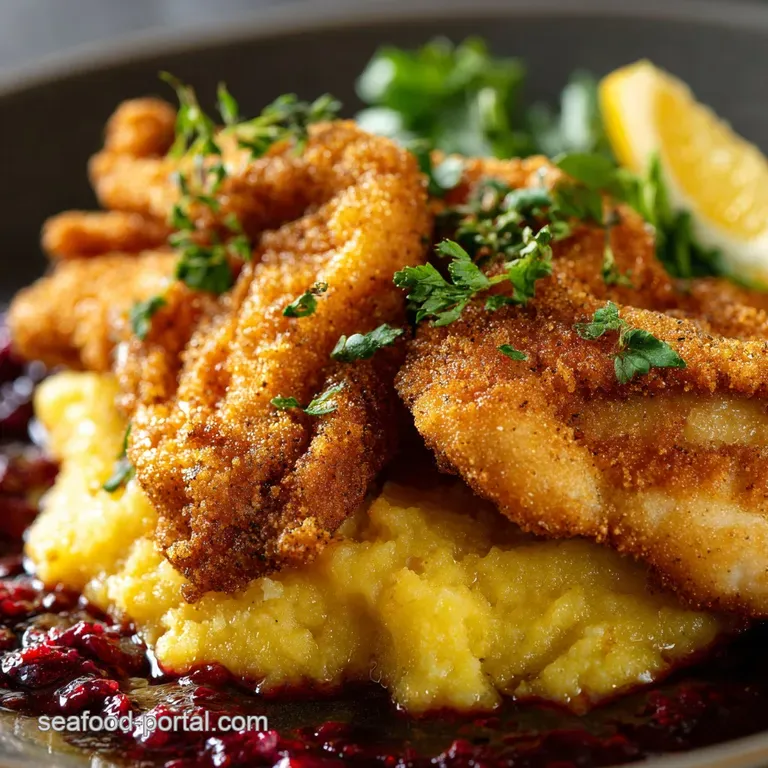
Frying requires swift action, so having everything ready before you turn on the heat is the key to success. This is your insurance policy against stress.
Sourcing the Freshest Catfish
If you can, try to find fresh, farm raised fillets, though frozen and properly thawed fish works perfectly well, too. Always pat your fillets bone dry before they hit the buttermilk; this is crucial for preventing a slimy coating that won't absorb the marinade.
Key Spices for Southern Seasoning Blends
Don’t skimp on the spices, especially garlic powder, onion powder, and smoked paprika. The paprika adds a rich color and a depth of savory flavor that really differentiates this from basic fried white fish, like Fried Cod: Ultra Crispy pan-fried Fillets Ready in Under 30 Mins .
We add cayenne for a subtle warmth that hits at the back of the throat.
Comparing Flour vs. Cornmeal Ratios for Texture
For the very best Southern Fried Catfish texture, I use a 50/50 mix of all-purpose flour and fine cornmeal. The flour helps the coating stick tightly to the fish, while the cornmeal provides the bulk and the aggressive crunch we are chasing.
Buttermilk Alternatives for the Soak
What happens if you realize you are out of buttermilk right as you start cooking? Don't panic. Simply add one tablespoon of white vinegar or lemon juice to a cup of regular milk, give it a stir, and let it sit for about five minutes until it looks slightly curdled. It works just as well for the adhesion process.
Prepping Fillets: Sizing and Drying Techniques
If your fillets are very thick, slice them in half horizontally or cut them into "nuggets" to ensure rapid, even cooking. After rinsing the fish, use paper towels to dry every surface thoroughly, then they are ready for their long, luxurious soak in the buttermilk mixture.
Setting Up the Dual Dredging Stations
You need two wide, shallow dishes: one for the buttermilk soak and one for the cornmeal dredge. Use one hand (the "wet hand") for moving the fish from the liquid, and the other hand (the "dry hand") for pressing the dredge onto the fish.
This simple trick keeps your dry mixture clean and avoids building up thick, sticky "clumps."
step-by-step Guide to Frying Catfish to Golden Perfection
Follow the process precisely for the crispiest Buttermilk Fried Catfish crust. Remember to work in small batches and monitor that oil temperature constantly.
Mastering the Fry: Chef's Secrets for the Best Southern Fried Catfish
I made so many mistakes learning this process. Once, I used a pot that was too small, and the oil temperature plummeted every time I added fish, resulting in the oiliest catfish known to man. Learn from my trial and error!
Phase 1: The Ideal Buttermilk Soak Duration
You really need a minimum of three hours for the buttermilk to work its magic, but if you can leave the catfish soaking overnight (up to 8 hours), you will notice a huge difference in the tenderness of the meat. A longer soak ensures better seasoning penetration, too.
Phase 2: Executing the Double Dredge Technique
The fish comes out of the buttermilk, dripping slightly, and goes directly into the cornmeal mix. Press that dredge firmly onto every surface, then put the coated fish on a wire rack to rest for 5 to 10 minutes. This resting phase, where the coating sets, is your guarantee against crust failure.
Phase 3: Monitoring Oil Temperature for Consistency
Attach your instant read thermometer to the side of the pot and keep a close eye on it. When you drop cold fish into hot oil, the temperature will immediately fall, so fry only two or three fillets at a time. Wait for the oil to recover back to 350° F before adding the next batch.
Chef's Note: If you see the oil temperature drop below 340°F (170°C), pull the fish out for a moment and let the oil reheat before finishing the fry. Patience prevents oiliness.
Phase 4: Proper Draining and Resting After Frying
As soon as the Southern Fried Catfish fillets are golden brown, remove them and place them immediately onto a wire rack set over a baking sheet. Do not use paper towels here. Air circulation is what keeps the underside of the crust crisp.
Sprinkle with a little extra salt right when they come out.
Why Your Crust Might Be Falling Off (Troubleshooting)
If the dredge falls off mid-fry, 99% of the time it’s because you skipped the resting phase (Phase 2). That 5 10 minute wait allows the starchy dredge to hydrate slightly from the buttermilk, setting up a much stronger bond that can withstand the heat.
The second cause is often handling the fillets too aggressively in the oil; turn them gently!
The Secret to Seasoning the Fish, Not Just the Crust
Many people rely on tartar sauce to cover blandness. We avoid this by adding salt and pepper directly into the buttermilk soak and making our dredging mixture incredibly flavorful.
The fish itself should taste great, not just the crunchy shell, which is the exact philosophy we use when making Crispy pan-fried Walleye Recipe: Restaurant Quality Crust in 30 Minutes .
Complete the Plate: Traditional Southern Fried Catfish Serving Suggestions
Fried catfish is best served immediately and always alongside a few classic Southern staples. You can't skip the sides!
The Required Side: Hushpuppies and Creamy Coleslaw
A basket of warm, slightly sweet homemade hushpuppies is mandatory; they soak up any residual dipping sauce beautifully. A creamy, vinegary coleslaw provides the necessary acidic crunch to balance the richness of the perfectly fried fish.
Pairing Sauces: Tartar vs. Spicy Remoulade
While store-bought tartar sauce is fine, homemade is better, using fresh dill and a hefty amount of lemon juice. If you prefer a kick, a spicy Southern remoulade, built on a base of mayonnaise, paprika, and horseradish, is absolutely fantastic with this Crispy Southern Fried Catfish .
Suggested Beverage Pairings
Nothing cuts through the richness of fried food quite like a tall glass of unsweetened iced tea, or maybe an extremely cold beer. If you prefer a non-alcoholic option, homemade lemonade works wonders too, providing tartness that cleanses the palate after each bite.
Storing and Reheating Southern Fried Catfish Safely
Can you eat leftovers? You bet. But you need to reheat them correctly unless you enjoy damp, chewy crusts.
Reheating Catfish for Maximum Crunch
Never, ever microwave fried fish. To restore that satisfying crunch, reheat the Southern Fried Catfish in a 400°F (200°C) oven or, even better, in an air fryer for 5– 8 minutes. They will crisp right up and taste almost freshly cooked.
Safe Refrigeration Guidelines for Leftovers
Store leftover catfish in an airtight container lined with a paper towel (to absorb moisture) in the refrigerator. It is best eaten within 3 to 4 days of frying. After that, the quality degrades quickly, and the crust becomes impossible to revive fully.
Can You Freeze Cooked Catfish?
Yes, technically you can freeze cooked catfish, but I strongly advise against it for texture reasons. Freezing tends to break down the structure of the crispy coating, and even proper reheating will result in a much drier fish and a less than-stellar crust.
If you absolutely must freeze it, flash freeze the fillets individually on a tray before bagging them.
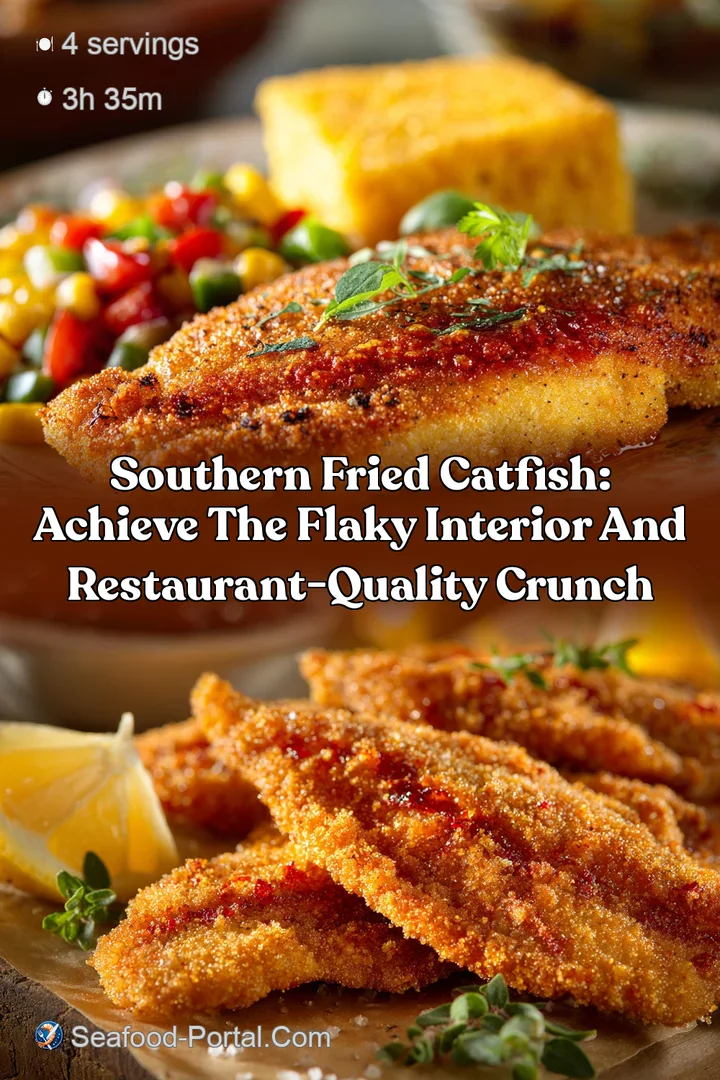
Recipe FAQs
Why isn't my catfish coating as crispy as I expected?
Crispiness often fails due to low oil temperature or overcrowding the pan. Ensure the oil stays between 350°F and 375°F (175°C 190°C), as lower temperatures cause the crust to absorb oil and become soggy.
Also, only fry a few pieces at a time to maintain the oil heat and allow moisture to escape quickly.
Is the buttermilk soak truly necessary for achieving good Southern Fried Catfish?
Yes, the buttermilk soak is highly recommended for two key reasons. First, the mild acidity tenderizes the fish and neutralizes any "muddy" flavors sometimes associated with farmed catfish. Second, it provides the sticky, non-watery base needed for the cornmeal and flour dredge to adhere properly.
How can I prevent the cornmeal coating from separating or falling off the fish while frying?
The secret is the "double dredge" and allowing a short rest period before frying. After the final dredge, let the coated fish sit on a wire rack for 10-15 minutes; this rest time allows the buttermilk soaked flour mixture to hydrate, forming a tight paste that adheres firmly to the fish.
What is the best type of oil to use for deep frying catfish?
Use a neutral oil with a high smoke point, such as peanut oil, canola oil, or vegetable oil. Peanut oil is often preferred in Southern cooking for its clean taste and ability to handle high heat effectively. Avoid oils like olive oil, which will smoke and burn at standard frying temperatures.
Can I substitute the catfish with a different type of white fish?
Absolutely, this frying method works beautifully with other firm white fish, though the texture will differ slightly. Excellent alternatives include tilapia, cod, or flounder fillets, but ensure the pieces are cut to a similar thickness so they cook evenly and quickly.
Avoid delicate fish that may fall apart easily in the hot oil.
What is the best way to store and reheat leftover fried catfish without losing the crunch?
Store fully cooled leftovers in an airtight container in the refrigerator for up to 3 days. To reheat, avoid the microwave; instead, use an air fryer or an oven set to 350°F (175°C) for about 10 minutes until heated through and the crust is crisp again.
If I don't have cornmeal, can I use only flour for the crust?
While you can use only flour, you will lose the signature gritty texture that defines true Southern Fried Catfish. If you must skip the cornmeal, use self rising flour or add about 1 teaspoon of baking powder to your all-purpose flour blend to ensure the coating still achieves adequate lift and a light, crispy structure.
Crispy Buttermilk Southern Fried Catfish
Ingredients:
Instructions:
Nutrition Facts:
| Calories | 371 kcal |
|---|---|
| Protein | 22.2 g |
| Fat | 16.6 g |
| Carbs | 34.9 g |
