Crispy Baked Battered Fish with Lemon and Herbs
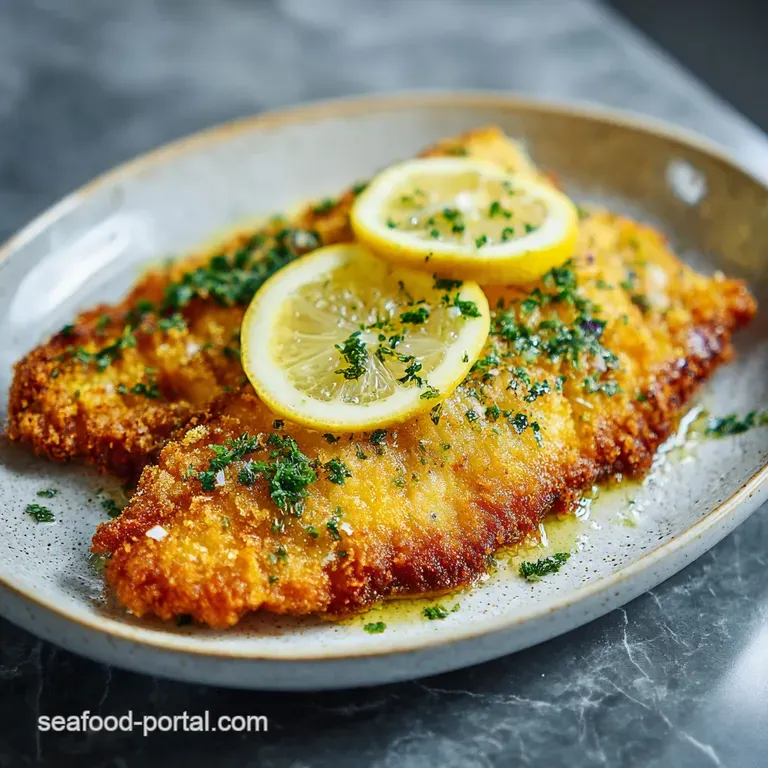
- Time: Active 15 minutes, Passive 15 minutes, Total 30 minutes
- Flavor/Texture Hook: Shatter crisp panko crust with a zesty, herbaceous finish
- Perfect for: Healthy weeknight dinners and stress free entertaining
- Crispy Baked Battered Fish Recipe with Lemon and Herbs
- Science Behind the Shattering Crunch
- Quick Specs for Perfect Baking
- Component Analysis Deep Dive
- Selecting the Freshest Essential Ingredients
- Essential Gear for Crisp Results
- Step-by-Step Path to Golden Success
- Professional Fixes for Common Flaws
- Easy Shifts for Every Diet
- Keeping Leftovers Fresh and Tasty
- Best Ways to Serve Your Fish
- Kitchen Myths Debunked
- Recipe FAQs
- 📝 Recipe Card
Crispy Baked Battered Fish Recipe with Lemon and Herbs
Imagine the sound of a knife scraping across a golden, jagged crust that dry, hollow "scritch scritch" that promises a serious crunch. That’s the first thing you notice when this fish comes out of the oven.
Then the aroma hits you: toasted garlic, the piney scent of dried oregano, and that unmistakable, sharp hit of fresh lemon zest that cuts right through the savory steam. It’s the kind of smell that brings everyone into the kitchen before the timer even goes off.
I used to be convinced that "baked" was just code for "soggy and sad." I’d try to make breaded fish, and the bottom would turn into a mushy paste while the top stayed pale and limp. It was a total letdown every single time.
But after a few dozen trials (and plenty of mediocre dinners), I realized the secret isn't more oil it's managing the moisture and using a few heat tricks that honestly feel like cheating. This recipe is the result of those experiments, and it’s the only way I make white fish now.
We're talking about thick fillets of cod or haddock that stay velvety and moist inside because they're shielded by a triple layer coating. This isn't just a basic breading; it's a seasoned barrier that locks in the juices while the outside turns into a golden armor.
If you've been hurt by soggy oven baked fish before, stick with me. We’re going to fix that once and for all.
Science Behind the Shattering Crunch
The Maillard Pre Toast: Since fish cooks in about 15 minutes, panko doesn't have enough time to brown naturally in the oven without overcooking the protein.
Pre toasting the crumbs in olive oil triggers the Maillard reaction early, ensuring a deep gold color and nutty flavor before the fish even enters the heat.
Protein Adhesion Chemistry: Mixing Dijon mustard into the egg wash creates a more viscous "glue" that clings to the flour dusted fish. This stronger bond prevents the breading from separating or "shrugging off" the fillet as the fish shrinks slightly during the cooking process.
| Method | Cook Time | Texture | Best For |
|---|---|---|---|
| Traditional Oven | 15 minutes | Evenly gold, tender | Family dinners |
| Air Fryer | 10-12 minutes | Maximum crunch, drier | Quick solo meals |
| Pan Searing | 8 minutes | Buttery, uneven browning | Small batches |
Choosing the right technique depends on how many people you're feeding. If you're doing a full batch of four servings, the oven is your best friend because it provides consistent heat for all 1.5 lbs of fish without you having to stand over a stove.
It’s a much more relaxed way to cook, especially if you’re also trying to whip up a side salad or some tartar sauce on the fly.
Quick Specs for Perfect Baking
When you're aiming for that specific "shatter" in the crust, the ratio of fat to starch is everything. This technique works similarly to the approach I use in my How to Make recipe where the crust acts as an insulator. By using 1.5 cups of panko for 1.5 lbs of fish, we ensure every nook and cranny is covered, preventing the steam from escaping and making the coating soft.
Component Analysis Deep Dive
| Ingredient | Science Role | Pro Secret |
|---|---|---|
| Panko Breadcrumbs | Provides surface area for crunch | Don't use Italian crumbs; they're too dense |
| Dijon Mustard | Emulsifies the egg wash | Adds a sharp "bite" that mimics fried batter |
| Lemon Zest | Adds volatile citrus oils | Zest directly into the crumbs to trap the aroma |
| All Purpose Flour | Absorbs surface moisture | Dust lightly; too much flour causes the breading to slide |
The mustard is really the unsung hero here. Most people just use plain egg, but adding that tablespoon of Dijon changes the game. It’s thick enough to hold onto the fish but adds a sophisticated tang that makes the whole dish taste like it came from a high end bistro rather than a sheet pan.
Selecting the Freshest Essential Ingredients
- White Fish (1.5 lbs): Look for Cod, Haddock, or Halibut. Ensure they are at least 1 inch thick so the crust doesn't burn before the middle cooks. Why this? These fish have a mild flavor and firm flake that stands up to heavy breading.
- Panko Breadcrumbs (1.5 cups): These are Japanese style crumbs. Why this? Their jagged shape creates more surface area for a crunchier texture than standard crumbs.
- Extra Virgin Olive Oil (2 tbsp): Used for the pre toast. Why this? It carries the heat to the crumbs and adds a rich, fruity undertone.
- Fresh Parsley (2 tbsp): Mince it very finely. Why this? Fresh herbs provide a "pop" of color and bright flavor that dried herbs can't match.
- Kosher Salt (0.5 tsp) & Black Pepper (0.25 tsp): To season the raw fish. Why this? Seasoning the fish directly ensures the flavor is layered throughout the dish.
- All Purpose Flour (0.5 cup): The base layer. Substitute: Cornstarch for an even crispier, slightly lighter shell.
- Large Eggs (2): The binder. Substitute: Heavy cream or Greek yogurt if you have an egg allergy.
- Dijon Mustard (1 tbsp): For the wash. Substitute: Stone ground mustard for more texture or yellow mustard for a sharper vinegar hit.
- Lemon Zest (1 tbsp): Fresh is non negotiable here. Substitute: 0.5 tsp lemon extract in a pinch, but the flavor will be less "bright."
- Dried Oregano (1 tsp): Adds earthy depth. Substitute: Dried thyme or marjoram.
- Garlic Powder (0.5 tsp): For savory backbone. Substitute: Onion powder or very finely grated fresh garlic.
Essential Gear for Crisp Results
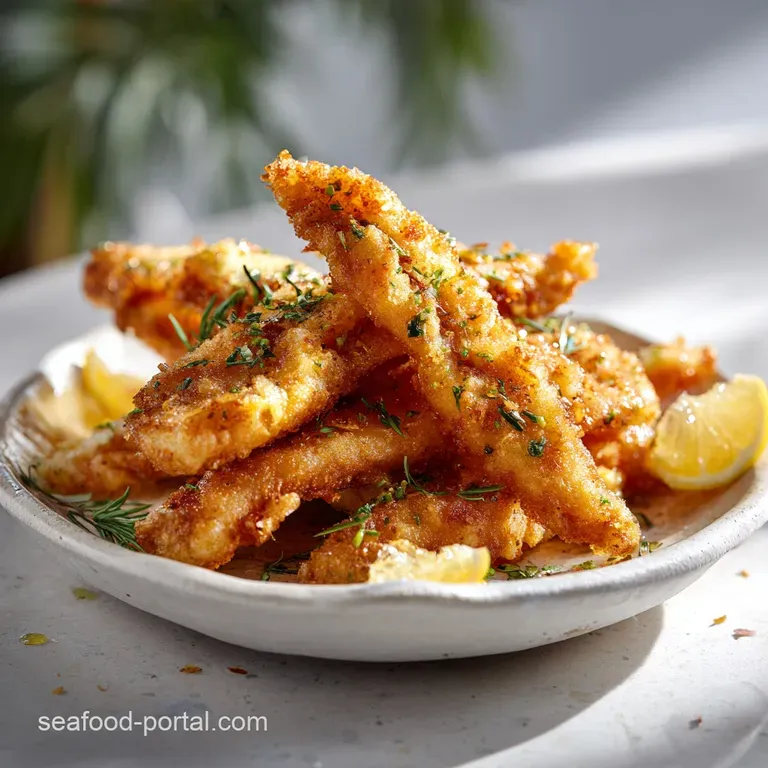
You don't need a deep fryer, but a large, rimmed baking sheet is essential. If you have a wire cooling rack that fits inside the baking sheet, use it! Elevating the fish allows hot air to circulate underneath the fillets, preventing the "soggy bottom" syndrome that ruins many baked recipes.
You’ll also want three shallow bowls for your dredging station think pie plates or wide pasta bowls to keep things organized.
Chef Tip: Freeze your fish for about 10 minutes before breading. It firms up the flesh, making it much easier to handle when dipping and flipping without the fillets breaking apart.
step-by-step Path to Golden Success
- Preheat and Prep. Set your oven to 425°F (220°C). Note: High heat is vital for a fast cook that keeps the fish juicy.
- Toast the Panko. In a skillet over medium heat, combine 1.5 cups panko and 2 tbsp olive oil. Stir until the crumbs are the color of a golden retriever.
- Season the Crumbs. Remove panko from heat and stir in 1 tbsp lemon zest, 2 tbsp parsley, 1 tsp oregano, and 0.5 tsp garlic powder. Note: Adding aromatics after toasting prevents them from burning.
- Dry the Fish. Pat your 1.5 lbs of fish fillets very dry with paper towels. Listen for the "tackiness" of the skin; it should feel sticky, not wet.
- Set the Base. Season fish with 0.5 tsp salt and 0.25 tsp pepper, then dredge in 0.5 cup flour, shaking off any excess.
- The Binding Wash. Whisk 2 eggs and 1 tbsp Dijon mustard in a shallow bowl until completely smooth and pale yellow.
- Final Coating. Dip the floured fish into the egg wash, then press firmly into the toasted panko mixture. Note: Pressing hard ensures the crumbs stay put.
- Bake the Fillets. Place fish on a parchment lined sheet (or a wire rack). Bake for 12-15 minutes until the thickest part flakes easily with a fork.
- Rest and Scent. Let the fish sit for 2 minutes. You should smell the toasted herbs intensified by the oven's heat.
- Serve Hot. Plate immediately with extra lemon wedges.
Professional Fixes for Common Flaws
The biggest heartbreak in the kitchen is watching your beautiful breading slide right off the fish into the pan. This usually happens because the fish was too wet before you started. If you don't pat it dry, a layer of steam forms between the fish and the flour, acting like a lubricant that pushes the batter away.
Why Your Fish is Soggy
If your fish is sitting in a pool of water, the temperature wasn't high enough or the fish was previously frozen and not drained well. High heat (425°F) is necessary to evaporate moisture quickly.
| Problem | Root Cause | Solution |
|---|---|---|
| Breading falls off | Surface moisture | Pat fish dry; use the "one hand wet, one hand dry" dredging technique |
| Pale crust | Not enough fat | Increase olive oil in the pre toast or spray the top with oil before baking |
| Rubbery fish | Overcooking | Pull fish when internal temp hits 140°F (60°C); it will rise to 145°F while resting |
Common Mistakes Checklist
- ✓ Skipping the panko toast (this leads to white, soft breading).
- ✓ Overcrowding the pan leave at least 2 inches between fillets to allow steam to escape.
- ✓ Using "fluffy" sea salt in the breading; use Kosher salt for better distribution.
- ✓ Forgetting to zest the lemon before juicing it for the side sauce.
- ✓ Using cold eggs, which can cause the mustard to clump rather than emulsify.
Easy Shifts for Every Diet
If you're looking for Fish Recipes that fit specific dietary needs, this one is incredibly flexible. For a gluten-free version, swap the flour for cornstarch and the panko for crushed pork rinds or gluten-free breadcrumbs. The crunch remains just as satisfying.
If you want a spicy "Nashville" twist, add 1 tsp of cayenne pepper and a tablespoon of honey to the egg wash. The honey helps the spice stick and creates a beautiful lacquered finish. Just keep an eye on it, as the sugar in the honey can cause the crust to brown faster than usual.
Keeping Leftovers Fresh and Tasty
Storage: Keep any leftover fish in an airtight container in the fridge for up to 2 days. Don't go longer than that; fish is delicate and the crust will eventually absorb moisture from the meat.
Freezing: You can freeze the breaded, unbaked fillets! Flash freeze them on a tray for 1 hour, then move to a freezer bag for up to 2 months. Bake directly from frozen, adding 5-7 minutes to the cook time.
Reheating: Whatever you do, do not use the microwave. It will turn your crispy masterpiece into a rubbery sponge. Instead, pop the fish into a 375°F (190°C) oven or toaster oven for 8 minutes until the oil in the crust starts to sizzle again.
Zero Waste: Don't toss those lemon halves after zesting! Slice them and roast them right on the sheet pan with the fish. The heat sweetens the juice and makes for a gorgeous garnish. Any leftover panko bits can be toasted further and used as a crunchy topping for pasta the next day.
Best Ways to Serve Your Fish
This dish is a star on its own, but it really sings when paired with something creamy or acidic. A quick tartar sauce made with mayo, capers, and a squeeze of the leftover lemon is classic. If you're looking for something lighter, a vinegar based slaw provides a crunch that mirrors the fish.
- If you want a classic pub vibe, serve with thick cut wedge fries and mushy peas.
- If you want a light lunch, flake the warm fish over a bed of arugula with a simple vinaigrette.
- If you want a taco twist, tuck the fillets into corn tortillas with pickled red onions and lime crema.
Right then, you're all set to make the best fish of your life. Trust me on the pre toasting of the crumbs it's the one step you can't skip if you want that professional finish. Let me know how that first bite sounds!
Kitchen Myths Debunked
One of the most persistent myths is that you have to deep fry fish to get a "real" batter experience. In reality, a well executed oven fry uses the fish’s own steam to cook the interior while the pre toasted crust provides the texture. You aren't missing out on anything except the greasy cleanup.
Another common misconception is that "fresh is always better" for baking. Actually, high-quality "flash frozen" fish is often fresher than the "fresh" fish at the counter, which may have been sitting on ice for days. Just be sure to thaw it completely in the fridge and pat it bone dry before you start.
Moisture is the enemy of the crunch, no matter where the fish came from!

Recipe FAQs
What is the secret to achieving a crispy baked crust that doesn't get soggy?
Pre-toasting the panko crumbs in olive oil is the secret. This initiates the browning reaction (Maillard) before the fish goes into the oven, ensuring the crust is already toasted and crunchy when the fish finishes cooking.
Can I substitute panko breadcrumbs with standard dry breadcrumbs?
No, stick with panko for maximum texture. Standard breadcrumbs are too fine and dense; panko's large, jagged flakes create more surface area, trapping less moisture and resulting in a superior, airy crunch.
How do I prevent the breading from sliding off the fish during baking?
Use Dijon mustard in the egg wash to create a stronger adhesive layer. Ensure the dredged fish is patted very dry before the flour dip, which adheres better to dry protein than wet surfaces.
Should I bake the fish at a low temperature to cook it through gently?
No, use a high temperature, specifically 425°F (220°C). High heat evaporates surface moisture quickly, crisping the coating before the fish's internal temperature rises too high and causes it to dry out.
How can I ensure the fish fillets remain moist inside while the outside crisps?
Cook the fillets quickly and avoid overcrowding the baking sheet. If you enjoy mastering temperature and timing, apply the same sensory doneness cues you learned here when making the Southern Fried Catfish recipe for perfectly cooked protein.
Is it true that using frozen fish will ruin the crispiness of this baked recipe?
It can, but proper thawing and preparation mitigates the risk. Always thaw frozen fillets completely in the refrigerator, and then pat them aggressively dry with paper towels to remove surface condensation before breading.
What is the best way to reheat leftovers without losing all the crunch?
Reheat in a 375°F oven or toaster oven for about 8 minutes. Never use the microwave, as the trapped steam will inevitably turn your crispy coating soft and rubbery.
Crispy Baked Fish With Lemon
Ingredients:
Instructions:
Nutrition Facts:
| Calories | 377 calories |
|---|---|
| Protein | 37.6 g |
| Fat | 10.3 g |
| Carbs | 28.5 g |
| Fiber | 1.1 g |
| Sugar | 0.8 g |
| Sodium | 315 mg |
