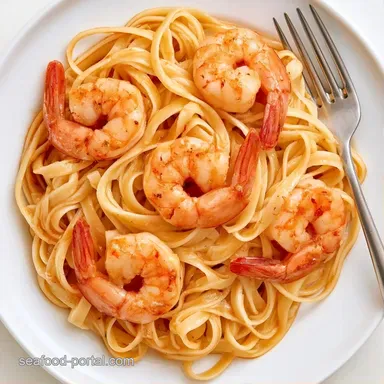
Creamy Shrimp Pasta with Milk in 30 Minutes
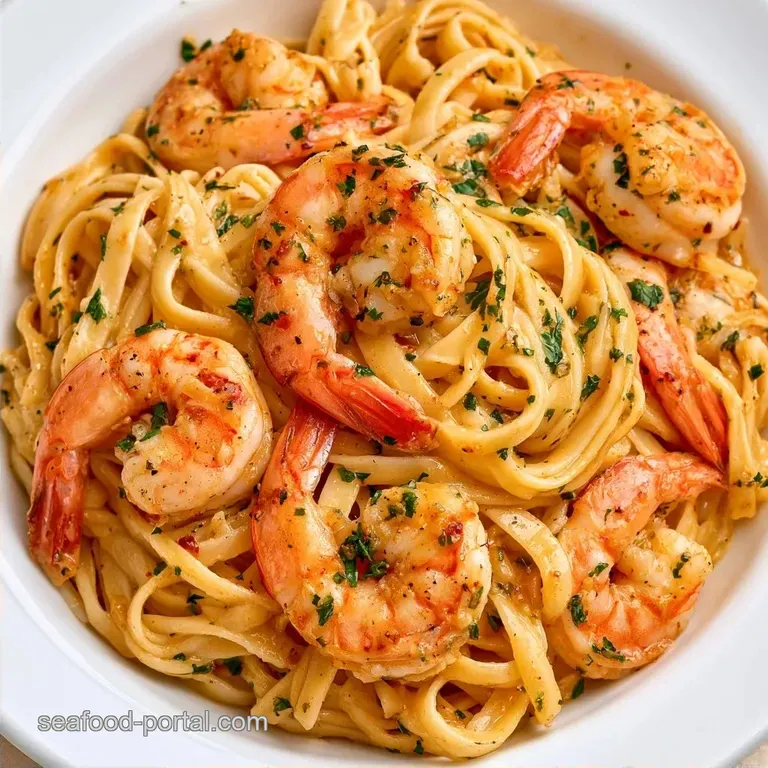
- Prep & Cook: 10 min active + 20 min cooking
- Taste & Feel: Smooth garlic cream paired with succulent, browned shrimp
- Best for: An elegant meal that comes together quickly
Creamy Shrimp Pasta with Milk
Hearing that initial sear as the shrimp hits the melted butter is the highlight of the process. I used to think heavy cream was a requirement for a restaurant-style result, but whole milk and a generous amount of parmesan work just as well.
It's a lighter approach that prevents that heavy, sluggish feeling after dinner.
The key is managing the temperature. If the milk boils too hard, it can separate. By keeping it at a soft simmer, it blends with the cheese to create a sleek, glossy coating.
This dish is a wonderful way to use what's already in your refrigerator. It is a fast, one-pan sauce that tastes far more sophisticated than the actual time spent cooking suggests.
What Actually Makes it Work
- The Cheese Bind: Adding Parmesan at a low simmer helps the fats and proteins bond with the milk. This keeps the sauce from separating.
- Starch Water: A splash of the salty pasta water acts as a bridge. It helps the sauce cling to the noodles instead of sliding off.
Recipe Specs
| Method | Heat Source | Texture | Speed |
|---|---|---|---|
| Stovetop | Medium High | Creamy | 30 mins |
| Oven | Medium | Baked/Crusty | 45 mins |
The stovetop version is faster and keeps the shrimp tender. An oven bake is better if you want a cheesy crust on top, but you lose that fresh sear on the seafood.
The Ingredient Breakdown
| Ingredient | Role | If You Don't Have It |
|---|---|---|
| Whole Milk | Sauce base | Evaporated milk for more richness |
| Parmesan | Thickener/Salt | Pecorino Romano (saltier) |
| Large Shrimp | Main protein | Scallops or chunks of chicken |
| Fettuccine | Base | Linguine or Spaghetti |
Gear You'll Need
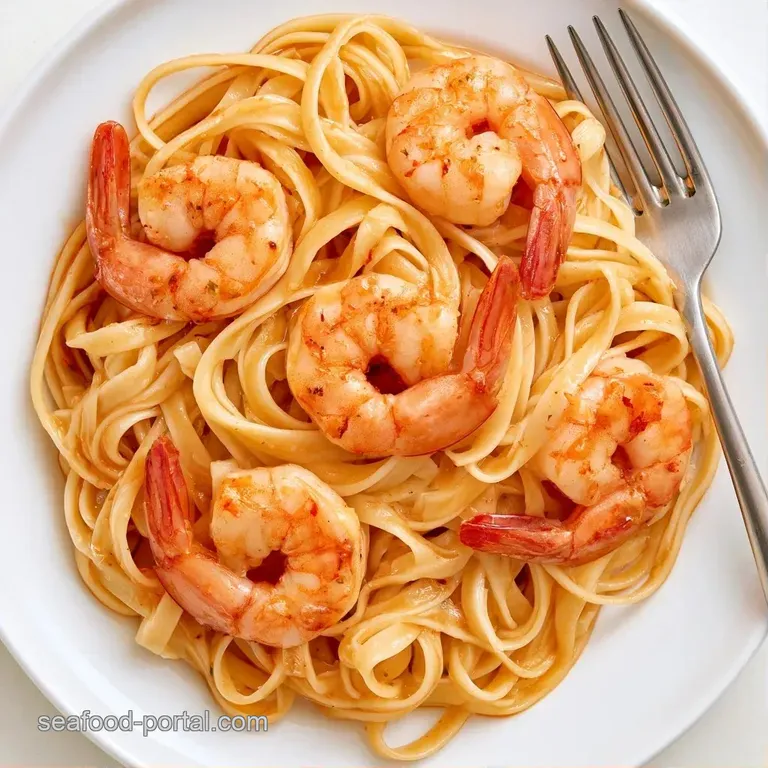
This recipe doesn't require any specialized equipment. All you need are a large pot for the pasta and a wide skillet. To get a great sear on the shrimp, a heavy pan is best for maintaining a consistent temperature. A whisk or a sturdy spoon will help you melt the cheese smoothly.
The Cooking Process
Phase 1: The Pasta Base
Heat a large pot of salted water until it reaches a rolling boil. Cook the fettuccine following the package instructions until al dente. Save 1/2 cup of the starchy pasta water before draining the noodles. Set the pasta to the side.
Phase 2: Searing the Shrimp
In a skillet over medium-high heat, melt 1 tbsp butter and 1 tbsp olive oil. Arrange the shrimp in a single layer and season with salt and pepper. Sear for 2 minutes on each side until they turn pink and opaque. Transfer the shrimp to a plate to prevent them from becoming rubbery.
Phase 3: Building the Sauce
Lower the heat to medium and add the remaining 1 tbsp of butter. Sauté the minced garlic for roughly 1 minute until it is translucent and fragrant. Stir in the milk and Italian seasoning. Bring the mixture to a light simmer, taking care not to let it boil over.
Gradually whisk in the Parmesan cheese until it has melted and the sauce looks glossy.
Phase 4: The Final Assembly
Return the cooked pasta and seared shrimp to the skillet. Stir in the lemon juice. If the sauce is too thick, add the reserved pasta water one tablespoon at a time. Fold in the chopped parsley right before plating.
Chef's Note: To ensure the shrimp stay tender, avoid letting them simmer in the sauce for more than a minute. Toss and serve right away.
Fixing Common Issues
If your sauce separates, the heat was likely too high. You can generally fix this by whisking in a small pat of cold butter or a bit of pasta water. If you're looking for a more intricate seafood option, consider this Coconut Shrimp Sauce for a different flavor profile.
How to Fix a Grainy Sauce
This usually occurs when the milk curdles or the cheese hasn't melted completely. Simply reduce the heat and whisk briskly.
Dealing with Thin Sauce
The sauce will thicken as it rests. If it's still too runny, simmer it for an additional 2 minutes without the pasta.
Shrimp Overcooked
If the shrimp curl into tight "O" shapes, they've been on the heat too long. Next time, remove them the moment they become pink.
| Problem | Fix |
|---|---|
| Sauce separates | Whisk in 1 tbsp cold butter |
| Pasta is dry | Add more reserved pasta water |
| Garlic burned | Start sauce over (burnt garlic tastes bitter) |
Side Dish Pairings
To balance the richness of this meal, I recommend sides that are bright or crunchy. An arugula salad with a lemon vinaigrette is perfect for cutting through the creamy milk sauce, while roasted asparagus or steamed broccoli are also excellent choices.
For a heartier addition, try some toasted sourdough with garlic butter.
For a similar flavor profile with more variety, give this Chicken Shrimp Alfredo a try for an even more substantial meal.
Storage and Scraps
Store leftovers in a sealed container in the fridge for 3 days. The pasta will soak up the sauce as it sits, so it'll be much thicker when you eat it the next day.
To reheat, add a splash of milk or water to the pan over low heat. This loosens the sauce back up. I don't recommend freezing this dish because the milk sauce can separate and the shrimp get a weird texture.
For zero waste, save your shrimp shells. Throw them in a pot with some water, an onion, and a carrot to simmer for 20 minutes. Strain it, and you have a quick seafood stock for a future risotto.
Switching Up the Flavor
You can easily change the vibe of this Creamy Shrimp Pasta with Milk depending on what's in your pantry.
- For a spicy kick: Add 1/2 tsp of red pepper flakes when you sauté the garlic.
- For a fresher taste: Add extra lemon zest to the final toss.
- For a richer texture: Use evaporated milk instead of whole milk.
- For a low carb version
- Use zucchini noodles or spaghetti squash.
- For a nuttier flavor
- Swap Parmesan for Gruyère or Swiss cheese.
- For extra protein
- Add seared scallops or grilled chicken.
Right then, you've got everything you need. This dish is a great example of how a few simple ingredients can feel like a treat. Just remember to keep that heat low when the milk goes in, and you're set. Enjoy!
Recipe FAQs
Can I use milk instead of heavy cream?
Yes, whole milk combined with Parmesan cheese creates a lighter creamy texture.
Tip: Use reserved pasta water if the sauce feels too thin.
How do I make a creamy sauce with milk?
Simmer milk with Italian seasoning, then stir in grated Parmesan gradually until the mixture is glossy.
Tip: Keep the heat at medium to avoid boiling the milk too hard.
Is it true that milk alone makes pasta creamy?
No, this is a common misconception, as the creaminess actually comes from the emulsion of milk, butter, and Parmesan.
Tip: Grate your own cheese for a smoother melt.
Do I need to boil pasta in milk instead of water for a creamy result?
That's a myth, because boiling pasta in salted water and adding the milk sauce later produces the best texture.
Tip: Reserve some starchy water before draining the pasta.
How to cook the shrimp for this pasta?
Sear shrimp in olive oil and butter over medium-high heat for about 20 minutes per side until pink.
Tip: Remove them from the pan immediately so they don't overcook.
What does shrimp Alfredo with milk taste like?
It tastes like a lighter version of traditional Alfredo, with a buttery, garlicky finish and bright citrus notes from lemon.
Tip: Add extra fresh parsley at the end for a pop of color.
Which other shrimp dishes pair well with this style?
If you enjoy the garlic and butter profiles here, you might like the rich flavors of an authentic shrimp etouffe.
Tip: Serve this pasta with a side of steamed broccoli.
Creamy Shrimp Pasta with Milk in 30 Min