Creamy Scallop Linguine: Chef Julians Signature Dish
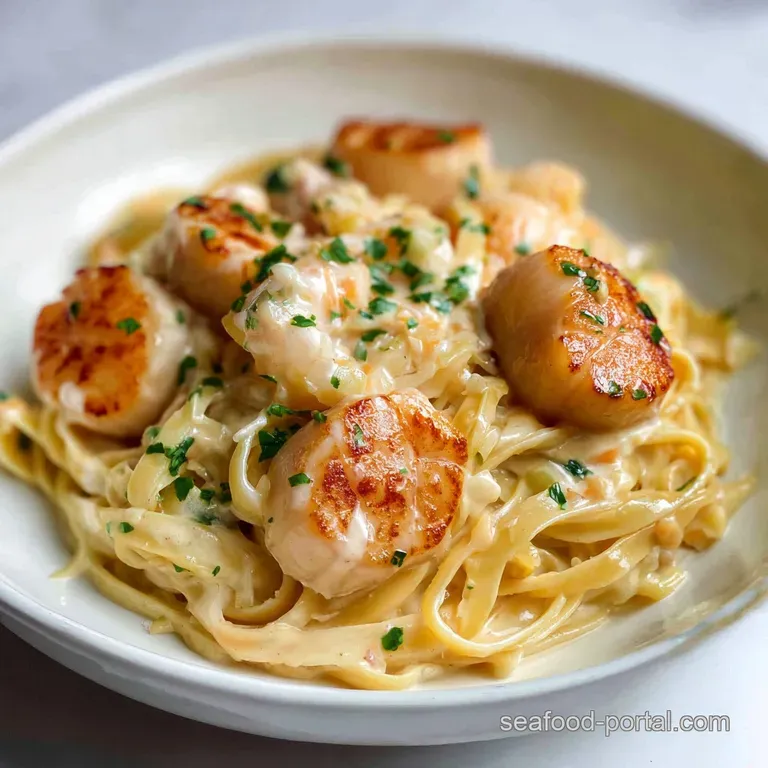
- Elevate Weeknight Dining: Mastering This Luxurious Creamy Scallop Linguine
- Culinary Science: The Textural Contrast That Makes This Dish Shine
- Essential Components for Restaurant-Quality Scallop Linguine
- The Method: Step-by-Step Guide to Pan-Seared Scallops and Cream Sauce
- Troubleshooting and Pro-Tips from Chef Julian
- Handling Leftovers: Storing Your Creamy Seafood Pasta Safely
- Pairing Perfection: Completing Your Luxurious Scallop Dinner
- Recipe FAQs
- 📝 Recipe Card
Elevate Weeknight Dining: Mastering This Luxurious Creamy Scallop Linguine
Can we talk about that smell? The moment the hot pan hits the garlic and shallots, followed by the richness of the heavy cream, your kitchen transforms into a cozy, high end Italian bistro. This beautiful Creamy Scallop Linguine is my ultimate weeknight win, hands down.
It delivers restaurant quality flavor and texture without demanding hours of your precious evening time.
Seriously, this dish is a lifesaver when you need something fast, fancy, and filling. It looks incredibly impressive, but the entire thing from prep to plate takes less than 40 minutes.
You get that rich, satisfying creaminess, but the bright lemon and perfectly seared seafood keep it feeling light and elegant, not heavy or sleepy.
We’re not just throwing ingredients in a pot here; we are using simple, focused techniques to maximize flavor. If you’ve ever struggled to get that deep golden crust on your scallops or worried about your cream sauce breaking, this is the blueprint you need.
Let's crack on and make some truly epic Scallop Linguine .
Culinary Science: The Textural Contrast That Makes This Dish Shine
This isn't just a recipe; it's a study in amazing textural contrast. You have the silky, al dente linguine coating, the luscious, bright cream sauce, and then that perfectly seared scallop. That contrast is everything, right?
The Magic of Maillard: Why Searing is Essential
The Maillard reaction is your best friend when cooking scallops. It’s what gives them that deep, caramelized, nutty crust we crave. To achieve this, the surface moisture must be gone.
If you put wet scallops into a hot pan, the pan temperature immediately plummets, and those scallops will steam, resulting in that sad, rubbery texture we’ve all experienced. We want high heat and dryness.
Ready in 30 Minutes: Speed vs. Sophistication
The beauty of cooking seafood, especially scallops, is its speed. While the pasta cooks, you are prepping your aromatics. While you sear the scallops (in a flash!), you are deglazing and building the sauce right in the same pan. This process minimizes dishes and maximizes flavour complexity quickly.
It’s kitchen efficiency at its finest, proving you can have sophisticated flavor fast.
A Note from Chef Julian: On Coastal Elegance
I once spent way too long trying to find obscure ingredients for a "fancy" dinner. I learned my lesson: true elegance lies in perfecting simple components. This Creamy Scallop Linguine doesn't require imported truffles or aged balsamic.
It requires fantastic scallops, real heavy cream, and the confidence to let your pan get screaming hot.
Achieving the Perfect Caramel Crust on Scallops
Pat the scallops. Seriously, pat them until they look sadistically dry. High heat is mandatory. I use a little neutral oil first, then add butter right before flipping the scallops to get that golden brown finish without burning the milk solids. Do not move them for the first 90 seconds.
Building the Silky Lemon Cream Emulsion
The cream sauce needs to be glossy and clingy, not watery. The secret sauce (pun intended) is that starchy pasta water. The starches act as a natural emulsifier, helping the fat (butter/cream) and the water blend harmoniously. This prevents the sauce from separating or feeling too heavy.
Balancing Acidity and Richness for a Clean Finish
Heavy cream is decadent, I know. But without the lift from fresh lemon juice and zest, the dish would fall flat and feel like a thick, dairy bomb. The acidity cuts through the richness of the fat and the sweetness of the scallops, leaving your palate refreshed and ready for the next bite.
Essential Components for Restaurant Quality Scallop Linguine
The Dry-Packed Scallop Difference (And Why It Matters)
Always look for dry-packed sea scallops. Wet-packed scallops are soaked in a chemical solution (STP) that makes them absorb water, preserving them but making them impossible to sear properly.
If you must use wet-packed, soak them in a brine of water and salt for 30 minutes, then rinse, and pat them dry overnight. Trust me, the dry ones are worth the splurge for this specific recipe.
Best Practices for Selecting Your Pasta Shape
Linguine is traditional for this Scallop Linguine because its flat, long shape holds the cream sauce beautifully. However, fettuccine works just as well. Avoid very small shapes like penne or macaroni; you need something substantial to handle the generous scallops and the rich sauce. Speaking of other great pasta dishes, if you love this texture, you have to try my recipe for Linguine and Clams: Ultimate Vongole Recipe .
Fresh vs. Dried Herbs: Maximizing Aromatic Impact
Fresh herbs are non-negotiable here. Dried parsley is basically green dust with no flavour. The bright, herbaceous bite of fresh parsley folded in at the end is essential for the final presentation and taste profile of this Creamy Scallop Linguine .
Ingredient Swaps: Dairy and Wine Alternatives
Sometimes you realize you are out of one thing halfway through prep. Don't panic!
| Ingredient | Viable Substitute | Notes |
|---|---|---|
| Heavy Cream | Half and Half (use less pasta water) | Less rich, requires thickening. |
| Dry White Wine | high-quality Chicken Stock or Vegetable Broth | Will lose a little tang, but keeps deglazing essential. |
| Shallot | Half a small Yellow Onion | Shallots are milder; if using onion, mince finely. |
| Parmesan | Grana Padano | Provides similar nutty, salty complexity. |
The Method: step-by-step Guide to Pan-Seared Scallops and Cream Sauce
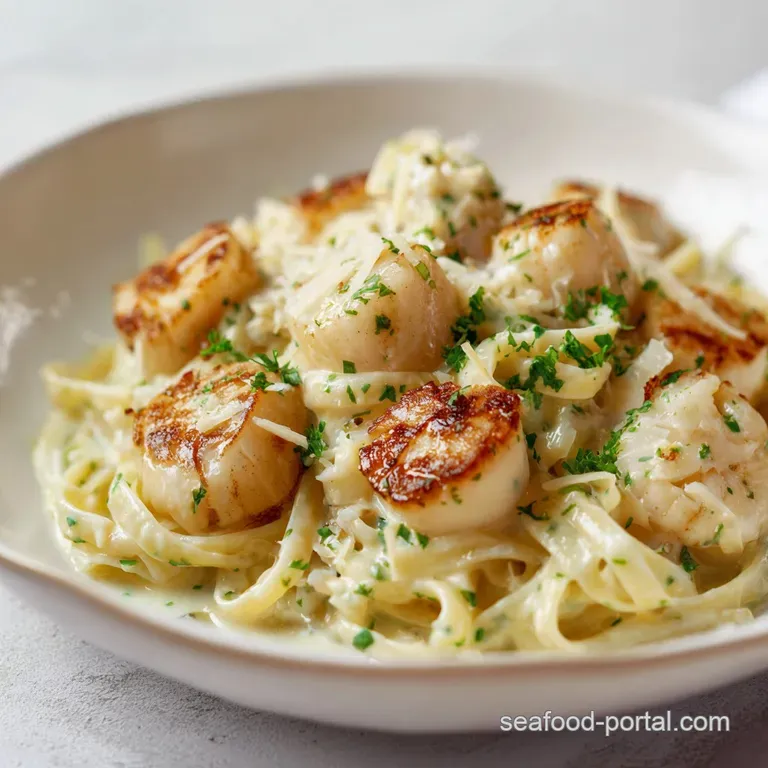
Prep Phase: Drying and Seasoning the Scallops
- Drying Drill: Place the scallops between two layers of paper towels and press gently. Repeat until they feel entirely dry. Season them heavily with salt and pepper right before searing. If you season too early, the salt will draw moisture out, ruining your crust.
- Pasta Prep: Get the water boiling in a large pot, salting it generously. Cook the linguine until perfectly al dente —it should still have a little bite. Remember to save at least one cup of that starchy water!
Searing Strategy: High Heat for the Golden Crust
- Heat Check: Heat your heavy bottomed pan (cast iron is perfect) over medium high heat until it just begins to smoke lightly. Add 2 Tbsp neutral oil.
- Sear: Place the seasoned scallops into the pan, making sure they are not touching each other. Listen for the sizzle! Sear, undisturbed, for 90 seconds.
- Finish: Add 1 Tbsp of butter. Flip the scallops immediately and cook for another 90 seconds. They should be beautifully golden and slightly translucent in the center. Remove them right away to a plate and keep them warm.
Creating the Bright Lemon Garlic Cream Base
- Aromatics: Reduce the heat to medium. Add the remaining butter and shallots to the pan, scraping up all those glorious browned bits from the scallop searing. Sauté for about 2 minutes until soft. Add the minced garlic and cook for just 30 seconds until fragrant don't let it burn!
- Deglaze: Pour in the white wine (or stock) and scrape the bottom again. Reduce this liquid by about half.
- Simmer and Shine: Pour in the heavy cream and bring it to a very gentle simmer. Stir in the lemon zest, lemon juice, salt, and pepper.
Combining and Finishing the Creamy Scallop Linguine
- Emulsify: Stir in the grated Parmesan until smooth. This is the critical step for your Creamy Scallop Linguine . Slowly ladle in 1/2 cup of the reserved pasta water, stirring vigorously until the sauce thickens and looks wonderfully glossy.
- Toss: Add the drained linguine directly to the sauce. Toss everything together, adding a splash more pasta water if the sauce seems too tight.
- Serve: Gently fold in most of the fresh parsley. Divide the pasta among the bowls, then immediately nestle the seared scallops on top. Garnish with a final sprinkle of pepper and parsley. Serve this fantastic Creamy Scallop Linguine immediately!
Troubleshooting and Pro-Tips from Chef Julian
The #1 Mistake: Overcrowding the Pan
I made this mistake countless times when I first started cooking this. I wanted all the scallops done at once! When the pan is crowded, moisture releases, the temperature drops, and the searing fails. If you have more than 8 scallops, sear them in two batches. Seriously.
It’s worth the 3 extra minutes.
Preventing a Broken or Split Cream Sauce
A cream sauce splits when the fat (cream/butter) separates from the liquid. This happens if the heat is too high or if you add cold, acidic ingredients too quickly. Crucial Tip: Always bring the cream to a gentle simmer before adding the Parmesan or lemon.
Add the lemon juice and cheese slowly, off the direct heat if you are nervous, and use the starchy pasta water to stabilize it.
Ensuring Your Scallops are Cooked to Perfection
A large sea scallop should be firm to the touch but still tender, opaque white on the sides, and beautifully golden brown on the top and bottom. They only need about 3 to 4 minutes total. When in doubt, slightly undercook them; they will finish cooking with the residual heat on the plate.
Handling Leftovers: Storing Your Creamy Seafood Pasta Safely
Refrigeration Guidelines for Scallop Dishes
Because this is a rich, dairy based seafood dish, freshness is key. You can safely store leftover Creamy Scallop Linguine in an airtight container in the fridge for up to 2 days. After that, the texture and flavour start to degrade significantly.
Reheating Strategies to Preserve Texture
Do not microwave this! The scallops will turn rubbery and the sauce will split into a sad, greasy mess. To reheat, place the leftovers in a skillet with a tablespoon of water or broth. Heat very gently over low heat, stirring slowly until warmed through.
The low, slow reheat is the only way to save the integrity of the sauce.
Pairing Perfection: Completing Your Luxurious Scallop Dinner
Ideal Wine Pairings for Rich Lemon Cream Sauces
You need a dry white wine with high acidity to cut through the heavy cream. Think along the lines of a Sancerre, a crisp Sauvignon Blanc, or an unoaked Chardonnay. Stay away from anything too oaky or sweet. If you are having guests and want an appetizer before this stellar Creamy Scallop Linguine , check out my super easy Smoked Salmon Dip: Easy Creamy Recipe with Dill Capers — it preps beautifully.
Recipe FAQs
Why aren't my scallops getting a proper golden crust?
This is almost always due to excess moisture on the surface of the scallops. Ensure you use "dry-packed" scallops and pat them completely dry with several layers of paper towels before seasoning and searing.
You must also make sure your pan (preferably stainless steel or cast iron) is extremely hot and the oil is shimmering before placing the seafood inside.
My lemon garlic cream sauce seems too thin; how can I thicken it safely?
The cream sauce will naturally thicken as the starch from the pasta water combines with the heavy cream during the final toss. If it is still too loose, let the sauce simmer gently for an extra minute or two, ensuring it reduces slightly before adding the scallops back in.
If necessary, you can whisk 1/4 teaspoon of cornstarch into a tablespoon of cold water and incorporate it into the simmering sauce to rapidly tighten the consistency.
Can I substitute the linguine with a different pasta shape?
Yes, absolutely; fettuccine, pappardelle, or even penne are excellent substitutes for linguine in this dish. However, flatter, wider pasta shapes like fettuccine tend to cling to the rich cream sauce more effectively than smaller shapes. Ensure you save adequate pasta water regardless of the shape you choose.
What is the recommended method for storing and reheating leftovers?
Store leftovers in an airtight container in the refrigerator for up to 2 days; freezing is not recommended, as the cream will likely separate. To reheat, place the linguine in a skillet over low heat and add a splash of milk or chicken broth to help loosen the sauce and prevent it from breaking.
Gentle reheating is crucial to preserve the scallop texture.
I only have "wet-packed" scallops; will they work, or should I avoid them?
While we highly recommend dry-packed for the best crust, wet-packed scallops can still be used if thoroughly rinsed and aggressively patted dry. Be aware that wet-packed varieties release more water during the searing process, which makes achieving that perfect sear difficult.
You may need to cook them in batches to manage the excess liquid.
Can I make this dish dairy-free without sacrificing the creaminess?
Yes, you can achieve a wonderfully creamy sauce using full fat canned coconut milk, which is naturally thick and rich. Alternatively, high-quality oat cream or cashew cream substitutes work very well and provide a more neutral flavor profile.
Be mindful that heating full fat dairy alternatives too quickly can cause them to separate, so maintain a gentle simmer.
