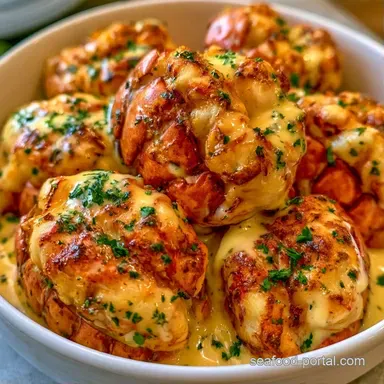
Crab Stuffed Lobster Tails with Blender Bearnaise
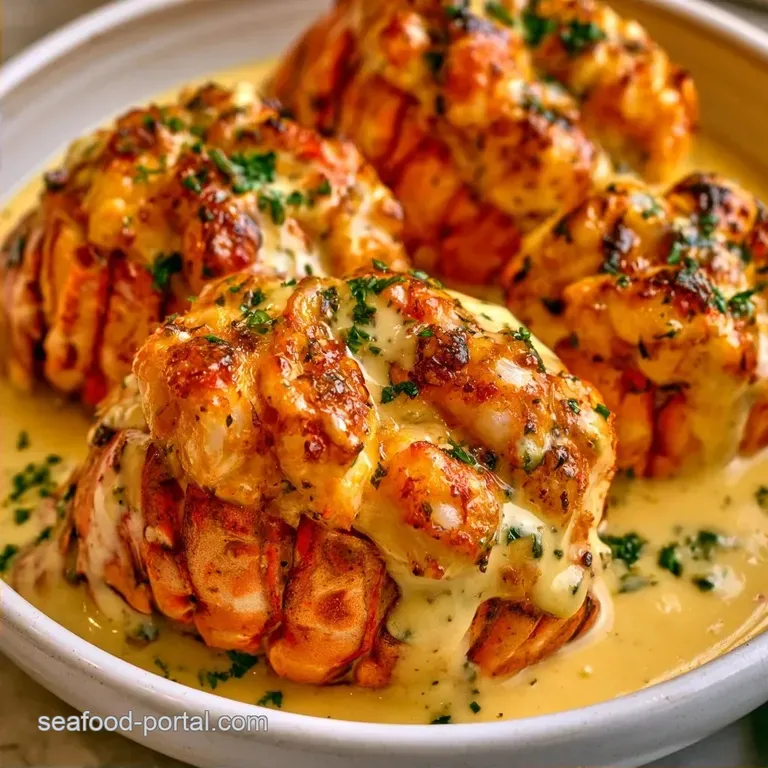
- Time: 20 min active + 15 min baking
- Flavor/Texture Hook: Deeply caramelized crust with a decadent, buttery finish
- Perfect for: Romantic dates or impressive celebration dinners
Crab Stuffed Lobster Tails
The fragrance is immediate a savory, salty blend of browned butter and Old Bay that wafts through the room. I initially worried about overdoing the lobster, but the shell is the key. By resting the meat directly on its shell, it roasts instead of just cooking.
This is the definitive recipe for CrabStuffed Lobster Tails with Blender Bearnaise Sauce. It has the luxury of an eighty dollar steakhouse entrée, yet it's quite simple to prepare once you've mastered the "butterfly" cut.
Expect a dish that is decadent, brightened by lemon, and possesses the characteristic snap of perfectly prepared cold water lobster. We've paired it with a sauce that typically demands twenty minutes of intense whisking, but we're utilizing a blender for a much easier approach.
Why This Method Works
- The Butterfly Cut: By lifting the meat out of the shell, the heat hits the lobster from all sides. This prevents the bottom from being mushy while the top stays raw.
- Blender Emulsion: Using a high speed blender for the Bearnaise forces the butter and yolks to bond instantly. It's far more stable than the whisk method, and you can find similar emulsion techniques in my Lobster Butter Sauce guide.
- over High heat Roast: Baking at 425°F gives the crab stuffing a mahogany gold color in minutes. This happens before the lobster meat has time to shrink and toughen.
| Feature | Classic Whisk Method | Quick Blender Method | Impact |
|---|---|---|---|
| Sauce Effort | High (Constant whisking) | Low (Push a button) | Saves 15 mins |
| Risk of Breaking | High (Temp sensitive) | Low (High shear) | More stable emulsion |
| Texture | Airy and light | Dense and rich | Heavier mouthfeel |
Essential Kitchen Tools
While you can make do with basic gear, having the right equipment simplifies the process. Start with sharp kitchen shears; attempting to butterfly a lobster tail with a chef's knife is risky, whereas shears glide effortlessly through the shell.
A high speed blender is critical for the sauce, as the centrifugal force is necessary to keep the egg yolks and fat emulsified. An immersion blender also works, provided you use a tall, narrow beaker to keep the blades fully submerged.
Lastly, use a heavy duty baking sheet, preferably one with a rim. The butter tends to splatter at 425°F, and a rimmed pan prevents grease from leaking into the bottom of your oven.
Ingredient Deep Dive
The key here is the quality of the seafood. I always go for lump crab meat because the larger chunks stay intact during the bake. If you use "flake" or "special" crab, the stuffing can turn into a paste, which isn't nearly as satisfying.
For the lobster, cold water tails are the way to go. They have a sweeter, cleaner taste than warm water varieties. The Old Bay provides that classic coastal saltiness, while the tarragon in the sauce adds a slight anise note that cuts through all that butter.
| Ingredient | Role | If You Don't Have It |
|---|---|---|
| Lump Crab Meat | Main flavor and texture | Imitation crab (will be saltier/softer) |
| Cold Water Lobster | The base protein | Large scallops (change bake time to 8 min) |
| Egg Yolks | Emulsifies the sauce | Lecithin powder (complex to dose) |
| White Wine Vinegar | Provides necessary acidity | Lemon juice or apple cider vinegar |
Recipe Specs
Precision is key with this dish. In just three minutes, lobster can shift from perfectly tender to rubbery.
- Preparation:20 minutes
- Cooking Duration:15 minutes
- Overall Time:35 minutes
- Oven Temp: 425°F (218°C)
- Yield: 4 servings
Chef's Note: If your tails are over 6 oz, you might need an additional 2-3 minutes of heat. Prioritize the appearance over the timer; look for meat that is opaque white rather than translucent.
The Cooking Process
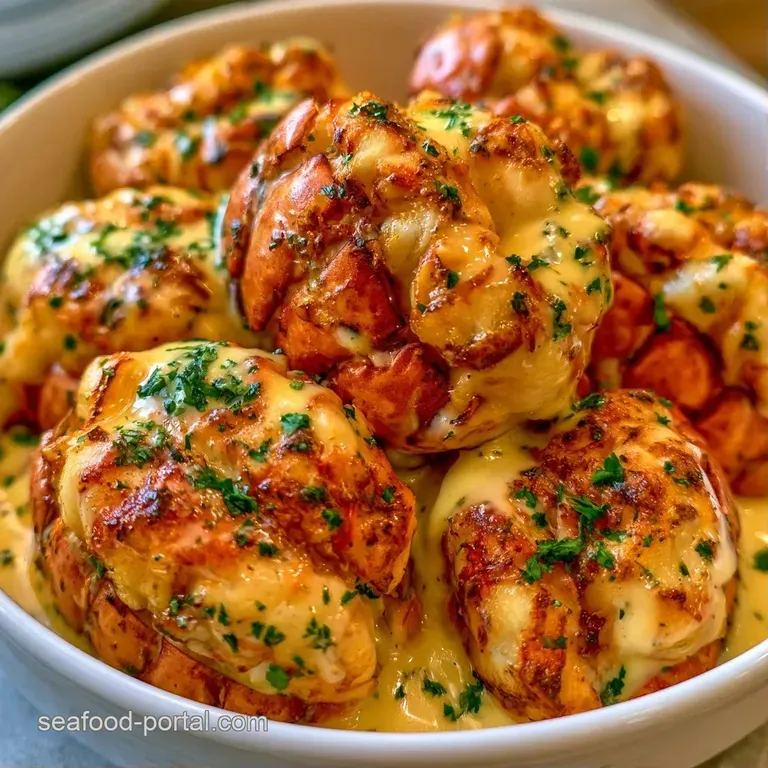
Phase 1: Butterflying the Tails
Begin by preheating your oven to 425°F. Using kitchen shears, slice through the top shell of each lobster tail lengthwise. Take care not to cut into the meat. Gently pull the shell apart and lift the meat so it sits atop the shell, creating a boat like shape. Lightly coat the meat with a small amount of melted butter; this prevents the Crab Stuffed Lobster Tails from drying out during the roasting process.
Phase 2: Preparing the Lobster Seafood Stuffing
In a mixing bowl, combine the lump crab meat, beaten egg, mayonnaise, Old Bay, parsley, and green onions. Gently stir the ingredients together, taking care not to overmix so that the crab lumps remain large and distinct.
Spoon the stuffing generously over the lobster meat, pressing down slightly to ensure it remains secure during transport to the oven.
Phase 3: The High Temperature Roast
Arrange the tails on your prepared baking sheet. Slide them into the oven and bake for 12–15 minutes. You are looking for two markers of doneness: the stuffing should be a deep mahogany gold, and the lobster meat should be an opaque white.
Begin checking them once you notice the aroma of toasted butter.
Phase 4: The 60 Second Blender Bearnaise
While the lobster rests for a moment, prepare the sauce. Add the egg yolks, white wine vinegar, tarragon, lemon juice, and salt to the blender. Process on high until smooth. While continuing to blend on low, slowly pour in the simmering melted butter in a thin, steady stream.
The sauce will thicken into a rich, stable emulsion. This method allows you to serve Tails with Blender Bearnaise Sauce without the hassle of a double boiler.
Avoiding Kitchen Disasters
Most issues with this recipe happen in the sauce or the lobster texture. If you're new to seafood, just remember that lobster is lean and cooks fast.
If the Bearnaise Separates
If your sauce looks curdled or "split," it usually means the butter went in too fast or was too cold. Don't throw it out. Pour the broken sauce into a clean blender jar. Blend on high while slowly adding one teaspoon of warm water or a fresh egg yolk. This usually pulls the emulsion back together.
If the Lobster Meat is Rubbery
This is a classic overcooking problem. Lobster becomes tough the second it passes the opaque stage. If this happens, you can't "un cook" it, but serving it with extra sauce helps mask the texture. Next time, pull them out at 12 minutes and let carryover heat finish the job.
If the Stuffing is Too Wet
If your crab stuffing feels runny, it's likely because the crab meat wasn't drained well. You can fix this by adding a tablespoon of breadcrumbs or a pinch more of Old Bay to absorb the excess moisture before baking.
| Problem | Fix |
|---|---|
| Sauce is too thin | Drizzle in a bit more hot butter while blending |
| Stuffing slides off | Press more firmly or use a smaller mound |
| Lobster is translucent | Bake for another 2–3 minutes |
| Sauce tastes too sharp | Add a pinch more salt or a drop of cream |
Making More or Less
When preparing this for many guests, avoid simply quadrupling the portions in a single pan.
Scaling Down (1-2 Tails): Select a smaller baking tray so the butter doesn't spread too thinly and burn. Cut the cooking time by roughly 20%, beginning your check at 10 minutes. For the sauce, whisk one egg and use only half of the yolk to maintain the proper balance.
Scaling Up (8+ Tails): Prepare the lobster in stages. Overfilling the pan will cause the meat to steam rather than roast, preventing that signature mahogany crust. If you double the stuffing, only multiply the salt and Old Bay by 1.5x, as spices can be too intense when scaled linearly.
Use a bigger blender jar for the sauce to prevent spills.
Baking Adjustment: For very large quantities in a convection oven, drop the temperature to 400°F and add 5 minutes to the timer to make sure the centers are fully cooked.
Busting Seafood Myths
There's a lot of bad advice floating around about how to handle shellfish. Let's clear a few things up.
One big myth is that you need to parboil lobster tails before stuffing them. This is a mistake. If you boil them first, they'll be overcooked and rubbery by the time the crab stuffing browns. The over high heat roast handles both the meat and the stuffing simultaneously.
Another common misconception is that you must use expensive, fresh squeezed lemon for the sauce. While fresh is better, a high-quality bottled lemon juice works fine in a Bearnaise because the butter and yolks dominate the flavor profile.
Finally, some people think you can't freeze stuffed lobster. You can, but you must freeze them before baking. Never freeze a cooked lobster tail, or it will turn into a sponge.
Keeping It Fresh
If you have any leftovers, you're in luck, though most people finish these in one sitting. Keep the Crab Stuffed Lobster Tails in a sealed glass container in the fridge for up to 2 days.
For the Bearnaise, store it in a separate jar. It will thicken significantly in the fridge. To bring it back to life, gently whisk in a teaspoon of warm water or microwave it in 10 second bursts, stirring in between.
Zero Waste Tips: Don't toss those lobster shells. Save them in a freezer bag. Once you have enough, simmer them with some onion, celery, and carrot to make a quick seafood stock. This stock is a great base for a Classic Crab Bisque later in the week. You can also use any leftover crab stuffing to make high end crab cakes.
Flavor Adaptations
While the classic version is great, you can tweak this recipe to fit your mood.
For a Spicy Twist: Add a teaspoon of sriracha or a pinch of cayenne pepper to the crab stuffing. The heat plays well with the richness of the Lobster Tails with Blender Bearnaise Sauce.
For a Grilled Version: If you want that charred flavor, grill the stuffed tails over medium high heat. Place them shell side down for 5 minutes, then flip them carefully and grill for another 5–7 minutes.
Use a grill basket to keep them from falling through the grates.
For a Lower Calorie Option: Swap the mayonnaise in the stuffing for Greek yogurt. You lose a bit of the richness, but you keep the creamy texture. Use a light butter substitute for the sauce, though the emulsion may be slightly less stable.
For a Non Dairy Substitute: Use a vegan butter alternative for both the brushing and the sauce. You'll need to use a vegan egg replacement or a blend of soaked cashews and lemon juice to get the Bearnaise to thicken.
Serving Your Meal
The presentation is half the fun with this dish. I like to serve the Crab Stuffed Lobster Tails on a large platter lined with fresh parsley and lemon wedges. The contrast between the bright green herbs and the deep red shells looks stunning.
For a side dish, keep it simple. A light arugula salad with a lemon vinaigrette or some steamed asparagus helps balance the heavy butter content. If you're feeling indulgent, a side of garlic mashed potatoes works perfectly to soak up any extra sauce.
When you plate the dish, drizzle the sauce around the lobster rather than over the top. This keeps the mahogany crust on the stuffing crispy and lets you control how much sauce you get in each bite. It's a simple touch that makes the whole meal feel more professional.
Since you're already in the mood for luxury, these Lobster Tails with Blender Bearnaise Sauce pair beautifully with a chilled glass of Chardonnay or a crisp Sauvignon Blanc. The acidity in the wine cuts right through the fat of the butter, refreshing your palate between bites. Enjoy your feast!
Recipe FAQs
How to make crab stuffed lobster tails?
Cut the shells down the center, lift the meat, and top with a mixture of lump crab, egg, mayo, and seasonings. Bake everything at 425°F for 12 to 15 minutes until the stuffing is mahogany gold.
Is it true that combining lobster and crab overpowers the meat?
Actually, no. The sweetness of the crab complements the snap of the lobster, creating a richer seafood profile.
What is the best dipping sauce for lobster?
A rich blender Bearnaise made with egg yolks and tarragon is the gold standard here. If you enjoy this velvety texture, you'll love the finish on our creamy lobster sauce.
Why should I use the butterfly cut for the shells?
Lifting the meat allows heat to hit from all sides, preventing the bottom from getting mushy. This ensures the lobster cooks evenly and stays opaque white.
Crab Stuffed Lobster Tails