How to Cook Swordfish Steaks: Buttery Sear
- Time: Active 8 minutes, Passive 5 minutes, Total 13 minutes
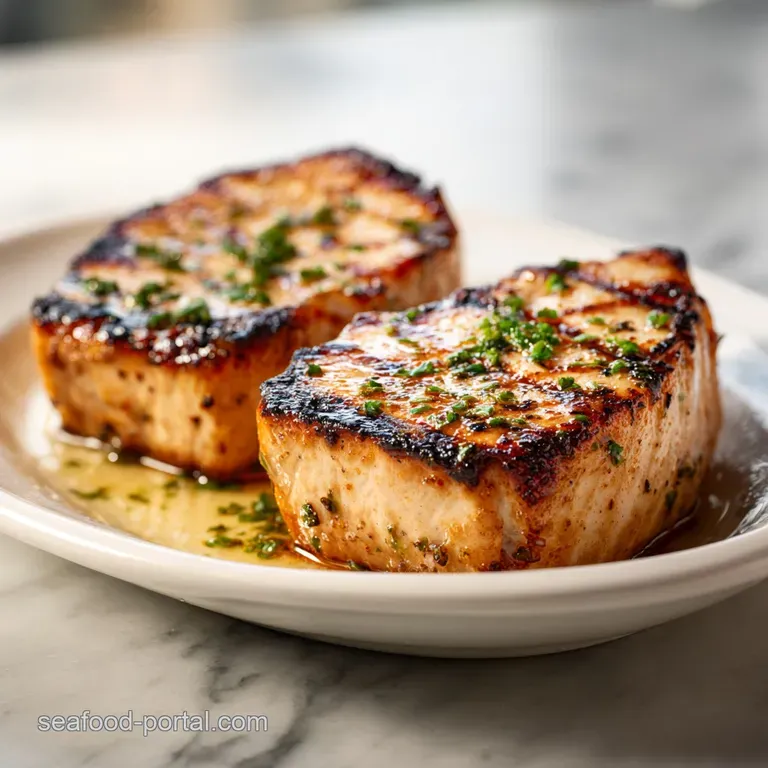
- Flavor/Texture Hook: Savory mahogany crust with a buttery, citrus infused center
- Perfect for: Weeknight date nights or a sophisticated, low carb dinner
- Master the Method: How to Cook Swordfish Steaks
- Why Searing Creates Better Flavor Layers
- Component Analysis for Perfect Fish
- Selecting Quality Ingredients for Success
- Essential Tools for Your Kitchen
- Step-by-Step Guide to Searing Success
- Solving Common Swordfish Cooking Problems
- Tasty Ways to Vary Your Dish
- Storing and Reheating Your Leftover Fish
- Best Sides to Serve Tonight
- Myths Regarding This Meaty Fish
- Recipe FAQs
- 📝 Recipe Card
Master the Method: How to Cook Swordfish Steaks
I remember standing in front of the seafood counter years ago, staring at these thick, pale blocks of fish that looked more like pork chops than anything from the ocean. I brought them home, treated them like delicate tilapia, and ended up with something that had the texture of a dry kitchen sponge.
It was heart breaking because swordfish isn't exactly a budget purchase, and I really felt like I had let the ingredient down.
Since that first disaster, I have learned that learning how to cook swordfish steaks is all about respecting its unique, dense muscle structure. It does not behave like cod or salmon, so we shouldn't treat it that way.
This method focuses on a over high heat sear that creates a savory surface while keeping the middle moist and tender.
You are going to love how the lemon zest and oregano work with the natural oiliness of the fish. By the time you pull these out of the pan, the aroma of sizzling butter and toasted capers will have your neighbors knocking on the door.
It is a fast, restaurant quality meal that actually works every single time you make it.
Why Searing Creates Better Flavor Layers
The Maillard Reaction: High heat creates a complex chemical reaction between amino acids and sugars, resulting in that savory brown crust.
Protein Denaturation: Quick, intense heat prevents the muscle fibers from tightening too slowly, which can squeeze out all the natural moisture.
Fat Soluble Aromatics: Infusing the butter with lemon zest and oregano at the end allows the flavors to penetrate the surface layer of the fish.
| Thickness | Internal Temp | Rest Time | Visual Cue |
|---|---|---|---|
| 1 inch | 145°F | 3 minutes | Opaque white with golden crust |
| 1.5 inch | 145°F | 5 minutes | Flakes easily with a fork |
| 0.75 inch | 140°F | 2 minutes | Just turns opaque in center |
The internal temperature is the most reliable way to ensure you don't overcook this specific fish. Because swordfish is so dense, even thirty seconds too long in the pan can turn it from succulent to tough. Using a digital thermometer takes the guesswork out of the process and ensures a velvety result.
Component Analysis for Perfect Fish
| Ingredient | Science Role | Pro Secret |
|---|---|---|
| Swordfish | Dense Protein | Pat completely dry to ensure the sear doesn't steam. |
| Avocado Oil | High Smoke Point | Stays stable at high temps where butter would burn. |
| Cold Butter | Emulsification | Adding it late creates a thick, glossy finishing sauce. |
| Lemon Zest | Essential Oils | Contains more flavor than juice without adding excess liquid. |
The choice of oil is vital here because we are working with high temperatures to get that mahogany crust. If you use a low smoke point oil, you'll end up with a bitter flavor. If you're looking for more variety in your seafood rotation, my Fish Recipes collection has some great alternatives for weeknight cooking.
Selecting Quality Ingredients for Success
- 2 swordfish steaks: 1 inch thick, approx. 7 oz each. Why this? Thickness ensures the outside sears before the inside overcooks.
- 1 tbsp extra virgin olive oil: For the marinade. Why this? Carries the oregano and zest flavors into the fish.
- 1 tsp lemon zest: Freshly grated. Why this? Adds bright citrus notes without the acidity of juice.
- 1/2 tsp dried oregano: Earthy herb notes. Why this? Complements the richness of the fish meat.
- 1/2 tsp coarse sea salt: For texture. Why this? Helps draw out surface moisture for a better crust.
- 1/4 tsp cracked black pepper: Sharp heat.
- 1 tbsp avocado oil: For the pan. Why this? Essential for over high heat searing without smoking.
- 2 tbsp unsalted butter: Finishing touch.
- 1 tbsp non pareil capers: Briny punch.
- 1 tbsp fresh Italian parsley: Freshness.
- 1/2 lemon: For the final juice.
| Original Ingredient | Substitute | Why It Works |
|---|---|---|
| Swordfish Steaks | Mahi Mahi | Similar firm texture, though slightly less fatty. |
| Avocado Oil | Grapeseed Oil | Both have high smoke points for intense searing. |
| Butter | Ghee | Provides the fat and flavor but with no dairy solids. |
| Dried Oregano | Dried Thyme | Offers a different but equally pleasant earthy aroma. |
Using high-quality sea salt makes a difference in the final mouthfeel of the crust. The larger grains create little pockets of flavor that pop when you take a bite. This technique is quite different from my How To Cook Cod recipe which focuses on delicate, translucent flakes rather than a meaty sear.
Essential Tools for Your Kitchen
A heavy bottomed skillet is your best friend when you cook swordfish steaks. Cast iron or stainless steel are the top choices because they hold heat exceptionally well. When the cold fish hits the pan, you don't want the temperature to drop, or you will lose that chance for a crisp surface.
You will also want a thin, flexible fish spatula. This allows you to get under the crust without tearing it away from the meat. Finally, a microplane for the lemon zest ensures you get the yellow part of the skin without the bitter white pith.
step-by-step Guide to Searing Success
Phase 1: Prepping the Steaks for Maximum Sear
- Pat the swordfish steaks dry using paper towels until no moisture remains on the surface. Note: Surface water creates steam, which prevents browning.
- Whisk the extra virgin olive oil, lemon zest, oregano, salt, and pepper in a small bowl.
- Rub the marinade over all sides of the steaks, ensuring even coverage.
- Allow the fish to sit at room temperature for 15 minutes. Note: This prevents the "cold core" that leads to uneven cooking.
Phase 2: Achieving That Mahogany Crust
- Heat the avocado oil in a large skillet over medium high heat until it shimmer and wisps of smoke appear.
- Place steaks in the pan and press down lightly with a spatula to ensure full contact.
- Sear for 3 to 4 minutes without moving them until a deep golden crust forms.
- Flip the steaks carefully using a fish spatula.
- Add the butter, capers, and lemon juice to the pan and let it sizzle and foam around the fish.
- Spoon the melting butter over the steaks for another 3 to 4 minutes until the center reaches 145°F.
Solving Common Swordfish Cooking Problems
Why Your Fish Turned Out Rubbery
Swordfish is very lean compared to salmon. If it stays on the heat too long, the muscle fibers tighten and become bouncy or tough. This is usually the result of overcooking by even just a minute.
Why the Crust Is Soggy
If the pan wasn't hot enough or if the fish was still wet when it hit the oil, you won't get a "shatter" on the surface. Moisture is the enemy of the sear.
| Problem | Root Cause | Solution |
|---|---|---|
| Fish sticks to pan | Moved too early | Wait for the protein to naturally release from the metal. |
| Bitter aftertaste | Burned butter | Add butter only during the last 2 minutes of cooking. |
| Grey, dull exterior | Low heat | Ensure oil is shimmering hot before adding the fish. |
Chef's Tip: Freeze your butter for 10 minutes before adding it to the pan. This slows down the melting process, allowing the milk solids to brown more slowly and create a more complex, nutty flavor without burning.
Common Mistakes Checklist
- ✓ Never skip the pat dry step; it is the difference between a sear and a steam.
- ✓ Avoid using non stick pans if you want a truly professional crust.
- ✓ Don't overcrowd the pan; if making four steaks, use two pans or work in batches.
- ✓ Use a meat thermometer to pull the fish at 140°F, as carryover heat will finish it.
- ✓ Let the fish rest for at least 3 minutes before slicing to keep the juices inside.
Tasty Ways to Vary Your Dish
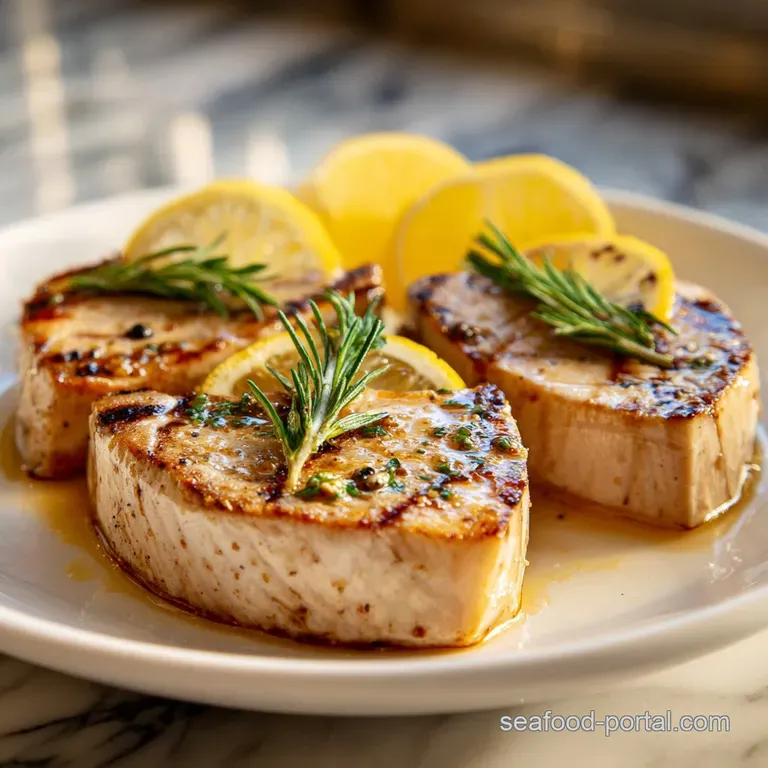
If you want a Mediterranean twist, swap the oregano for fresh rosemary and add some halved cherry tomatoes to the pan during the butter basting phase. The tomatoes will blister and release their juices, creating a rustic sauce that pairs beautifully with the briny capers.
For those who enjoy a bit of heat, add a pinch of red pepper flakes to the initial rub. The spice blooms in the hot oil and cuts through the richness of the butter sauce. You can also experiment with different citrus, such as lime zest and cilantro, for a brighter, more tropical profile.
- If you want a smoky flavor, use a cedar plank on the grill for the last 5 minutes of cooking.
- If you want a crunchier texture, press one side of the marinated steak into toasted sesame seeds before searing.
- If you want a lighter finish, skip the butter and use a drizzle of high-quality cold pressed olive oil after plating.
Storing and Reheating Your Leftover Fish
Swordfish keeps surprisingly well in the fridge for up to 2 days if stored in an airtight container. However, reheating it is tricky. I highly recommend avoiding the microwave, as it will almost certainly turn the fish into rubber.
Instead, gently warm it in a pan with a splash of water or broth over low heat, covered, until just warmed through.
For zero waste, I love flaking leftover swordfish into a salad or using it as a filling for fish tacos the next day. The firm texture holds up well to being tossed with dressings. You can also freeze cooked swordfish for up to 1 month, though the texture will soften slightly upon thawing.
Best Sides to Serve Tonight
Because swordfish is so substantial, it needs sides that can stand up to its "steak like" presence. Roasted fingerling potatoes with garlic or a simple lemon parmesan asparagus are classic choices. The acidity in the asparagus helps balance the buttery caper sauce.
A crisp green salad with a sharp vinaigrette also works wonders. If you are looking for something heartier, a bed of creamy polenta or a citrus infused couscous will soak up all that extra lemon butter from the pan. Don't forget a glass of chilled Vermentino or a light Pinot Noir to round out the meal.
Myths Regarding This Meaty Fish
One common misconception is that swordfish must be pink in the middle like a tuna steak. While some people prefer it that way, swordfish is actually much better when cooked through to a medium doneness. The flavor develops more fully, and the texture becomes flaky rather than chewy.
Another myth is that you need to marinate swordfish for hours. Because the flesh is so dense, long marinations with acid (like lemon juice) can actually start to "cook" the outside of the fish, making it mushy. A quick 15 minute rub with oil and herbs is all you need for a punch of flavor.

Recipe FAQs
What is the best method of cooking swordfish?
Searing over high heat followed by basting. Swordfish is dense and benefits from an intense initial sear to develop a crust while keeping the interior moist.
What seasoning is good on swordfish?
Lemon zest, oregano, salt, and pepper. These bright and earthy flavors complement the meaty texture without overwhelming the natural taste of the fish.
How do you pan fry swordfish steaks?
Heat avocado oil until shimmering, sear for 3-4 minutes per side, then add butter and baste. Ensure the steaks are completely dry before they hit the hot oil to prevent steaming and maximize browning.
Why did Anthony Bourdain say not to eat swordfish?
He cited environmental and health concerns regarding mercury accumulation. Swordfish are long lived apex predators, meaning mercury concentrates at higher levels, which is a valid concern for frequent consumption.
Can I bake swordfish instead of searing it?
Yes, but searing provides superior texture. Baking is a fine option for convenience, especially if you follow the How to Bake recipe guidelines for temperature management.
Is it true that swordfish must be cooked well done?
No, this is a common misconception. While it is not unsafe when cooked to medium (145°F), it is much more palatable when slightly less than fully cooked; overcooking results in a tough, dry texture.
What temperature should I pull swordfish off the heat?
Pull it off the heat when the internal temperature reaches 140°F. The residual heat, or carryover cooking, will push it to the recommended safe internal temperature of 145°F while resting.
Cook Swordfish Steaks Perfectly
Ingredients:
Instructions:
Nutrition Facts:
| Calories | 518 kcal |
|---|---|
| Protein | 40 g |
| Fat | 38 g |
| Carbs | 2 g |
| Fiber | 0.5 g |
| Sugar | 0.5 g |
| Sodium | 730 mg |
