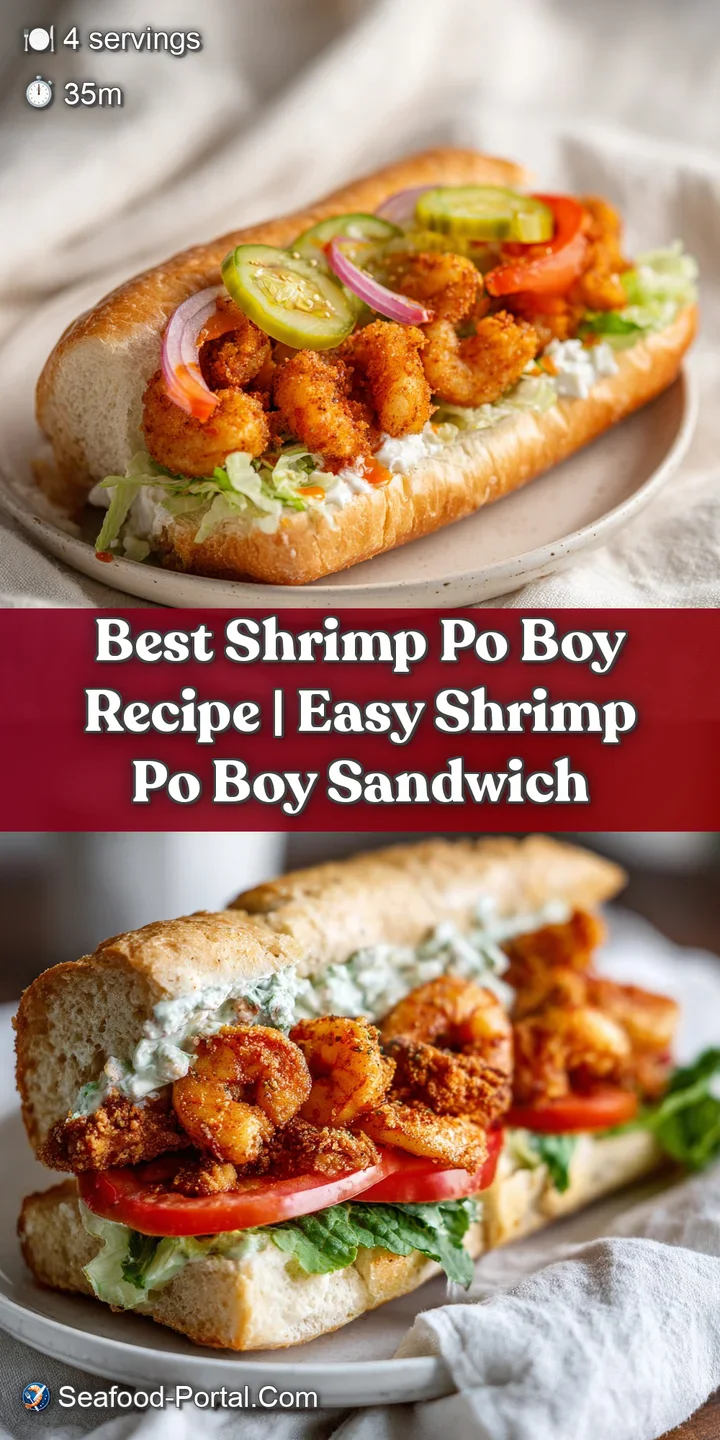
Shrimp Po Boy: Classic New Orleans Style
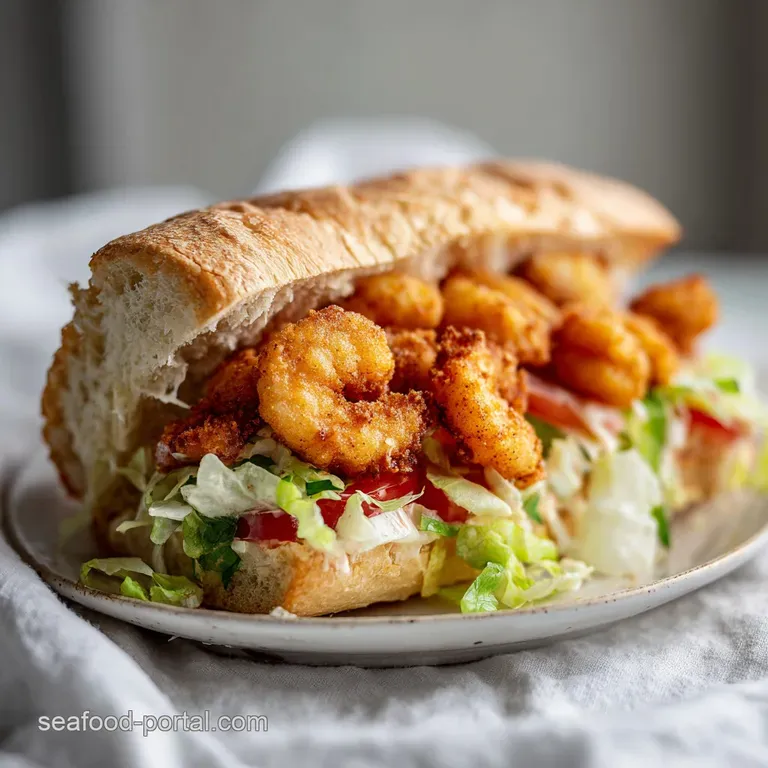
- Time: Active 20 minutes, Passive 15 minutes, Total 35 minutes
- Flavor/Texture Hook: Shatter crisp cornmeal crust with a velvety, zesty sauce.
- Perfect for: Weekend lunch, impressing friends, or a festive weeknight treat.
Success Specs
To get this right, we have to look at how the ingredients interact. It isn't just about throwing things in a pan; it’s about heat management and chemistry. The buttermilk isn't just there for stickiness; it actually helps tenderize the shrimp while providing the perfect acidic base for the breading to cling to.
Starch Synergy: Combining flour and cornmeal creates a multifaceted crust; flour provides the structure while cornmeal offers that signature gritty crunch.
Temperature Precision: Frying at exactly 375°F (190°C) ensures the crust sets instantly, preventing the shrimp from absorbing excess oil and becoming greasy.
Acidic Balance: The lemon juice and horseradish in the remoulade cut through the richness of the fried coating, refreshing your palate with every bite.
Bread Porosity: Toasting the French loaf cut side down creates a moisture barrier, so the sauce doesn't soak through and ruin the structural integrity.
Quick Decision Table
| Shrimp Thickness | Internal Temp | Rest Time | Visual Cue |
|---|---|---|---|
| Large (16/20 count) | 145°F (63°C) | 2 minutes | Opaque center, mahogany exterior |
| Medium (26/30 count) | 145°F (63°C) | 1 minute | C shape curl, golden brown |
| Jumbo (U-10 count) | 145°F (63°C) | 3 minutes | Firm to touch, deep bronze |
Choosing the right size is half the battle. If you go too small, the shrimp overcook before the breading gets crispy. If you go too large, the breading might burn before the middle is safe to eat. Stick to the 16/20 count for the most balanced bite. It's the "Goldilocks" zone of seafood frying.
Ingredient Deep Dive
| Component | Science Role | Pro Secret |
|---|---|---|
| Fine Cornmeal | Texture Agent | Use yellow cornmeal for a more vibrant, "fried" look. |
| Peanut Oil | Heat Carrier | Higher smoke point prevents that burnt, acrid aftertaste. |
| Whole Buttermilk | Protein Binder | The lactic acid slightly softens the shrimp's exterior fibers. |
| Creole Mustard | Flavor Anchor | Whole seeds provide tiny pops of vinegar and spice. |
Essential Shopping List
Getting the right stuff is non negotiable. If you're grabbing extra seafood for the week, you might want to try this speedy garlic shrimp for a lighter dinner tomorrow. But for today, we are going full indulgence.
- 1.5 lbs (680g) large shrimp (16/20 count): Peeled and deveined. Why this? They stay juicy during the over high heat fry.
- 1 cup (240g) high-quality mayonnaise: The base of our sauce. Why this? Provides the necessary fat for a velvety mouthfeel.
- 2 tbsp (30g) whole grain Creole mustard: For that NOLA kick. Why this? Adds texture and deep, vinegary complexity.
- 1 tbsp (15g) prepared horseradish: Pure heat. Why this? Clears the sinuses and cuts through the fried fat.
- 1 tsp (5ml) fresh lemon juice: Bright acidity.
- 1 tsp (5ml) Louisiana style hot sauce: Vinegar forward spice.
- 1 tsp (2g) smoked paprika: For a hint of woodsy depth.
- 1 tbsp (10g) minced capers: Salty little flavor bombs.
- 1 cup (125g) all purpose flour: The structural glue.
- 1.5 cups (240g) fine yellow cornmeal: The crunch factor.
- 2 tbsp (16g) Cajun seasoning: Divided use for shrimp and dredge.
- 1 cup (240ml) whole buttermilk: Our marinade base.
- 1 large egg: Extra binding power for the crust.
- 1 quart (1L) peanut oil: The best frying medium.
- 2 large French style loaves: Look for a crispy crust and airy interior.
- 2 cups (150g) shredded iceberg lettuce: Essential for the "dressed" style.
- 2 large vine ripened tomatoes: Sliced thin.
- 12 dill pickle chips: Sour and crunchy.
Substitution Table
| Original Ingredient | Substitute | Why It Works |
|---|---|---|
| Peanut Oil | Vegetable Oil | Neutral flavor and high smoke point, though less nutty. |
| Whole Buttermilk | Yogurt + Milk | Similar acidity levels to tenderize the seafood effectively. |
| Creole Mustard | Dijon Mustard | Same spice profile but lacks the whole grain texture. |
It's important to note that while substitutions work, the flavor profile might shift. Using Dijon instead of Creole mustard makes for a smoother sauce that's slightly more sharp than earthy. If you skip the peanut oil for vegetable oil, you lose that subtle richness, but the sandwich will still be great.
Required Kitchen Tools
You don't need much, but what you have should be high-quality. A heavy bottomed Dutch oven is my go to because it holds heat like a champion. When you drop cold shrimp into hot oil, the temperature naturally dips. A thin pot will lose too much heat, leading to greasy, limp breading.
A wire cooling rack is also vital. Never, ever drain fried food on paper towels. I used to do this, and the bottom of the shrimp would always turn into a soggy mess within minutes. The rack allows air to circulate around the entire shrimp, keeping that cornmeal crust shatter crisp on all sides.
Finally, an instant read thermometer. Don't guess. If the oil is at 350°F instead of 375°F, you're cooking, not frying. That 25 degree difference is the gap between a "meh" sandwich and a legendary one.
step-by-step Cooking Guide
- Marinate the shrimp. Whisk the buttermilk, egg, and 1 tablespoon of Cajun seasoning in a large bowl. Submerge the cleaned shrimp and refrigerate for 15 minutes. Note: This allows the flavors to penetrate the seafood.
- Mix the remoulade. Stir together the mayonnaise, mustard, horseradish, lemon juice, hot sauce, smoked paprika, and minced capers. Wait for the smell of the capers and lemon to bloom before covering and chilling.
- Prepare the dredge. In a shallow dish, whisk together the cornmeal, all purpose flour, and the remaining Cajun seasoning until uniform.
- Heat the oil. Pour the peanut oil into a Dutch oven and bring it to 375°F (190°C). Note: Use a thermometer to ensure accuracy.
- Coat the shrimp. Working in batches, remove shrimp from the buttermilk, letting excess drip off, then toss in the cornmeal mixture. Press the coating in firmly to ensure it sticks.
- Fry until golden. Carefully drop the shrimp into the oil and fry for 2-3 minutes until they turn mahogany gold and float.
- Drain and rest. Move the shrimp to a wire cooling rack immediately. Listen for the faint sizzle as the steam escapes the crust.
- Toast the bread. Halve the French loaves and toast them cut side down on a dry griddle until scorched and crispy.
- Build the sandwich. Spread a thick, generous layer of remoulade on both sides of the toasted bread.
- Dress and serve. Layer with shredded iceberg lettuce, tomato slices, and dill pickles, then overstuff with the hot, fried shrimp.
Fixing Common Errors
Even with a solid plan, things can go sideways. The most frustrating thing is seeing all that beautiful breading fall off in the oil. It usually happens because the shrimp were too wet or the oil wasn't hot enough.
Why Your Breading Falls Off
If your crust is sliding off like an oversized coat, you likely didn't let the excess buttermilk drip off before dredging. You want a thin layer of liquid to act as glue, not a puddle. Another culprit is overcrowding.
If you put too many shrimp in the pot at once, they bump into each other and knock their coats off before the heat can set the starch.
Why Your Bread Is Chewy
There’s nothing worse than a po boy that requires a workout for your jaw. This usually happens if the bread is too fresh or hasn't been toasted properly. You want that "shatter" factor. Toasting creates a brittle layer that breaks easily, making the sandwich much more pleasant to eat.
Troubleshooting Table
| Problem | Root Cause | Solution |
|---|---|---|
| Greasy Shrimp | Oil temp too low | Ensure oil returns to 375°F before adding the next batch. |
| Tough Seafood | Overcooked | Remove exactly at 3 minutes; they carry over cook. |
| Bland Coating | Not enough salt | Season the dredge and the marinade separately for depth. |
Common Mistakes Checklist
- ✓ Forgetting to devein the shrimp (ruins the texture and flavor).
- ✓ Skipping the egg in the buttermilk (the breading won't stick as well).
- ✓ Using "salad" shrimp (they will vanish into the breading).
- ✓ Draining on paper towels (leads to a soggy bottom).
- ✓ Not toasting the bread (the sauce will soak through).
Simple Dietary Variations
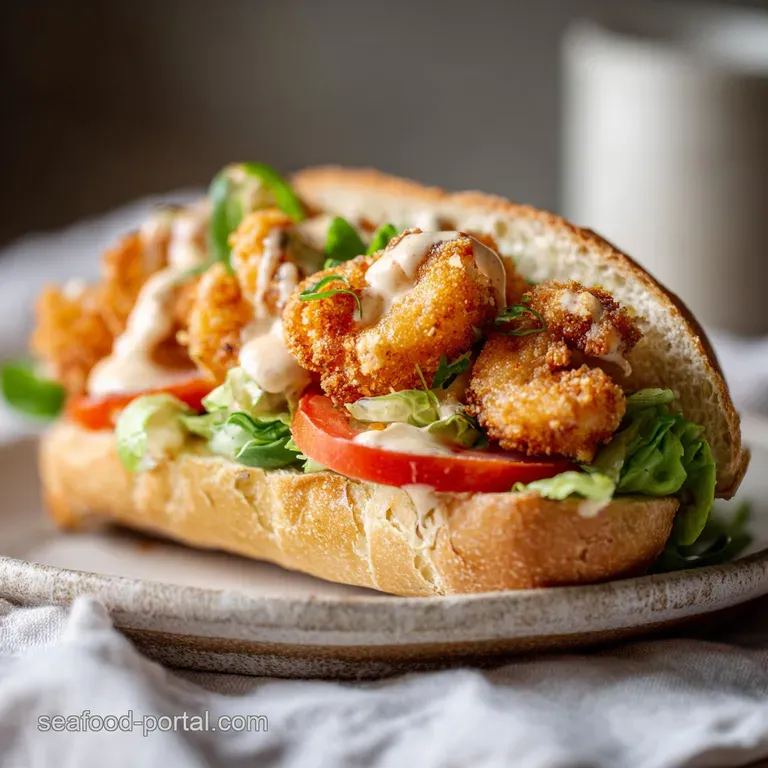
If you're looking for a lifestyle change but still want the flavor, you can try a "Healthy" version. Instead of deep frying, toss the breaded shrimp with a little cooking spray and air fry them at 400°F (200°C) for about 6-8 minutes.
It won't have quite the same mahogany depth, but it satisfies the craving.
The gluten-free Swap
You can easily make this gluten-free by swapping the all purpose flour for a high-quality 1 to-1 gluten-free flour blend. The cornmeal is naturally gluten-free, so the crunch remains largely the same. Just ensure your Cajun seasoning doesn't have hidden anti caking agents containing gluten.
Serving Method Comparison
| Method | Time | Texture | Best For |
|---|---|---|---|
| Deep Fry | 15 minutes | Maximum crunch | Authentic experience |
| Air Fry | 20 minutes | Firm and clean | Lighter weeknight meals |
| Pan Sear | 10 minutes | Soft and buttery | Speed over texture |
If you want to skip the bread entirely, the fried shrimp actually work beautifully on top of a classic seaside shrimp dip. It’s like a deconstructed po boy that’s perfect for parties.
Scaling Guidelines
Scaling this recipe is pretty straightforward because it's mostly about the ratio of the dredge. If you’re doubling the recipe for a party, don't just double the oil you only need enough oil to submerge the shrimp. However, you will need to work in significantly more batches.
When scaling down for two people, you can use half an egg. Just beat the egg in a small bowl, then pour out half of it. It feels wasteful, but using a whole egg for a half batch of buttermilk can make the marinade too thick, which leads to a heavy, doughy crust.
For large groups, keep the fried shrimp in a 200°F (95°C) oven on that wire rack. They’ll stay crispy for up to 30 minutes while you finish the rest of the batches. Just don't stack them! Stacking creates steam, and steam is the enemy of the crunch.
Myths
One big myth is that you shouldn't use frozen shrimp. Actually, unless you live right on the Gulf Coast, "fresh" shrimp at the grocery store are often just frozen shrimp that have been thawed behind the counter. Buying them frozen yourself ensures they are at their peak freshness when you're ready to cook.
Just thaw them slowly in the fridge overnight.
Another myth is that the remoulade needs to be spicy to be authentic. While heat is a component, the real soul of a remoulade is the acidity and the herbs. It’s meant to be a cooling, tangy counterpoint to the hot grease and spice of the shrimp. If it’s too hot, it masks the sweetness of the seafood.
Storage Guidelines
Fried shrimp are best eaten immediately like, within ten minutes of coming out of the oil. However, if you have leftovers, store the shrimp, bread, and sauce in separate containers.
To reheat the shrimp, use an oven or air fryer at 350°F (180°C) for about 5 minutes. Never use a microwave. A microwave will turn your beautiful cornmeal crust into a sad, rubbery casing that tastes like disappointment.
Zero Waste Tip: Don't throw away the shrimp shells! You can freeze them and later simmer them with some onion, celery, and water to make a quick seafood stock. It's liquid gold for risottos or soups.
Serving Ideas
A po boy is a meal in itself, but a side of Zapp’s potato chips or a cold coleslaw really rounds it out. I personally love serving this with a very cold, crisp lager or a sweet tea. The carbonation or the sugar helps reset your tongue between those rich, savory bites.
For a fun twist, serve these as "sliders" on small brioche buns for a party. You get the same flavor profile but in a more manageable, bite sized format. Just make sure you still toast the buns that structural integrity is everything, regardless of the size!
Now, get in that kitchen and make the best sandwich of your life. Trust me, your friends will be begging for the recipe.
Critical Sodium Alert!
1840 mg 1840 mg (80% 80%)
The American Heart Association recommends limiting sodium intake to 2,300 mg per day, but an ideal limit of no more than 1,500 mg per day for most adults.
Personalized Tips to Slash Sodium:
-
Rethink the Cajun Seasoning-30%
Cajun seasoning is a significant source of sodium. Opt for a low-sodium or no-salt added Cajun seasoning blend, or create your own by combining paprika, garlic powder, onion powder, black pepper, cayenne pepper, and dried herbs.
-
Choose Low-Sodium Pickles-20%
Dill pickle chips can contribute a surprising amount of sodium. Select dill pickle chips that are labeled 'low sodium' or 'no salt added' to significantly reduce sodium intake.
-
Watch the Capers-15%
Capers are typically brined in salt water. Rinse minced capers thoroughly under cold water before adding them to the recipe to wash away excess sodium. You can also look for low-sodium brined capers.
-
Boost Fresh Flavors
While not a sodium source, enhancing the flavor with fresh lemon juice and a touch of extra black pepper can help compensate for reduced sodium from other ingredients.
-
Flavor with Hot Sauce Wisely-10%
Louisiana style hot sauces can vary in sodium content. Check the label and consider using a lower sodium hot sauce or a smaller amount.
-
Mindful Mayo and Mustard-5%
While mayonnaise and mustard are not inherently high in sodium, choosing light mayonnaise and a lower sodium whole grain mustard can offer small reductions.
Recipe FAQs
What are the ingredients for a shrimp po-boy?
You need a specific set of pantry and fresh items for the authentic result. The core components include large shrimp, buttermilk, egg, and Cajun seasoning for the dredge, plus cornmeal and flour for the crust.
You also need mayonnaise, Creole mustard, horseradish, lemon juice, hot sauce, smoked paprika, and capers for the remoulade, finished with French bread, lettuce, tomatoes, and pickles.
What is the best sauce for shrimp po boys?
A classic homemade remoulade is the only choice. By mixing mayonnaise, Creole mustard, horseradish, lemon juice, hot sauce, smoked paprika, and minced capers, you create the necessary acidity and earthiness to cut through the fried shrimp. If you mastered the emulsification technique needed for this stable sauce, try applying the same whisking method to our velvety shrimp sauce.
What is the filler for po-boy?
The primary filler is the cornmeal crusted fried shrimp. This is layered atop the bread with shredded iceberg lettuce, vine ripened tomato slices, and dill pickle chips to provide crunch and freshness.
What is traditionally on a po-boy?
Tradition dictates a "dressed" sandwich. This means it must include a heavy spread of remoulade on both sides of the toasted French bread, topped with shredded iceberg lettuce, sliced tomatoes, pickles, and the hot, mahogany gold fried shrimp.
How to keep the shrimp from becoming greasy?
Maintain the peanut oil at exactly 375°F. If the temperature drops below this point, the breading will absorb the oil instead of crisping up, so always wait for the thermometer to recover before frying your next batch.
How to avoid overcooking the shrimp?
Limit frying time to 2-3 minutes. Since shrimp cook extremely fast, removing them once they hit that mahogany gold color ensures they remain tender rather than becoming rubbery.
Is it true I can microwave leftover fried shrimp?
No, this is a common misconception. Microwaving will ruin the texture, turning your crispy cornmeal coating into a sad, rubbery mess; instead, reheat leftovers in an oven or air fryer at 350°F for 5 minutes.
Classic Shrimp Po Boy 2
Ingredients:
Instructions:
Nutrition Facts:
| Calories | 1185 kcal |
|---|---|
| Protein | 48 g |
| Fat | 62 g |
| Carbs | 108 g |
| Fiber | 6.5 g |
| Sugar | 7 g |
| Sodium | 1840 mg |
