Rhode Island Clam Chowder: Classic Clear Broth
- The Briny Secret: Why Rhode Island Chowder Reigns Supreme
- The Science of Clarity: Achieving the Perfect Broth
- Essential Components: Clams, Potatoes, and Aromatics
- Step-by-Step Method: Crafting the Clear-Broth Masterpiece
- Expert Insights: Troubleshooting and Pro Chef's Notes
- Keeping it Fresh: Storage and Reheating Guidelines
- Perfect Pairings: What to Serve Alongside Clear Chowder
- Recipe FAQs
- 📝 Recipe Card
The Briny Secret: Why Rhode Island Chowder Reigns Supreme
I’m going to level with you: if you think of chowder and your mind immediately goes to a thick, goopy white mess, you’re missing out on the absolute purest joy of the ocean.
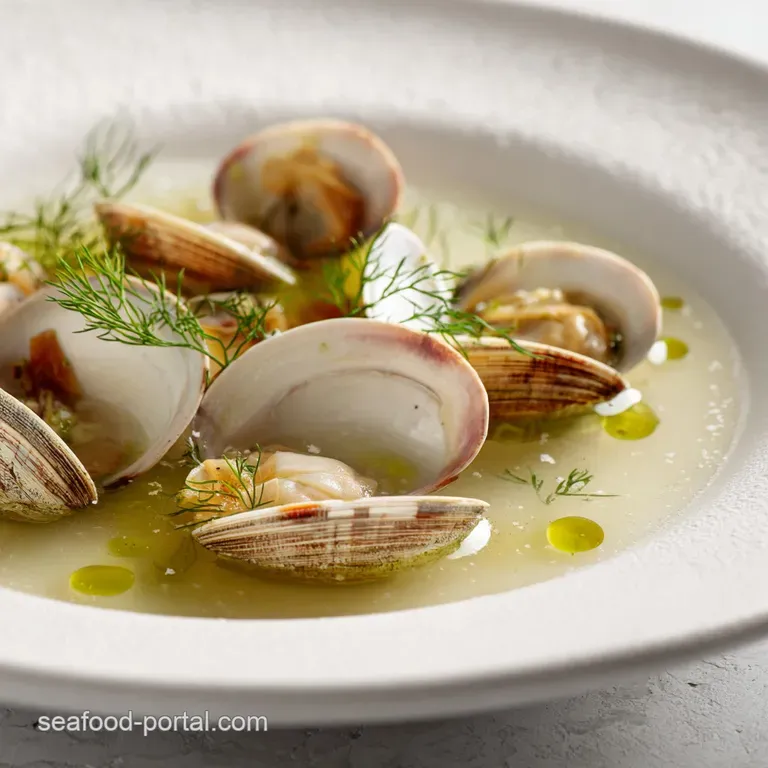
This classic clear broth style, known properly as rhode island clam chowder , is hands down the most honest way to celebrate a clam. When that steaming bowl hits your table, you smell the salt and the rendered bacon fat, not just a load of dairy.
It’s bracing, light, and deeply satisfying all at the same time.
Honestly, I turn to this recipe whenever the pantry looks sparse and the weather is miserable. It’s incredibly fast, requires zero roux making stress, and the ingredients are usually inexpensive canned staples we always keep stocked.
This is truly fast food, but elevated, making it a complete lifesaver on Tuesday nights. Forget those fancy restaurant versions, because this homemade rhode island clam chowder is better than anything you’ll buy.
We are diving deep into the history and technique of this New England staple, ignoring the cream, the tomatoes, and all the nonsense. We are focusing solely on the elegance of the clear broth.
If you’re ready to taste the sea in its truest form, grab your stockpot and let’s crack on with the ultimate rhode island clam chowder recipe.
The Science of Clarity: Achieving the Perfect Broth
The magic of this recipe isn't complexity; it’s restraint. We are aiming for a broth that looks like liquid gold, perfectly seasoned, and full of flavor from the fat and the brine.
Getting the foundation right is the difference between a weak clam soup and a robust rhode island clam chowder .
Defining the Difference: Clear Broth vs. Creamy Bases
Most people know New England Chowder, which uses cream and flour to create a heavy, luxurious texture. Then you have Manhattan, which adds tomatoes and herbs for acidity and color. Rhode island clam chowder , however, rejects both these additions.
It insists on a clear, clean broth base, letting the sweetness of the clam meat and the savoriness of the pork shine through unimpeded. This is how the original chowders were made before dairy became ubiquitous.
A Taste of Tradition: The Heritage of the Smallest State
Rhode Island chowder isn’t just a regional variation; it’s a fiercely protected tradition. Locals will tell you that adding milk or tomatoes is sacrilege, and they are absolutely right. This style showcases the high-quality of the quahog clams native to the region.
When you order genuine rhode island clam chowder along the coast, you expect a transparent, deeply flavorful liquid nothing else will do.
Our Recipe's Core Advantage: Letting the Clam Brine Shine
The key advantage here is using both bottled clam juice and the reserved liquid from the canned clams. This double punch of ocean essence ensures that even if you can’t get fresh clams, your chowder still tastes authentic. We are building flavor layers, but everything supports the clams.
When you make this traditional rhode island clam chowder , you realize how powerful that simple briny flavor can be.
The Importance of Rendering Salt Pork
You cannot skip the rendered salt pork, trust me. That rendered fat, called lard or speck, is the savory backbone of the entire dish. Rendering it slowly over medium low heat allows the fat to clarify and develop a nutty aroma without burning the little meat pieces.
This fat carries the flavor that defines the best rhode island clam chowder .
Selecting and Preparing Starchy Potatoes
We use Yukon Golds here because they hold their shape beautifully and have a slightly waxy texture, resisting the urge to totally dissolve into the clear broth. Russets, while great for mashed potatoes, release too much starch, which will cloud your clear broth a major sin when making rhode island clam chowder .
Stick with waxy potatoes and dice them uniformly for even cooking.
The Role of Quahog and Bottled Clam Juice
If you can find fresh quahogs, use them, but canned chopped clams combined with high-quality bottled clam juice works perfectly well. The bottled juice provides the necessary depth of flavor that allows this to truly taste like authentic rhode island clam chowder , even if you’re landlocked.
Always start with the clam juice as the main liquid base; water is just a supplement.
Essential Components: Clams, Potatoes, and Aromatics
Every ingredient needs to pull its weight in a simple dish like this. There’s nowhere for mediocrity to hide, so choose wisely.
Choosing the Right Clams (Quahogs, Littlenecks, or Canned)
Quahogs are the traditional clam used in this preparation because they are large and meaty. If you are using canned chopped clams, make sure they are well drained but always reserve that liquid ; it’s liquid gold for intensifying the flavor of your rhode island clam chowder .
For fresh clams, littlenecks are easier to find and shuck, and their liquor is incredibly potent.
Potato Varieties: Ensuring Tender Cubes That Don't Cloud the Broth
The size of the cube matters, too. Keep them around a half inch dice. If they are too small, they’ll turn into mush before the longer simmer time is over. This clarity is paramount for a proper rhode island clam chowder .
| Potato Type | Starch Content | Recommended for RI Chowder? |
|---|---|---|
| Yukon Gold | Medium/Waxy | Yes (Holds shape, good flavor) |
| Russet/Idaho | High/Floury | No (Too much breakdown, clouds broth) |
| Red Bliss | Low/Waxy | Yes (Very firm, slightly less flavorful) |
Building the Base: Salt Pork, Bacon, or Oil Options
Salt pork is the champion here; its fat is pure, clean, and lends a distinct, salty, subtle flavor. If you absolutely cannot find it, thick cut smoked bacon (like a good quality country bacon) is the best stand-in. Render it down fully to get that lovely crisp texture and savory fat.
If you are completely avoiding pork, use olive oil and add a tablespoon of smoked paprika to the onions for depth.
Flavor Enhancers: Onion, Celery, and Fresh Herbs
Onion and celery (the classic mirepoix base) are essential for savory depth, but don't overdo the herbs. A single bay leaf and a tiny sprinkle of fresh thyme are all you need. We are aiming for clams and brine, not a heavily herbed vegetable soup.
Too much greenery will fight the beautiful simplicity of the clear broth rhode island clam chowder .
step-by-step Method: Crafting the Clear Broth Masterpiece
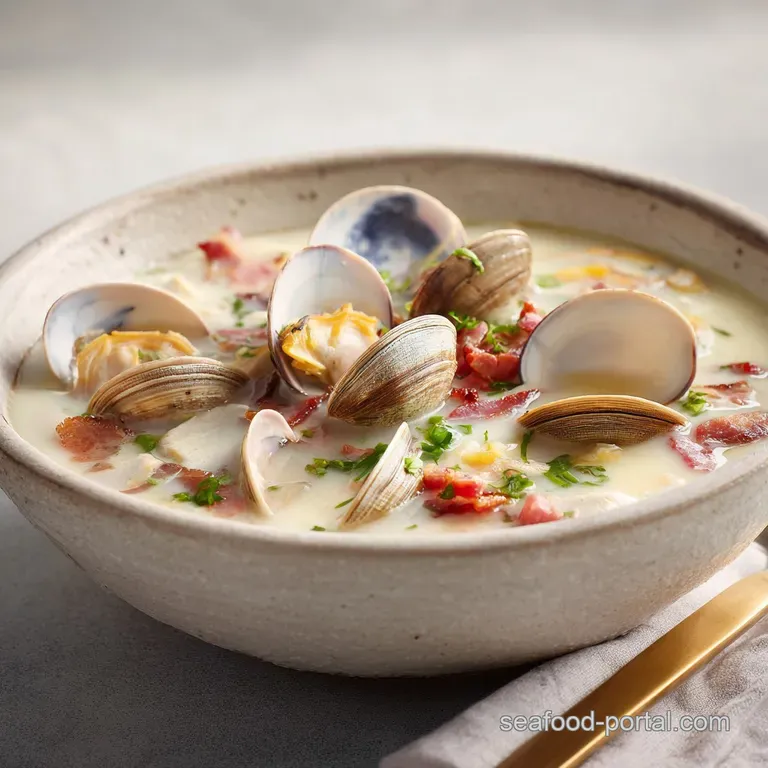
This is where the magic happens, but remember: low and slow wins the race.
Prepping the Salt Pork and Rendering the Fat
Dice the salt pork into small cubes, aiming for consistent size. Place them in your cold Dutch oven or stockpot, then turn the heat to medium low. This slow process coaxes all that beautiful, savory fat out without scorching the meat bits.
Cook until they are deeply golden brown and crisp, taking about 10 minutes total. Remove the cracklings, reserving them for garnish, and wipe out all but about one tablespoon of the rendered fat. This concentrated base is crucial for amazing rhode island clam chowder .
Building the Savory Foundation (Sautéing Aromatics)
Add a knob of butter to the reserved fat. Toss in your diced onion and celery, cooking until they are truly soft and translucent. This takes 5– 7 minutes. Don’t rush this step, because sweet, soft aromatics prevent the broth from tasting raw or vegetal.
Toss in the garlic and thyme for the last 60 seconds of cooking until you smell that heavenly nutty aroma.
The Crucial Simmer: Softening Potatoes and Developing Depth
Add the clam juice, the water, the bay leaf, and the diced potatoes. Bring this mixture up to a quick boil, then immediately drop the heat back down to a gentle simmer the gentler, the better. Partially cover the pot and let the potatoes soften.
This simmer, which lasts about 20– 25 minutes, is when the potatoes gently release a little starch, thickening the broth just barely, lending body to the rhode island clam chowder .
Finalizing and Seasoning the Rhode Island Clam Chowder
Once the potatoes are fork tender, stir in the wine (if using) and let it bubble away for two minutes. Then, add the drained chopped clams. This is the single most important step for tender clams. Turn the heat off or to the absolute lowest setting.
Let the clams sit in the hot liquid for only 2– 3 minutes to warm through. If you boil them now, they turn into little rubber bouncy balls, ruining your perfect batch of rhode island clam chowder . Remove the bay leaf, season with pepper, and salt only if needed.
Serve immediately.
Expert Insights: Troubleshooting and Pro Chef's Notes
Preventing Potato Mash: Cutting and Cooking Techniques
I learned this the hard way: if you stir the chowder too aggressively during the long simmer, you risk damaging the delicate potato structure. Use a wooden spoon and stir gently, maybe once every 10 minutes, just to ensure nothing is sticking to the bottom.
Uniform dicing also means they all finish cooking simultaneously, preventing premature mushiness. You want perfect, tender cubes in your rhode island clam chowder .
Salvaging Broth That's Too Salty
Bottled clam juice can be intensely salty. If you taste the chowder before the end and it’s too briny, the fix is easy: add more plain water or low-sodium chicken stock, a half cup at a time, until the balance is restored.
You might also want to introduce a small raw potato, peeled, quartered, and simmered for 10 minutes, as it will absorb some of the excess salt before you discard it. Don’t add salt until the very last minute when making your rhode island clam chowder .
Achieving Maximum Clam Tenderness
Chef’s Note: Clams are delicate proteins. They seize up and toughen rapidly when exposed to prolonged high heat. Always add cooked or canned clams after the main simmer is finished, turning the heat off immediately, and let residual heat do the work.
Why You Must Never Bring the Chowder to a Hard Boil
Hard boiling does two terrible things: it toughens the clams (see above) and it violently breaks apart the potatoes, which clouds the broth. The whole point of a classic rhode island clam chowder is its gorgeous, clear transparency.
Keep the heat controlled and maintain a very gentle ripple on the surface, never a rolling, bubbling boil.
Keeping it Fresh: Storage and Reheating Guidelines
You’ve mastered the art of the clear broth, so now let’s make sure those leftovers taste just as good the next day. This batch of rhode island clam chowder makes fantastic lunch leftovers, trust me.
Safe Refrigeration Timelines
This chowder stores beautifully in the fridge. Transfer leftovers to an airtight container immediately after cooling (within 2 hours of cooking). It will keep safely for 3 4 days. The flavor actually deepens overnight as the clams and aromatics meld further into the broth.
Best Practices for Freezing Chowder (Potato Considerations)
Can you freeze rhode island clam chowder ? Yes, mostly. Because we use waxy potatoes and not starchy russets, they hold up better to the freeze thaw process. However, freezing always slightly alters the potato texture, making them a little mealier.
To get the best result, cool the chowder completely before sealing it tightly. It will last in the freezer for up to 3 months. When reheating, do it slowly over medium low heat, stirring occasionally.
Perfect Pairings: What to Serve Alongside Clear Chowder
Since rhode island clam chowder is lighter than its New England counterpart, you have more room for fun sides.
The Bread Basket
A crusty baguette or a light sourdough is non-negotiable for dunking. If you're in the mood for something decadent, try making a simple garlic toast spread with good quality butter.
Switching Gears with Creamy Options
If you find yourself craving that creamy texture sometimes (we all do!), you could always make a heavy, comforting alternative, like this incredible Lobster Chowder Soup: Creamy, Restaurant Quality Comfort Food on a subsequent night. But for today, we stick to the purity of the rhode island clam chowder .
A Simple Salad
Because the chowder is light and briny, a simple, bright side salad works beautifully. Think mixed greens with a very sharp vinaigrette something lemon forward to cut through the richness of the salt pork fat.
A Touch of Heat
I love serving this clear broth with a small side dish of hot sauce or red pepper flakes, letting guests customize their level of heat. A dash of Tabasco or Crystal sauce is a popular Southern Rhode Island touch for this traditional rhode island clam chowder .
This clear, simple, briny bowl represents the best of coastal cooking. It’s flavor, not filler. Once you realize how easy it is to make proper rhode island clam chowder at home, you’ll never go back to the thick stuff again. Enjoy every pure, honest spoonful!
Recipe FAQs
What defines Rhode Island chowder, and how is it different from New England or Manhattan styles?
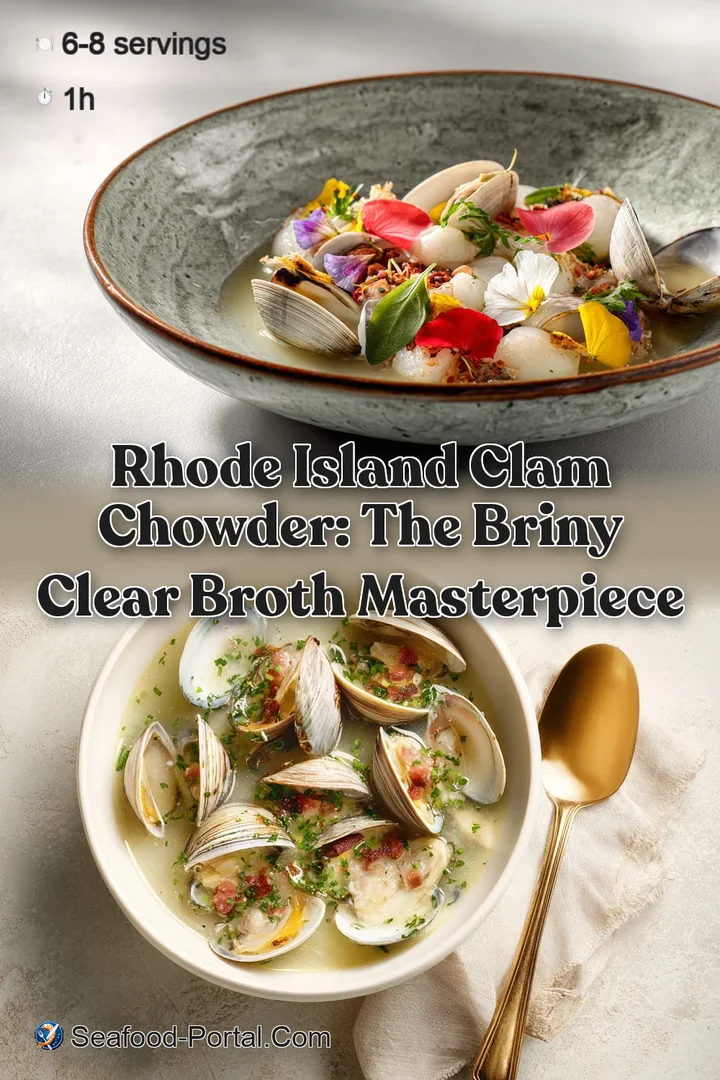
The defining feature of Rhode Island chowder is its pristine, delicate, clear broth. Unlike the heavy cream or milk base of New England style (white) or the tomato base of Manhattan style (red), this clear broth version allows the subtle brine and the natural savory flavors of the clams and rendered pork fat to truly shine through without interference.
Can I use a healthier oil instead of rendering salt pork or bacon?
While you can use vegetable oil, traditional flavor depth comes from rendering salt pork or quality thick cut bacon, as this creates the essential savory fat required for sautéing the mirepoix.
If substituting, use a flavorful alternative like rendered duck fat or high-quality unsalted butter, but be prepared for a slightly different, less smoky and less authentic flavor profile.
My clam meat became tough and rubbery. How do I prevent this when making chowder?
Clams become tough when they are overcooked; they should only simmer gently for a short time, or until just opened if using fresh, whole clams in the shell. If you are using pre-shucked or canned clam meat, add it only during the final 2 to 3 minutes of cooking just to heat it through, ensuring it remains tender and succulent.
What kind of clams are best suited for this clear broth recipe?
Traditionally, large hard shell Quahogs are used, often chopped or ground, as they provide the most intense clam flavor necessary to fortify the clear broth. However, many chefs use a mix of smaller Littlenecks or Cherrystones, which offer excellent flavor and are visually appealing if left whole or roughly chopped.
How do I ensure the clear broth is flavorful and not watery, even with clam juice?
If the broth tastes flat, you may need to increase the concentration of clam juice or reduce the liquid slightly to intensify the flavor. Ensure you properly deglazed the pot after rendering the pork fat, as the fond at the bottom holds immense flavor; adding a small splash of dry white wine can also help lift and brighten the final taste.
Can I freeze leftover Rhode Island Clam Chowder?
Leftover chowder stores well in the refrigerator for 3 to 4 days, but freezing is generally discouraged due to the potatoes. Upon thawing, the potatoes’ high water content causes them to adopt a grainy or mealy texture which diminishes the chowder’s quality.
If you must freeze it, consider cooking the base without the potatoes and adding them freshly cooked when reheating.
What type of potato should I use, and does it matter for a clear chowder?
It absolutely matters; waxy potatoes, such as Yukon Gold or new potatoes, are highly recommended because they hold their shape beautifully under heat. Avoid overly starchy Russets, as they break down during simmering and will inevitably cloud and thicken the clear broth, compromising the intended consistency.
Classic Rhode Island Clam Chowder
Ingredients:
Instructions:
Nutrition Facts:
| Calories | 796 kcal |
|---|---|
| Protein | 37.0 g |
| Fat | 32.7 g |
| Carbs | 85.2 g |
