Linguine and Clams: Classic Vongole Perfection
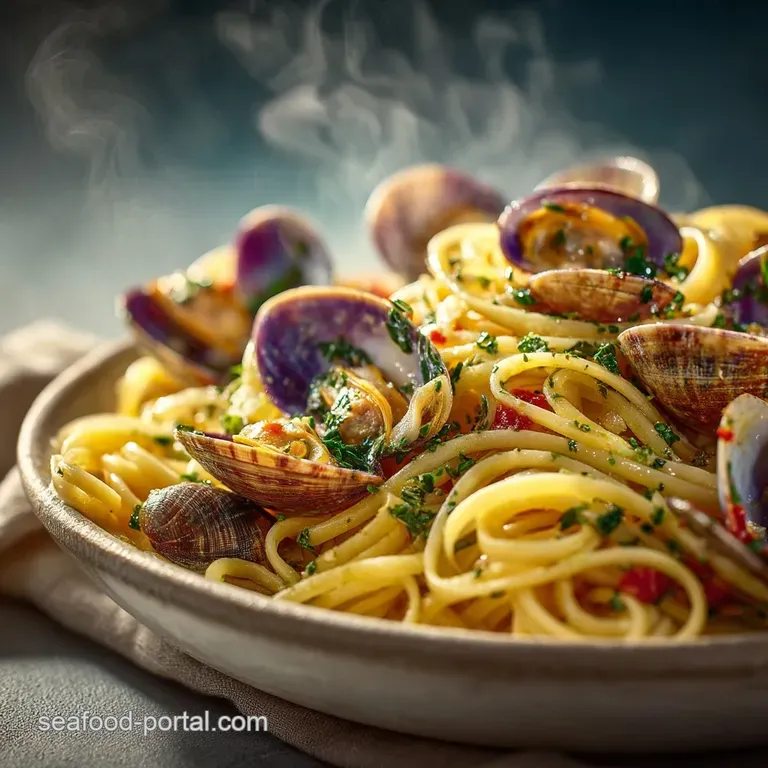
- Unlocking Coastal Italian Flavors: The Secrets of Vongole
- Mastering the Perfect Clam Sauce Emulsion
- Essential Ingredients for Authentic Clam Pasta
- Preparing and Substituting Clams Safely
- Step-by-Step: Cooking the Ultimate Linguine and Clams Recipe
- Troubleshooting Common Vongole Challenges
- Chef’s Notes and Creative Variations
- Serving Suggestions and Wine Pairings
- Storage, Reheating, and Make-Ahead Tips
- Recipe FAQs
- 📝 Recipe Card
Unlocking Coastal Italian Flavors: The Secrets of Vongole
The smell of good garlic sweating in olive oil, mingling with sea brine and crisp white wine, is pure magic. That’s what hits you the second you start making the classic Italian pasta dish, Linguine and Clams, and it instantly transports you somewhere sunny, right?
When this pasta hits the bowl, it’s glistening with a perfectly emulsified, glossy sauce that clings lovingly to every single strand of linguine. Forget those watery versions you've had before.
This dish is seriously a weeknight lifesaver; it tastes like a million bucks but takes under 30 minutes of actual cooking time. I know you’re always looking for high impact, low-effort recipes, and this one delivers flavor and drama without demanding you spend all evening prepping.
It’s elegant, approachable, and uses super simple ingredients we usually have on hand.
Now, let's stop accepting sandy, dry clam pasta as the norm. I’ve made all the mistakes I’ve burned the garlic, I’ve had the sauce split, and I’ve served the occasional plate of grit. Today, we're fixing all that messy history.
Get ready for the ultimate guide to making truly spectacular Linguine and Clams at home, ensuring that glossy, savory broth every single time.
Mastering the Perfect Clam Sauce Emulsion
The magic of authentic Italian clam pasta isn't about cream; it's about technique. We aren’t aiming for a heavy, rich sauce here; we want a light, intensely flavorful, and naturally thickened coating. This is the difference between true Vongole and the sloppy versions you sometimes find.
Getting that creamy texture is actually quite simple, but it requires respecting the starch.
The Historical Roots of Linguine alle Vongole
This beautiful plate of Linguine and Clams is inherently Neapolitan, shouting coastal simplicity from every pore. Historically, Vongole (meaning "clams") was a dish of the poor a way to use cheap, readily available seafood and pair it with dried pasta and garden staples like garlic and parsley.
The fact that this simple setup became such a global culinary icon proves that excellent ingredients need very little fuss. It’s a testament to the fact that the best food is often the most straightforward.
Why We Love This Simple Seaside Dish
We love this dish because it is honest food. The flavor profile is clean: briny, sharp, and slightly spicy from the red pepper flakes. Because the ingredients list for Linguine and Clams is so short, every single component must pull its weight.
This isn't a dish where you can hide weak flavors behind heavy seasoning or dairy. It’s quick, it’s impressive, and honestly, the sheer joy of watching the clams steam open in that garlicky wine broth is addictive.
Neapolitan vs. Roman: Understanding the Key Recipe Styles
When you order Linguine and Clams in Italy, you usually encounter two main styles. The Neapolitan style, in bianco (white), is what we are making today olive oil, garlic, wine, and parsley. It's clean and bright.
The Roman style, in rosso (red), incorporates crushed tomatoes, creating a slightly heartier, red-tinted sauce. Both are delicious, but if you want that true, classic seaside flavor, stick to the bianco version.
The richness of the tomato changes the flavor balance completely, though adding a splash of tomato paste can boost the color a tiny bit without overpowering the clams if you prefer a bit of tint.
The Starch Water Magic: Using Pasta Water Effectively
If you take one thing away from this whole guide, let it be this: never drain the pasta water entirely. The key to thickening the clam juice and oil into that glorious, cohesive sauce lies in the starchy water from the linguine.
When you vigorously toss the undercooked pasta with the clam liquid and the reserved cooking water, the starch acts as an emulsifier and binder. The final steps of making Linguine and Clams rely entirely on this starchy liquid reacting with the fat (olive oil and butter) in the pan.
Balancing Salinity and Acidity for Depth
Since clams naturally bring saltiness, you must taste the broth before adding the pasta. If the clam liquor is too strong, dilute it slightly with a splash of water or a bit more wine. Then, we add acidity the dry white wine brightens the flavor profile immensely.
The final squeeze of lemon zest lifts the entire dish, ensuring the richness of the oil doesn't weigh down the delicate flavor of the Linguine and Clams .
The Role of Quality Olive Oil in the Finish
This isn’t the time to pull out that giant bottle of pale, cheap oil you use for over high heat frying. Because this dish relies on emulsified fat for texture and flavor, a generous amount of high-quality, peppery Extra Virgin Olive Oil (EVOO) is crucial.
Don’t just use it to sauté the garlic; finish the Linguine and Clams with a final drizzle right before serving. It adds richness and a beautiful, fresh herbaceous note that completes the picture.
Essential Ingredients for Authentic Clam Pasta
Remember, fewer ingredients mean higher quality requirements. Every ingredient is vital when crafting authentic Linguine and Clams .
| Ingredient | Why it Matters | Substitution Option |
|---|---|---|
| Fresh Clams (Littlenecks) | Provides the essential salty broth (liquor). | Frozen or Canned Clams (see section below for handling). |
| Linguine | Long, flat noodle that clings well to the oil-based sauce. | Spaghetti, Fettuccine, or Bucatini. |
| Garlic | The primary aromatic base. | Shallots (less intense) or finely chopped spring onions. |
| Dry White Wine | Deglazes the pan and provides necessary acidity. | Low-sodium chicken broth + a splash of fresh lemon juice. |
| Parsley (Flat Leaf) | Essential freshness and color. | Fresh chives or basil, but parsley is traditional. |
Preparing and Substituting Clams Safely
Safety first, friend! Nothing ruins a beautiful dish of Linguine and Clams faster than a mouthful of grit. You absolutely must clean your clams properly.
Choosing Your Clams: Vongole Veraci vs. Littlenecks
If you are lucky enough to find true Vongole Veraci (small, Mediterranean carpet shell clams), grab them! They have a superb delicate flavor. More commonly found in the US are Littlenecks or Manilas.
Littlenecks are widely available and fantastic for Linguine and Clams because they release a ton of delicious, salty brine and open easily. Always source them from a reputable fishmonger and ensure they smell like a clean ocean, not mud.
Fresh vs. Dried: Selecting the Right Linguine
Linguine is my preferred shape for this recipe because its elliptical shape holds the delicate sauce better than thinner spaghetti, preventing the sauce from pooling at the bottom of the bowl. But seriously, use what you have.
Dried pasta, specifically good quality bronze die cut pasta, works best as the rough surface texture holds the sauce much better than fresh pasta. It also releases more starch into the water, which, as we established, is key to excellent Linguine and Clams .
Garlic and Wine: Building the Aromatic Base
Thinly slicing the garlic is better than mincing it here. Sliced garlic releases its flavor slowly into the oil without risking a bitter burn, creating a softer, more complex aroma base. For the wine, choose something you would actually drink a crisp Sauvignon Blanc or a dry Pinot Grigio.
Do not, under any circumstances, use "cooking wine." You deserve better. The wine provides the essential depth for the sauce, especially when paired with the natural brine of the clams.
Best Practice: Purging Clams to Remove Sand
This is non-negotiable! The vast majority of grit comes from clams sitting in sand, which they ingest. To get them to spit it out, you need to trick them into thinking they are back in the ocean.
CRITICAL CHEF’S NOTE: Place the clams in a large bowl of cold water mixed with coarse salt (about 2 tablespoons per liter). Let them sit for a minimum of one hour in a cool place, ideally up to two hours, changing the water once. This salinity encourages them to expel the sand, ensuring your eventual bowl of Linguine and Clams is perfectly clean. I learned this the hard way after serving a rather crunchy dinner party years ago! When talking about delicious clam recipes, this step is just as important as the broth, whether you’re making Linguine and Clams or even a big pot of Rhode Island Clam Chowder: Traditional Clear Broth Recipe .
Can I Use Canned Clams in a Pinch?
Yes, technically, you can , but it won't be the same gorgeous, vibrant Linguine and Clams you’re hoping for. Canned clams lack the fresh brine needed to create the natural depth of the sauce. If you must use canned clams, drain them and reserve the liquid.
Add the liquid to your wine reduction, but beef up the flavor with a good quality fish stock and definitely add a few dashes of fish sauce to achieve that necessary oceanic punch. Add the canned clams right at the very end, tossing them in for 30 seconds to warm up, so they don’t become rubbery.
How to Handle Unopened or Cracked Shells
Before cooking, inspect every clam. Discard any shells that are broken or chipped. If a clam is slightly open, tap it lightly against the counter; if it doesn't snap shut, it’s dead and must be discarded.
After steaming your Linguine and Clams , any clam that remains stubbornly closed must be thrown out. They were dead before cooking or filled with sand, and they are not safe to eat.
step-by-step: Cooking the Ultimate Linguine and Clams Recipe
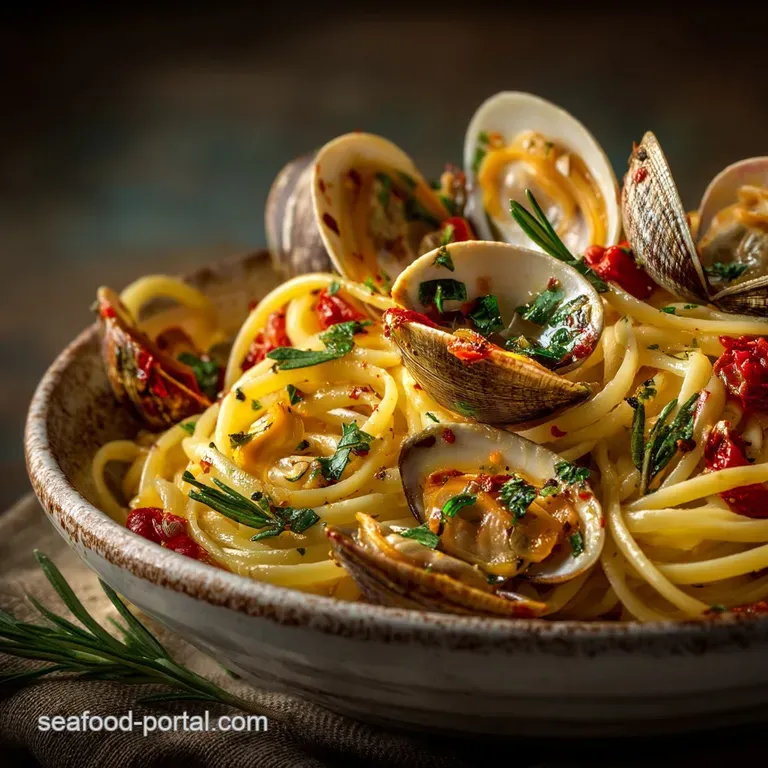
This whole process should take about 20 minutes from the time you start cooking the garlic until the moment you serve the stunning Linguine and Clams .
Step 1: Get the Linguine Ready Bring a giant pot of heavily salted water to a rolling boil. Use so much salt that it tastes like the ocean this is your only chance to season the pasta itself.
Add the linguine and cook for 2 minutes less than the package directions (i.e., if it says 8 minutes, cook for 6). Crucially, scoop out at least 1 1/4 cups of the starchy pasta water before draining the linguine.
Drain the pasta and set it aside, slightly tacky.
Step 2: Build the Flavor Base Grab your largest, widest sauté pan. Heat the EVOO over medium low heat. Add the sliced garlic, the shallot (if using), and the red pepper flakes.
Sweat them gently for about 3– 4 minutes until the garlic is translucent and smells sweet and nutty. Do not let the garlic brown , or your entire batch of Linguine and Clams will taste bitter.
Step 3: Steam the Clams and Deglaze Turn the heat up to medium high. Add the purged and rinsed clams to the pan. Pour in the white wine. Let it bubble fiercely for about 30 seconds to reduce the raw alcohol smell. Immediately cover the pan with a tight fitting lid.
Steam for 4 to 6 minutes. You’ll hear them popping open, which is the most satisfying sound in the kitchen.
Step 4: Create the Clam Broth Once the majority are open, remove the lid. The natural liquor released by the clams, combined with the wine and olive oil, forms your base broth. Use tongs to remove and discard any unopened clams immediately.
Step 5: Emulsify the Linguine and Clams Sauce Transfer the undercooked linguine directly into the clam pan. Add about 3/4 cup of the reserved pasta water. Increase the heat slightly and toss vigorously, using tongs, stirring constantly.
The broth should thicken and start to coat the pasta beautifully within 1- 2 minutes as the linguine finishes cooking and releases its remaining starch. The sauce for your Linguine and Clams should look glossy, not watery.
Step 6: Finish and Serve Remove the pan from the heat entirely. Add the cold cubes of unsalted butter and half of the chopped parsley. Toss, toss, toss! The cold butter provides richness and stabilizes the emulsion, creating that perfect sheen without splitting the sauce.
Taste for seasoning; you likely won't need much salt. Serve immediately, topped with the remaining fresh parsley, lemon zest, and a final drizzle of quality EVOO. This is what true Linguine and Clams should look and taste like.
Troubleshooting Common Vongole Challenges
Even the simplest dishes can throw curveballs. Here are the most common hiccups people run into when attempting Linguine and Clams and how to beat them.
The Perfect Al Dente Timing for Linguine
You must pull the linguine two minutes before it’s done. Why? Because it has to finish cooking in the sauce . If you cook it perfectly in the pot, it will be mushy by the time you serve the Linguine and Clams .
Cooking it in the clam broth ensures the pasta absorbs flavor while releasing the starch needed for the emulsification.
Steaming Clams: Achieving Maximum Opening
The key is high, sustained heat and a tight lid. Once the wine is in, the pan needs to get steamy fast. Don’t peek! Lifting the lid releases the steam, dropping the temperature and slowing the process.
If you wait the full 5- 6 minutes before lifting, you maximize the chance of achieving perfectly opened, plump clams for your Linguine and Clams .
Tossing and Finishing: Integrating the Pasta and Sauce
This step requires aggression! You can’t gently fold the pasta. The starch release needs heat and friction. Tossing the pasta vigorously, like a pro chef, is essential for mixing the oil, the clam liquor, and the starch water into a unified, creamy sauce.
If you’re afraid of tossing, use heavy tongs and stir hard over the heat for about 90 seconds. The beautiful result of your Linguine and Clams is worth the effort.
If Your Sauce Isn’t Thickening: Quick Fixes
You’ve tossed it, and it still looks thin and watery. Panic not! You have two simple fixes. Fix 1: Add another splash of hot, starchy pasta water and toss vigorously again over high heat. The renewed heat and starch should bind it.
Fix 2: If you added all your pasta water, grate in a tiny amount of Parmigiano Reggiano (a controversial move in strict Italian cooking, but sometimes necessary for texture). The cheese fat and proteins will help bind the sauce for the Linguine and Clams .
Dealing with Overly Salty Clam Sauce
Occasionally, you get a batch of clams that are ridiculously salty. If you taste the broth and it’s overpowering, immediately reduce the salinity by adding a splash of fresh water or a little extra wine.
You can also counteract the saltiness with a squeeze of fresh lemon juice, which often balances the intense oceanic flavor when preparing Linguine and Clams .
Preventing Rubbery or Chewy Clams
Overcooked clams are tough and rubbery a tragic fate for such lovely seafood. The clams only need 4– 6 minutes of steaming until they open. Once they open, their job is done. If you leave them simmering in the sauce for too long while you finish the pasta, they will toughen up.
That’s why we add the pasta and finish the cooking quickly, ensuring the clams remain tender and juicy for the best possible Linguine and Clams .
Chef’s Notes and Creative Variations
The Debate: Red Pepper Flakes (Pepperoncino) or Not?
I am firmly team Pepperoncino . The heat from the red pepper flakes is crucial for cutting through the richness of the olive oil and the salinity of the clams. It provides a necessary counterpoint.
If you hate spice, skip it, but just know you’re missing out on the full, vibrant character of classic Linguine and Clams .
Introducing Fresh Herbs Beyond Parsley
While parsley is the traditional and mandatory herb for Linguine and Clams , you can introduce other aromatics. I love adding a couple of sprigs of fresh thyme along with the garlic in the beginning.
Remove the thyme before serving, but it imparts a subtle, earthy background note that works surprisingly well with the clam flavor.
Elevating the Dish with Bottarga or Breadcrumbs
For next level texture and flavor, finish the Linguine and Clams with a sprinkle of toasted, crunchy breadcrumbs (Pangrattato). Toss them in olive oil and toast until golden and crunchy.
Alternatively, if you want the ultimate flavor bomb, grate a tiny bit of bottarga (cured fish roe) over the finished pasta. This intensifies the oceanic flavor tenfold it's phenomenal.
Serving Suggestions and Wine Pairings
What Sides Complement the Clam Pasta Flavor Profile
Because Linguine and Clams is already a rich, satisfying main course, you want light and crisp sides. A simple arugula salad tossed with a sharp, lemony vinaigrette cuts through the oiliness perfectly. Honestly, though, the best side dish is thick slices of crusty Italian bread.
That bread is absolutely essential for soaking up every last bit of the glossy clam sauce left in the bowl this is known as la scarpetta (the little shoe), and it’s mandatory when enjoying Linguine and Clams .
Selecting the Ideal Dry White Wine Pairing
You want a wine that is crisp, highly acidic, and dry enough to complement the seafood without overpowering it. The same wine you used in the sauce usually works beautifully! A cold, sharp Vermentino is classic, as is a good quality Pinot Grigio or an unoaked Sauvignon Blanc.
The key is freshness to enhance the seaside qualities of the Linguine and Clams .
Garnishing Techniques for a Restaurant Finish
A generous scattering of fresh, bright green parsley and a few curls of lemon zest make the dish look incredibly vibrant and professional. Don't underestimate the power of contrast. A final drizzle of top-shelf EVOO adds shine and scent.
If you want a little more flair, reserve some of the cooked clams in their shells to garnish the top of the pasta, making it look visually stunning.
Storage, Reheating, and make-ahead Tips
I’m going to be honest with you: seafood pasta is always best eaten immediately. The minute you store Linguine and Clams , the pasta continues to absorb the sauce, and the texture of the clams changes. That said, sometimes you have leftovers, right?
Storage: Store leftovers in an airtight container in the fridge for up to 2 days. I would absolutely caution against trying to freeze Linguine and Clams. Freezing ruins the texture of the clams and causes the pasta to break down completely when thawed.
Reheating: Reheating requires gentle love and moisture. Reheat the Linguine and Clams slowly in a sauté pan over medium low heat. You will need to splash in a tablespoon or two of water or chicken broth to re-moisten the sauce and prevent the pasta from sticking.
Stir constantly until warmed through. Don't blast it in the microwave; it makes the clams rubbery.
This truly simple, perfect recipe for Linguine and Clams is one you’ll keep coming back to. It delivers that high impact coastal flavor with minimum fuss, and now you have all the secrets to nail that glossy, savory sauce every time. Get cooking!
Recipe FAQs
How do I properly clean and prep the clams to ensure they are sand free?
Clams must be purged of sand before cooking; soak them in heavily salted cold water (about 1/3 cup salt per gallon) for 30 minutes, agitating them gently a few times. Rinse them thoroughly under cold running water just before cooking.
Crucially, discard any clams that are open and won't close when tapped, as they may be dead.
Why is my pasta dry and not coated with a rich, clinging sauce?
The sauce relies heavily on the emulsification of olive oil, clam juice, and starchy pasta water. Ensure you reserve at least a full cup of the cooking water before draining the linguine.
Add the reserved pasta water gradually to the pan while stirring vigorously to help the oils and liquids bind, creating a rich, glossy texture.
Can I use canned or frozen clams instead of fresh ones?
While fresh clams are essential for the vibrant, briny flavour of a classic Vongole, you can use high-quality canned chopped clams in a pinch, but be mindful of the added salt. Frozen clams can be used, but thaw them completely and reserve any liquid released during steaming or cooking to incorporate into your sauce base for maximum flavour.
What kind of wine should I use, and can I omit it completely?
Always use a crisp, dry white wine like Pinot Grigio, Sauvignon Blanc, or an Italian Vermentino; avoid sweet or oaky wines which will clash with the delicate seafood. If you must omit the alcohol, replace the wine with an equal amount of good quality vegetable or seafood stock, plus a small squeeze of fresh lemon juice at the end.
Should I add cream or cheese to my Linguine alle Vongole?
Traditionally, cheese and cream are strictly prohibited in Vongole as they overwhelm the delicate flavour of the clams and create a heavy dish. Authentic Italian clam pasta relies solely on the natural liquor from the clams, high-quality olive oil, and starch for its light, emulsified sauce.
Reserve the cheese for non-seafood pastas.
How long can I store leftovers, and is it safe to freeze this dish?
Leftover cooked clam pasta should be stored in an airtight container in the refrigerator and consumed within 1 to 2 days for optimal safety and quality. Reheating can make the clams tough, so do so gently on the stovetop with a little extra clam juice or water.
Freezing this dish is not recommended as the clams’ texture becomes rubbery upon thawing.
I prefer a mild dish; can I skip the chili flakes or use less garlic?
Yes, the chili flakes (peperoncino) are added for a traditional touch of heat but are entirely optional and can be omitted without harming the structural integrity of the dish. While you can slightly reduce the amount of garlic, do not skip it entirely, as it is crucial for building the essential aromatic base of the sauce.
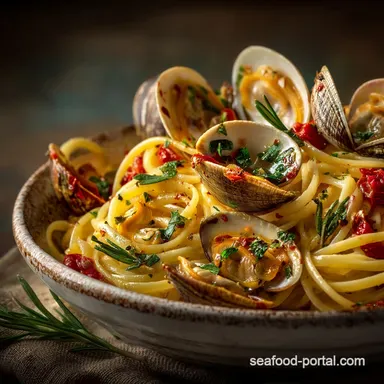
Classic Linguine And Clams
Ingredients:
Instructions:
Nutrition Facts:
| Calories | 780 kcal |
|---|---|
| Protein | 26.1 g |
| Fat | 38.8 g |
| Carbs | 71.6 g |
