Shrimp Wontons: the Ultimate Cantonese Recipe for Snappy Prawn Parcels
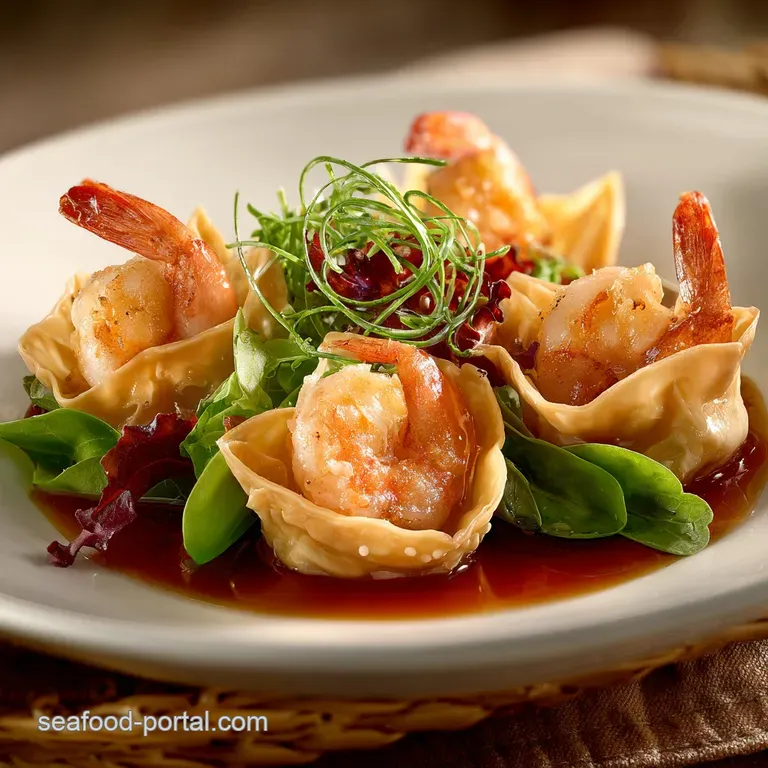
- Beyond Takeout: Mastering the Perfect Shrimp Wontons
- The Science of Snappy Texture: Why This Wonton Filling Pops
- Essential Ingredients for Authentic Shrimp Wontons
- Rolling and Cooking: A Step-by-Step Guide
- Troubleshooting and Chef's Secrets for Flawless Wontons
- Make-Ahead Strategy: Freezing and Storing Shrimp Wontons
- How to Serve Classic Cantonese Prawn Wontons
- Recipe FAQs
- 📝 Recipe Card
Beyond Takeout: Mastering the Perfect Shrimp Wontons
That first bite of a perfect shrimp wonton is pure magic. You get the slight chew of the thin, delicate wrapper, and then BOOM —that satisfying, snappy burst of juicy prawn filling, mixed with the zing of fresh ginger and toasted sesame.
The aroma alone, steamy and savory, makes my kitchen feel like a bustling Hong Kong street stall. It’s glorious.
Trust me, these are way better than the sometimes soggy bundles you get from the local takeaway joint. They are deceptively easy to master once you get the folding technique down, taking less than an hour of active work for a huge batch.
Plus, they freeze beautifully, turning a frantic weeknight into an instant gourmet meal, proving that quick shrimp recipes can also be incredibly flavorful.
I spent years fighting with loose fillings and tearing wrappers, but I finally cracked the code to that legendary restaurant style ‘springy’ texture. I promise to share all the secrets including the weird trick involving ice water so we can make healthy shrimp wontons that truly pop.
Let's get these prawn parcels done right.
The Science of Snappy Texture: Why This Wonton Filling Pops
The Anatomy of a Perfect Prawn Parcel
A high ranking shrimp wonton isn't just about flavour; it's about texture synergy. You want the wrapper to be tender but resilient, while the filling needs to be bouncy, not mushy. This requires careful handling of the raw shrimp, which is where most home cooks stumble.
Cantonese vs. Other Wonton Styles
We are focusing on the classic Cantonese (Hong Kong) style here, which emphasizes the pure, clean flavour of the prawn. These are typically cooked in boiling water or broth, often served floating alongside fine noodles.
The wrapper is thin and yellow, contrasting sharply with the thicker, doughier dumpling skins used for dishes like potstickers or northern Chinese jiaozi.
What Makes This Recipe Special (The Chef's Approach)
The key to this filling is dual preparation: we mince a third of the shrimp into a paste to act as a sticky binder, and we coarsely chop the rest. This contrast ensures that every bite gives you chunky pieces alongside the perfectly bound, cohesive filling base.
It’s all about maximizing the glorious texture of the flavorful shrimp.
The Crucial Ice-Bath Technique for Texture
When the shrimp is minced, the friction can generate heat, which ruins the texture. You must keep your shrimp cold. Some chefs suggest rinsing the raw shrimp pieces with ice water right before mincing, or even keeping the bowl over a larger bowl of ice while mixing.
Cold ingredients equal maximum snap when cooked.
Balancing the Umami (Soy Sauce vs. Oyster Sauce)
We use minimal soy sauce here, relying instead on the subtle sweetness of the fresh prawn and the lift from the ginger and white pepper. If you like a deeper umami punch, you can add 1 teaspoon of quality oyster sauce to the mixture. Just remember that oyster sauce is often salty, so adjust your sea salt accordingly.
Achieving the Binding Paste: Why Stirring Matters
This is non-negotiable, folks. Once all the ingredients (including the egg white and cornstarch) are combined, you have to mix the filling vigorously in one direction for at least three minutes. You are literally developing the proteins. The mixture will go from sloppy to sticky and paste like.
This sticky paste is what guarantees a firm, springy texture inside the wrapper.
Essential Ingredients for Authentic Shrimp Wontons
Selecting the Freshest Shrimp (Prawns)
Always choose raw shrimp that are peeled, deveined, and tail off. Medium to large shrimp work best because they hold up well to the dicing process. If you can find sustainably sourced, wild caught prawns, that’s even better for flavour.
| Ingredient | Role | Viable Substitute |
|---|---|---|
| Raw Shrimp | Main protein, texture | Sustainable option: Bay scallops (diced small), though texture changes. |
| Wonton Wrappers | Exterior vessel | Egg roll wrappers (cut into 3 inch squares if necessary) |
| Shaoxing Wine | Flavor enhancer, depth | Dry sherry, or rice vinegar + a pinch of sugar. |
| Water Chestnuts | Crucial crunch agent | Finely diced bamboo shoots or jicama. |
| Cornstarch | Binder, liquid control | Tapioca starch or potato starch. |
Preparation of Wonton Wrappers: Fresh vs. Frozen
If you can find fresh, paper thin yellow wonton wrappers, grab them! They are superior for boiling. If you use frozen, make sure they are completely thawed in the fridge overnight before you start, and keep them covered with a slightly damp paper towel while you work. Dry wrappers crack immediately.
Aromatics and Enhancers: Ginger and Spring Onion
Use only fresh ginger; the pre-minced jar stuff is flavorless garbage. The spring onion adds a necessary freshness and cuts through the richness of the prawn. We use the white and pale green parts in the filling and reserve the bright green tips for garnish.
Must Have Texture Agents (Water Chestnuts)
I know some people skip these, but please don't! Water chestnuts are essential for the traditional Cantonese crunch. They hold their texture perfectly, contrasting beautifully with the bouncy shrimp filling. If you skip them, the wonton filling feels one-note and soft.
Rolling and Cooking: A step-by-step Guide
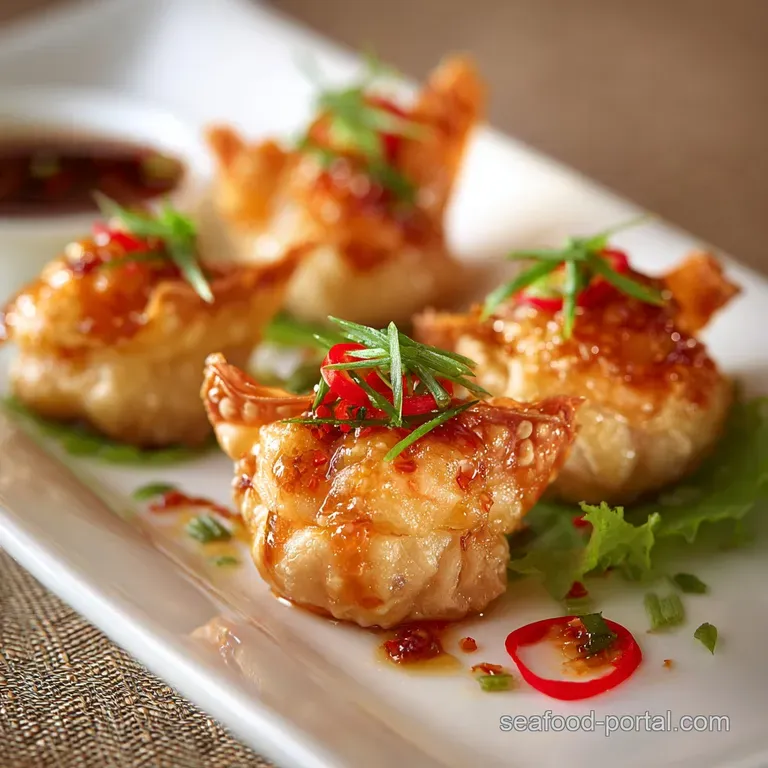
Preparing the Succulent Shrimp Filling
- Chop: Divide your peeled shrimp (1 lb) into two portions. Finely mince one-third into a paste using a cleaver or food processor (pulse only!), and coarsely dice the remaining two-thirds.
- Aromatics: Combine the shrimp with the finely chopped water chestnuts, ginger, and spring onions in a large, COLD bowl.
- Season: Add the light soy sauce, sesame oil, Shaoxing wine, sugar, salt, and white pepper.
- Bind: Add the cornstarch and egg white. Now for the arm workout: Stir vigorously in one direction for 2– 3 minutes until the mixture looks sticky and resists the spoon. This sticky paste is the golden ticket.
- Test: Pan-fry a tiny spoonful of the filling to check seasoning. Adjust salt or pepper now before you commit to wrapping 40 wontons!
Chef's Note: If your filling feels too loose after mixing, try the 'Slap' Technique. Lift the mixture a few inches and slam it back down into the bowl 15 20 times. This releases air and tightens the protein structure beautifully.
Forming the Classic 'Goldfish Tail' Wonton Shape
I prefer the simple 'Goldfish Tail' or 'Nurse Cap' shape for boiling because it seals tightly and holds a good amount of filling.
- Lay out 5 6 wrappers. Keep the others covered.
- Place one teaspoon of filling slightly below the center of the wrapper. Do not overfill.
- Moisten all four edges lightly with water.
- Fold the wrapper into a tight triangle, pressing out all the air and sealing the edges firmly.
- Moisten the two far points of the triangle (the longest side), bring them together around the filling, and overlap them slightly, pressing firmly to seal.
Boiling vs. Steaming Shrimp Wontons
For the classic soup style, boiling is necessary. Drop the wontons into a rapid boil, stirring only once. They will sink, then float up when done (5– 7 minutes).
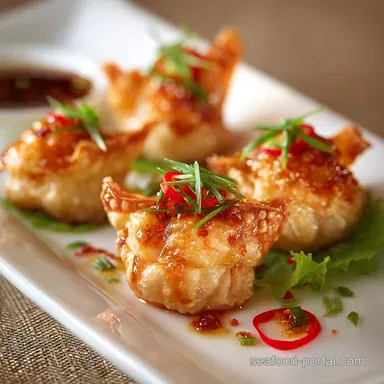
If you want Fried Wontons (which are amazing with a dipping sauce), steam them for 5 minutes first, then let them cool before frying. This ensures the filling is cooked before the wrapper burns.
Creating a Quick Dipping Sauce While They Cook
While your wontons are bubbling happily, whisk up this ridiculously easy, perfect dipping sauce:
- 3 Tbsp Chinese Black Vinegar (or rice vinegar)
- 2 Tbsp Light Soy Sauce
- 1 tsp Granulated Sugar
- 1 tsp Chilli Oil (adjust to taste, I like mine spicy!)
Troubleshooting and Chef's Secrets for Flawless Wontons
Preventing Soggy Wrappers During Cooking
If your wrappers tear or turn mushy, you probably used too much sealing water, or you cooked too many at once. Boil in small batches. Also, once they are done, serve them immediately. They soak up broth quickly if left sitting.
Why Your Filling Is Too Loose (A Common Mistake)
This is the most common failure point. If your filling is sloppy, it’s usually one of two things:
- You didn't mince enough shrimp into a paste to bind the mix.
- You skipped the vigorous, one-direction stirring step. Remember, mixing builds the protein structure.
Sealing Techniques for Optimal Cooking
Use your finger to apply water, not a brush that can soak the wrapper. You just need the wrapper to be tacky. If you're nervous about sealing, you can also mix the sealing water with a pinch of cornstarch; this creates a starchy glue that holds stronger when boiled.
make-ahead Strategy: Freezing and Storing Shrimp Wontons
Flash Freezing Uncooked Wontons
These are perfect for stocking the freezer! Place all the assembled, uncooked wontons on a baking sheet lined with parchment paper, ensuring none of them are touching. Place the sheet in the freezer for about two hours until the wontons are rock solid. Once solid, transfer them to a freezer safe zip-top bag.
They keep well for up to 3 months.
Cooking Wontons Directly from Frozen
Never thaw frozen wontons; they will turn into a sticky, impossible mess. Cook them directly from frozen in boiling water, adding about 2 3 extra minutes to the boiling time (usually 7– 9 minutes total). They taste just as fresh as when you made them!
How to Serve Classic Cantonese Prawn Wontons
The Perfect Accompanying Broth
For a proper Wonton Soup, use a high-quality chicken or seafood stock that is perfectly clear. Heat the stock with a slice of fresh ginger and a dash of white pepper. Place the freshly boiled wontons into a bowl, ladle the hot broth over them, and garnish with crisp green spring onion rings and a drizzle of sesame oil. For an easy weeknight meal that still uses that incredible shrimp flavor, sometimes I serve these alongside my creamy Coconut Shrimp Curry: Speedy, Creamy Weeknight Coconut Prawn Curry for a contrasting texture.
Alternatively, if you are looking for a bolder, spicier seafood main, these wontons make a fantastic starter before digging into something robust like my famous Shrimp Gumbo: Rich, Smoky Southern Stew with Traditional Dark Roux . They are endlessly versatile!
Recipe FAQs
Why isn't my shrimp filling snappy and bouncy?
A bouncy, snappy texture is achieved by incorporating air and developing the shrimp protein, usually by mixing the filling vigorously for several minutes until it turns into a sticky paste. Ensure your shrimp are extremely cold before you begin mixing, as this helps the protein bind correctly.
For authentic Cantonese results, some recipes also call for adding a tiny pinch of alkaline salt or baking soda to enhance the snap.
Can I use frozen shrimp for this recipe?
Yes, frozen shrimp works perfectly, but proper thawing and drying are critical for the filling's texture. Thaw them slowly overnight in the refrigerator, then pat them completely dry using paper towels before mincing or chopping them. Excess water will dilute the flavor and make the filling too loose to wrap neatly.
What is the best way to store or freeze uncooked wontons?
To freeze, place the uncooked wontons in a single layer on a parchment lined tray and flash freeze them for about two hours until they are solid. Once frozen, transfer them immediately into an airtight container or heavy duty freezer bag to prevent freezer burn.
They will keep well for up to three months and should be cooked directly from frozen.
My wontons are falling apart during boiling. What am I doing wrong?
This issue usually means the edges were not sealed properly or you did not use enough moisture (like water or egg white wash) on the wrapper seams. Ensure you firmly press the edges together to expel any trapped air pockets, which can expand and burst the wrapper during the cooking process.
Also, avoid over boiling, which can cause delicate wrappers to disintegrate.
Can these shrimp wontons be deep fried instead of boiled or steamed?
Absolutely, these wontons make excellent crispy fried parcels if you desire a textural variation. Heat neutral oil to 350°F (175°C) and fry them in batches until they are golden brown and crispy, usually taking about 3 to 4 minutes per batch. Ensure the filling is fully cooked before removing them from the oil.
I don't have water chestnuts. Is there a good substitute for the crunchy texture?
The water chestnuts provide that essential crisp, refreshing bite that contrasts nicely with the smooth shrimp filling. If you can't find them, finely diced fresh bamboo shoots or jicama are the best substitutes as they offer a similar neutral flavor and crunch.
Make sure whichever substitute you choose is patted very dry before mixing into the filling.
How can I introduce more heat or spice to the shrimp filling?
To incorporate heat directly into the filling, you can mix in a teaspoon of finely minced bird's eye chili or a few drops of high-quality chili oil, such as Laoganma. For a controllable spice level, serve the cooked wontons in a dipping sauce made from chili oil, black vinegar, and a dash of sugar.
This allows everyone to customize the heat to their liking.
Classic Cantonese Shrimp Wontons Recipe
Ingredients:
Instructions:
Nutrition Facts:
| Calories | 150 kcal |
|---|---|
| Protein | 17.3 g |
| Fat | 2.3 g |
| Carbs | 15.3 g |
