Classic Cantonese Shrimp and Pork Shumai Dim Sum
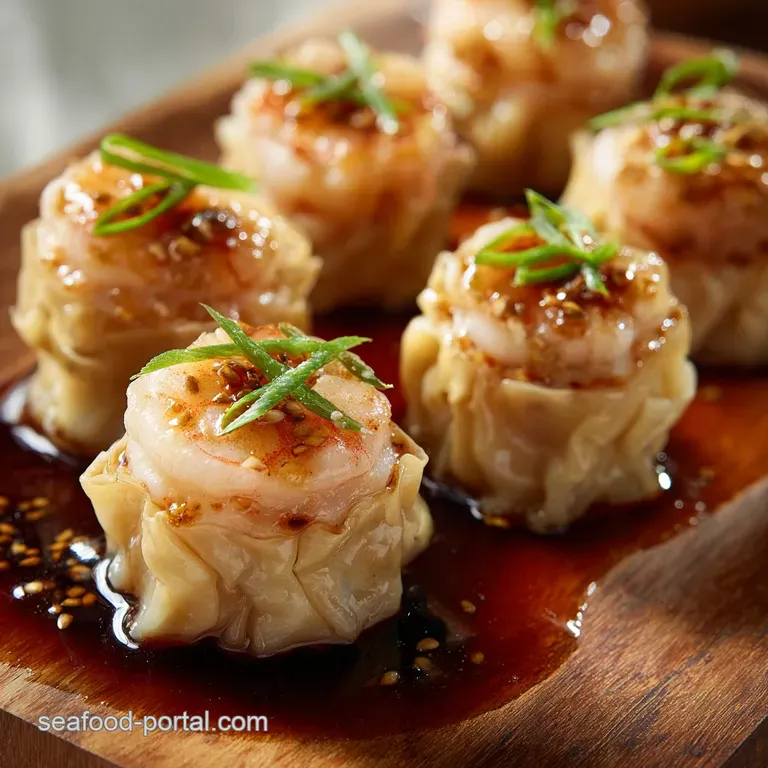
- The Quest for Perfect Dim Sum: Why Your Siu Mai Must Be Snappy ( Qing )
- Elevating the Standard: Mastering the Cantonese Dumpling Classic
- Building the Perfect Filling: Essential Ingredients for Superior Shrimp Shumai
- Mixing and Binding: The Cold Science of the Filling Paste
- The Art of the Open-Topped Parcel: Shumai Folding Technique
- Steaming Methods and Timings for Maximum Juiciness
- Troubleshooting and Frequently Asked Questions About Shrimp Shumai
- Preservation and Preparation: Cooking Siu Mai Directly From Frozen
- Recipe FAQs
- 📝 Recipe Card
The Quest for Perfect Dim Sum: Why Your Siu Mai Must Be Snappy ( Qing )
When we talk about the undisputed kings of the dim sum trolley, we are invariably talking about Siu Mai or Shrimp Shumai . These open topped, jewel like parcels are the measure of any good Cantonese restaurant.
While many home cooks attempt an Easy Dumplings Recipe , achieving the authentic texture that perfect bite known as qing (snappy, bouncy, and elastic) is where true mastery lies.
This quality distinguishes a superb, restaurant worthy Steamed Shrimp Dumplings from a soft, unremarkable imitation. Our focus here is not just on assembly, but on the precise, temperature controlled techniques required to align the protein strands in the filling, guaranteeing a bouncy bite every time.
Elevating the Standard: Mastering the Cantonese Dumpling Classic
Creating exceptional Shrimp Dim Sum at home is a medium difficulty culinary endeavor. The ingredients themselves are straightforward, but the preparation specifically the rigorous mixing and careful handling is what demands attention.
Our goal is to replicate the rich complexity and signature texture found in the finest establishments, simplifying the process without compromising the integrity of this classic. While this Shumai Recipe requires about 1.
5 hours of dedicated time, including a necessary chilling period, the yield of 24 28 dumplings makes the effort worthwhile for hosting or meal prepping.
Decoding the Classic: What Defines Authentic Shrimp Shumai?
Authentic Shrimp Shumai is defined by three primary characteristics: the blend of proteins, the textural additions, and the unique shape. Unlike many Japanese gyoza or potstickers, Siu Mai features an open top, revealing the filling within.
The traditional filling uses a precise ratio of shrimp to ground pork (we use 1 lb of shrimp to 4 oz of pork shoulder), where the pork provides essential richness and juiciness. On top of that,, the inclusion of finely diced water chestnuts provides a crucial counterpoint, ensuring a delicate crunch that contrasts beautifully with the springy, qing texture of the filling.
A Taste of the Dim Sum Trolley, Homemade and Authentic
For those nostalgic for the ritual of the morning dim sum trolley, making these parcels at home offers an unparalleled freshness. This detailed approach moves beyond basic Shrimp Dumplings Recipe instruction and delves into the science of texture.
By meticulously managing the temperature of the Shrimp Shumai Ingredients and developing the protein paste properly, you guarantee that every steamer basket yields plump, moist, and perfectly structured dumplings, just as if they rolled straight out of a Hong Kong kitchen.
Building the Perfect Filling: Essential Ingredients for Superior Shrimp Shumai
The heart of this recipe is, naturally, the ingredients. To achieve the complex flavour profile of Cantonese shumai, we rely on quality sourcing: 1 lb of raw shrimp, 4 oz of fatty ground pork, and aromatics like fresh ginger and spring onions.
The true magic, however, lies in how the shrimp is prepared and the ratios of fat and starch used for binding.
Achieving the Signature 'Snappy' Texture: Preparing the Shrimp Paste
The key to that desirable bouncy texture is dividing the shrimp into two distinct preparations. Approximately two-thirds (300g) of the peeled and deveined shrimp should be coarsely chopped, providing large, identifiable pieces. The remaining third (150g) must be processed until it forms a dense, coarse paste.
This puréed portion is the binding agent; when vigorously mixed, its protein strands align, ensuring the entire filling holds together perfectly and yields that signature snap when bitten into.
The Importance of Fat Ratios in Traditional Cantonese Filling
While some recipes skip the pork, its inclusion is non-negotiable for traditional, juicy Steamed Shrimp Dumplings . We use 4 oz (115g) of ground pork shoulder because its higher fat content is crucial.
The fat melts during steaming, basting the shrimp and ensuring the dumpling remains tender and moist. It also aids in the binding process alongside the tapioca starch, preventing the filling from becoming dry or crumbly upon cooking.
Sourcing the Wrapper: Yellow Wonton vs. Gyoza Dough
For authentic Shrimp Shumai , you must source the thin, square or round yellow (egg) wonton wrappers. We require about 28 of these. Avoid using thicker gyoza wrappers; they tend to become dense and chewy during steaming, detracting from the delicate appearance and flavour.
The thin, elastic egg-based wrapper steams to a beautiful translucent gold, complementing the richness of the filling.
Mixing and Binding: The Cold Science of the Filling Paste
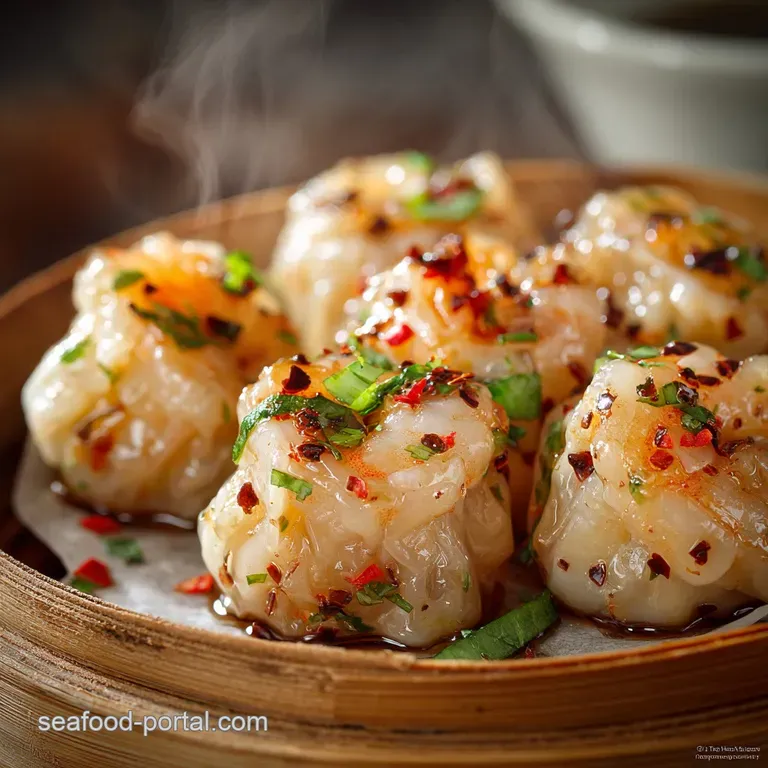
This stage is arguably the most crucial step in the entire Shumai Recipe . Once the chopped and puréed shrimp, ground pork, diced water chestnuts, aromatics, and seasonings (Shaoxing wine, light soy sauce, sesame oil, sugar, and white pepper) are combined, the mixture requires rigorous working.
This is the famous 'slap technique.' Using a spatula or a very cold hand, you must mix the ingredients vigorously and consistently in one direction only for 3 to 5 minutes.
As the 1 Tbsp of tapioca starch activates, the mixture transforms into a cohesive, elastic paste that can be lifted as one sticky mass. This mechanical action develops the protein structure (the qing ).
Immediately following this workout, the filling must be covered and refrigerated for at least 30 minutes to firm the fat and set the starch, making it much easier to handle during the wrapping phase.
Related Recipes Worth Trying
- Grilled Argentine Red Shrimp with Pistachio Chimic Sweet Smoky and Quick — Try this brilliant Grilled Argentine Red Shrimp with Pistachio Chimic The unique nutty chimichurri elevates sweet prawns into a showstopper ready in under...
- The Secret to Perfect Crispy Fried Jumbo Shrimp Pub Grub Style — Get that perfect crispy coating every time with our trusted fried jumbo shrimp recipe The Panko and chilling steps ensure a proper nongreasy crust Try this...
- Authentic Shrimp Po Boy Recipe Crispy Fried Shrimp and Creole Remoulade — Master the iconic New Orleans Shrimp Po Boy Sandwich Our method guarantees fiercely crisp shrimp and a zesty homemade Remoulade sauce Proper comfort food
The Art of the Open Topped Parcel: Shumai Folding Technique
Shaping Shrimp Dim Sum requires precision, but the technique itself is surprisingly simple once you master the delicate 'waist.' If you are using standard square wonton wrappers, lightly trim the corners to create a round or octagonal shape, which prevents bunching and makes forming the waist easier.
Place one generous tablespoon (15 20g) of the chilled filling directly in the center of the wrapper held in your non-dominant hand. Gently cup your hand to bring the sides of the wrapper upward around the filling.
Then, using the back of a small knife or spatula, press the filling down to create a flat, level top, simultaneously pushing the wrapper edges inward to form a distinct, ruffled 'waist.' The goal is a perfect cylindrical shape with an exposed filling top, ready for garnish.
Steaming Methods and Timings for Maximum Juiciness
Perfectly cooked Steamed Shrimp Dumplings are achieved through high, steady heat. Line your bamboo or metal steamer basket with perforated parchment paper or large cabbage leaves to prevent sticking and transfer moisture.
Arrange the shumai, leaving about 1 2 cm of space between them to allow for proper steam circulation, and steam over rolling boiling water for 10– 12 minutes.
The wrappers should turn beautifully translucent, and the filling should be firm, ensuring an internal temperature of 165° F ( 74° C).
Using the Ice Water Trick for Maximum Filling Cohesion
As detailed in the preparation stage, the structural integrity of the dumpling filling is dependent on low temperatures. Using the ice water trick rinsing your hands in ice water before mixing the paste and ensuring the bowl is kept cold helps the proteins bind effectively before cooking.
This simple step ensures that the filling maintains its form throughout the wrapping and steaming process, yielding plump, unburst parcels.
Creating the Characteristic Cylinder Shape Without Tearing the Wrapper
The key to preventing tears when creating the characteristic waist is maintaining the correct moisture level on the wrappers. If they feel brittle, lightly brush the edges with a finger dipped in water, but use minimal moisture.
The folding action should be a gentle compression from the bottom up; do not try to stretch the wrapper over the top.
Garnish Details: Adding Roe or Carrot Caps for Visual Appeal
The open top of the Shrimp Shumai is designed for a pop of colour. The classic Cantonese choice is a tiny pinch of fish roe (like tobiko or capelin roe), which adds a slight briny flavour and a vibrant orange hue.
A non-seafood alternative is a small cap of finely diced carrot, pressed lightly into the top of the filling before steaming.
Crafting the Traditional Soy-Vinegar Dipping Sauce from Scratch
No dim sum experience is complete without the proper condiment. A classic dipping sauce perfectly cuts through the richness of the pork and shrimp. Simply combine premium light soy sauce and rice vinegar in a 2:1 ratio, stirring in a dash of toasted sesame oil and a few delicate slivers of fresh ginger.
Troubleshooting and Frequently Asked Questions About Shrimp Shumai
If your filling turns out dry or your dumplings crumble, the fault likely lies in the binding stage. Ensure you aggressively mix the filling paste until it is visibly sticky and elastic, and do not skip the 30-minute chilling period.
If wrappers are cracking, they are too dry; ensure they are kept covered with a damp cloth while you work. Remember, the steaming environment is critical: do not lift the lid during the initial 8 minutes of the 10-12 minute cook time, as this sudden loss of steam pressure toughens the wrappers and disrupts even cooking.
Preservation and Preparation: Cooking Siu Mai Directly From Frozen
One of the great joys of perfecting this Shumai Recipe is the ability to make a large batch for future enjoyment. The finished dumplings freeze beautifully, providing quick access to homemade Shrimp Shumai Frozen any day of the week.
Can I Make Shumai Ahead of Time? Optimal Storage Guidance
Absolutely. Assemble the raw Shrimp Dumplings Recipe parcels completely, including the garnish, but do not steam them. Place the raw shumai on a parchment lined tray, ensuring they do not touch. Freeze them solid for several hours.
Once frozen, transfer the dumplings into airtight freezer bags or containers. Properly stored, they maintain excellent quality for up to three months.
Healthier Alternatives and Pork Substitutions for the Filling
While the pork is traditional, you can lighten the recipe by replacing the ground pork with finely minced scallops, yielding a luxurious and slightly sweeter Steamed Shrimp Dumplings flavour profile.
For a completely different dish, those looking for an alternative can substitute the meat proteins with finely minced, pressed dry tofu and shiitake mushrooms, creating a flavorful vegetarian option.
Maximizing Freezer Life and Preventing Freezer Burn
To ensure your Shrimp Shumai Frozen maintains its quality, it is essential to minimize air exposure. Use heavy duty freezer bags or containers, and if possible, vacuum seal them.
Double bagging helps prevent freezer burn, which can quickly degrade both the wrapper texture and the quality of the filling.
Calculating Serving Sizes and Nutritional Breakdown per Dumpling
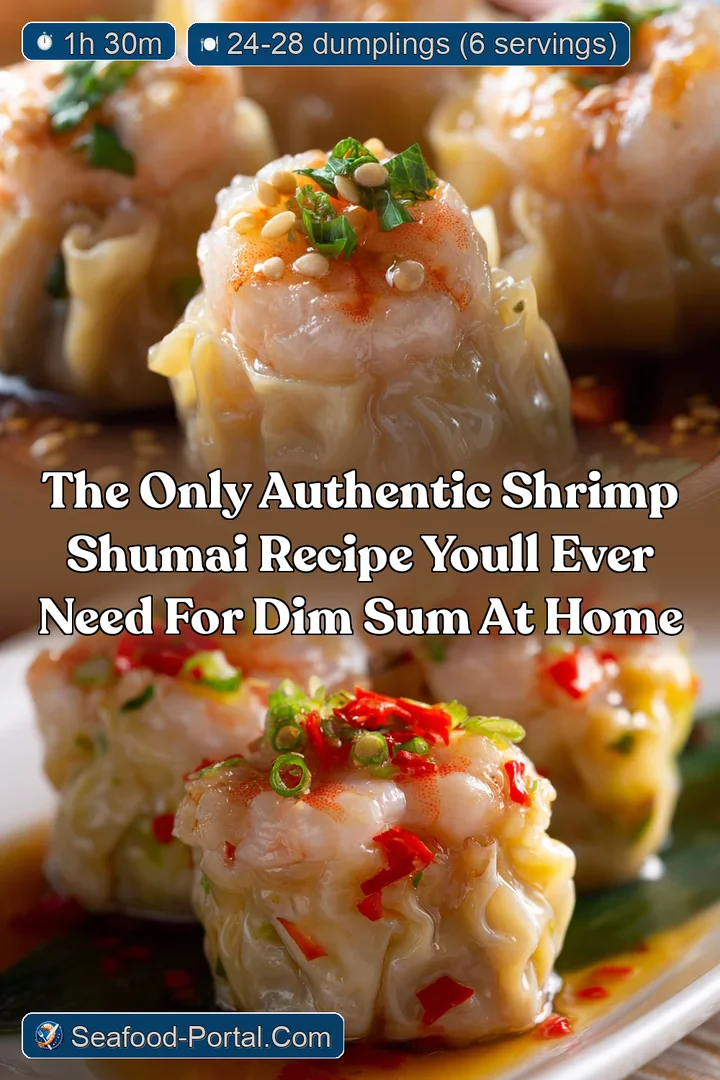
This recipe yields a substantial 24 28 dumplings. We generally calculate a serving size to be 4 5 dumplings per person, meaning this recipe comfortably serves six people.
Based on the Shrimp Shumai Ingredients ratio, a single serving of four dumplings is estimated to contain 200 250 kcal, 18g of protein, and about 8g of total fat, making them a relatively balanced and satisfying meal component.
Recipe FAQs
My filling came out a bit soft and not snappy. How do I get that brilliant, bouncy texture that good Shrimp Shumai should have?
Ah, you’re aiming for that signature Cantonese ‘snap’ or qing a mark of true quality! The secret lies in temperature and technique. First, keep your ingredients absolutely ice-cold.
Second, you must perform the vigorous ‘slap technique’ mentioned in the instructions, mixing the filling vigorously in one direction for several minutes. This forces the proteins to align and develop that crucial elastic structure. Think of it as a vigorous gym session for your dumpling mix!
Can I make these ahead of time? Do these brilliant little Shrimp Shumai parcels freeze well, or is that a recipe for disaster?
Absolutely! Shumai are excellent candidates for batch cooking and freezing, which saves a lot of faff on a weeknight. Wrap them entirely but do not steam them. Lay the raw dumplings out on a parchment lined tray and freeze until they are rock solid (about an hour). Then transfer them to an airtight container.
When you're ready to eat, simply steam them directly from frozen. They won't need defrosting, but you will need to add an extra 3 5 minutes to the steaming time to ensure they are cooked through.
I haven’t got a proper dim sum steamer basket, the horror! What’s the best way to steam these without professional kit?
No need to panic and ring the dim sum emergency hotline! You can easily create a sturdy makeshift steamer. Use a large pot or a wok and place a metal trivet or even three wads of aluminium foil (about golf ball size) inside the pot. Fill the pot with water, ensuring it remains below the height of the support.
Place your plate of lined Shumai on top of the trivet, cover tightly with a lid, and steam away. It works a treat, giving you that essential high heat, moist environment.
I need to avoid pork. Can I make these entirely with shrimp, or should I swap the pork for something else?
Going fully shrimp is doable, but the small amount of pork fat is crucial for juiciness and binding, often preventing the finished dumpling from feeling dry. If pork is off the menu, swap it for an equal amount of finely minced chicken thigh (dark meat retains more moisture than breast).
Alternatively, you can use a bit of mashed fish paste (like Surimi) to boost the binding properties and maintain that desirable springy texture.
My Shumai look a bit like a sack of potatoes rather than having a neat ‘waist’. Any tips for perfecting the shape?
It takes a bit of practice it's almost as fiddly as parallel parking! The key is using the right amount of filling: don’t overstuff the wrapper. Once the filling is centred, use your non-dominant hand to lightly cup the dumpling.
Use the back of a small spoon or spatula to press the filling down, which naturally pushes the edges of the wrapper up and inward around the sides, forming that classic, neat ruffle and waist.
Classic Cantonese Shrimp Shumai Recipe
Ingredients:
Instructions:
Nutrition Facts:
| Calories | 558 kcal |
|---|---|
| Protein | 5.1 g |
| Fat | 9.9 g |
| Carbs | 14.8 g |
| Fiber | 1.4 g |
| Sodium | 371 mg |
