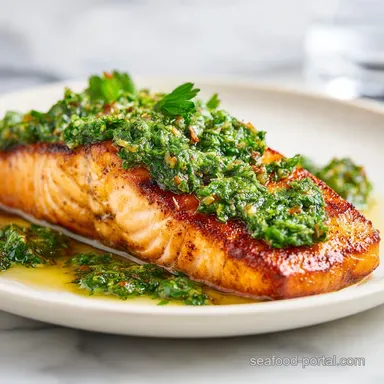
Chimichurri Salmon: a Delicious Twist
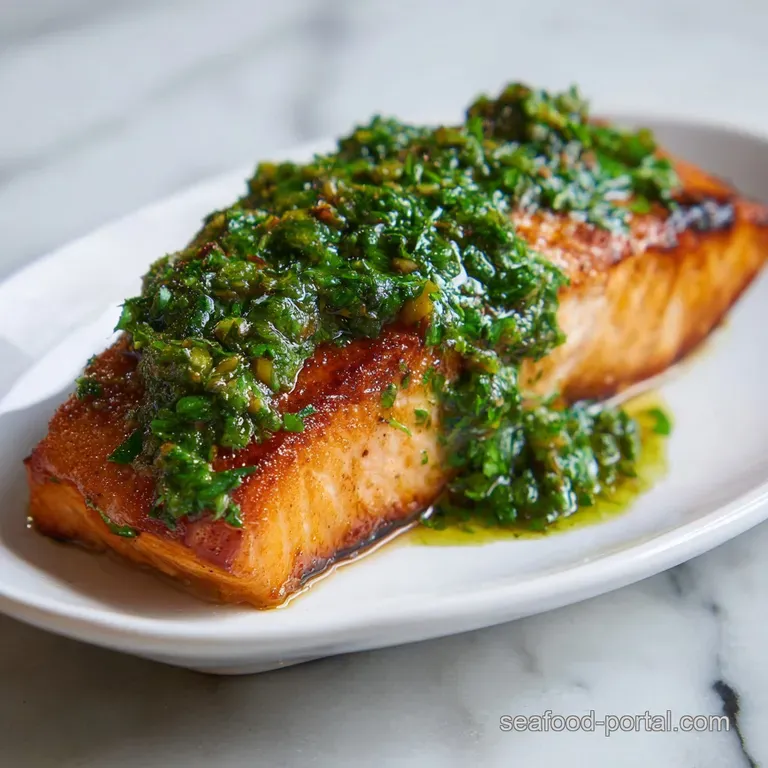
- Time: 10 min active + 12 min cook = Total 25 min
- Flavor/Texture Hook: Zesty, vibrant herbs paired with shatter crisp skin
- Perfect for: A fast weeknight dinner that feels like a restaurant meal
- Chimichurri Salmon Recipe a Delicious Twist
- Why Most Recipes Fail
- Deep Dive Into Ingredients
- Necessary Kitchen Tools
- Step-by-Step Cooking Guide
- Fixing Common Cooking Problems
- Making Healthy Dietary Swaps
- Scaling This Dish
- Debunking Kitchen Myths
- Storing and Saving Leftovers
- Ideas for Serving
- High in Sodium
- Recipe FAQs
- 📝 Recipe Card
Chimichurri Salmon Recipe a Delicious Twist
That first sizzle when the salmon hits the hot oil is the best part. I remember the first time I tried to make something like this, and I did the classic rookie move: I didn't dry the fish. I ended up with "steamed" salmon that had a sad, rubbery skin. It was a mess.
But once I learned to pat that fish dry until it's almost tacky, everything changed.
Forget the idea that you need a sugary glaze or a complicated crust to make salmon feel special. Most people think you need a slow bake or a fancy marinade to avoid the "fishy" taste, but the real answer is acid.
A bright, punchy sauce cuts straight through the richness of the omega-3s, making the whole dish feel light and fresh.
This chimichurri salmon recipe a delicious twist is all about those contrasts. You've got the rich, buttery texture of the fillet, the sharp bite of red wine vinegar, and the crunch of the skin.
It's a simple approach, but it's the one that actually works when you're hungry and want something that tastes high end without the stress.
Why Most Recipes Fail
Most versions of this dish fail because they treat the chimichurri as a garnish rather than a functional component. If the sauce is too bland, the salmon just tastes greasy. If the fish is overcooked, no amount of herbs can save the texture.
Honestly, don't even bother with low-fat olive oil here, as the flavor is too flat.
The other big mistake is the "flip." People flip the fish too early. If the skin hasn't formed a proper crust, it'll just tear away and stick to the pan, leaving you with a shredded mess. You have to trust the process and leave it alone until the fish practically releases itself from the skillet.
And then there's the heat. Too low, and you're poaching the fish in its own oil. Too high, and you burn the paprika before the center is even warm. It's a balance of medium high heat and patience.
The Secret to the Zest
Acid Balance: Red wine vinegar breaks down the heavy fats in the salmon, which stops the dish from feeling too heavy on the palate.
Temperature Gradient: Searing the skin at high heat while finishing at a lower internal temp creates a contrast between the crisp exterior and the velvety interior.
Herb Oxidation: Keeping the sauce raw and adding it at the end preserves the volatile oils in the parsley and cilantro, ensuring that "fresh cut grass" aroma.
Carry over Heat: Pulling the fish at 130-140°F allows the internal temperature to rise slightly while resting, preventing the protein from tightening and becoming dry.
| Method | Time | Texture | Best For |
|---|---|---|---|
| Pan Sear | 12 mins | Shatter crisp skin | Maximum flavor contrast |
| Oven Bake | 22 mins | Tender, uniform | Cooking for a crowd |
| Air Fryer | 10 mins | Evenly browned | Minimal cleanup |
Deep Dive Into Ingredients
When it comes to the herbs, don't use the curly parsley. It's mostly for decoration and doesn't have the punch of flat leaf parsley. The flat leaf variety is what gives this chimichurri salmon recipe a delicious twist its signature brightness. If you're really into bold flavors, you can even supplement the basic salt and pepper with a homemade salmon seasoning blend to add more depth to the crust.
The red wine vinegar is non negotiable. You could use apple cider vinegar, but it's too fruity. You need that sharp, fermented bite of red wine vinegar to balance the oil. And for the love of all things tasty, use extra virgin olive oil.
The refined stuff doesn't have the peppery notes that complement the garlic and red pepper flakes.
Component Analysis
| Ingredient | Science Role | Pro Secret |
|---|---|---|
| Red Wine Vinegar | pH Lowering | Adds a "tang" that mimics citrus without the bitterness |
| Fresh Cilantro | Aromatic Layer | Chop by hand; a food processor can bruise the leaves and make them taste metallic |
| Paprika | Color/Smoke | Provides a vivid red hue and a hint of earthiness to the sear |
| Garlic | Pungency | Mince it fine, but don't press it into a paste or it might burn in the sauce |
Necessary Kitchen Tools
You don't need a professional kitchen for this, but a few things make a huge difference. A stainless steel or cast iron skillet is your best friend here. Non stick is okay, but you can't get it as hot, which means your skin won't be as crispy.
A fish spatula is another one of those "once you have it, you can't live without it" tools. Because salmon is flaky, a regular spatula often breaks the fillet. The thin, flexible edge of a fish spatula slides right under the skin.
Finally, get a digital meat thermometer. Stop guessing by "pressing the side of the fillet." That's how you end up with overcooked, chalky fish. A thermometer is the only way to ensure you hit that 130-140°F sweet spot every single time.
Step-by-step Cooking Guide
Right then, let's crack on. Make sure your salmon is at room temperature for about 15 minutes before you start. If it's ice cold from the fridge, the outside will overcook before the middle even thinks about warming up.
- Combine the chopped parsley, cilantro, minced garlic, red wine vinegar, red pepper flakes, salt, and pepper in a small bowl. Note: Doing this first lets the vinegar soften the garlic.
- Slowly whisk in the olive oil until emulsified but still chunky. Set aside at room temperature. Note: Don't over mix or you'll lose the rustic texture.
- Pat the salmon fillets completely dry with paper towels. Note: Moisture is the enemy of a crisp sear.
- Season both sides with salt, pepper, and paprika. Note: Press the spices into the flesh so they don't just slide off in the pan.
- Heat 1 tbsp of oil in a skillet over medium high heat until shimmering. Note: If the oil is smoking, it's too hot; turn it down slightly.
- Place salmon skin side down and press firmly for 10 seconds. Cook undisturbed for 4-6 minutes until the skin is crisp and releases easily.
- Flip the fillets and cook for another 3-5 minutes. Note: Be gentle here to avoid breaking the crust.
- Use a meat thermometer to pull the salmon at 130°F for medium rare or 140°F for medium. until the center is just opaque.
- Remove from heat and let rest for 3 minutes. Note: This lets the juices redistribute for a velvety texture.
- Spoon a generous amount of the chimichurri sauce over the top of each fillet.
Fixing Common Cooking Problems
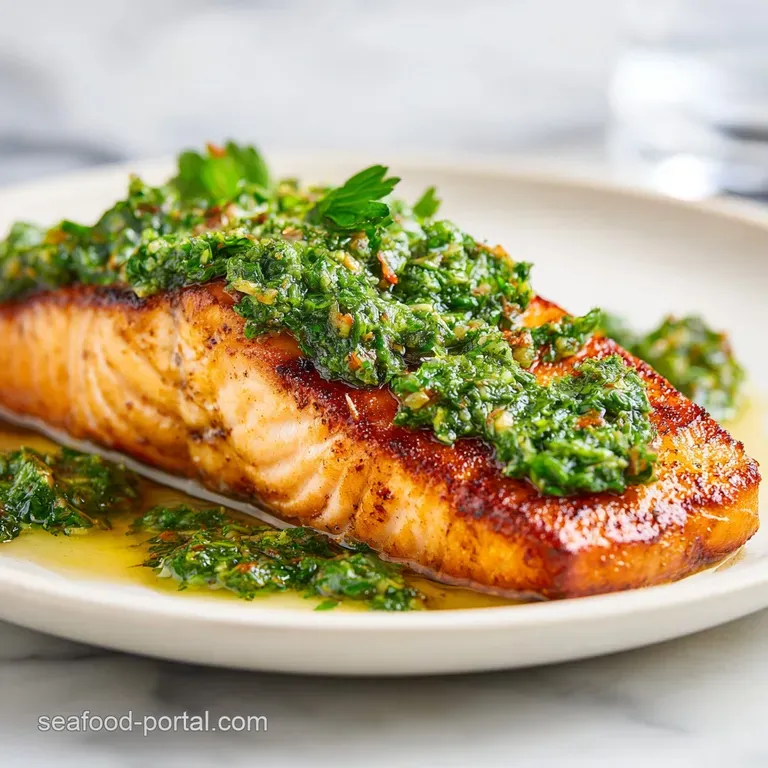
Even with a great chimichurri salmon recipe a delicious twist, things can go sideways. The most common issue is the skin sticking. This usually happens because the pan wasn't hot enough or the fish was flipped too soon. If you feel resistance when you try to flip, leave it for another minute.
Then there's the sauce. If it tastes too "sharp" or acidic, you've likely overdone the vinegar or your garlic is too potent. A tiny pinch of sugar or a bit more olive oil can mellow it out. But don't over correct, or you'll lose the brightness that makes this dish work.
Finally,, watch out for the paprika. If your heat is screamingly high, the paprika can burn and turn bitter. Keep an eye on the color; you want a deep red brown, not black.
Why Your Skin Is Sticky
If the skin clings to the pan, it's usually a temperature issue. The proteins need to sear and "release."
| Problem | Root Cause | Solution |
|---|---|---|
| Sticky Skin | Pan not hot enough | Wait for oil to shimmer before adding fish |
| Rubbery Skin | Fish was too wet | Pat dry with paper towels twice |
| Burnt Skin | Heat too high | Drop to medium high; don't use "High" |
Why Your Sauce Is Bitter
Over processing herbs or using old garlic can introduce a bitter edge.
| Problem | Root Cause | Solution |
|---|---|---|
| Bitter Sauce | Processed herbs | Chop by hand with a sharp knife |
| Too Acidic | Excess vinegar | Whisk in 1 tsp extra olive oil |
| Bland Flavor | Not enough salt | Add a pinch of kosher salt at the end |
Common Mistakes Checklist
- ✓ Didn't dry the salmon (causes steaming instead of searing)
- ✓ Flipped too early (tears the skin)
- ✓ Used curly parsley (lacks flavor)
- ✓ Skipped the resting period (loses juices)
- ✓ Cooked until 145°F+ (results in dry, chalky meat)
Making Healthy Dietary Swaps
This recipe is already quite clean, but you can tweak it depending on your goals. For a keto or paleo version, this is already a win. Just ensure your red wine vinegar is a brand without added sugars.
If you're avoiding nightshades, you'll need to skip the paprika and red pepper flakes. You can replace the paprika with a pinch of turmeric for color, though the flavor will shift toward something more earthy. For the heat, try a bit of fresh ginger or a dash of white pepper.
For those who find the cilantro too soapy (thanks, genetics!), you can swap it for more parsley or even some fresh basil. Basil will give the chimichurri salmon recipe a delicious twist a more Mediterranean vibe, which still pairs brilliantly with the richness of the fish.
If you're watching your fat intake, you can reduce the olive oil in the sauce by half and replace it with a tablespoon of water or a splash of extra vinegar. Trust me on this, though: reducing the oil too much will make the sauce feel thin rather than velvety.
Scaling This Dish
Scaling up is pretty straightforward, but don't just multiply everything linearly. If you're cooking for 8 people instead of 4, you'll need a much larger pan or, better yet, work in batches. Crowding the pan drops the temperature, and you'll end up with that dreaded "steamed" salmon again.
For the sauce, you can double it easily. In fact, I usually make a double batch because the chimichurri is great on steak or roasted potatoes. However, for the salmon seasoning, only increase the salt to about 1.5x.
Too much salt on a larger batch of fillets can draw out too much moisture, making it harder to get a crisp sear.
If you're scaling down for one person, use a small 8 inch skillet. Reduce the cooking time by about 20% if your fillets are thinner than 6 oz, as they'll heat through much faster. Be careful with the garlic in small batches; one huge clove can easily overpower a single fillet.
Debunking Kitchen Myths
Let's talk about the "searing in the juices" myth. You'll hear people say that searing salmon "seals" the moisture inside. This is simply not true. Searing creates flavor and texture through the Maillard reaction, but moisture loss happens regardless of how you start the cook.
The goal is flavor and crunch, not "sealing."
Another common myth is that salmon must be cooked until it's opaque all the way through. Honestly, that's a recipe for dry fish. Medium rare or medium (130-140°F) is where the texture is most velvety.
As long as you're using high-quality, sushi grade or well handled fillets, there's no need to overcook it into a brick.
Finally, some people think you can't use a skillet for thick fillets. While a slow bake is an option, a pan sear followed by a short rest is actually more efficient for heat distribution, as long as you don't blast the heat too high.
Storing and Saving Leftovers
If you have any salmon left over, store it in an airtight container in the fridge for up to 3 days. The skin will lose its shatter crisp texture, unfortunately. To bring it back to life, don't microwave it. According to The Kitchn: The Best Way to Reheat Salmon, a gentle reheat in the oven or a quick sear in a pan is the way to go.
The chimichurri sauce is a different story. It stays fresh in the fridge for about 5 days. To keep the oil from separating, give it a quick whisk before using. If you want to freeze it, you can pour the sauce into ice cube trays. Once frozen, pop the cubes into a freezer bag.
They last for 3 months and are great for tossing into a pan with some shrimp.
For zero waste, don't throw away the parsley or cilantro stems. Chop them very finely and add them to the sauce, or toss them into a vegetable stock. The stems actually hold a lot of the most concentrated flavor. Also, any leftover sauce is an incredible base for a marinade for chicken or tofu.
Ideas for Serving
To turn this into a full meal, I love making a Chimichurri Salmon Bowl. Start with a base of quinoa or farro, add some roasted sweet potatoes, and toss in some sliced avocado. The zesty sauce from the chimichurri salmon recipe a delicious twist acts as the dressing for the whole bowl.
If you want something more classic, serve it alongside a pile of garlicky sautéed spinach or roasted asparagus. The bitterness of the greens complements the richness of the fish. If you need a starch, a simple lemon butter rice or some smashed fingerling potatoes work brilliantly.
For those who love a bit of extra creaminess, try pairing the fillets with a side of creamy fish taco sauce. While the chimichurri is sharp and zesty, the taco sauce adds a cool, velvety contrast that balances the red pepper flakes. It's an unexpected combination, but it's a total winner for a summer dinner party.
High in Sodium
820 mg 820 mg of sodium per serving (36% 36% of daily value)
The American Heart Association recommends a daily limit of 2,300mg of sodium to reduce the risk of high blood pressure and heart disease.
Tips to Reduce Sodium
-
Reduce Salmon Seasoning-25%
Replace the 1 tsp of kosher salt used on the salmon fillets with lemon zest or a salt free garlic powder blend.
-
Cut Sauce Salt-25%
Eliminate or reduce the 1/2 tsp of kosher salt in the herb sauce; the red wine vinegar provides enough tang to compensate.
-
Enhance with Acidity-15%
Increase the amount of red wine vinegar or add a squeeze of fresh lemon juice to brighten flavors without adding sodium.
-
Maximize Fresh Herbs
Lean heavily on the fresh parsley and cilantro to provide a punch of flavor that reduces the need for salt.
Recipe FAQs
How to get the salmon skin crispy?
Pat the fillets completely dry with paper towels and press firmly for 10 seconds once they hit the shimmering oil. This prevents steaming and ensures a shatter crisp texture.
Can I make the chimichurri sauce in advance?
Yes, you can. The sauce stays fresh in the fridge for up to 5 days, though you should give it a quick whisk before serving to re-emulsify the oil.
How to tell if the salmon is cooked to the right temperature?
Use a meat thermometer to check the internal temperature. Pull the fillets at 130°F for medium rare or 140°F for medium.
Is it true that I should flip the salmon every minute to cook it evenly?
No, this is a common misconception. Cook the skin side undisturbed for 4-6 minutes to develop a proper crust before flipping once for the final 3-5 minutes.
How to reheat leftover salmon without drying it out?
Reheat gently in the oven or with a quick sear in a pan. Avoid the microwave, as it will ruin the texture of the fish and the skin.
Can I use a different sauce if I don't have cilantro?
Yes, a creamy alternative works well. If you prefer a different flavor profile, you can try a feta dill sauce for a Mediterranean twist.
Why should I let the salmon rest before adding the sauce?
Rest the fillets for 3 minutes to allow the juices to redistribute. This ensures the fish remains moist and the sauce adheres better to the surface.
Chimichurri Salmon Recipe 2