Chicken and Shrimp Carbonara: Surf Turf Indulgence
- The Proper Carbonara Method, Elevated: Surf & Turf Edition
- Why This Recipe Tastes Better Than the Restaurant Classic
- Essential Ingredients for Chicken and Shrimp Carbonara
- Ingredient Notes and Expert Substitutions
- The Process: How to Cook Indulgent Surf & Turf Carbonara
- The Carbonara Safety Net: Chef’s Tips and Troubleshooting
- Perfect Pairings: What to Serve Alongside This Rich Dish
- Meal Prepping & Storage Guide for Leftover Carbonara
- Recipe FAQs
- 📝 Recipe Card
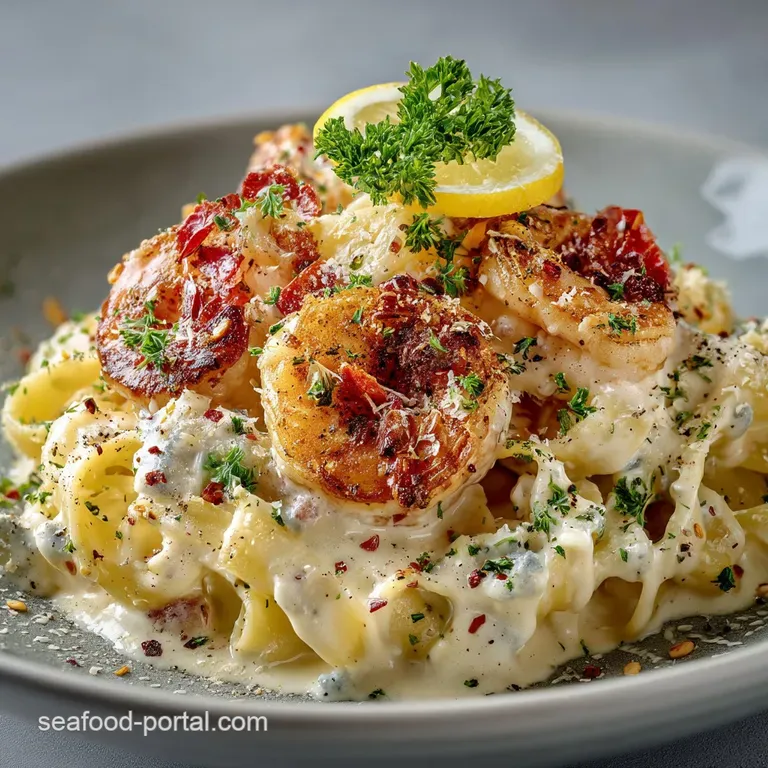
The Proper Carbonara Method, Elevated: Surf & Turf Edition
That nutty, peppery aroma? That velvety, hugging sauce? The smell alone of true Chicken and Shrimp Carbonara stops me dead in my tracks, reminding me why mastering this Italian classic is a rite of passage for every home cook.
We're taking that traditional approach no cream allowed and adding a luxurious surf and turf twist that absolutely sings. This isn't your average, heavy pasta dish; this is rich, sophisticated comfort food.
Look, classic Carbonara is amazing, but sometimes you need more substance, you know? This fusion of cubed chicken breast and succulent shrimp creates a complete, satisfying meal that is ridiculously fast once you get the technique down.
It’s perfect for impressing dinner guests or just treating yourself on a Tuesday night. Forget those recipes that rely on heavy cream; we're using the magic of eggs, starchy water, and rendered pork fat to achieve maximum creamy texture.
We’re going to walk through the pitfalls, master the technique, avoid the dreaded egg-scramble, and create a truly perfect, glossy plate of pasta. Let’s get to the recipe for the best Chicken and Shrimp Carbonara you'll ever taste, focusing on precision and high-quality ingredients.
Why This Recipe Tastes Better Than the Restaurant Classic
Most restaurant Carbonaras, especially those masquerading as "creamy chicken carbonara pasta," rely on heavy cream to stabilize the sauce. That’s a cheat, and frankly, it sacrifices the intense, pure flavor you get from a proper emulsion.
This version of Chicken and Shrimp Carbonara works because we treat the proteins separately, ensuring the chicken browns beautifully and the shrimp stays tender, not tough, while the rendered pancetta fat infuses every element.
Why Authentic Carbonara Requires Zero Cream
The authenticity isn’t just about tradition; it's about chemistry. True Carbonara sauce is an emulsion a temporary marriage of fat (from the pancetta and egg yolks) and water (the starchy pasta water).
Cream just dulls the intense, sharp, salty punch of the Pecorino Romano and the delicate richness of the egg yolks. If you want genuine, silky Chicken and Shrimp Carbonara , you must ditch the dairy cream and trust the yolks.
Achieving the Velvety Sauce: Emulsification Science
This is where things get nerdy, but stay with me. The secret lies in the heat. When the hot, starch coated pasta hits the fat in the pan, and you add the raw egg mixture off the heat , the starch molecules swell and grab hold of the fat and the protein in the egg yolks.
This motion, combined with the slow addition of reserved starchy water, creates a thick, glossy, velvety sauce that coats every strand. It’s pure brilliance, and it’s the defining characteristic of a great Chicken and Shrimp Carbonara Recipe .
Surf Meets Turf: Balancing Chicken and Shrimp Flavors
The beauty of this particular Surf and Turf Carbonara lies in the contrast. The chicken, cut into small cubes, adds a hearty, savory, browned element. The shrimp, added last and cooked quickly, brings a sweet, delicate counterpoint.
They are cooked in the same pan, sequentially, meaning the chicken gets the initial fat and browning, and the shrimp soaks up all the flavor left behind. This careful timing ensures maximum flavour penetration for our Chicken and Shrimp Carbonara .
The Magic of Rendered Pancetta Fat
Pancetta (or guanciale, if you can find it) is non-negotiable for flavor depth. We render the fat low and slow don’t rush this part! That rendered liquid gold is going to be the base fat for browning the chicken and sautéing the shrimp, infusing the entire dish with a smoky, salty foundation.
That fat is what carries the flavor in this specific Chicken and Shrimp Carbonara .
Perfecting the Egg Yolk Ratio for Maximum Richness
I use a ratio of four egg yolks to one whole egg for the standard 12 oz of pasta. The yolks bring the richness and the luxurious coating consistency, while the single whole egg adds just enough albumen (white) to stabilize the sauce slightly, making it less prone to breaking.
Trust me, getting this ratio right is the foundation of a truly successful Chicken and Shrimp Carbonara .
Choosing the Right Pasta Shape for Optimal Sauce Cling
While you can technically use any pasta, long strands like Bucatini or Spaghetti are traditional for a reason. Bucatini, with its small hole, traps the rich, glossy sauce inside, giving you an intense burst of flavor with every bite.
The starchy coating on these long strands also promotes better emulsification when mixing the egg mixture for your Chicken and Shrimp Carbonara .
Essential Ingredients for Chicken and Shrimp Carbonara
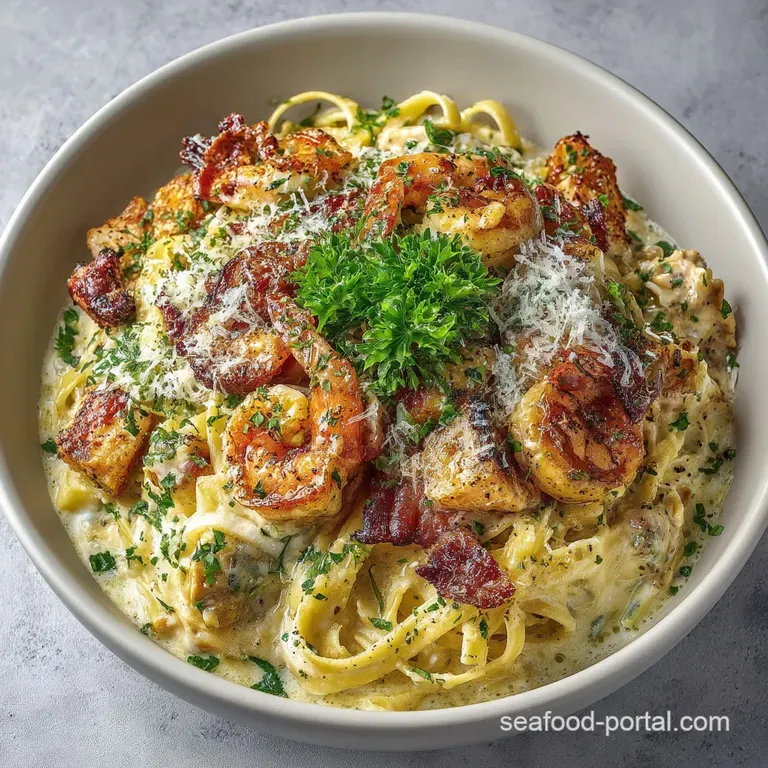
To successfully execute this rich and luscious plate of Chicken and Shrimp Carbonara , we have to talk quality ingredients first. Don’t skimp on the cheese, and ensure your proteins are prepped correctly. It makes all the difference in the world.
Ingredient Notes and Expert Substitutions
| Ingredient | Why I Use It | Viable Substitution |
|---|---|---|
| Pancetta | Deep, clean cured pork flavor. | Guanciale (best) or thick cut smoked bacon. |
| Pecorino Romano | Sharp, salty, punchy flavour. | 50/50 blend of Parmigiano Reggiano and Pecorino. |
| Bucatini | Excellent sauce cling. | Spaghetti, Rigatoni, or even Fettuccine. |
| Chicken Breast | Lean, cubed protein base. | Chicken thighs (adds richness, needs longer cooking). |
| Shrimp | Sweetness and delicate texture contrast. | Prawns or Bay Scallops (use the same quick cooking method). |
Pecorino Romano vs. Parmigiano Reggiano: The Cheese Debate
Pecorino Romano is made from sheep’s milk, giving it a sharper, saltier, more pungent flavor profile essential for this dish. Parmigiano Reggiano is milder and nuttier. If you find pure Pecorino too intense, use a 50/50 blend. Crucially: It must be freshly grated.
Pre-grated cheese contains cellulose that ruins the smooth sauce required for a perfect Chicken and Shrimp Carbonara .
Prepping the Proteins: Cubing the Chicken and Deveining the Shrimp
Protein preparation is everything here. Cut the chicken breast into even, 1 inch cubes so it cooks quickly and evenly. Since we are adding it back into the hot pasta later, we don't want giant chunks. For the shrimp, ensure they are peeled and fully deveined.
If you’re busy, buying pre-peeled, raw shrimp is a huge time saver, making this an even easier Chicken and Shrimp Carbonara .
Finding the Perfect Cured Meat: Pancetta vs. Guanciale Notes
Guanciale (cured pork cheek) is technically the most authentic choice, prized for its exceptionally rich, high melting point fat. Pancetta (cured pork belly) is far easier to find and works beautifully.
If you must use bacon, find an unsmoked, high-quality, thickly cut variety, but know that the resulting Chicken and Shrimp Carbonara will have a smokier, less "clean" finish.
Mise En Place Checklist: What You Need Before Starting
The moment the pasta is ready, everything happens fast. You cannot pause to grate cheese or cut chicken. Make sure the following is done before the pasta hits the water:
- Pancetta diced and chicken cubed.
- Shrimp peeled and ready.
- Egg/cheese mixture whisked and sitting at room temperature in the large mixing bowl.
- Pasta water measuring cup ready.
- Plenty of fresh black pepper ground.
The Process: How to Cook Indulgent Surf & Turf Carbonara
Ready to learn How to Make Chicken and Shrimp Carbonara like a pro? The execution is everything here. Follow these phases exactly to ensure success. We are aiming for a glossy, emulsified coating, not a hot mess.
Phase 1: Rendering the Fat and Sautéing the Chicken Cubes
Start the pancetta in a cold skillet over medium low heat. This allows the fat to slowly render out without burning the meat. This should take about 8 to 10 minutes until the pancetta is crisp. Remove the crisps, leaving about 2 tablespoons of rendered fat behind.
Increase the heat to medium high, add the chicken cubes, and cook until they are beautifully golden brown and fully cooked inside. Remove the chicken and set it aside with the pancetta crisps.
Phase 2: Cooking the Shrimp and Preparing the Egg Mixture
Reduce the heat slightly before adding the shrimp and the minced garlic to the hot, fatty pan. Shrimp cooks fast literally 2 to 3 minutes until they turn pink and opaque. Do not overcook them. Overcooked shrimp is chewy and tough.
Remove the shrimp and garlic immediately and set them aside. While the pasta is cooking, ensure your egg mixture (yolks, whole egg, Pecorino, pepper) is whisked into a thick, mustard like paste. This paste is the secret to your Easy Chicken and Shrimp Carbonara .
Phase 3: The Critical Tempering and Toss Technique
The pasta must be cooked extremely al dente . Reserve at least a cup of the starchy water. Drain the pasta and immediately transfer it to the skillet containing the leftover residual fat. Toss quickly to coat the pasta.
This is the moment of truth: REMOVE THE SKILLET COMPLETELY FROM THE HEAT SOURCE. Add the egg/cheese mixture to the pasta and begin tossing vigorously with tongs, immediately splashing in a small amount (about 1/4 cup) of the reserved hot starchy water.
The heat from the pasta, not the stove, cooks the eggs.
Phase 4: Achieving Maximum Creaminess with Pasta Water
Continue tossing and adding reserved pasta water, one tablespoon at a time, until the sauce transforms into that glossy, velvety coating. If you need inspiration for using shrimp elsewhere, try my fantastic recipe for Honey Walnut Shrimp: Best Ultra Crispy Restaurant Style Recipe , but for now, focus entirely on the delicate emulsion of this dish. Once the sauce is perfect, quickly fold in the cooked chicken, shrimp, and the reserved crisp pancetta pieces. Toss just enough to reheat the proteins gently. This final step completes your magnificent Chicken and Shrimp Carbonara .
The Carbonara Safety Net: Chef’s Tips and Troubleshooting
I once made the catastrophic error of adding cold eggs to a piping hot pan while attempting a Chicken and Shrimp Carbonara —it looked like chunky, cheesy soup. Never again! Learning these tricks will save you a lot of heartache.
Avoiding Scrambled Eggs: Temperature Control is Everything
This is the rule written in permanent marker in my kitchen: The pan must be off the heat! The residual heat from the pasta (which retains heat exceptionally well) is enough to thicken the sauce without scrambling the eggs.
If your pan is still smoking hot after cooking the shrimp, let it sit for a minute before adding the pasta.
Chef’s Note: If your sauce looks too runny, put the pan back on the turned off, warm burner for exactly two seconds. Immediately remove it and toss furiously. This controlled burst of heat helps thicken the sauce without breaking the eggs.
Reviving a Carbonara That Has Seized
A seized sauce means the eggs have tightened too much, often because the pasta was too hot or you didn’t add enough liquid fast enough. Don’t panic. Add another splash of reserved hot pasta water, or if you ran out, a tiny bit of boiling water, and whisk constantly and aggressively off the heat .
The extra liquid should loosen the sauce, making your Chicken and Shrimp Carbonara creamy again.
Ensuring Chicken and Shrimp Are Cooked Through Simultaneously
The key here is size and sequence. The chicken cubes must be small (1 inch) and fully cooked before you add the shrimp. The shrimp only needs 2- 3 minutes.
By cooking them separately and then reintroducing them right at the end, you guarantee both proteins are cooked perfectly and prevent the shrimp from becoming rubbery in your Chicken and Shrimp Carbonara .
Perfect Pairings: What to Serve Alongside This Rich Dish
Because this Creamy Chicken Carbonara Pasta is undeniably rich packed with egg yolks, cheese, and rendered pork fat you need accompaniments that provide acidity and contrast.
Wine Recommendations for Egg-Based Pasta Dishes
Stick to crisp, dry whites. The acidity cuts through the richness of the egg and cheese beautifully. A bright Italian white like a Vermentino or even a high-quality Sauvignon Blanc works wonders.
If you absolutely prefer red, choose something light and fruity, like a young Chianti, that won't overwhelm the delicate flavor of the Chicken and Shrimp Carbonara .
Simple Side Salads That Cut Through the Richness
Forget heavy, creamy dressings. You need light, acidic greens. A simple side salad of peppery rocket (arugula) dressed only with good quality lemon juice, a drizzle of olive oil, and a shaving of extra Pecorino is ideal. It cleanses the palate perfectly between bites of this magnificent Chicken and Shrimp Carbonara . If you want another great seafood dish, maybe try my Shrimp Egg Foo Young: Fluffy Omelette with Rich Gravy for a complete change of pace!
Meal Prepping & Storage Guide for Leftover Carbonara
Let's be honest: Carbonara is best eaten immediately. It’s a dish of the moment. However, if you are blessed with leftovers of this spectacular Chicken and Shrimp Carbonara , here is how to handle them without disaster.
Refrigerating Cooked Chicken and Shrimp Carbonara Safely
Because of the raw egg component, it's vital to cool leftovers quickly. Transfer any extra Chicken and Shrimp Carbonara to an airtight container and refrigerate within two hours. It will keep safely in the fridge for up to three days.
Note that the texture will change significantly; the sauce will thicken and cling tightly to the pasta.
Reviving Leftovers: No Microwave Allowed
Microwaving Carbonara is a crime. It turns the glossy sauce into dry, scrambled pasta clumps. The best way to reheat is on the stovetop, low and slow. Place the cold leftovers in a non-stick pan over very low heat.
Add a splash of water, milk, or, ideally, chicken broth (1 2 tablespoons per serving). Toss constantly until warmed through and the pasta is glossy again. This gentle heat helps loosen the tight, refrigerated sauce.
Important Note: I strongly advise against freezing Chicken and Shrimp Carbonara . The eggs and cheese will separate completely upon thawing, resulting in a grainy, watery mess that no amount of tossing can fix. If you want a dish that freezes better, maybe stick to something like Fish and Chips: Ultimate Crispy Homemade Recipe . Stick to refrigeration for this delicious Chicken and Shrimp Carbonara . Enjoy every creamy, peppery, salty bite!
Recipe FAQs
Why did my Carbonara sauce curdle or look scrambled?
Curdling occurs when the egg yolks cook too quickly due to excessive heat. To prevent this, ensure you remove the pasta from the direct heat source before adding the yolk mixture, and slowly temper the eggs by incorporating the very hot, starchy pasta water a spoonful at a time before combining it with the pasta.
Can I substitute the pancetta or use a different type of seafood?
Absolutely; traditional carbonara uses guanciale, but quality thick cut bacon works well as a substitute for pancetta, though it changes the smoky flavor profile slightly. For seafood, scallops or even cooked lobster meat can be used instead of shrimp, but cooking times should be adjusted to prevent overcooking.
How should I store and reheat leftover Chicken and Shrimp Carbonara?
Carbonara does not store or reheat well because the egg-based sauce separates and the shrimp tends to become tough and rubbery. If you must store it, refrigerate leftovers in an airtight container for up to 2 days, but avoid freezing the dish.
My finished carbonara is too dry and sticky; how can I fix this?
The sauce consistency relies on the perfect ratio of egg yolk, cheese, and starchy pasta water. If the dish is too tight, slowly whisk in small tablespoons of reserved hot pasta water off the heat until the sauce reaches a creamy, loose, and emulsified consistency, tossing quickly to incorporate.
I don't have Pecorino Romano. Can I use Parmesan instead?
While Parmesan (Parmigiano Reggiano) is an acceptable substitute, be aware it yields a milder, nuttier flavor and lacks the sharp, salty punch of traditional Pecorino. If using Parmesan, you might need to adjust the amount of added salt in the dish and ensure it is finely grated for the best emulsification.
Why is using starchy pasta water so important for this recipe?
The starch molecules in the water are absolutely essential for binding the egg yolk and cheese mixture into a smooth, creamy emulsification, preventing the sauce from breaking. Always reserve at least one cup of this cloudy water before draining the pasta, as it is the key component that transforms the sauce from liquid to velvet.
Can I make this Carbonara recipe gluten-free?
Yes, this recipe is easily adaptable by simply replacing the traditional spaghetti or fettuccine with a gluten-free pasta of your choice. Ensure the cooking time is followed carefully for the specific gluten-free pasta used, as these often require slight adjustments to achieve the proper texture.
Chicken Shrimp Carbonara Recipe
Ingredients:
Instructions:
Nutrition Facts:
| Calories | 1139 kcal |
|---|---|
| Protein | 77.6 g |
| Fat | 62.5 g |
| Carbs | 100.6 g |
