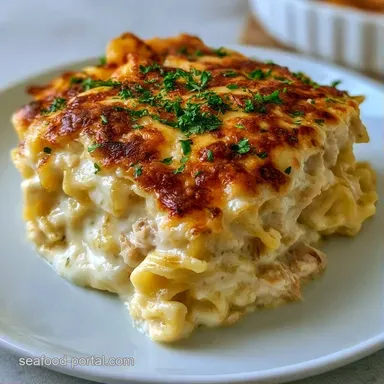
Tuna Noodle Casserole: Cheesy and Homemade
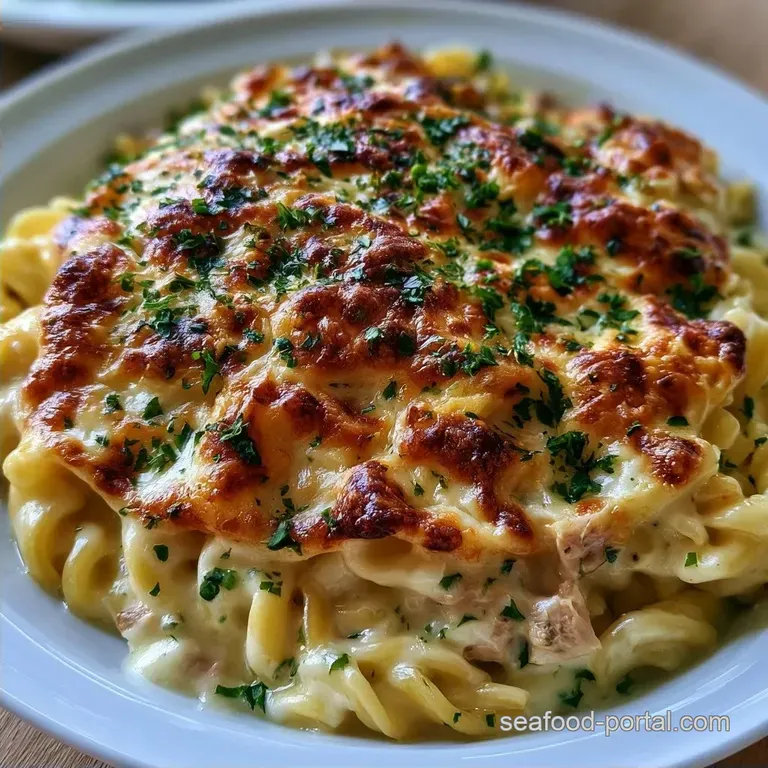
- Time: 20 min active + 45 min cook = Total 65 min
- Flavor/Texture Hook: Velvety cheese sauce topped with a garlic butter panko shatter
- Perfect for: A cozy weeknight dinner that feels like a hug in a pan
- Tuna Noodle Casserole
- Fixing Common Casserole Mistakes
- Component Analysis
- Essential Ingredients and Swaps
- Step By Step Instructions
- Avoid These Common Pitfalls
- Troubleshooting Common Issues
- Customizing Your Bake
- Truths About Casseroles
- Storage and Leftover Tips
- Best Side Dish Pairings
- Recipe FAQs
- 📝 Recipe Card
Tuna Noodle Casserole
You know that specific, heartbreaking moment when you scoop into a casserole and it's just... gray? I've been there. I once made a version using the "standard" canned soup method for a family get together, and the result was a soggy, salt bomb mess where the noodles had basically dissolved into a thick paste.
It wasn't food, it was a sponge. The texture was rubbery, the flavor was one note, and the top was a sad, damp crust that didn't even crunch.
That's why I stopped trusting the back of the soup can. To get a real win, you need a sauce that actually holds its own and noodles that keep their bite. This approach is the targeted fix for that mushy disaster.
We're talking about a proper white sauce that stays creamy and a topping that actually shatters when you hit it with a fork.
This Tuna Noodle Casserole is designed to be the ultimate comfort food without the "cafeteria" aftertaste. By controlling the starch and adding a few brightness triggers, we turn a basic pantry meal into something that actually tastes fresh.
It's creamy, savory, and has a hit of acidity that cuts right through the richness of the cheese.
Fixing Common Casserole Mistakes
The biggest fail in most recipes is the "over soak." When you cook noodles fully and then bake them in a sauce, they act like little sponges, sucking up all the moisture and then collapsing. This leaves you with a dry top and a watery bottom.
By pulling the noodles out of the water early, they finish cooking inside the sauce, absorbing the flavor without losing their structure.
Starch Control: Under boiling the pasta prevents the noodles from releasing too much starch into the sauce, which keeps the texture silky instead of gluey.
The Fat Balance: Using whole milk and butter creates a stable emulsion that won't "break" or separate in the oven, meaning no oily puddles on your plate.
Acidity Trigger: A splash of lemon juice at the end doesn't make it taste like lemon, but it wakes up the tuna and cheddar, preventing the dish from tasting too heavy or flat.
Topping Contrast: Panko is lighter and airier than traditional breadcrumbs, creating a distinct textural break between the velvety filling and the crispy top.
| Method | Prep Time | Texture | Best For |
|---|---|---|---|
| Fast (Canned Soup) | 10 mins | Soft/Mushy | Extreme rush |
| Classic (Scratch) | 20 mins | Velvety/Firm | Real flavor |
I remember trying to "shortcut" the sauce by just melting cheese into milk, but it separated almost immediately. According to the technique guides at Serious Eats, a proper roux is the only way to ensure a thick, stable sauce that doesn't split under high heat. Trust me, those extra five minutes of whisking are where the magic happens.
Component Analysis
To get the texture right, you have to understand what each part is doing. It's not just about throwing things in a bowl, it's about how the ingredients interact during the bake.
| Ingredient | Science Role | Pro Secret |
|---|---|---|
| Unsalted Butter | Fat Base | Use a medium heat to avoid browning the roux too early |
| All Purpose Flour | Thickener | Cook it for 2 mins to remove the "raw" flour taste |
| Sharp Cheddar | Flavor/Binder | Grate it yourself; pre shredded cheese has starch that stops it from melting smoothly |
| Lemon Juice | Brightener | Stir it in last to keep the citrus notes fresh |
If you're looking for more ways to use fish in a comforting way, you might like my homemade creamy tuna casserole which focuses on a similar flavor profile but with a few different twists.
Essential Ingredients and Swaps
I'm a stickler for the sharp cheddar here. Don't bother with mild or "colby" blends, they just disappear into the sauce. You want that tang to fight through the tuna.
- 4 tbsp (57g) unsalted butter Why this? Creates the base for the roux and adds richness
- 1/4 cup (32g) all purpose flour Why this? Thickens the milk into a velvety sauce
- 2 cups (480ml) whole milk Why this? Higher fat content means a smoother sauce
- 1/2 tsp (3g) salt Why this? Enhances all other flavors
- 1/4 tsp (1g) ground black pepper Why this? Adds a subtle, warm heat
- 1/8 tsp (0.5g) ground nutmeg Why this? Secret ingredient that makes white sauce taste professional
- 12 oz (340g) wide egg noodles Why this? The wide shape holds onto the sauce perfectly
- 2 cans (5 oz / 142g each) chunk light tuna in water, drained Why this? Water packed is cleaner; oil packed can make the bake greasy
- 1 cup (150g) frozen peas, thawed Why this? Adds a pop of sweetness and color
- 1 1/2 cups (170g) sharp cheddar cheese, shredded Why this? Provides the necessary savory punch
- 1 tbsp (15ml) fresh lemon juice Why this? Cuts through the fat for a balanced bite
- 1/2 cup (60g) panko breadcrumbs Why this? Lighter and crispier than standard crumbs
- 2 tbsp (28g) unsalted butter, melted Why this? Toasts the panko for a golden finish
- 1/4 tsp (1g) garlic powder Why this? Adds a savory depth to the crust
| Original Ingredient | Substitute | Why It Works |
|---|---|---|
| Whole Milk (2 cups) | Heavy Cream (1 cup) + Milk (1 cup) | Even richer texture. Note: Makes the dish significantly heavier |
| Chunk Light Tuna | Canned Salmon | Similar protein structure. Note: Adds a slightly sweeter, fishier flavor |
| Egg Noodles | Rotini or Penne | Holds sauce well. Note: Requires 5 mins more baking time due to thickness |
| Panko Breadcrumbs | Crushed Ritz Crackers | Classic buttery taste. Note: Higher salt content, reduce added salt in topping |
Honestly, don't even bother with low-fat cheese. It doesn't melt the same way and you'll end up with these weird, rubbery clumps in your Sauce Tuna Noodle Casserole. Stick to the full fat stuff for that silky pull.
Step by step Instructions
Right then, let's crack on. Make sure your oven is preheating to 375°F (190°C) so it's ready the second you finish assembling.
Phase 1: Prepping the Base
- Boil a large pot of salted water. Add the egg noodles and cook for 2 minutes less than the package directions until they are barely tender but still have a firm core. Note: This prevents them from turning into mush in the oven.
- Drain the noodles and set them aside. Do not rinse them, as the surface starch helps the sauce stick.
Phase 2: Crafting the Velvety Sauce
- Melt 4 tbsp of butter in a saucepan over medium heat. Whisk in the flour and cook for 1-2 minutes until the mixture is fragrant and pale gold. Note: Cooking the flour removes that "pasty" taste.
- Slowly pour in the milk while whisking constantly to prevent lumps. Simmer until the sauce thickens enough to coat the back of a spoon.
- Stir in salt, pepper, and nutmeg. The nutmeg is subtle, but it's the secret to a high end Homemade Sauce Tuna Noodle Casserole.
Phase 3: Assembling the Layers
- In the large pot used for the noodles, fold together the undercooked pasta, drained tuna, thawed peas, and 1 cup of the shredded cheese.
- Pour the homemade white sauce over the mixture and stir until every noodle is evenly coated and glossy.
- Stir in the 1 tbsp of lemon juice. Transfer the mixture into a 9x13 inch baking dish and smooth the top with a spatula.
Phase 4: Finishing with Heat
- In a small bowl, combine panko breadcrumbs, melted butter, and garlic powder. Sprinkle the topping evenly over the casserole.
- Bake at 375°F (190°C) for 20-25 minutes until the edges are bubbling and the topping is deep golden brown.
Chef's Note: If you want an even more intense flavor, stir a teaspoon of Dijon mustard into the sauce right before adding the milk. It adds a hidden depth that people won't be able to name but will definitely notice.
Avoid These Common Pitfalls
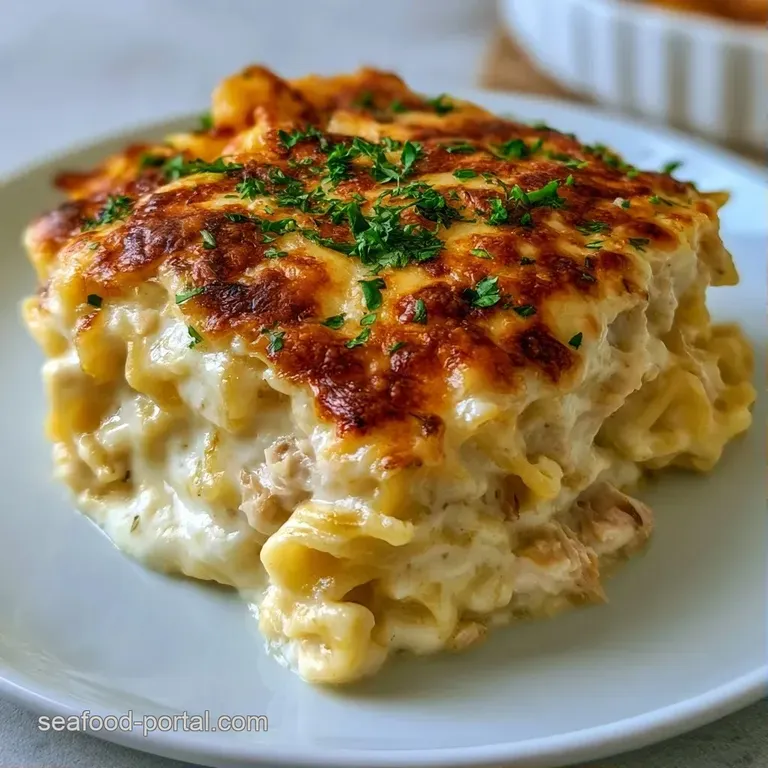
One of the most common complaints with a Tuna Noodle Casserole is that it can taste "fishy." This usually happens if the tuna isn't drained properly or if the sauce lacks acidity. The lemon juice in this recipe is non negotiable because it neutralizes those heavy fish oils.
Troubleshooting Common Issues
| Issue | Solution |
|---|---|
| Why Your Noodles Are Mushy | This usually comes down to the boiling time. If you follow the box instructions exactly, you've already overcooked them for a casserole. They need to be "al dente" plus then some. |
| Why Your Sauce Is Lumpy | Lumps happen when the milk is added too fast or isn't whisked vigorously. If you end up with clumps, don't panic. Just pour the sauce through a fine mesh strainer before mixing it with the pasta. |
| Why The Top Burnt | Panko burns faster than regular breadcrumbs. If the top is getting too dark but the edges aren't bubbling yet, just tent a piece of aluminum foil loosely over the top for the last 10 minutes. |
Success Checklist:
- ✓ Noodles pulled 2 mins early
- ✓ Roux cooked until pale gold
- ✓ Cheese grated from the block
- ✓ Tuna drained completely
- ✓ Topping distributed evenly
Customizing Your Bake
If you're feeling adventurous, you can easily tweak this recipe to fit what's in your fridge. For those who prefer a different style of fish bake, you can check out my best tuna casserole recipe for some alternative inspiration.
Adding Savory Depth If you want more "umami," stir in 1/4 cup of finely diced sautéed celery and carrots during Phase 1. This adds a classic Mirepoix base that makes the dish taste more like a home cooked meal and less like a quick fix.
Brightening the Flavor Substitute the frozen peas with a mix of frozen peas and corn. The sweetness of the corn contrasts beautifully with the sharp cheddar, creating a more complex flavor profile.
Making it gluten-free Swap the all purpose flour for a 1:1 gluten-free flour blend and use gluten-free rotini or penne. Note that the sauce may be slightly thinner, so let it simmer for an extra 2 minutes.
Lightening the Load Use a 2% milk instead of whole milk, and swap half of the cheddar for a sharp white mozzarella. You'll keep the cheese pull but reduce the overall fat content.
| Variation | Change | Impact |
|---|---|---|
| Spicy | Add 1/2 tsp cayenne | Warm, lingering heat |
| Veggie Heavy | Double the peas + add spinach | More nutrients, fresher taste |
| Extra Crunchy | Add 1/4 cup crushed potato chips | Saltier, more aggressive crunch |
When adjusting the ingredients, just remember that the ratio of butter to flour in the roux must stay the same. If you increase the flour, you must increase the butter, otherwise, the sauce will be grainy.
Truths About Casseroles
There are a few things people tell you about these kinds of dishes that just aren't true. Let's set the record straight.
The "Canned Soup" Myth: Many believe that canned cream of mushroom soup is necessary for the "authentic" taste. In reality, the canned stuff is mostly cornstarch and salt. A homemade roux provides a cleaner, more velvety texture that actually lets the tuna and cheese shine.
The "Frozen Pea" Lie: Some people swear you have to use fresh peas for better flavor. Honestly, for a baked dish like this, frozen peas are actually superior because they hold their shape and bright green color better than fresh ones, which can turn olive drab in the oven.
The "Pre Shredded" Shortcut: You'll see people say it doesn't matter which cheese you use. It does. Pre shredded cheese is coated in cellulose (wood pulp) to prevent clumping in the bag. This prevents the cheese from melting into a smooth sauce, often leaving you with a gritty texture.
Storage and Leftover Tips
This Tuna Noodle Casserole stores surprisingly well, provided you don't overcook it initially. If the noodles are too soft, they'll turn into a puree after a day in the fridge.
Fridge Guidelines Transfer leftovers to an airtight container once they've cooled. It'll stay fresh in the fridge for 3-4 days. To reheat, I recommend using the oven at 325°F (160°C) for 15 minutes.
This helps the panko topping regain some of its shatter.
Freezing Instructions You can freeze this dish, but do it before baking. Assemble everything except the panko topping, wrap it tightly in foil and plastic wrap, and freeze for up to 2 months. When you're ready to eat, thaw it in the fridge overnight, then add the topping and bake as usual.
Zero Waste Tips If you have leftover panko or butter garlic mixture, don't toss it. Use it to crust a piece of tilapia or salmon for another meal. Also, if you have a bit of white sauce left over in the pan, stir it into some steamed broccoli for an instant side dish.
Best Side Dish Pairings
Since this dish is quite rich and creamy, you want sides that provide a crisp, acidic contrast.
Fresh Greens A simple arugula salad with a lemon vinaigrette is the best partner for this. The peppery greens and the acid from the dressing cut right through the cheddar sauce, resetting your palate between bites.
Steamed Vegetables If you want something warm, go with steamed asparagus or sautéed kale. Avoid other creamy sides you don't want a "cream on cream" meal. Something with a bit of a char or a snap is the way to go.
Fruit Elements A side of sliced apples or a crisp pear salad works surprisingly well. The natural sweetness of the fruit complements the saltiness of the tuna and cheese, creating a balanced dinner plate.
Right then, you're all set. This Tuna Noodle Casserole is a total game changer for those nights when you need comfort but don't want to compromise on texture. Just remember: undercook those noodles, whisk that roux until it's gold, and don't skip the lemon. Trust me, your taste buds will thank you. Let's get cooking!
Recipe FAQs
How do you make an easy tuna casserole?
Mix undercooked egg noodles, drained tuna, peas, and cheese. Stir in a homemade butter flour-milk sauce, top with garlic panko crumbs, and bake at 375°F (190°C) for 20-25 minutes.
How to make a tasty tuna casserole?
Add nutmeg and fresh lemon juice to your white sauce. These ingredients cut through the richness of the cheddar and whole milk to brighten the overall flavor profile.
What is the secret to Tuna Casserole?
Undercooking the pasta. Boil your egg noodles for 2 minutes less than the package directions so they remain firm and don't turn mushy after baking.
How to make a tuna casserole without mushroom soup?
Whisk flour into melted butter to create a roux, then slowly stir in milk. This creates the base for a scratch made comfort dish without relying on canned soup.
How to make a tuna casserole from scratch?
Boil egg noodles until nearly done and whisk together a butter, flour, and milk sauce. Combine these with tuna, peas, and cheese, then top with garlic panko and bake at 375°F (190°C).
What is a tuna casserole?
A baked comfort dish combining pasta and tuna in a creamy sauce. It typically features egg noodles, a white sauce, and a crunchy topping like panko breadcrumbs.
How to ensure a creamy Tuna Noodle Casserole?
Whisk milk slowly into the butter flour roux. Constant stirring prevents lumps and ensures a velvety sauce that coats the noodles evenly.
Cheesy Tuna Noodle Casserole