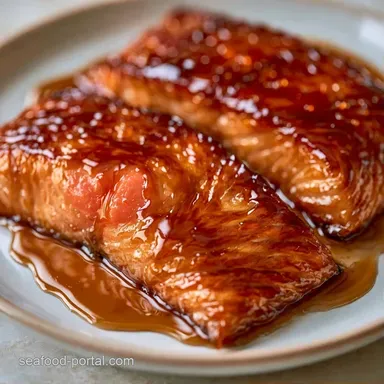
Mahogany-Glazed Maple Candied Smoked Salmon
- Time: 15 min active + 9 hrs 45 mins chilling/smoking
- Flavor/Texture Hook: Woodsy finish paired with a sticky, sweet glaze
- Perfect for: Fancy brunch or holiday appetizer platters
- Simple Specs for Candied Smoked Salmon
- The One Thing That Changes Everything
- What You'll Need
- Equipment Needed
- From Prep to Plate
- What Can Go Wrong (and How to Fix It)
- Creative Twists and Swaps
- Freezing and Reheating Guide
- Pairing Ideas
- The One Thing That Changes Everything
- Critical in Sodium
- Recipe FAQs
- 📝 Recipe Card
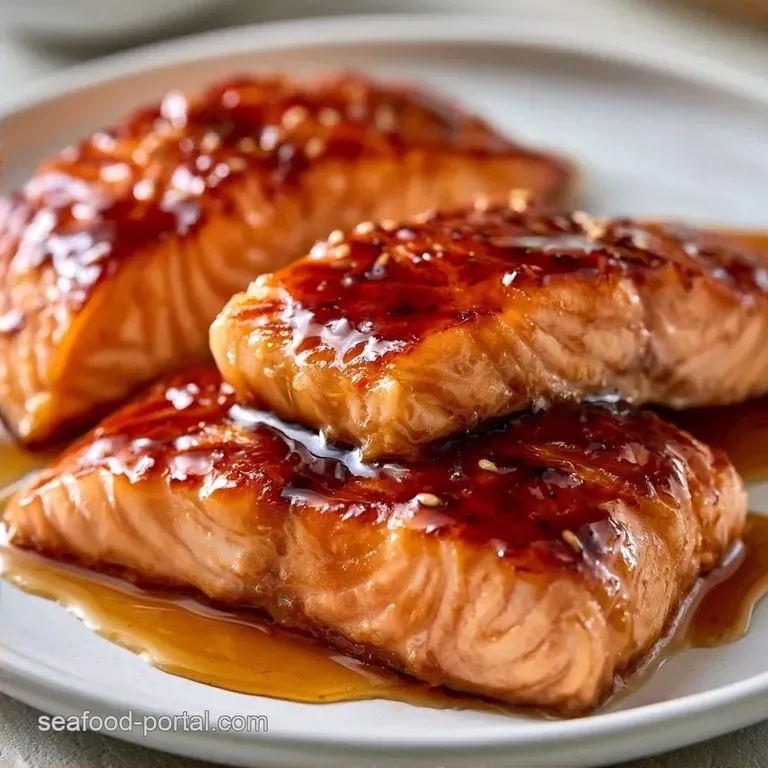
Picture the aroma of applewood smoke and maple syrup wafting through your home on a Sunday morning. I first served this at a family brunch years ago, and guests were convinced I'd bought it from an expensive gourmet deli. The fish had a brilliant, glass like shine.
The magic lies in the layering of flavors. You start with the sweetness of maple, which is immediately balanced by the salty cure and the luscious, fatty richness of the salmon. It's a crowd pleaser for any occasion.
You don't need a professional smokehouse for this Candied Smoked Salmon—just a little patience. To ensure it isn't overly sweet, we balance the richness of the fish with a touch of acidity and a splash of peated Scotch.
Simple Specs for Candied Smoked Salmon
The process takes about 10 hours total, but most of that is just the fish sitting in the fridge. You only spend about 15 minutes actually prepping the ingredients.
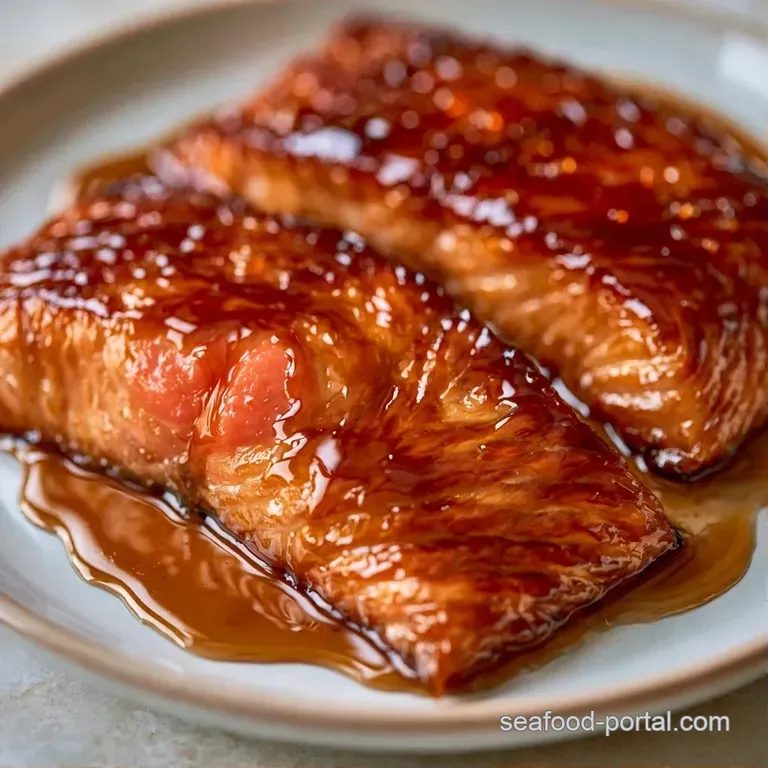
The goal is a mahogany color and a tacky feel. If the fish looks pale, it hasn't spent enough time developing the pellicle or the glaze didn't set.
| Goal | What to change |
|---|---|
| Less sweet | Cut maple syrup by 1/4 |
| More smoke | Use hickory pellets |
| Saltier finish | Increase cure to 8 hours |
The One Thing That Changes Everything
The Pellicle: Air drying the fish creates a tacky skin. This layer acts like a magnet for smoke, giving you that deep color instead of a pale, steamed look.
Sugar Salt Balance: The brown sugar doesn't just add flavor. It helps draw moisture out of the fish, which firms up the texture and lets the glaze stick better.
| Method | Time | Texture | Best For |
|---|---|---|---|
| Cold Smoke | 10 hrs | Firm & Silky | Long term storage |
| Hot Smoke | 2 hrs | Flaky & Tender | Immediate eating |
What You'll Need
For this, you want a center cut fillet. It keeps the thickness consistent so every piece finishes at the same time.
| Ingredient | Role | If You Don't Have It |
|---|---|---|
| Salmon Fillet | Base protein | Steelhead trout |
| Dark Brown Sugar | Cure and sweetness | Light brown sugar (less molasses) |
| Kosher Salt | Moisture removal | Sea salt (use 20% less) |
| Peated Scotch | Smoky depth | Liquid smoke (1/2 tsp) |
- 2 lbs center cut salmon fillet (skin on)
- 1 cup dark brown sugar, packed Why this? Adds deep molasses notes to the cure
- 1/3 cup kosher salt Why this? Draws out moisture for a firmer bite
- 1 tsp cracked black pepper
- 1/2 cup pure maple syrup (Grade A) Why this? Natural sweetness that caramelizes well
- 2 tbsp brown sugar
- 1 tbsp apple cider vinegar Why this? Cuts through the fat and sugar
- 1 tbsp peated Scotch Why this? Adds an earthy, campfire aroma
Equipment Needed
You'll need a non reactive dish for the cure. Avoid aluminum, as the salt and vinegar can react with the metal and leave a metallic taste.
A wire rack is essential for the drying phase. It allows air to hit the bottom of the salmon, ensuring the pellicle forms on all sides.
You'll also need a digital meat thermometer. Getting the internal temp to exactly 120°F is the difference between a tender piece of fish and a dry block of wood.
From Prep to Plate
Preparing the Cure
Mix the brown sugar, kosher salt, and black pepper in a bowl. Coat all sides of the salmon fillet generously with this seasoning. Place the fish in a non-reactive dish, cover it, and refrigerate for 6 hours to cure.
Developing the Pellicle
Rinse the brine away under cold water and wipe the salmon dry with paper towels. Cut the fillet into 1 inch wide strips. Place the strips on a cooling rack set inside a baking tray and refrigerate uncovered for 2–4 hours to form the pellicle.
Smoking the Salmon
Set your smoker or pellet grill to 185°F (85°C). Put the salmon strips directly onto the grates. Smoke for roughly 45 minutes, or until the internal temperature reaches 120°F (49°C).
Glazing for the Finish
While the fish smokes, combine the maple syrup, brown sugar, and apple cider vinegar in a small saucepan over medium heat and simmer until slightly thickened. In the final 10 minutes of smoking, brush the glaze liberally over the strips.
Return them to the smoker for 5 more minutes to set the mahogany colored shine.
What Can Go Wrong (and How to Fix It)
Fixing Over Salted Fish
If you leave the fish in the brine too long, it can taste like a salt lick. You can fix this by soaking the cured strips in cold water for about 10 minutes before the drying phase. This pulls some of the surface salt back out.
Avoiding Glaze Burn
Maple syrup has a lot of sugar, which burns quickly if the smoker spikes in temperature. If you see the glaze bubbling too violently or turning black, move the fish to a cooler part of the grill.
Fixing Pale Salmon
If your Cold Smoked Candied Salmon looks light in color, it usually means the pellicle didn't form. Next time, make sure the fridge is cold and the fish is completely uncovered during the drying stage.
| Problem | Fix |
|---|---|
| Too salty | Soak in cold water before drying |
| Glaze burnt | Lower smoker temp or move fish |
| Pale color | Increase air drying time |
Creative Twists and Swaps
If you want something with more heat, add a pinch of cayenne or smoked paprika to the initial cure. The spice cuts through the maple syrup and adds a nice glow to the finish.
For a different flavor profile, try swapping the peated Scotch for a splash of bourbon. It gives the dish a vanilla like sweetness that pairs great with the maple.
If you're serving this with a side, a creamy dill sauce provides a bright, tangy contrast to the richness of the smoke.
| Goal | What to change |
|---|---|
| Spicy kick | Add 1 tsp cayenne to cure |
| Floral notes | Use honey instead of maple |
| Zesty finish | Add lemon zest to the glaze |
Freezing and Reheating Guide
Place the Candied Smoked Salmon in a glass container with a secure lid. It remains good in the refrigerator for 5 to 7 days.
The strips can be frozen for up to 2 months. To prevent freezer burn, wrap them tightly in plastic wrap and then in foil. When you are ready to serve, let them thaw slowly in the fridge overnight.
Avoid using the microwave for reheating, as this can make the fish rubbery. Instead, warm the strips in a 275°F (135°C) oven for 5 minutes.
If you have any salmon trimmings left over from the fillet, don't throw them away. Chop them up and add them to seafood chowder or salmon cakes.
Pairing Ideas
While this dish shines on its own, the right pairings turn it into a complete meal. I suggest serving it on toasted rye bread spread with a touch of cream cheese and garnished with capers.
For a lighter option, nestle the strips among fresh arugula leaves tossed in a lemon vinaigrette. The peppery notes of the greens perfectly offset the sweetness of the glaze.
If you prefer a more flavorful crust, try applying a homemade salmon seasoning to the edges of the fish before glazing to add extra depth.
The One Thing That Changes Everything
The secret to a perfect Homemade Cold Smoked Candied Salmon lies in the air-drying stage. By leaving the fish uncovered in the refrigerator, the proteins on the surface bond to form a thin pellicle.
This layer not only helps the smoke adhere but also keeps the interior moist throughout the smoking process. Skipping this step would mean the smoke simply slides off the damp surface, robbing you of that classic mahogany finish.
Critical in Sodium
1150 mg 1,150 mg of sodium per serving (50% 50% of daily value)
The American Heart Association recommends a daily sodium limit of no more than 2,300 mg for most adults to maintain heart health.
Tips to Reduce Sodium
-
Reduce Kosher Salt-30%
Cut the kosher salt by half. Since this is used for curing, you can still achieve the desired texture with a significantly smaller amount.
-
Use a Salt Substitute-25%
Replace a portion of the kosher salt with a potassium based salt substitute or a low-sodium curing blend.
-
Rinse Thoroughly-15%
After the curing process, rinse the salmon fillets under cold running water for several minutes to remove excess surface sodium.
-
Enhance with Aromatics
Add fresh dill, lemon zest, or more cracked black pepper to provide a bold flavor profile without adding any additional sodium.
Recipe FAQs
How to make cold smoked candy salmon?
Rub the fillet with brown sugar, salt, and pepper, then cure in the fridge for 6 hours. After rinsing and air-drying to form a pellicle, smoke at 185°F until it reaches 120°F internally.
Is it true that candied salmon is always hot smoked?
No, this is a common misconception. This recipe uses a cold smoking temperature of 185°F to maintain a tender center while creating a sticky mahogany crust.
What does candied cold smoked salmon taste like?
It tastes like a balance of sweet maple syrup, salty cure, and rich, smoky fish. This profile pairs beautifully with a zesty creamy sauce to cut through the richness.
How long should I smoke the fish?
Smoke for approximately 45 minutes. Pull the fish from the heat once the internal temperature hits 120°F.
Which way is best to eat smoked sockeye?
Serve it chilled or at room temperature on a platter with crackers. Slice it into thin pieces to highlight the mahogany glaze and tender interior.
Candied Smoked Salmon