Warm and Buttery Lobster Rolls: the Golden Ticket Recipe, Ready in 20 Minutes

- The Purest Comfort: Why We Love Warm and Buttery Lobster Rolls
- The Science of Sizzle: Achieving Optimal Flavor and Texture
- Essential Elements: Ingredients for Authentic Warm and Buttery Lobster Rolls
- Building the Masterpiece: Step-by-Step Warm Lobster Roll Assembly
- Elevating the Roll: Pro Tips and Troubleshooting Common Errors
- Meal Prep and Planning: Storage Guidelines for Warm and Buttery Lobster Rolls
- Perfect Pairings: What to Serve Alongside Your Lobster Feast
- Recipe FAQs
- 📝 Recipe Card
The Purest Comfort: Why We Love Warm and Buttery Lobster Rolls
If I could bottle the smell of butter hitting a hot griddle mixed with the briny scent of fresh lobster, I would be a millionaire. Seriously, few things deliver that instantaneous feeling of luxury and pure comfort quite like biting into a warm and buttery lobster roll .
The subtle crackle of the toasted bun gives way to tender, sweet lobster meat bathed in warm, fragrant melted butter.
Forget the cold, mayo laden version for a minute; this style often called the Maine or Connecticut style is actually simpler, faster, and lets the expensive ingredient truly shine. This recipe is your secret weapon for feeling incredibly fancy without spending hours in the kitchen.
It’s perfect for a weekend lunch or when you need a speedy, delicious seafood dish recipe that absolutely blows people away.
We’re not adding any unnecessary filler here, friend. We are focusing entirely on technique, ensuring that every chunk of lobster stays perfectly tender and that the bread achieves the ideal level of buttery crunch.
Trust me, once you master this warm buttered lobster roll recipe , you’ll wonder why you ever bothered with anything else.
The Science of Sizzle: Achieving Optimal Flavor and Texture
This is the part where we talk about why this simple combination of ingredients works magic. We are not just making a sandwich; we are performing a delicate warming ritual. The key difference between a transcendent lobster roll and a disappointing one lies in temperature control and ingredient quality.
Maine vs. Connecticut: Defining the Buttery Style
Historically, the Connecticut style is served warm with drawn butter, while the Maine version is cold and mayo based. Nowadays, people often refer to any hot, butter focused roll as the Maine or Classic Maine Style Lobster Rolls , even though Connecticut perfected the hot preparation.
The bottom line: this recipe focuses on using warm butter lobster rolls as the delivery mechanism for the seafood’s natural sweetness.
Luxury in Minutes: The Speed of This Recipe
Because we start with pre-cooked lobster meat, the actual cook time is under 10 minutes. The biggest time sink is usually waiting for your butter to melt, honestly. This makes it one of my favorite delicious seafood recipes for a fast weeknight splurge.
The Flavor Profile: Butter, Brine, and Brightness
The melted butter serves two purposes: carrying flavor and providing necessary fat and moisture. The small addition of fresh lemon juice is critical; it brightens the entire dish, cutting through the richness of the butter without overpowering the delicate brine of the lobster.
A simple grind of sea salt is all the seasoning you need.
Temperature Control: The Key to Tender Lobster
This is the most important part of making the perfect warm butter lobster rolls . You must only warm the already cooked lobster gently. If the butter is hot enough to sizzle the meat, you will dry it out and render it rubbery.
We want tender, succulent, fully saturated lobster, not chewy protein balls.
The Perfect Toast: Choosing Your Roll and Technique
You absolutely must use the New England style, top-split hot dog bun for authenticity. Toasting these rolls flat on a griddle, coated in butter, creates a structurally sound vessel that protects the inner bread from moisture while delivering a fantastic buttery flavor and crunch.
If the roll isn’t perfectly golden, you haven’t done your job!
The Role of Clarified Butter (And Why It Matters)
While I use plain melted unsalted butter, true connoisseurs prefer clarified butter (ghee). Clarified butter is pure butterfat, meaning it removes the milk solids and water, which gives you a cleaner flavor and higher smoke point. It’s also less likely to soak your roll into oblivion.
Essential Elements: Ingredients for Authentic Warm and Buttery Lobster Rolls
You can’t fake quality in this dish; the ingredients are too few. Spend the money on the best butter and the freshest lobster you can find.
Selecting the Best Lobster Meat (Knuckles vs. Claws)
I strongly prefer a mix of claw and knuckle meat. Claw meat is often the sweetest and most tender, offering a delicate texture. Knuckle meat holds its shape well and provides necessary chewiness. Tail meat tends to be firmer, so if you use it, chop it small.
The Roll Debate: Split Top vs. Standard Hoagie
Don’t even try this with a regular, side split hoagie roll. The top-split buns are specifically designed to be toasted on their flat sides, providing that necessary crispy exterior and a clean cavity for filling. It’s non-negotiable for a genuine New England Lobster Roll Recipe .
Butter Deep Dive: Ghee, Clarified, or Simple Melted?
Always use high-quality, unsalted butter for the best flavor. European style butter has a higher fat content, making it incredibly rich. If you want to skip the solids, use ghee (clarified butter).
Fresh Accents: Lemon Zest and Chive Requirements
We only use lemon juice in the butter bath, but a tiny pinch of fresh lemon zest added right before serving can amp up the brightness, especially if the lobster meat lacks a little zing. Fresh chives are mandatory; they offer a mild oniony bite that complements the sweetness of the lobster perfectly.
| Ingredient | Substitution or Alternative | Why it Works |
|---|---|---|
| Cooked Lobster Meat | Fresh lump crab meat or gently poached large shrimp | Maintains texture and brine flavor, but is less sweet. |
| Top-Split Buns | high-quality, buttery brioche hot dog buns | Adds sweetness, but the texture will be softer and the bun might tear. |
| Unsalted Butter | Clarified Butter (Ghee) or a neutral oil blend | Cleaner flavor and less chance of scorching milk solids. |
| Fresh Chives | Fresh parsley or tarragon (use sparingly) | Adds a subtle herbal lift, especially tarragon, which loves seafood. |
Building the Masterpiece: step-by-step Warm Lobster Roll Assembly

This process is lightning fast, so have everything chopped and measured before you start that’s your mise en place!
Prepping the Bread: The Crucial Buttery Toast
Melt 4 tablespoons of butter in a small bowl. Brush the outer, flat sides of your top-split rolls generously with the melted butter. Heat a large griddle or skillet over medium heat. Place the buttered sides down.
Cook for about 2– 3 minutes until they are perfectly golden brown and satisfyingly crunchy.
The Gentle Warm-Up: Infusing the Lobster in Butter
In a heavy bottomed saucepan, melt the remaining 8 tablespoons of unsalted butter over the lowest possible heat . Seriously, I once tried to rush this step and scorched the butter, ruining the subtle flavor don't be me. Once melted, stir in the lemon juice, salt, and pepper.
Chef’s Note: Never let the butter get past a simmer; we want a warm bath, not a boiling cauldron. The goal is 120 140°F (50 60°C).
Flavor Finishes: Zest, Seasoning, and Folding
Add the lobster chunks to the warm butter. Stir gently with a slotted spoon for just 1 to 2 minutes until the meat is thoroughly warmed through. Immediately remove the pan from the heat. Stir in about half of the minced chives.
Filling and Serving Immediately for Peak Quality
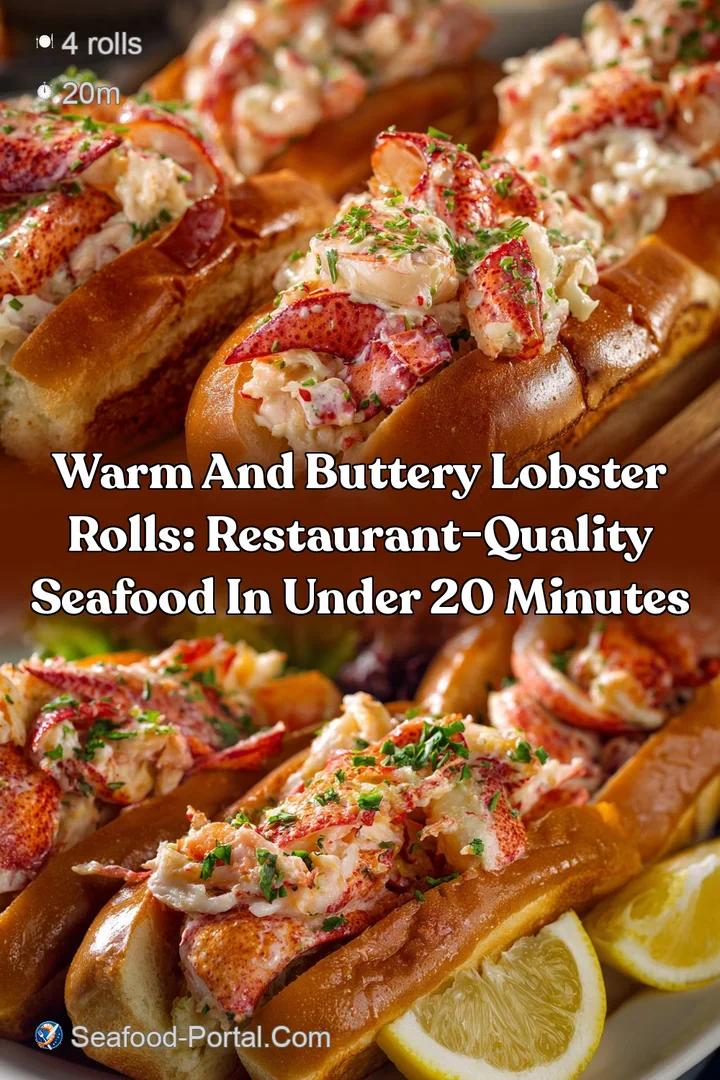
Using the slotted spoon, scoop the warm, buttery lobster mixture into the toasted rolls, letting any excess butter drip back into the pan. Fill them generously so the meat stands tall and proud. Drizzle a tiny bit of the reserved butter over the top and sprinkle with the remaining chives.
Serve these beauties instantly!
Elevating the Roll: Pro Tips and Troubleshooting Common Errors
I’ve had my share of tough lobster and soggy bread. Here are the fixes.
Avoiding Rubberiness: Never Overcook the Lobster
If you are using frozen, cooked lobster, ensure it is fully thawed and patted dry before warming. Adding cold, wet lobster to butter will drastically drop the temperature, forcing you to crank the heat, and that’s when trouble starts. Keep the heat low, and the contact time minimal.
The Secret to Maximum Moisture Retention
Using a slotted spoon to drain most of the butter before filling is essential. However, the last, tiny drizzle of reserved warm butter right over the filled roll is what keeps the exposed lobster moist and glossy until the last bite.
Fixing Soggy Rolls: Timing Your Toasting
Soggy rolls are usually caused by two things: under toasting or letting the rolls sit too long before filling. Make the filling after you have toasted the bread. If your rolls aren’t perfectly crispy, put them back on the griddle for 30 seconds.
Storing Cooked Lobster Meat Separately
If you have leftover filling, definitely do not store it inside the bread. The butter will turn the bread into a greasy, inedible mess.
Meal Prep and Planning: Storage Guidelines for Warm and Buttery Lobster Rolls
Planning ahead for this dish is tricky, but doable if you respect the lobster.
Reheating the Filling (The over Low heat Method)
You can store the seasoned, buttered lobster filling in an airtight container in the fridge for up to 24 hours. To reheat, place the filling in a skillet with a fresh tablespoon of butter and warm it over very low heat for about 3 minutes, stirring constantly.
You are aiming for warm, not hot.
Storing Cooked Lobster Meat Separately
Any leftover cooked lobster meat, unseasoned, can be stored for 2 3 days. If I have a lot of leftovers, I usually chop it finely and use it the next day in something rich, maybe an indulgent baked dish like Seafood Mac N Cheese: Indulgent King Prawn and Crab Bake Recipe .
Can You Freeze Lobster Rolls? (Answer: No, but...)
Do not, under any circumstances, freeze a fully assembled lobster roll. The bread will turn to mush, and the thawed lobster texture will be terrible. You can freeze cooked lobster meat (unseasoned), but its texture will be slightly diminished when thawed, making it better suited for soups or chowders, not a pristine lobster dish .
Perfect Pairings: What to Serve Alongside Your Lobster Feast
Because the lobster roll is so rich and buttery, you need bright, acidic sides to cut through the fat.
I love serving these with thick cut potato chips and big dill pickles. For a more robust meal, a simple, crunchy vinegar based coleslaw is the perfect counterpoint. Skip the heavy cream based sides like potato salad, as they compete too much with the butter.
If you’re feeling extra New England fancy and have a little more time, a scoop of my classic Baked Stuffed Shrimp Casserole Butter Kissed New England Recipe can act as a wonderful, complementary baked side dish it keeps the buttery comfort theme going strong!
Recipe FAQs
Why did my lobster meat turn rubbery when warming it in the butter?
This is a classic sign of overcooking. Since the lobster is already cooked, you only need to warm it through in the butter for about 60 to 90 seconds do not simmer it. Keep the heat low (medium low) and remove the meat from the pan the moment it is heated, as residual heat can continue the cooking process and toughen the protein.
What is the best type of butter to use, and can I substitute it?
For the richest, most luxurious flavor, use high-quality, unsalted European style butter, as it has a higher fat content. While you can use margarine, it drastically diminishes the sophisticated flavor profile that defines this Maine style roll.
Clarified butter (ghee) is also an excellent choice, as it prevents milk solids from scorching while warming the lobster.
I can’t find a New England split top bun. Can I use a regular hot dog bun?
The traditional New England split top bun is highly recommended because the flat sides allow maximum surface area contact with the butter for toasting. If unavailable, use the fluffiest, straight sided white bread roll you can find.
Slice it down the top center yourself to create the necessary "top-load" style for the filling.
Should I buy fresh cooked or frozen lobster meat for this recipe?
Freshly cooked lobster meat is always preferred for the best texture and flavor, especially if sourced from a reliable fishmonger. If using frozen meat, ensure it is completely thawed overnight in the refrigerator and pat it very dry with paper towels before introducing it to the butter.
Excess moisture will dilute the flavor and prevent the butter from clinging properly.
Can I prepare the lobster filling ahead of time and store it for later assembly?
You can cook the lobster and refrigerate it for up to 24 hours, but store the meat and the drawn butter separately. When ready to serve, gently rewarm the meat in the butter just before assembly to ensure the most tender texture.
Storing the lobster submerged in the butter will cause it to solidify and diminish the fresh, warm flavor upon serving.
My buns are getting soggy instead of golden brown and crispy. What am I doing wrong?
The bun soaking up too much butter is often a sign that the pan heat is too low or the process is taking too long. Use medium heat and ensure your skillet is fully preheated before adding the butter and the rolls. The goal is a quick sear, aiming for a buttery, crisp crust in approximately 90 seconds per side.
What optional ingredients can I add without sacrificing the "classic Maine" identity?
The essence of the Maine roll is simplicity, but a squeeze of fresh lemon juice at the end and a light sprinkling of finely diced chives are highly recommended enhancements. For those who enjoy a little savory depth, a very subtle pinch of celery salt or high-quality smoked paprika can deepen the flavor without overpowering the star ingredient.
Buttery Warm Lobster Rolls In 20 Minutes

Ingredients:
Instructions:
Nutrition Facts:
| Calories | 550 calories |
|---|---|
| Fat | 40 g |
| Fiber | 0.5 g |
