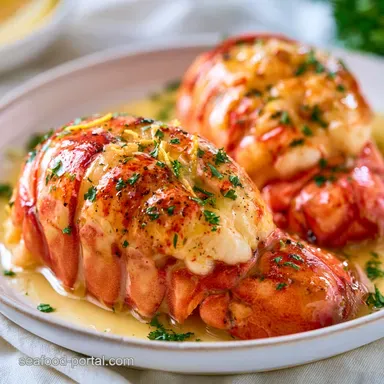
Butter Poached Lobster Tail: Silky and Luxurious
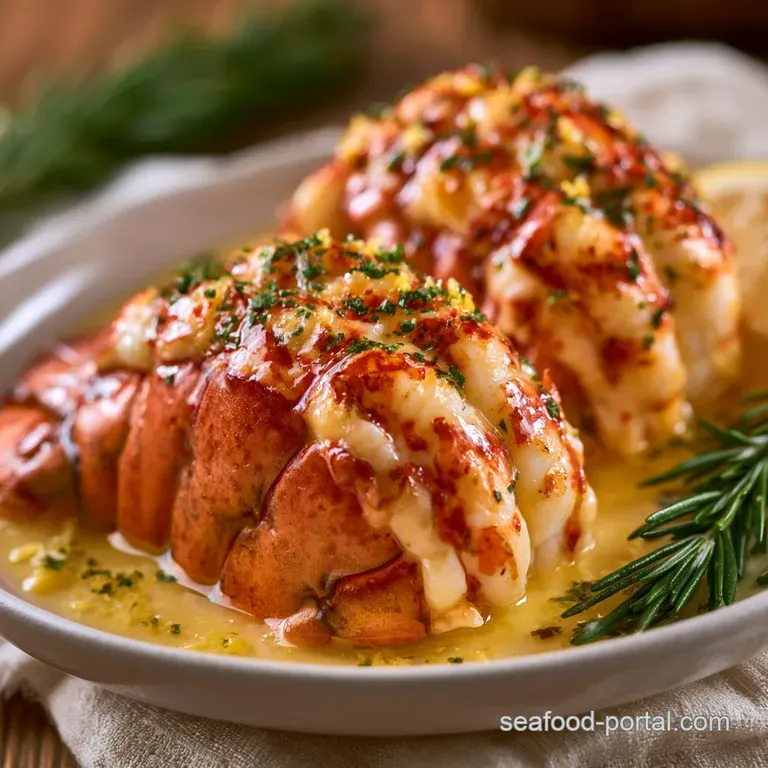
- Time: 10 min prep + 20 min cook = Total 30 minutes
- Flavor/Texture Hook: Velvety, buttery richness with a bright lemon finish
- Perfect for: Date nights or impressive dinner parties
- Butter poached lobster elevate luxurious dish
- Why the Texture Stays Velvety
- Essential Lobster Ingredients
- The Necessary Gear
- Walking Through the Process
- Fixing Common Cooking Mishaps
- Troubleshooting Common Issues
- Swapping Ingredients and Flavors
- Debunking Lobster Myths
- Storage and Waste Tips
- Best Way to Serve
- Recipe FAQs
- 📝 Recipe Card
The smell of nutty butter hitting a hot pan is something I can't get enough of, but the first time I tried poaching lobster, I completely messed up. I didn't chill my butter, and instead of a silky bath, I ended up with a greasy, separated mess that looked more like a melted candle than a meal.
I remember staring at the lobster and thinking, "I just spent way too much on these tails to ruin them."
But after a few tries, I realized the secret is all in the temperature and the whisking. Once you get the hang of it, this is honestly the only way I want to eat lobster. It doesn't have that "boiled" taste, and the meat stays so tender it almost melts.
Using a butter poached lobster elevate luxurious dish is the fastest way to make your home feel like a Michelin star spot without needing a professional kitchen.
Trust me on this, don't rush the butter phase. If you try to go too fast, the sauce breaks, and you lose that velvety mouthfeel. Once you nail the emulsion, the rest is just a waiting game until the lobster reaches that sweet spot of doneness.
Butter poached lobster elevate luxurious dish
Right then, let's get into why this method is so much better than steaming or boiling. When you poach in fat, you aren't just cooking the protein, you're infusing it. The butter acts as a heat buffer, meaning the lobster never hits a temperature that would make the proteins seize up and get tough.
It's all about that low and slow approach. Because butter can't reach the boiling point of water, the lobster gently warms through. This preserves the natural sweetness of the meat while adding a rich, savory layer that you just can't get from a pot of salted water.
If you're looking for other ways to use a rich base, you might enjoy a Beurre Blanc sauce, which uses a similar butter whisking technique to create a velvety finish.
Why the Texture Stays Velvety
The secret here is the "beurre monté" technique. By whisking cold butter into a simmering base, you create a stable emulsion of fat and water.
- Temperature Control
- Keeping the butter under 175°F prevents the milk solids from browning or separating.
- Protein Protection
- Low heat prevents the muscle fibers from contracting too tightly, which keeps the meat tender.
- Aromatic Infusion
- Fat carries flavor better than water, allowing the garlic and thyme to penetrate the lobster.
- Moisture Retention
- The butter coats the lobster, preventing the internal juices from evaporating during the cook.
| Method | Prep Time | Texture | Best For |
|---|---|---|---|
| Butter Poached | 10 minutes | Velvety | Gourmet Dinner |
| Steamed | 5 minutes | Firm/Snappy | Casual Seafood Boil |
| Boiled | 5 minutes | Dense | Lobster Rolls |
| Grilled | 15 minutes | Charred | Outdoor BBQ |
Essential Lobster Ingredients
Before we dive in, let's look at what's actually happening with these ingredients. I've found that using high-quality unsalted butter is non negotiable here because the salt needs to be controlled manually to avoid an overly salty finish.
| Ingredient | Science Role | Pro Secret |
|---|---|---|
| Unsalted Butter | Heat Medium | Keep it chilled to help the emulsion hold |
| Lemon Zest | Acid Balance | Zest only the yellow part to avoid bitterness |
| Garlic | Flavor Base | Smash rather than mince for a subtler taste |
| Lobster Tails | Main Protein | Pat completely dry to prevent butter splatters |
The Necessary Gear
You don't need a fancy lab, but a few specific tools make this way easier. I highly recommend a digital instant read thermometer. Trying to guess 160°F by looking at bubbles is a gamble I'm not willing to take with expensive seafood.
A heavy bottomed saucepan is also key. Thin pans have "hot spots" that can cause your butter to break in one area while staying cool in another. If you have one, a whisk is essential for the butter phase, though a spoon can work in a pinch if you're fast.
Walking Through the Process
Let's crack on with the actual cooking. Make sure your butter is cubed and cold before you start.
Preparing the Lobster
Carefully slice the top of the lobster shell lengthwise. Use your fingers or a small spoon to gently loosen the meat from the shell and lift it out, keeping the tail intact. Pat the meat dry with paper towels and season lightly with salt. Note: Dry meat ensures the butter adheres better.
Emulsifying the Butter Bath
Place the smashed garlic, thyme, and lemon zest in a saucepan with a splash of water. Bring to a simmer, then reduce heat to low. Slowly whisk in the chilled butter, one cube at a time, to create a beurre monté.
Maintain a temperature between 160°F (71°C) and 175°F (79°C). If the butter begins to bubble aggressively or separate, whisk in a teaspoon of cold water to stabilize.
Note: This is the most critical part for a silky texture.
Poaching the Tails
Gently slide the lobster tails into the butter bath, ensuring they are fully submerged. Maintain the butter temperature at roughly 160°F (71°C).
Poach for 12-15 minutes, or until the internal temperature of the lobster reaches 140°F (60°C). Wait for the meat to turn an opaque, pearly white.
Finishing the Presentation
Using a slotted spoon, remove the lobster from the butter and let them rest for 2 minutes. Spoon a tablespoon of the remaining garlic lemon butter over the top just before serving. The aroma should be nutty and citrusy.
Chef's Note: To get a slightly more complex flavor, I sometimes add a tiny pinch of smoked paprika to the butter. It doesn't change the color much but adds a hidden depth.
Fixing Common Cooking Mishaps
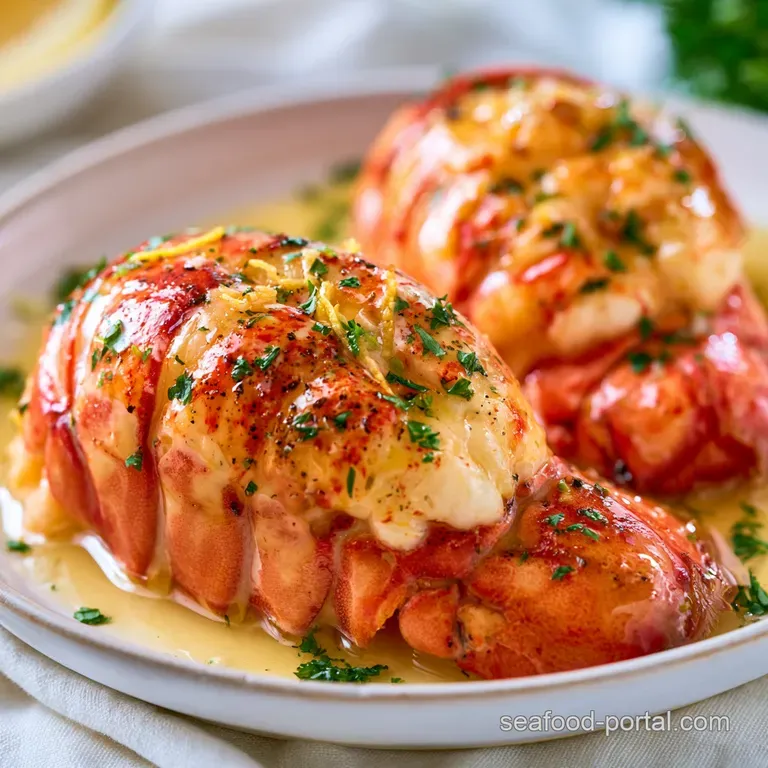
The biggest issue people face is the butter "breaking." This happens when the fat separates from the water/solids, leaving you with an oily puddle. According to Serious Eats, maintaining a steady temperature is the only way to prevent this.
Troubleshooting Common Issues
| Issue | Solution |
|---|---|
| Why Your Butter Separated | If you see oil pooling on top, your heat is too high. The emulsion has failed because the fat molecules have clumped together. |
| Why Your Lobster Is Rubberized | Overcooking lobster is a tragedy. If the internal temp goes past 145°F, the proteins tighten up too much, and you lose that velvety feel. |
| Why The Flavor Is Dull | This usually happens if the aromatics weren't simmered long enough before adding the butter. You need that initial simmer to release the oils from the garlic and thyme. |
Common Mistakes Checklist
- ✓ Using room temperature butter (keep it cold!)
- ✓ Forgetting to pat the lobster dry
- ✓ Letting the butter boil (it should only shimmer)
- ✓ Skipping the resting period after poaching
- ✓ Using pre minced garlic (fresh is a must for this)
Swapping Ingredients and Flavors
If you want to switch things up, you can definitely tweak the aromatics. For a more "holiday" feel, swap the thyme for fresh rosemary. If you're feeling adventurous, a dash of cayenne can add a nice kick.
For those who want a different meal entirely, this technique works great if you're making Lobster Mac and Cheese, as you can poach the meat first for a more refined texture.
| Original Ingredient | Substitute | Why It Works |
|---|---|---|
| Unsalted Butter | Ghee (Clarified Butter) | Higher smoke point. Note: Lacks the milky sweetness of butter |
| Fresh Thyme | Dried Thyme (1/3 amount) | Similar earthy notes. Note: Less aromatic than fresh |
| White Pepper | Black Pepper | Same heat level. Note: Adds visible black specks to the butter |
| Lemon Zest | Lime Zest | Similar citrus acidity. Note: Gives a more tropical profile |
Depending on how many people you're feeding, you'll need to adjust. When scaling this butter poached lobster elevate luxurious dish up for a party, don't just quadruple the salt.
Scaling Tips:
- Scaling Down (2 Tails): Use half the butter and garlic. Reduce the poaching time by about 2 minutes since smaller batches heat faster.
- Scaling Up (8+ Tails): Use a wider pan so the tails aren't crowded. Increase butter to 4 cups, but only increase salt and pepper to 1.5x to avoid over seasoning.
- Pro Tip: Work in batches if your pan is small. Crowding the pan drops the butter temperature too much, which can lead to uneven cooking.
Debunking Lobster Myths
You might hear that you need to "seal" lobster in a hot pan first. Honestly, don't bother. Searing is for flavor, but for a poach, it actually toughens the exterior of the meat before it's even cooked through.
Another myth is that lobster must be boiled in salt water to be "authentic." While traditional, boiling is a violent cooking method. The butter poach is a more modern, refined approach that respects the delicate nature of the shellfish.
Storage and Waste Tips
If you have leftovers, store the lobster and the butter separately. Put the lobster in an airtight container in the fridge for up to 2 days.
Reheating: Don't microwave it. Instead, gently warm the lobster in a small pan with a tablespoon of the reserved butter over very low heat for 2-3 minutes.
Zero Waste: Don't throw away those lobster shells! Toss them into a freezer bag. Once you have enough, simmer them with onion, celery, and carrots to make a rich lobster stock. According to USDA FoodData, shellfish shells are packed with minerals that make a fantastic base for seafood bisques.
Best Way to Serve
To truly make this a luxurious dish, the sides need to be light to balance the richness of the butter. I love serving this over a bed of sautéed baby spinach or a light cauliflower purée.
If you want a more classic pairing, a simple crusty baguette is essential for soaking up every last drop of that garlic lemon butter. You can also add a side of grilled asparagus for some crunch and color.
Whenever I make a butter poached lobster elevate luxurious dish, I finish it with a tiny pinch of flaky sea salt. It creates a little pop of flavor that cuts through the richness. Trust me, it makes a huge difference.
Recipe FAQs
What is butter poaching?
Cooking seafood gently in a temperature-controlled butter emulsion. This technique, known as beurre monté, prevents proteins from toughening and infuses the meat with a rich, velvety texture.
Is unsalted butter better than salted butter for poaching?
Unsalted butter is the best choice. It allows you to control the seasoning precisely with kosher salt without the dish becoming overly salty during the process.
How do you avoid overcooking lobster tails?
Monitor the internal temperature with a digital thermometer. Remove the lobster from the butter as soon as it reaches 140°F (60°C) to prevent the meat from becoming rubbery.
How long should lobster tails be poached?
Poach for 12–15 minutes. Keep the butter temperature steady at roughly 160°F (71°C) and ensure the tails remain fully submerged.
Can I poach whole live lobsters instead of just tails?
Yes, though it requires more butter and a longer cook time. You must ensure the entire body is submerged to cook evenly. If you prefer a faster preparation, these buttery warm lobster rolls are a great alternative.
What can I do with the leftover lobster parts?
Simmer the shells to make a rich lobster stock. Store the shells in a freezer bag until you have enough to brew a deep, savory base for other dishes.
What’s the difference between poaching and parboiling?
Poaching is a slow, gentle simmer, while parboiling is a quick, partial boil. Poaching focuses on tenderness and flavor infusion, whereas parboiling is typically used to partially cook food before searing or grilling.
Butter Poached Lobster in 30 Minutes