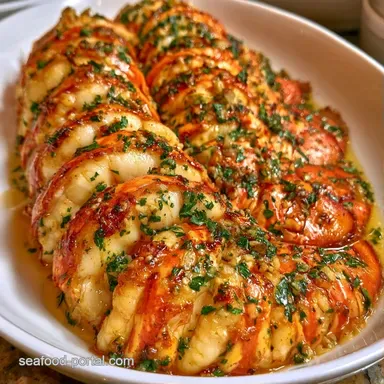
Butter Basted Lobster Tails with Garlic
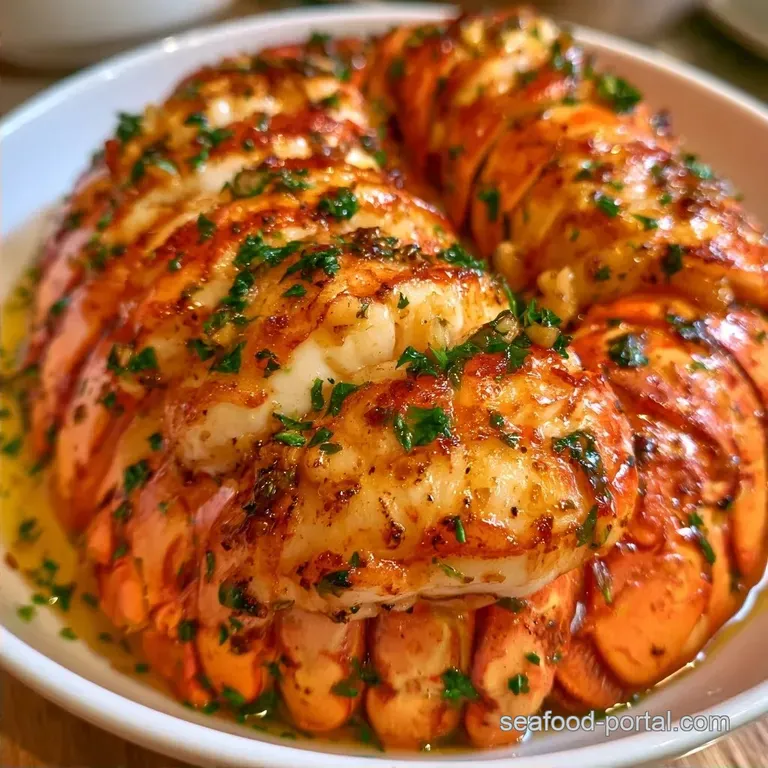
- Timing: 15 min active; 10 min cooking
- Taste & Texture: Aromatic garlic paired with a snappy yet succulent bite
- Ideal for: Special date nights or a simple, high-end dinner
Lobster Tails
Nothing beats the sound of cold meat meeting shimmering butter. It begins with a sharp sizzle and quickly evolves into a fragrant, bubbling foam reminiscent of a luxury steakhouse. Years ago, I attempted these for a milestone anniversary but used the boiling method, which resulted in textures like rubber erasers.
I had simply guessed the timing, and with shellfish, a few extra minutes can be the difference between a delicacy and a disaster.
Since then, I've abandoned boiling entirely. Searing and basting offer much better control over the final texture, allowing you to achieve a deep mahogany char on the surface while the meat remains succulent and sweet.
If you've never prepared lobster tails before, don't let the shell intimidate you. The process is actually quite simple once you have a pair of kitchen shears. We're aiming for a butter basted result that looks sophisticated but takes less than thirty minutes from start to finish.
Why the Butter Clearing Works
Higher Smoke Point: Removing the milk solids stops the butter from browning too quickly, so you can sear the meat at high heat without it tasting burnt. Consistent Heat: Basting wraps the meat in hot fat, which cooks the Lobster Tails faster and more evenly than air in an oven.
| Feature | Fresh Tails | Frozen/Thawed | Impact |
|---|---|---|---|
| Texture | Snappy and firm | Slightly softer | Frozen can get mushy if overcooked |
| Prep Time | Ready immediately | Needs 12 hours | Thawing must be slow in the fridge |
| Flavor | Bright, ocean sweet | Milder taste | Fresh has a more distinct "pop" |
Ingredient Deep Dive
| Component | Purpose | Substitute Notes |
|---|---|---|
| Clarified Butter | Enables searing at high temperatures | Ghee serves as a convenient alternative |
| Fresh Lemon | Balances the heavy richness | A lime substitute offers a tropical twist |
| Garlic | Provides a savory, deep flavor | Garlic powder lacks the necessary punch |
Shopping List Breakdown
- 4 cold water lobster tails (6 oz / 170g each) Why this? Meat from cold water lobsters is typically sweeter and firmer.
- 1 cup (225g) unsalted butter Why this? The high fat percentage ensures superior basting.
- 3 minced garlic cloves (15g) Why this? Fresh garlic delivers a more aromatic, sharp flavor.
- 1 tbsp (15ml) fresh lemon juice Why this? It adds brightness to offset the rich butter.
- 1 tbsp (4g) finely chopped fresh parsley Why this? This gives the dish a clean, grassy note.
- 1 tsp (5g) kosher salt Why this? The coarse texture helps season the meat uniformly.
- ½ tsp (3g) freshly cracked black pepper Why this? Freshly ground pepper offers a more floral heat.
If you need to make substitutions, refer to this brief guide.
| Original Ingredient | Substitute | Why It Works |
|---|---|---|
| Unsalted Butter | Ghee | Naturally clarified. Note: Produces a nuttier flavor |
| Fresh Parsley | Fresh Chives | Offers comparable freshness. Note: Tastes more like onion |
| Kosher Salt | Sea Salt | Similar crystal size. Note: You may need to tweak the quantity |
Necessary Kitchen Gear
While high end equipment isn't required, a few specific items will make your life easier. A heavy skillet is essential. I suggest using stainless steel or cast iron, as they maintain heat far more effectively than non-stick pans.
If the pan cools down too quickly when the meat is added, you'll steam the lobster rather than getting a proper sear.
You will also need kitchen shears. Attempting to cut through the shell with a knife is risky and can lead to accidents. A pair of strong shears allows you to slice through the top of the shell effortlessly.
Finally, find a large spoon for basting. Ensure it is deep enough to hold a generous amount of foaming garlic butter so you can keep pouring it over the meat.
From Prep to Plate
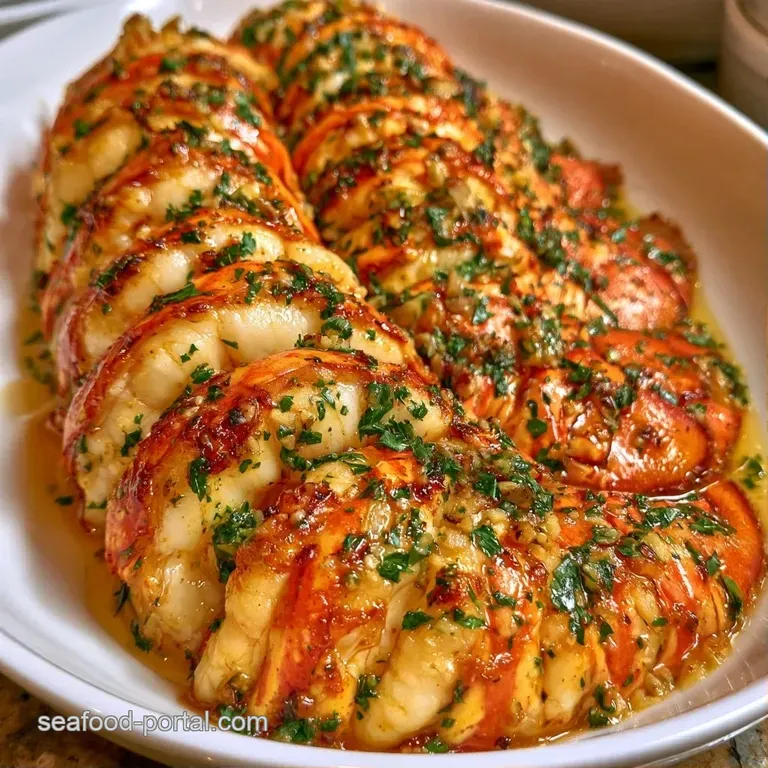
Preparing the Tails
- Using kitchen shears, slice through the top center of the lobster shell down to the tail, while keeping the bottom shell whole.
- Carefully lift the meat out and position it on top of the shell. Note: This is the butterfly technique, which ensures the lobster cooks evenly.
- Pat the meat until it is completely dry using paper towels.
- Season the exposed meat with 1 tsp salt and ½ tsp black pepper.
Clarifying the Butter
- Melt the butter in a small saucepan on low heat.
- Let it simmer gently until it separates into foam, clear yellow fat, and milk solids.
- Skim off the foam and pour the clear golden fat into another bowl, discarding the milk solids.
Searing and Basting
- Warm 3 tbsp (42g) of clarified butter in a pan over medium high heat.
- Place the lobster tails meat side down and sear for 2–3 minutes without moving them until they are mahogany colored.
- Turn the tails over.
- Stir in the remaining clarified butter and minced garlic.
- Use a spoon to continuously baste the meat with the bubbling garlic butter for another 4–6 minutes.
- Remove from the heat once the internal temperature hits 135°F to 140°F (57°C to 60°C). Note: Check USDA.gov for additional safe seafood temperature guidelines.
- Mix the lemon juice and chopped parsley into the pan butter, then drizzle it over the tails before plating.
Why This Method Works
Using clarified butter for these lobster tails prevents the common issue of scorching milk solids. Regular butter's proteins typically brown and then burn at approximately 350°F. By using clarified butter, we can increase the heat to achieve a gorgeous crust without the bitterness of burnt fat.
Basting is equally critical. Rather than relying solely on contact with the pan, the hot butter envelops the meat, creating a luxurious coating that ensures the seafood stays moist during cooking.
Chef's Note: For a quicker option, Ghee is available at most grocery stores. Since it is essentially pre-clarified butter, it works perfectly for this recipe.
Troubleshooting Guide
Preventing Rubbery Texture
If the meat feels bouncy or tough, it is overcooked. Shellfish proteins tighten up quickly when they hit a certain temp. The fix is to pull the lobster off the heat at 135°F. The carry over heat will bring it up to 140°F while it rests on the plate, keeping it tender.
Managing Butter Separation
If your butter doesn't seem to separate during the clarification step, your heat might be too high. If it boils violently, the solids mix back in. Keep the heat on low and let it simmer gently. You should see the foam rise to the top naturally.
Fixing Under Seared Meat
If the tails look pale after three minutes, your pan wasn't hot enough. You need to see the butter shimmering and almost smoking before the meat goes in. If this happens, just let them sit for another minute without moving them to develop that brown color.
Avoiding Shell Sticking
Sometimes the tail sticks to the pan. This usually happens if the pan isn't fully heated or if there isn't enough fat. Make sure you use the clarified butter and give the pan a minute to get truly hot. If it sticks, don't yank it. Use a flexible spatula to gently nudge the edge.
Storage and Zero Waste
If you have any leftover Lobster Tails, keep them in a sealed container in the cooler for up to 2 days. To reheat, avoid the microwave at all costs. It will turn the meat into rubber in seconds. Instead, put them in a pan with a knob of butter over low heat for 2-3 minutes just to warm them through.
For freezing, wrap the cooked meat tightly in foil and place it in a freezer bag for up to 2 months. Thaw it in the fridge overnight before gently reheating.
Don't throw away those shells. You can simmer the empty shells with a bit of onion, celery, and carrot to make a quick seafood stock. This stock is a great base for a risotto or a light soup.
Mix It Up
For a bolder flavor, try adding a pinch of red pepper flakes to the butter during the basting phase. This adds a subtle heat that cuts through the richness of the Tails with Clarified Butter.
If you want a dairy-free version, use a high-quality vegan butter or a neutral oil like avocado oil, though you'll lose that signature nutty taste.
If you're feeling fancy, this method is a great starting point before trying a Classic Lobster Thermidor. Both use high-quality shellfish, but the Thermidor takes it in a much creamier direction.
For a different texture, some people prefer poaching their seafood. If you enjoy that style, you might like a creamy lobster sauce to pour over poached tails instead of searing them.
Decision Shortcut:
- For a bolder garlic hit: add 2 extra cloves.
- For a lighter finish: double the lemon juice.
- For a faster sear: use a cast iron skillet.
Serving Suggestions
I love serving these with something green to balance the plate. Steamed asparagus or a simple arugula salad with a lemon vinaigrette works well. A side of crusty sourdough bread is also a must, mostly because you'll want to soak up every drop of that garlic butter left on the plate.
For something truly indulgent, I often serve these alongside a Lobster Mac and Cheese. It's a lot of seafood, but for a special occasion, it feels right.
A chilled glass of Chardonnay or a crisp Sauvignon Blanc pairs best here. The acidity in the wine cuts through the fat of the Tails with Clarified Butter and highlights the natural sweetness of the meat.
Right then, you're all set. Just remember to keep an eye on that internal temp and don't be afraid of the heat. Your Lobster Tails will be the star of the night.
Recipe FAQs
Should you use clarified butter for lobster?
Yes, it prevents burning. Regular butter contains milk solids that scorch at the medium high heat needed for a mahogany sear.
How deep should I cut the shell for butterflying?
Cut through the top center of the shell down to the tail. Leave the bottom shell intact so the meat stays securely held while cooking.
Why is my lobster meat tough or rubbery after cooking?
The meat was overcooked. Lobster becomes rubbery once the internal temperature exceeds 140°F.
Is it true that frozen lobster tails are inferior for this method?
Surprisingly, no. Thawing them slowly in the refrigerator maintains the same quality and texture as fresh tails.
How do I tell if the lobster is cooked without a thermometer?
Look for the meat to turn opaque and pearly white. It should feel firm but still spring back slightly when pressed.
Can I use leftover cooked lobster for other meals?
Yes, cooked meat is very versatile. You can also use any remaining pieces to add richness to our lobster stew.
Butter Basted Lobster Tails