Broiled Scallops with Lemon-Chive Butter Recipe
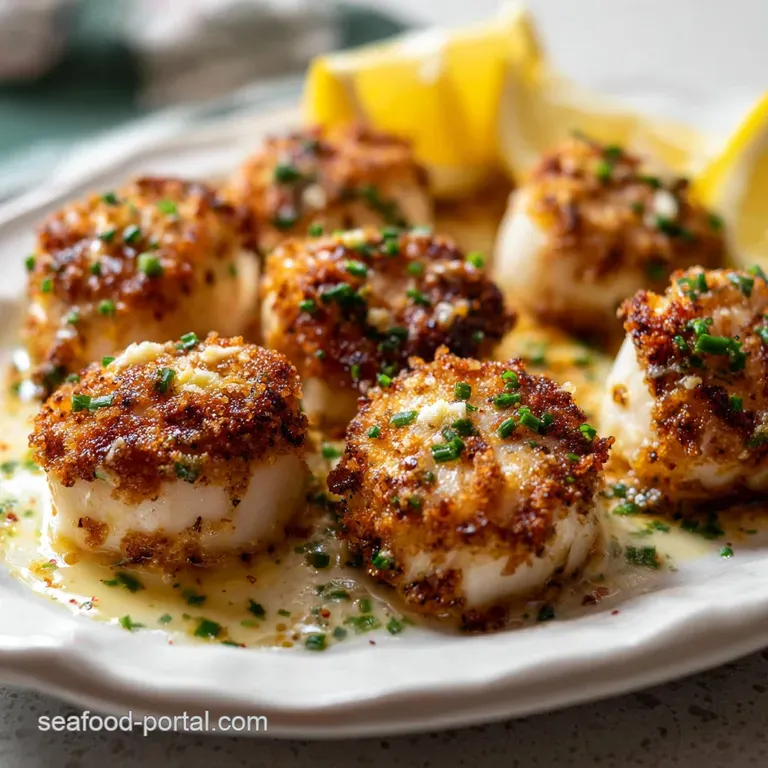
- Golden Crusted Broiled Scallops with Lemon-Chive Butter
- The Magic of Broiling: Achieving the Perfect Golden Crust
- Essential Ingredients for Golden Crusted Scallops and Prep Notes
- Master the Broiler: Step-by-Step Scallop Directions
- Pro Tips and Troubleshooting Common Scallop Mistakes
- Preparing Scallops Ahead and Safe Storage
- Elegant Pairings for Broiled Scallops with Lemon Butter
- Recipe FAQs
- 📝 Recipe Card
Golden Crusted Broiled Scallops with Lemon Chive Butter
You know that smell, right? That incredible moment when sugar and protein hit fierce heat, creating a caramelized crust that smells nutty and sweet. That's the signature aroma of perfect Broiled Scallops hitting your face.
Forget the hassle of pan-searing, which usually ends with half steamed, grey disasters if your pan isn't hot enough. This Broiled Scallops recipe is a genuine lifesaver because it’s almost foolproof, delivering restaurant quality texture and a stunning golden brown crust in under 10 minutes.
It's the ultimate elegant appetizer or a speedy, satisfying weeknight main course. I promise you, this technique guarantees Broiled Scallops that never overcook, and we’re starting with a secret weapon: a bright, rich lemon chive butter glaze.
Let's crack on and master this incredibly simple technique.
The Magic of Broiling: Achieving the Perfect Golden Crust
Broiling is essentially upside down grilling, relying purely on intense radiant heat rather than conduction, which is why it works so beautifully here. We’re aiming for maximum surface caramelization (the Maillard reaction) before the center of the scallop has a chance to turn tough and rubbery.
This high speed blast achieves that golden, deeply savory crust we crave while preserving the sweet, tender interior. This method is far less stressful than trying to balance the perfect heat on your stovetop, especially if you are cooking for guests.
Why the Broiler Beats the Skillet for Speed and Consistency
When you sear scallops in a skillet, the internal temperature of the pan drops immediately when you add the cold seafood, often causing steaming. The broiler, however, maintains that ferocious high heat consistently from above.
This means the surface of the Broiled Scallops starts forming a beautiful crust the instant they enter the oven, locking in all the moisture. The resulting texture is far more reliable and uniform than pan-searing, making this my favorite go-to method.
Introducing the Rich Lemon Chive Compound Butter Glaze
The compound butter is key to these incredible Broiled Scallops with Lemon Chive Butter . By incorporating soft butter, bright lemon zest, fresh chives, and a touch of garlic, we are laying the groundwork for flavor heaven.
When this butter hits the high heat, it melts and drizzles down the sides, basting the scallops in flavor while creating a rich, glossy glaze.
Speed and Elegance: A Five Minute Restaurant Dish
Truly, from the moment these go under the heat, you have five to seven minutes until they are perfectly done. That’s faster than ordering takeout! This speed makes Broiled Scallops an ideal choice for last minute entertaining, offering a dish that looks incredibly impressive but demands almost no active cooking time.
We are essentially letting the oven do all the heavy lifting for us.
The Maillard Reaction Under High Heat
The secret to browning any protein perfectly is high heat applied to a very dry surface. By positioning the scallops close to the broiler element (4 to 6 inches), we trigger that incredible browning reaction almost instantly.
This process turns the natural sugars in the scallops dark and nutty, giving us the irresistible flavor profile we are aiming for in quality Scallop Recipes .
Balancing Sweetness and Acidity with Citrus
Scallops are inherently sweet, which is why they pair so well with rich, acidic elements. The lemon zest and juice cut through the richness of the butter, providing a refreshing counterpoint that brightens the entire dish.
This is why a simple squeeze of fresh lemon right at the end makes such a huge difference; don't skip it!
The Essential Role of Drying the Scallops
I learned this the hard way, trust me. If your scallops are wet, they will steam rather than brown, resulting in sad, grey, rubbery blobs. Drying them is non-negotiable! If you only take one piece of advice today, remember that the success of your Broiled Scallops depends almost entirely on this prep step.
Essential Ingredients for Golden Crusted Scallops and Prep Notes
This recipe calls for shockingly few ingredients, focusing on quality over quantity. The butter and the scallops are the stars here, so choose wisely.
Selecting the Best Sea Scallops (Wet vs. Dry)
You need large, plump sea scallops for broiling, not the smaller bay scallops. Whenever possible, buy dry-packed scallops. Wet-packed ones have been treated with a solution that makes them retain water, and they are notoriously difficult to brown without intense effort.
If you can only find wet-packed, you MUST do the quick brine rinse detailed in the instructions to draw out some of that moisture.
Why Bay Scallops Won't Work for This Broiling Method
Bay scallops are much smaller and thinner, meaning they will completely cook through and become rubbery before they have time to develop a crust under the fierce broiler heat. Save your small ones for dishes like Bay Scallops with Lemon Butter: Speedy Restaurant Quality Sear . For truly beautiful, golden Broiled Scallops , you absolutely need those big, juicy sea scallops.
Crafting the Simple Lemon Chive Compound Butter
This butter mixture is easily customizable, but the classic lemon chive blend is perfection. Remember to use softened butter not melted so it incorporates easily.
| Ingredient | Substitute | Notes |
|---|---|---|
| Unsalted Butter | Ghee or high-quality vegan butter | Avoid margarine, as the water content is too high. |
| Fresh Lemon Zest/Juice | Lime Zest/Juice | Use slightly less lime, as the flavor is more intense. |
| Fresh Chives | Finely chopped parsley or tarragon | Use tarragon sparingly, as it’s quite potent. |
| Garlic Powder | 1 small fresh minced garlic clove | If using fresh, make sure it’s incorporated well so it doesn't burn. |
Necessary Prep: Removing the Tough Side Muscle
Scallops often have a little, tough crescent shaped piece of muscle attached to the side the ‘foot.’ This muscle is chewier than the rest of the scallop. It’s not harmful, but it’s best to gently peel it off and discard it before seasoning. This ensures a perfectly uniform bite.
Master the Broiler: step-by-step Scallop Directions
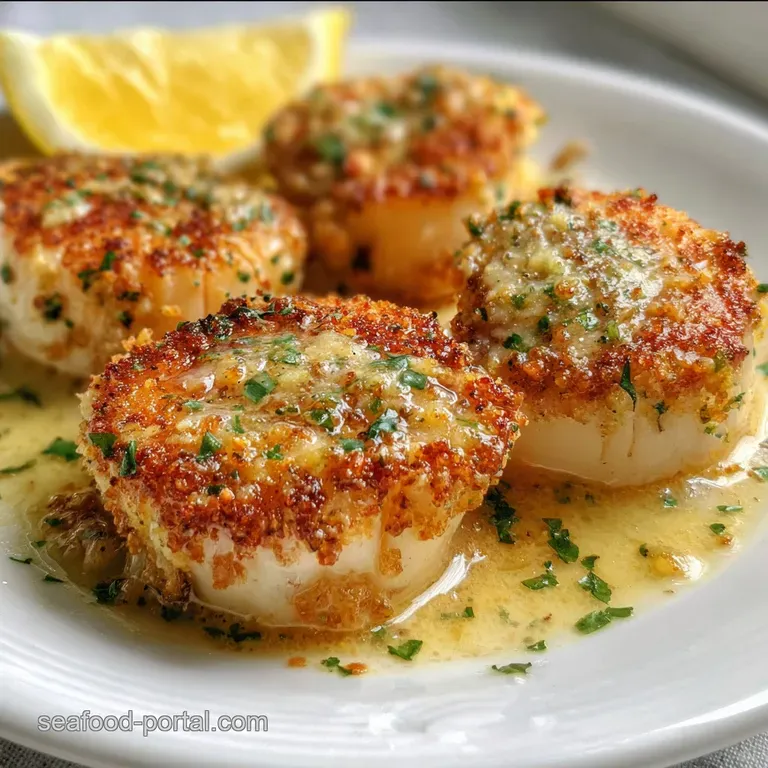
Preheating is crucial here, like getting your grill screaming hot before you touch the meat to it.
Preheating and Rack Positioning for Maximum Crust Development
Set your oven rack so it sits 4 to 6 inches below the heating element. Turn the broiler to HIGH. If your oven runs hot, lean towards 6 inches; if it’s sluggish, move closer.
I learned this lesson years ago when my first batch of Broiled Scallops went from pale to charcoal in 30 seconds.
The Critical First Step: Buttering the Baking Dish
We are actually going to preheat the pan itself. Place a wire rack on a rimmed baking sheet (this is crucial for airflow!) and pop the whole setup under the broiler for about 5 minutes while you season your scallops.
This pre-heating guarantees that the moment the seafood touches the metal, it begins cooking immediately, contributing to that incredible golden crust.
Chef’s Note: Using a wire rack elevates the scallops out of any liquid they release, preventing them from simmering. If they sit directly on a cold pan, they will steam from the bottom up.
Timing Guide: How Long to Broil for Perfect Results
Toss the perfectly dried, seasoned scallops with a tiny bit of oil just enough to help the salt stick. Place them on the scorching hot wire rack. Put them under the broiler for 3 minutes. The tops should look opaque and slightly light gold.
Now, pull the tray out, dollop about half a teaspoon of that gorgeous lemon chive butter onto each one, and slide it back in for 1 to 2 more minutes. That’s it. You now have the most delicious, perfect Broiled Scallops you could ask for.
Finishing Touches: Basting and Resting Before Serving
When the scallops emerge, the butter will be sizzling and melted, cascading down the sides. Remove the tray immediately. There’s no need to rest them like you would a steak, but make sure to scoop up any melted butter mixture from the tray and drizzle it over the scallops before serving.
This step ensures every bite is bathed in that irresistible glaze.
Pro Tips and Troubleshooting Common Scallop Mistakes
I’ve made every mistake in the book when cooking seafood, so let me save you some trouble and ensure you get Broiled Scallops That Never Overcook .
The Single Most Important Prep Step: Patting Them Dry
I know I’m repeating myself, but this is the hill I will die on. Pat them vigorously until they feel slightly tacky, like dry eraser heads. I use four layers of paper towels, swapping out the top layer halfway through. This effort is the difference between perfection and rubber.
Troubleshooting: Why Are My Scallops Rubbery?
They are rubbery for one reason: they are overcooked. Scallops cook extremely fast. If you leave them under the broiler for longer than 7 minutes total, or if you failed to dry them sufficiently (causing them to steam), you’ll lose that tender, sweet texture.
Remember: they are done when they are opaque throughout, not translucent, but still incredibly tender to the touch.
How to Know When Your Seafood is Perfectly Done (Internal Temp and Visual Cues)
Visually, they should be white/opaque throughout with a beautiful, thick golden brown crust on top. If you use a food thermometer, the internal temperature should be around 130 135°F (54 57°C). Anything higher and you are venturing into dry territory.
These are truly Scallops That Never Overcook if you follow the strict timing guide.
Can I Prepare the Lemon Chive Butter in Advance?
Absolutely! This is a fantastic time saver, and one of my favorite prep tricks for elegant appetizers. Make the Lemon Chive Compound Butter days ahead of time and store it tightly wrapped in the fridge.
Just remember to let it soften slightly on the counter for 15 minutes before you plan on cooking your Broiled Scallops so it's easy to dollop onto the seafood.
Preparing Scallops Ahead and Safe Storage
Seafood is finicky, so strict storage rules apply!
Best Practices for Storing Leftover Cooked Scallops
Cooked scallops should be stored in an airtight container in the fridge and eaten within 2 days. The texture will change slightly once chilled, becoming firmer.
Reheating Broiled Scallops Without Losing Texture
Do not microwave them, please, you’ll ruin the texture instantly. The best way to reheat these Broiled Scallops is back under the broiler, but very quickly.
Place them on a rack and broil on HIGH for just 60 to 90 seconds until they are hot, letting the high heat crisp up the exterior without cooking the interior further. You can also quickly reheat them in a hot oven (400°F/200°C) for about 3 minutes.
Elegant Pairings for Broiled Scallops with Lemon Butter
These elegant Broiled Scallops deserve equally elegant sides. The richness of the butter and the intensity of the lemon require something soothing and creamy to balance the plate. I love serving them over a creamy risotto, maybe saffron, or perhaps alongside my Butter Parmesan Baked Scallops: Easy, Crispy, Restaurant Quality Appetizer if I’m really pushing the boat out with seafood.
For a simple side, try roasted asparagus or green beans that have a little char on them, providing a nice textural contrast. And because they are such an elegant presentation, they make fantastic additions to a mixed seafood platter alongside something like my Garlic Butter Lobster Tails: Restaurant Quality Broiled in 10 Mins . Enjoy the fact that you just made these perfect Broiled Scallops faster than you could make toast.
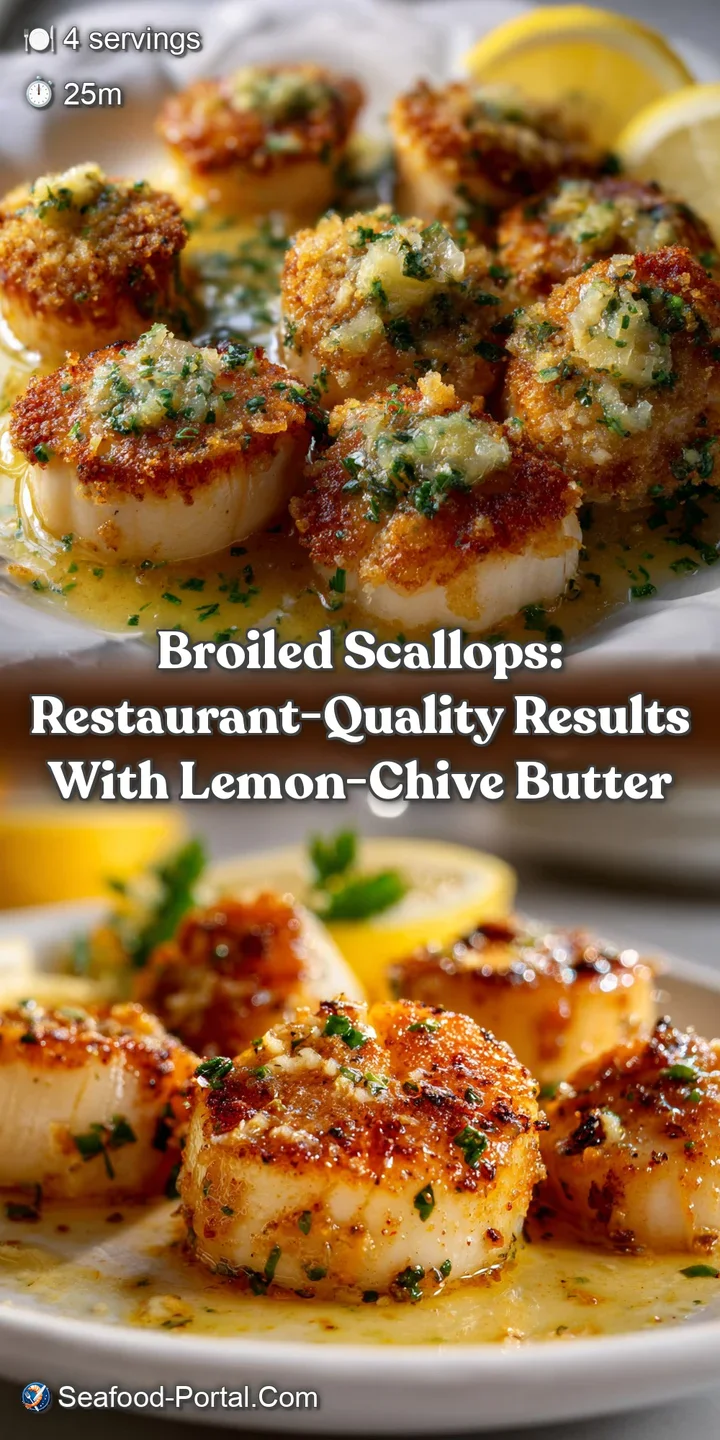
Recipe FAQs
Is broiling or pan-frying the better method for cooking scallops?
Broiling is superior for achieving an even, golden crust quickly, especially when you are using a compound butter or topping that benefits from intense top-down heat. Pan-frying requires precise timing and a very hot pan to achieve a good sear, often leading to inconsistency if the scallops are slightly damp.
For speed, simplicity, and a beautifully crusted top, broiling is often preferred.
Can I bake these scallops instead of broiling them?
While you can bake them, the result will be tender but will lack the desired crisp, golden crust that the high heat of the broiler provides. If you must bake, use a high temperature (400°F/200°C) and be prepared for a longer cooking time, around 10 to 12 minutes.
Monitor them closely to ensure they remain moist and do not overcook.
Can I add Parmesan cheese to the topping for a richer crust?
Absolutely, Parmesan adds a delicious salty and nutty flavor profile that enhances the crust wonderfully. Mix about 1/4 cup of finely grated Parmesan directly into your lemon chive compound butter before spreading it over the scallops.
Just watch them closely under the broiler as the cheese may brown faster than the butter mixture alone.
Why did my broiled scallops turn out dry and rubbery?
Scallops become tough and dry primarily due to overcooking, as they cook extremely quickly under the high heat of the broiler. Ensure your broiler rack is positioned correctly (about 4 6 inches from the element) and never cook large sea scallops for more than 5 6 minutes total.
They are done when they are opaque throughout and register 130°F (54°C) internally.
How should I properly dry the scallops before broiling?
Drying is crucial for preventing the scallops from steaming and ensuring a proper, golden Maillard reaction under the broiler. Pat the scallops aggressively with paper towels until the surface is tacky and completely free of moisture.
If you are using frozen or "wet-packed" scallops, it is highly recommended to repeat the drying process several times.
Can I use frozen scallops for this recipe?
Yes, but the scallops must be completely and thoroughly thawed first, preferably overnight in the refrigerator. After thawing, it is essential to drain any residual liquid that accumulated during the process.
Follow the proper drying technique described above to remove all excess surface moisture before seasoning and broiling.
What is the best way to store and reheat leftover broiled scallops?
Store leftover cooked scallops in an airtight container in the refrigerator for up to 3 days, though they are best eaten immediately. To reheat, avoid the microwave as it quickly toughens them; instead, flash them quickly in a hot skillet over medium heat for about one minute.
Alternatively, warm them briefly in a preheated 300°F oven until just heated through.
Broiled Scallops With Lemon Butter
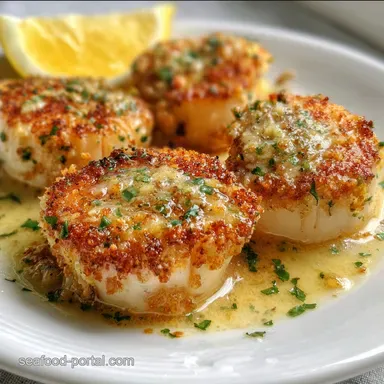
Ingredients:
Instructions:
Nutrition Facts:
| Calories | 221 kcal |
|---|---|
| Protein | 17.6 g |
| Fat | 13.5 g |
| Carbs | 4.5 g |
