Best Tuna Casserole Recipe with Panko Crust
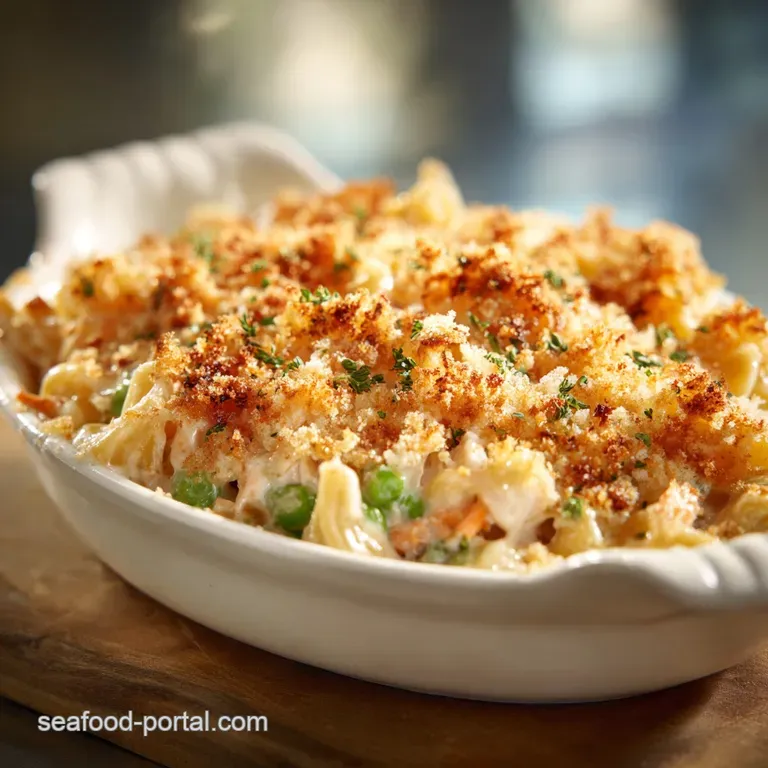
- Time: Active 15 minutes, Passive 25 minutes, Total 40 minutes
- Flavor/Texture Hook: Silky cheddar sauce meets a shattering panko parmesan crust
- Perfect for: Cozy family dinners, meal prepping for the week, or beginner cooks
- Why These Flavor Layers Create Perfection
- Essential Stats for This Classic Dish
- Selecting the Highest Quality Pantry Staples
- The Tools Required for Golden Crusts
- Step-by-Step Guide to Creamy Success
- Preventing Common Mistakes and Texture Issues
- Creative Variations for Modern Palates
- Smart Storage and Reheating Strategies
- Perfect Pairings for Your Casserole
- High in Sodium
- Recipe FAQs
- 📝 Recipe Card
Why These Flavor Layers Create Perfection
- The Starch Barrier: By under cooking the egg noodles slightly, we ensure they absorb the flavorful sauce during the bake rather than becoming mushy and water logged.
- Aromatics and Fat: Sautéing celery in unsalted butter creates a foundational flavor base that carries the savory notes of the tuna through the entire dish.
- The Acid Balance: Adding a teaspoon of Dijon mustard provides a necessary hit of vinegar and spice, which cuts through the richness of the whole milk and sharp cheddar.
- Texture Engineering: Combining panko breadcrumbs with melted butter and parmesan creates a structural topping that stays crispy even as it sits on the creamy base.
The Physics of the Velvety Bind
The secret to this best tuna casserole recipe lies in the roux to liquid ratio, which creates a stable emulsion that doesn't "break" or become oily in the oven's heat. By using a mix of whole milk and chicken broth, we achieve a sauce that is thick enough to coat the noodles but light enough to let the delicate flavor of the albacore shine.
| Thickness | Internal Temp | Rest Time | Visual Cue |
|---|---|---|---|
| 2 inches | 165°F (74°C) | 5 minutes | Bubbling edges, golden top |
| 1.5 inches | 160°F (71°C) | 3 minutes | Sauce is set but jiggly |
| 3 inches | 170°F (77°C) | 8 minutes | Deep brown crust, firm center |
Choosing the right depth for your baking dish significantly impacts how the heat penetrates the center of the casserole. A standard 9x13 inch dish provides the ideal surface area for the topping to noodle ratio that most people prefer. While some people love Tuna Casserole Recipes that rely on the convenience of a tin, we are taking the high road today to ensure every bite is balanced.
Essential Stats for This Classic Dish
When we talk about the "best" version of a dish, we have to look at the numbers that make it work. For this recipe, the ratio of 12 ounces of noodles to 10 ounces of tuna is the sweet spot. It ensures you get a piece of fish in nearly every bite without the seafood overpowering the creamy cheese sauce.
I’ve tried using more tuna, but it tends to make the dish feel heavy and overly "fishy" rather than comforting and balanced.
The total time of 40 minutes is split between active prep and hands off baking, making it very manageable for a Tuesday night. You'll spend about 15 minutes at the stove making the sauce and boiling the noodles, and then the oven does the rest of the heavy lifting.
This hands off time is perfect for tossing a quick green salad or just catching your breath after a long day.
| Component | Science Role | Pro Secret |
|---|---|---|
| Sharp Cheddar | Emulsifier & Flavor | Grate your own to avoid cellulose coating |
| Chicken Broth | Flavor Depth | Use low sodium to control the salt levels |
| Egg Noodles | Structure | Choose "wide" for maximum sauce surface area |
| Dijon Mustard | Chemical Balance | Emulsifies the sauce and adds a tiny tang |
The inclusion of frozen peas isn't just for color, though the pop of green is lovely. The sugar in the peas provides a subtle counterpoint to the saltiness of the tuna and the sharpness of the cheddar. It’s a tiny detail that makes a massive difference in the overall flavor profile of the dish.
Selecting the Highest Quality Pantry Staples
- 12 oz wide egg noodles: These are the backbone. Why this? They hold up better under the weight of the thick cheese sauce.
- Substitute: Penne or Rotini work well if you want a firmer bite.
- 10 oz solid white albacore tuna: Look for tuna in water, not oil. Why this? Albacore has a firmer texture and milder flavor than light tuna.
- Substitute: Canned salmon or even shredded rotisserie chicken for a non fish version.
- 1.5 cups sharp white cheddar cheese: Shred this yourself from a block. Why this? It melts into a much smoother sauce than the pre shredded bags.
- Substitute: Yellow sharp cheddar or Gruyère for a nuttier, French inspired twist.
- 1 cup panko breadcrumbs: These are larger and airier than standard crumbs. Why this? They provide a much more pronounced "shatter" when you bite in.
- Substitute: Crushed Ritz crackers or even potato chips for a nostalgic crunch.
- 1/2 cup celery, finely diced: This provides the only "fresh" crunch inside. Why this? Celery adds an essential aromatic base that mimics the flavor of mirepoix.
- Substitute: Finely diced fennel for a sophisticated, slightly licorice note.
I've shared a similar Classic Tuna Casserole recipe before, but this version focuses specifically on that sharp white cheddar bite. Using high-quality butter is another small upgrade that pays off. Since the butter is the fat base for our roux, using a brand with high butterfat content will yield a silkier, more luxurious sauce that coats the tongue beautifully.
The Tools Required for Golden Crusts
To get the best results, you don't need a kitchen full of gadgets, but a few specific items help. A large pot for boiling the noodles is a given, but make sure it’s big enough that the noodles don't clump together.
A 12 inch skillet or a heavy bottomed saucepan is necessary for making the sauce; the heavy base prevents the milk from scorching as you whisk.
You will also need a 9x13 inch baking dish. Ceramic or glass both work, though ceramic tends to hold heat longer, which is great if you're serving this family style at the table. A balloon whisk is your best friend here for ensuring the flour and butter incorporate smoothly into the milk without leaving any lumps behind.
Finally, a good box grater for that cheddar is non negotiable trust me, the effort of grating is worth the reward of a perfectly smooth sauce.
Chef's Note: If you want an even crispier top, use a broiler safe baking dish. For the last 2 minutes of cooking, pop the dish under the broiler to get that panko topping deeply toasted and bubbling.
step-by-step Guide to Creamy Success
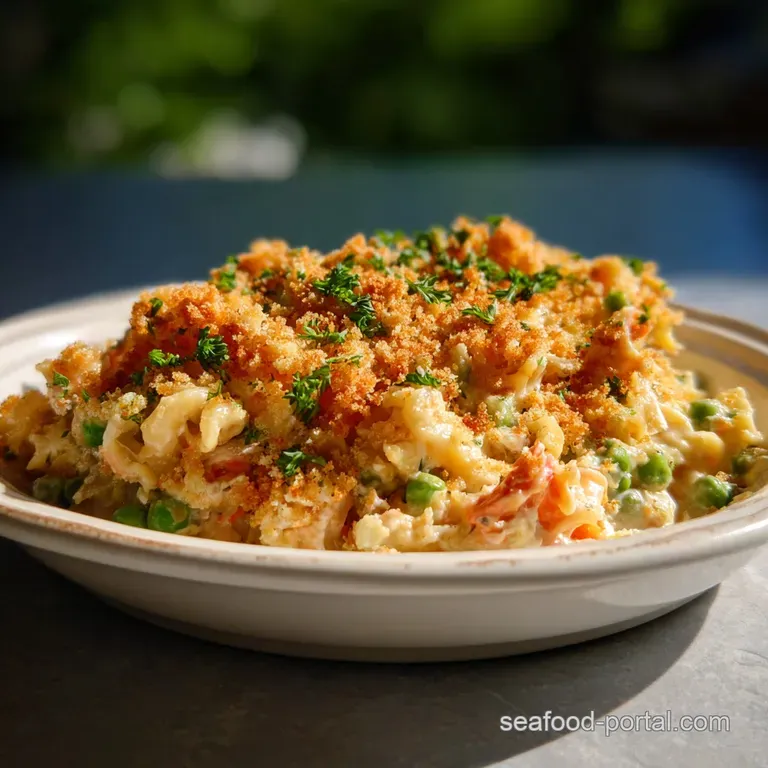
1. The Noodle Insurance Policy
Preheat your oven to 375°F (190°C). Bring a large pot of salted water to a boil and cook the 12 oz of wide egg noodles for 2 minutes less than the package directions.
Cook until just shy of al dente. Note: They will continue to soften as they bake in the liquid sauce. Drain and set aside.
2. Crafting the Velouté
In a large skillet over medium heat, melt the 4 tbsp of unsalted butter. Add the 1/2 cup of finely diced celery and sauté for about 5 minutes until translucent and fragrant. Sprinkle in the 1/4 cup of all purpose flour and whisk constantly for 1 to 2 minutes to cook out the raw flour taste.
3. The Gentle Fold
Slowly pour in the 2 cups of whole milk and 1/2 cup of chicken broth, whisking vigorously. Continue cooking and whisking for about 5 minutes until the sauce thickens and coats the back of a spoon. Remove from heat and stir in the 1 tsp Dijon mustard, 1/2 tsp garlic powder, salt, and pepper.
4. The Cheese Integration
Add 1.5 cups of shredded sharp white cheddar to the warm sauce. Stir gently until the cheese is completely melted and the sauce is silky. If the sauce seems too thick, you can add a tablespoon more of broth, but remember it will thin slightly as it mixes with the other ingredients.
5. Combining the Elements
In a large bowl, or directly in the skillet if it's big enough, combine the cooked noodles, the cheese sauce, the 10 oz of drained tuna, and the 1 cup of thawed sweet peas. Use a rubber spatula to fold everything together until every noodle is thoroughly submerged in sauce.
6. Preparing the Topping
In a small bowl, mix the 1 cup of panko breadcrumbs, 2 tbsp of melted butter, 1/4 cup of grated parmesan, and 1 tsp of dried parsley. Use a fork to toss the mixture until the crumbs are evenly coated in fat. This is the secret to a uniform, golden brown finish.
7. The Golden Finish
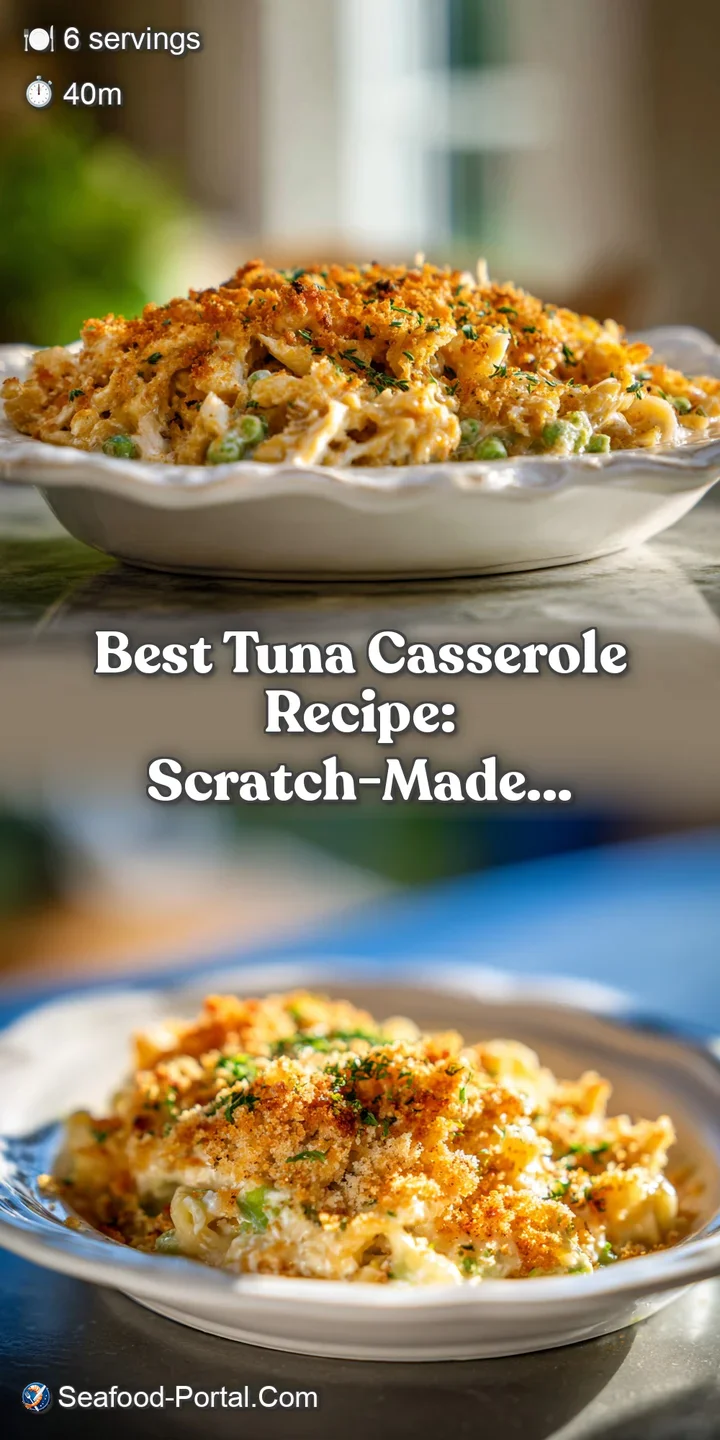
Transfer the noodle mixture into a greased 9x13 inch baking dish. Spread it out evenly, then sprinkle the panko mixture over the entire surface. Bake for 20 to 25 minutes until the edges are bubbling and the top is deeply golden.
8. The Final Rest
Remove the dish from the oven and let it sit for at least 5 minutes before serving. This allows the sauce to set up slightly so it doesn't just run to the bottom of the plate when you scoop it out. The result should be a cohesive, creamy bite every single time.
Preventing Common Mistakes and Texture Issues
1. The Soup Situation
If your casserole comes out watery, it's usually because the tuna wasn't drained well enough or the sauce didn't thicken properly on the stove. Tuna packed in water carries a lot of hidden moisture in the fibers. You really have to press it into the strainer to get it dry.
2. Metallic Aftertaste
This often happens if you use low quality canned tuna or if the dish is overcooked. High heat can cause the proteins in the fish to release sulfurous compounds. Stick to the 375°F (190°C) temperature and use solid white albacore to keep the flavor clean and fresh.
| Problem | Root Cause | Solution |
|---|---|---|
| Mushy Noodles | Overboiling at the start | Reduce boil time by 2-3 mins |
| Broken Sauce | Boiling the cheese | Add cheese after removing from heat |
| Dry Casserole | Not enough liquid | Increase milk or broth by 1/4 cup |
If you have leftover tuna after this bake, you might even venture into a lighter Tuna Tataki FlashSeared recipe for lunch tomorrow. But for now, let's focus on keeping this bake perfect.
Common Mistakes Checklist: - ✓ Drain the tuna until it feels almost dry to the touch. - ✓ Under cook the noodles; they should have a "snap" when you bite them before baking. - ✓ Grate your cheese fresh; pre shredded cheese contains cornstarch that makes the sauce grainy.
- ✓ Let the dish rest for 5 minutes after baking to allow the sauce to thicken. - ✓ Don't skip the Dijon mustard; the acid is vital for flavor balance.
Creative Variations for Modern Palates
Flavor Twists
If you want to move away from the traditional profile, try adding a tablespoon of chopped capers or some zest from half a lemon. These bright, acidic notes cut through the heaviness of the cream sauce beautifully.
Some people also enjoy adding a pinch of cayenne pepper or a dash of hot sauce to the roux to give the dish a subtle back end heat that keeps you coming back for more.
Diet Swaps
For a gluten-free version, use your favorite gluten-free egg noodles and swap the all purpose flour for a 1 to-1 gluten-free flour blend. For the topping, crushed gluten-free crackers or pork rinds provide an excellent crunch.
If you're looking to lower the fat, you can use 2% milk, but honestly, don't even bother with low-fat cheese. The fat in the cheese is what provides the structural integrity of the sauce; without it, the dish becomes grainy and unappealing.
| Premium | Budget | Flavor Impact | Savings |
|---|---|---|---|
| Fresh Tuna Steak | Canned Albacore | Canned is saltier but easier | $15.00 |
| Gruyère Cheese | Sharp Cheddar | Cheddar is tangier and classic | $6.00 |
| Fresh Herbs | Dried Parsley | Minimal in a baked dish | $2.00 |
Adjusting the recipe for different dietary needs is relatively simple because the base the roux and the noodles is so forgiving. Just keep the liquid ratios the same and you'll be golden.
Smart Storage and Reheating Strategies
Storage: This casserole keeps beautifully in the fridge for up to 3 to 4 days. Keep it in an airtight container to prevent it from absorbing other fridge smells. If you find the noodles have soaked up all the sauce by day two, just add a tiny splash of milk before reheating to loosen it back up.
Freezing: You can freeze this dish either before or after baking. If freezing before, don't add the panko topping until you are ready to bake. It will stay fresh for up to 2 months.
To bake from frozen, add an extra 15 to 20 minutes to the cook time and cover with foil for the first half to prevent the top from burning.
Zero Waste: Don't throw away those celery leaves! Chop them up finely and toss them into the panko topping for an extra punch of herbal flavor. If you have leftover sauce but no noodles, it makes an incredible base for a quick seafood chowder the next day just add some sautéed potatoes and more broth.
Perfect Pairings for Your Casserole
1. The Classic Pairing
A crisp, cold green salad with a simple lemon vinaigrette is the ultimate partner for this heavy, cheesy dish. The acidity of the dressing cleanses the palate between bites of the rich noodles. I also love serving this with steamed broccoli or roasted asparagus to get some vibrant green on the plate.
2. The Deli Style
Serve this with a side of thick cut salt and vinegar potato chips and a few dill pickle spears. It leans into that nostalgic, lunch counter vibe that makes tuna casserole so beloved in the first place. The sharp vinegar notes from the pickles play perfectly against the creamy sharp cheddar in the sauce.
Right then, you're ready to tackle the best tuna casserole recipe you've ever tasted. It’s a simple process, but paying attention to those small details the dry tuna, the fresh cheese, and the under cooked noodles makes all the difference in the world.
Trust me on this, once you go scratch made, you’ll never look at a can of condensed soup the same way again. Happy cooking!
High in Sodium
815 mg mg of sodium per serving (35% of daily value)
The American Heart Association recommends limiting sodium intake to about 2,300mg per day.
Tips to Reduce Sodium in Your Tuna Noodle Casserole
-
Low-Sodium Broth-30%
Replace regular chicken broth with low-sodium or no-salt added chicken broth. This can significantly reduce the sodium content without sacrificing flavor.
-
Reduce Cheese-15%
Reduce the amount of sharp white cheddar and Parmesan cheese by 25-50%. Cheese is a significant source of sodium.
-
Omit Added Salt-25%
Eliminate the 1/2 teaspoon of added salt. The other ingredients contribute enough sodium for flavor.
-
Rinse Canned Tuna-10%
Thoroughly rinse the drained tuna in water before adding it to the casserole. This will help remove some of the excess sodium.
-
Fresh Herbs & Spices
Enhance the flavor of your tuna noodle casserole with fresh herbs and spices like dill, chives, or parsley. These are sodium free and add depth of flavor.
Recipe FAQs
What's the secret to a good casserole?
Balancing texture and flavor agents. The secret is using an acid, like Dijon mustard, to cut through the richness of the cheese sauce and ensuring the topping is crisp, often achieved by toasting breadcrumbs separately or adding parmesan.
What can you add to tuna casserole to make it taste better?
Add aromatics and fresh herbs. Sautéing celery and onion in butter before making the roux builds a crucial flavor foundation, which you can further enhance with fresh parsley or a splash of lemon zest.
Can you make tuna casserole without boiling the noodles first?
No, you must par-cook the noodles. If you use completely raw noodles, they will not fully hydrate in the bake time and will remain hard in the center, as they require pre-softening to absorb the sauce evenly.
How to level up tuna casserole?
Make a scratch mornay sauce instead of using condensed soup. Cooking a roux with butter, flour, milk, and high-quality sharp cheddar creates a superior, velvety bind, which is the core technique used in our My Family's Favorite recipe.
Is it true that using pre-shredded cheese ruins the sauce?
Yes, this is largely true for a smooth sauce. Pre-shredded cheeses are often coated with anti caking agents like cellulose, which prevents them from melting uniformly and can result in a grainy or gritty texture in your casserole.
How to prevent the topping from getting soggy during the bake?
Use panko breadcrumbs tossed with melted butter and parmesan. Panko absorbs less moisture than standard breadcrumbs, and coating them in fat helps them brown quickly; for ultimate crispness, finish under the broiler for two minutes.
How to ensure the tuna flavor isn't too overpowering?
Drain the tuna extremely well and balance the richness. Press out all excess liquid, and complement the tuna's savory nature with a high acid element, like the Dijon mustard mentioned in the recipe, or serve it alongside bright pickled vegetables.
Best Tuna Casserole Recipe
Ingredients:
Instructions:
Nutrition Facts:
| Calories | 632 calories |
|---|---|
| Protein | 34.6g |
| Fat | 27.8g |
| Carbs | 60.7g |
| Fiber | 2.8g |
| Sugar | 5.2g |
| Sodium | 815mg |
