Grilled Lobster Tails with Zesty Butter
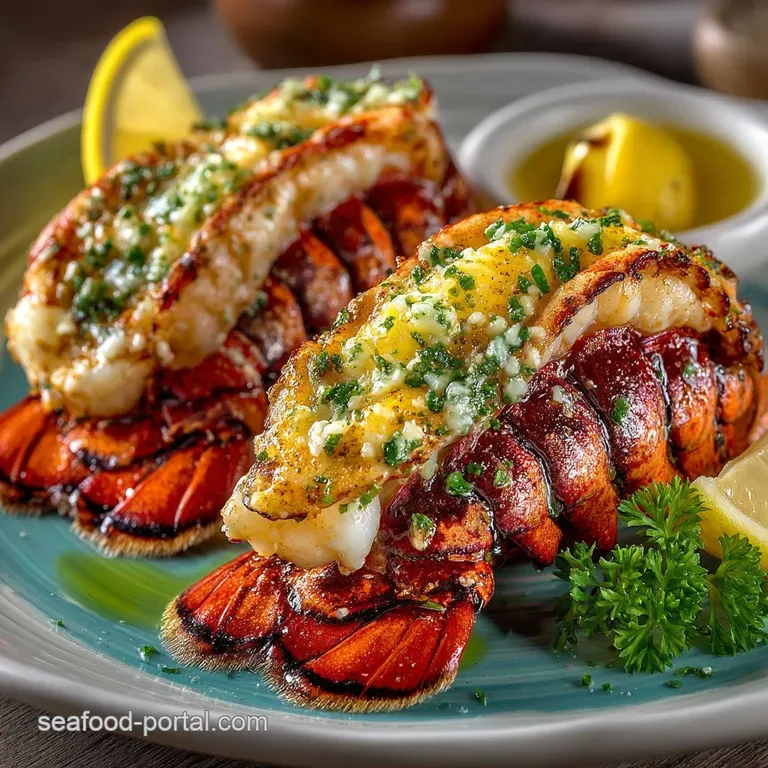
- Mastering Grilled Lobster Tails: Luxury Without the Fuss
- The Science of Succulence: Achieving Tender Lobster Every Time
- Essential Components and Flavor Enhancers
- Step-by-Step: Grilling Lobster Tails to Perfection
- Chef's Secrets: Troubleshooting and Avoiding Common Lobster Mistakes
- Maximizing Longevity: Storing and Reheating Grilled Lobster
- Elegant Pairings: What to Serve Alongside Your Grilled Lobster
- Recipe FAQs
- 📝 Recipe Card
Mastering Grilled Lobster Tails: Luxury Without the Fuss
When you pull these off the grill, smelling that smoky butter and zesty lemon, the neighbors will genuinely think you hired a personal chef. Trust me. The aroma of perfectly cooked seafood meeting sizzling garlic is one of life’s purest joys, and making beautiful Grilled Lobster Tails at home is easier than you think.
You get that gorgeous snap from the shell and incredibly tender meat infused with a ridiculously simple garlic herb compound butter.
People think lobster is complicated, expensive, or requires a degree in haute cuisine. Nope. This recipe for Grilled Lobster Tails is a total lifesaver, delivering maximum luxury flavor in about 30 minutes flat, provided your tails are already thawed.
It’s significantly cheaper than ordering out, and frankly, the flavor of fresh off-the-grill seafood is unbeatable. Stop feeling intimidated; we are taking back the luxury menu from the stuffy restaurants.
We’re going to cover everything: how to cut the shells without slicing your hand off, the secret to the best compound butter, and the exact grill temperature that guarantees tender, sweet results every single time. Get your shears ready.
Let’s learn how to make the best Grilled Lobster Tails you’ve ever tasted.
The Science of Succulence: Achieving Tender Lobster Every Time
The Secret to ‘The Queen’s Own’ Flavor Profile
The flavor profile comes down to two things: quality tails and incredible garlic butter. Forget drowning the poor lobster in marinade for hours. Lobster meat is delicate and should be treated gently.
The trick is letting the meat cook slowly inside its own shell, while we baste the exposed surface with an intensely aromatic butter blend. This ensures moisture retention and delivers deep, savory flavor right to the heart of the meat.
Why Grilling is Superior to Broiling for Seafood
Broiling is fast, sure, but it exposes the delicate meat to fierce, direct heat right away. Grilling is better because the grate allows for subtle smoke infusion, and crucially, you can primarily cook the Grilled Lobster Tails shell side down.
The shell acts as a little oven, steaming the meat gently from the bottom up while protecting the top. This technique practically eliminates rubbery texture issues.
How to Prep Lobster Tails for Optimal Grilling
Preparation is where most home cooks fail, usually by skipping the butterflying stage. You must expose the flesh. You want maximum surface area for the butter to melt into and the heat to penetrate evenly.
If you just chuck a whole tail on the grill, the outside cooks before the center, leading to dry edges and potentially undercooked centers. We are smarter than that.
Understanding the "Piggyback" Butterflying Method
The "piggyback" method is the only way to tackle Grilled Lobster Tails . You slice the top of the shell, lift the meat out, and then set the meat right on top of the compressed shell. This brilliant technique provides a raised, stable platform for the meat to cook on.
It also ensures the exposed meat catches that beautiful light char and allows the garlic herb butter to truly coat every fiber.
The Role of the Zesty Garlic Herb Butter in Moisture Retention
Our garlic herb butter is not optional; it’s essential. Lobster is very lean, and high heat can dry it out instantly. Basting the Grilled Lobster Tails constantly with melted butter provides a necessary layer of fat and flavor protection.
The acidity from the lemon juice brightens everything up, while the garlic creates a deeply savory crust as it cooks.
Heat Control: Avoiding the Rubber Band Effect
The rubber band effect happens when you cook lobster at too high a temperature for too long. Proteins seize up quickly. When cooking Grilled Lobster Tails , we aim for medium high heat, never raging inferno heat.
The meat needs a brief, powerful cook time 8 to 10 minutes max to reach 140°F (60°C). Anything hotter or longer, and you might as well serve a bicycle inner tube.
Essential Components and Flavor Enhancers
We keep the ingredients list tight because we want the sweet flavor of the lobster to be the star. Don't go overboard here. Simplicity is sophistication when we are talking about truly luxurious Grilled Lobster Tails .
Choosing Your Tails: Fresh vs. Frozen Lobster
Unless you live on the coast and buy them right off the boat, frozen lobster tails are often superior to "fresh" ones flown inland. Frozen tails are flash frozen quickly after catch, preserving texture and flavor.
Always choose cold water lobster tails —like those from Maine, Canada, or South Africa as they have firmer, sweeter meat compared to warm water varieties.
Handling Frozen Lobster Tails: Thawing Protocol
You simply cannot grill frozen lobster. It will cook unevenly, trust me, I tried that once in a rush and regretted wasting perfectly good shellfish. The best way is to thaw them overnight in the fridge.
If you’re in a hurry (and who isn’t?), seal them in a Ziploc bag and run cold water over them in the sink for 30– 45 minutes. Never use warm or hot water; that starts cooking the exterior, which ruins the texture of your ultimate Grilled Lobster Tails .
Ingredients for the Aromatic Zesty Garlic Herb Butter
| Ingredient | Why It Works | Substitution Notes |
|---|---|---|
| Unsalted Butter | Fat for moisture and flavor. | Use high-quality ghee (clarified butter) for a higher smoke point. |
| Fresh Garlic | Essential flavor base. | Use 1 teaspoon of garlic powder if fresh is unavailable, but fresh is strongly preferred. |
| Lemon Zest & Juice | Adds vital acidity and brightness. | Lime juice works beautifully, offering a sharper, tropical twist. |
| Fresh Parsley/Chives | Adds a necessary green, herbaceous lift. | Try fresh dill or tarragon for an anise note. |
| Smoked Paprika | Color and subtle smokiness. | A small pinch of cayenne pepper adds warmth instead. |
Expert Notes on Salt, Lemon, and Herb Alternatives
Don’t skimp on the salt in the butter, as lobster needs it to sing. If you use dried herbs instead of fresh, cut the amount in half, as dried herbs are far more potent. I love using tarragon with Grilled Lobster Tails when I’m feeling fancy; it brings out a slight sweetness that is utterly divine.
Chef's Note: When mixing the butter, make sure it’s fully emulsified. You want a uniform flavor bomb. Reserve at least half of the mixture for basting that continuous application is the difference between good grilled lobster and spectacular Grilled Lobster Tails at home.
step-by-step: Grilling Lobster Tails to Perfection
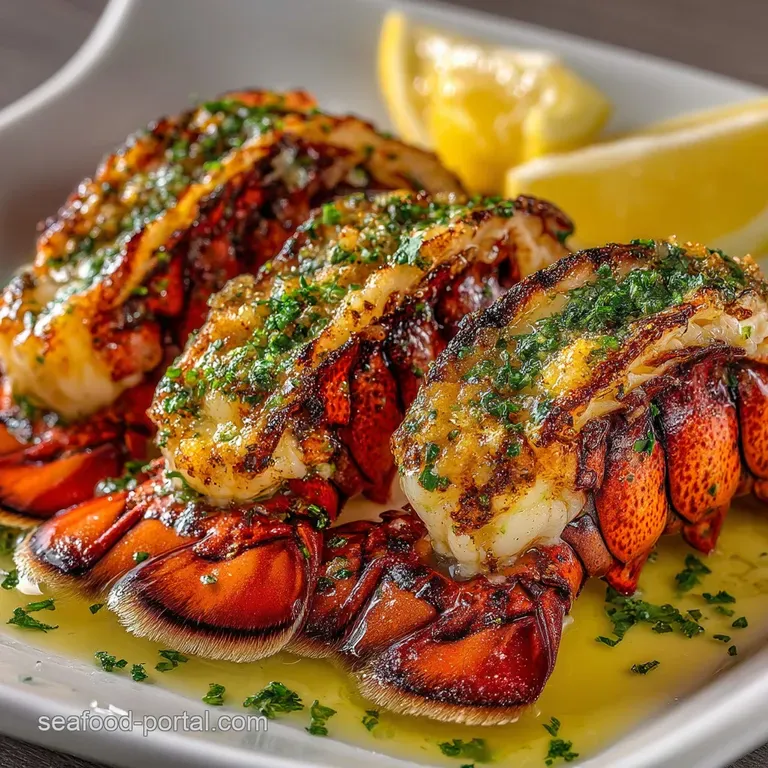
This is the fastest, simplest method I know for restaurant quality seafood. We’re working quickly here.
Prepping the Shell: The "Piggyback" Butterfly Cut Technique
First, rinse your thawed tails and pat them aggressively dry with paper towels. You want them absolutely moisture free. Place the tail shell side up. Take your sharp kitchen shears and cut straight down the center of the hard shell, from the thickest end all the way to the base of the tail fin.
Important: Do not cut through the bottom membrane or the meat itself.
Next, gently open the shell with your fingers and loosen the meat from the sides. You will lift the entire piece of meat up and out of the cavity, keeping the base attached near the tail fan. Press the empty shell halves together underneath the meat, creating a nice support system, then lay the meat squarely on top.
Brush the exposed meat lightly with olive oil to prevent sticking on the grill grates. You now have gorgeous butterflied Grilled Lobster Tails , ready to go.
Achieving the Ideal Grill Temperature and Surface Prep
Heat your gas or charcoal grill to a solid medium high heat, roughly 375°F to 400°F (190°C to 205°C). Clean the grates thoroughly with a wire brush, then lightly oil them just before placing the tails down.
A clean, hot, lightly oiled surface prevents sticking, which is a disaster when dealing with delicate seafood like these spectacular Grilled Lobster Tails .
The Grilling Schedule: Shell Down vs. Meat Side Timing
Place the prepped tails directly on the grill grates, shell side down . This is your primary cooking phase. The shell acts as insulation, protecting the meat from direct scorching heat while allowing it to steam gently.
Cook for 5 to 6 minutes without touching or flipping. The meat will start turning opaque white where it meets the shell.
Now, carefully flip the tails so the exposed, olive oiled meat is facing down. This achieves a perfect, light sear and allows the garlic herb butter to penetrate deep into the meat fibers. Cook for 2 to 4 minutes on this side, depending on the size of the tails.
Finishing Touches: Basting and Serving the Lobster Tails
During the final 2 minutes, baste the exposed meat generously with the reserved garlic herb butter. This is crucial for flavor and moisture. Remove the Grilled Lobster Tails once they hit that magic internal temperature of 140°F (60°C). Brush with any remaining melted butter and let them rest for just one minute before serving. If you want to dive deeper into butter sauces, I highly recommend checking out my guide on Lobster Tail: The Best Butterflied Recipe with Lemon Garlic Butter for an even richer finishing dip.
Chef's Secrets: Troubleshooting and Avoiding Common Lobster Mistakes
I’ve had my share of lobster disasters mostly involving overcooking the meat until it squeaked so I’ve learned from my pricey mistakes.
Is Pre-Boiling Required? Debunking the Par-Cooking Myth
Absolutely not! Do not pre-boil or par-cook the lobster before grilling. This is an old myth. Pre-boiling strips the natural sweetness and moisture from the meat, making it far more susceptible to drying out on the grill.
We want the shell to hold all that precious moisture while we cook these beautiful Grilled Lobster Tails to perfection.
The Thermometer is Your Best Friend: Checking for Doneness
If you’re unsure, use the thermometer. Doneness is not measured by color, but by internal temperature. Insert the instant read thermometer into the thickest part of the meat. The absolute maximum internal temperature you want is 140°F (60° C).
Any higher, and you start heading into chewy territory. Remove them immediately when they hit that target!
Preventing Charring: Managing Flare Ups and Direct Heat
Because we are basting heavily with butter, flare ups are a definite risk. If the butter drips and catches fire, move the tails immediately to a cooler, indirect heat zone of the grill until the flare-up subsides. The goal is a light char, not incineration.
If you see the garlic browning too fast, reduce the heat or move them away from the direct flame. Perfecting these gorgeous Grilled Lobster Tails requires vigilance.
Maximizing Longevity: Storing and Reheating Grilled Lobster
Lobster is best eaten immediately, but sometimes you have leftovers (a rare, beautiful problem). Knowing how to handle them properly is vital for food safety and flavor retention.
Refrigeration Guidelines for Leftover Lobster Meat
If you have leftover Grilled Lobster Tails , remove the meat from the shell entirely once they have cooled to room temperature. Store the meat in an airtight container or tightly wrapped in foil in the coldest part of your refrigerator.
Cooked lobster meat is safe for consumption for up to 3 days.
Can You Freeze Cooked Lobster Tails?
Yes, you can freeze cooked lobster, but be warned: the texture will suffer slightly, becoming a bit tougher or drier upon thawing. If you must freeze them, remove the meat from the shell first. Flash freeze the meat on a sheet pan, then transfer the pieces to a freezer safe, airtight bag, pushing out all the air. It will last 2 to 3 months. When you prepare the next batch of simple, beautiful Grilled Lobster Tails , the thawed leftovers can be tossed into something creamy, like my recipe for Lobster Stew: The Coastal Classic for Luxurious Home Cooking .
Best Methods for Reheating Without Drying Out the Meat
Never microwave leftover grilled lobster! That is a recipe for rubbery sadness. The best way to reheat your precious Grilled Lobster Tails is gently, using moist heat. Place the cooked meat in an oven safe dish with a tablespoon of fresh butter and a splash of water or lemon juice.
Cover the dish tightly with foil and bake in a preheated oven at 300°F (150°C) for about 5 to 7 minutes, until just heated through. Low and slow is always the motto when dealing with previously cooked lobster.
Elegant Pairings: What to Serve Alongside Your Grilled Lobster
Since these Grilled Lobster Tails are so decadent, keep the side dishes fresh and light to provide contrast.
I love a simple Caesar salad or grilled asparagus tossed with olive oil and sea salt. For a richer pairing, try a fluffy lemon risotto. If you’re really going all out, serving these alongside a perfectly cooked steak transforms the meal into a classic surf and turf. Alternatively, if you prefer the subtle saffron flavor, pair them with the creamy side dish from my recipe for Lobster Dishes: Tender Butter Poached Tails with Saffron Risotto . Whichever you choose, this gorgeous preparation of Grilled Lobster Tails will be the undisputed star of the dinner table.

Recipe FAQs
Why did my grilled lobster tails turn out rubbery?
Rubberiness is the most common pitfall and is strictly caused by overcooking. Lobster meat cooks very quickly, so precise timing and temperature are crucial to ensure tenderness. Aim for an internal temperature of 140°F (60°C) and remove the tails promptly from the heat.
What is the benefit of the "piggyback" butterflying method?
The piggyback method involves lifting the meat atop the shell, exposing the tender flesh directly to the grill heat while the shell acts as an insulating cradle. This maximizes the surface area for the butter application and ensures the meat cooks quickly and evenly without drying out.
Can I use frozen lobster tails for this recipe, and do they need to be fully thawed?
Yes, frozen tails are perfectly acceptable, but they must be fully thawed before grilling. Thaw them overnight in the refrigerator, or submerged in cold water changed every 30 minutes, to ensure even cooking. Attempting to grill partially frozen meat will result in tough, unevenly cooked lobster.
How can I prevent flare ups on the grill when applying the garlic herb butter?
Flare ups occur when fat drips directly onto the heat source. To minimize this, move the lobster tails to an indirect heat zone immediately after brushing the meat with butter. Alternatively, brush the butter very lightly and often, rather than pouring a large amount on at once.
What internal temperature indicates that the lobster is perfectly cooked?
Lobster is safely and perfectly cooked when it reaches an internal temperature between 140°F and 145°F (60°C to 63°C), measured at the thickest part of the tail meat. Visually, the meat should change from translucent gray to a solid, opaque white color throughout.
How should I store leftover grilled lobster? Can I freeze it?
Grilled lobster is best consumed immediately, but leftovers can be refrigerated in an airtight container for up to two days. Avoid freezing cooked lobster, as the thawing process significantly degrades the texture, making the meat watery and tough.
What are some alternative flavourings for the butter compound?
You can easily vary the compound butter by incorporating spicy elements like smoked paprika and a pinch of cayenne, or adding Asian notes with ginger and miso paste. For a luxurious twist, whisk in a tablespoon of dry sherry or white wine to the warm butter before brushing.
Best Grilled Lobster Tails Recipe
Ingredients:
Instructions:
Nutrition Facts:
| Calories | 325 kcal |
|---|---|
| Protein | 19.0 g |
| Fat | 27.0 g |
| Carbs | 1.0 g |
