Ahi Tuna Poke Bowl: Fresh and Vibrant
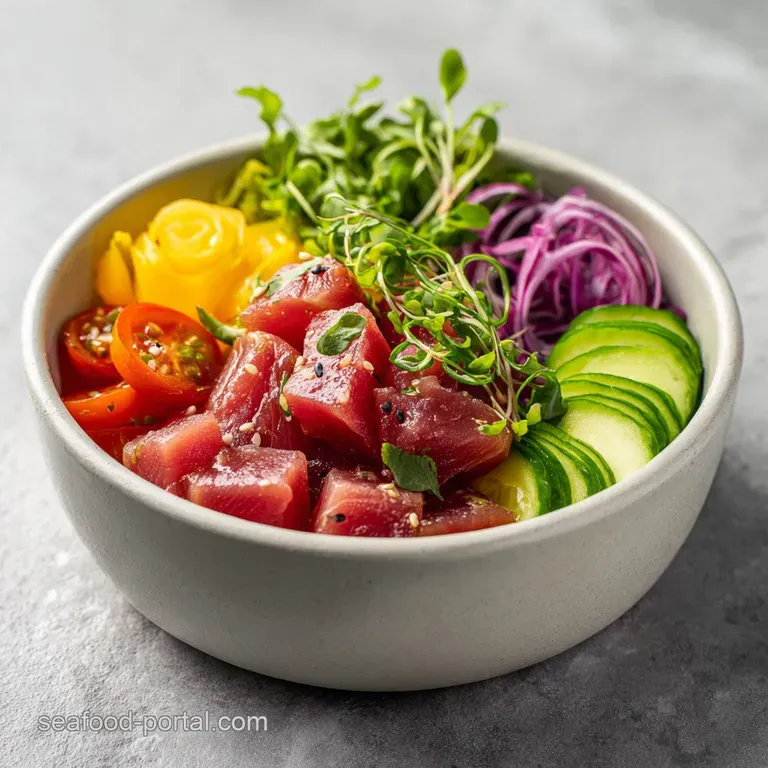
- Time: Active 15 minutes, Passive 20 minutes, Total 35 minutes
- Flavor/Texture Hook: Silky tuna meets crunchy radish and velvety avocado
- Perfect for: High protein lunch, fresh date night, or beginner sushi lovers
- Authentic Street Style Ahi Tuna Poke Bowl
- Tradition Versus Modern Street Style
- Sourcing Your Street Style Elements
- Essential Tools for Precision
- The Assembly Workflow Guide
- Mastering Quality and Consistency
- Adaptations for Every Palate
- Freshness and Shelf Life
- Vibrant Plates and Pairings
- Very High in Sodium 🚨
- Recipe FAQs
- 📝 Recipe Card
Authentic Street Style Ahi Tuna Poke Bowl
Poke isn't just a trend that exploded in mainland strip malls; it's the soul of Hawaiian street food. Long before it was served in plastic bowls with mango chunks and kale, Hawaiian fishermen were "poking" (slicing) the trimmings from their daily catch of reef fish or octopus.
They seasoned these scraps with whatever was on hand sea salt, crushed kukui nuts, and limu (seaweed). It was rugged, salty, and tasted purely of the Pacific. When Japanese immigrants arrived in the islands, they brought soy sauce and sesame oil, and that's when the "classic" Tuna Poke Bowl we recognize today really took its vibrant form.
Walking through a fish market in Honolulu, the first thing that hits you isn't a "fishy" smell it’s the clean, briny scent of the ocean mixed with the sharp, toasted aroma of sesame oil and the sweet, fermented notes of mirin. That’s what we’re chasing here.
This recipe isn't about hiding the fish under a mountain of toppings; it’s about highlighting the quality of 350g of sashimi grade Ahi through a balanced, street style marinade that hits every part of your palate.
You’re going to love how the cold, silky tuna contrasts with the room temperature, vinegary rice. It’s a texture game as much as a flavor one. We aren't doing anything bland or mild here we want bold ginger, a kick of sriracha, and the crunch of fresh radish.
If you've ever felt intimidated by raw fish at home, trust me, this is the most approachable way to start. It’s vibrant, it’s fast, and it’s honestly better than 90% of the over complicated bowls you’ll find at the mall.
Tradition Versus Modern Street Style
Before we get into the kitchen, we need to talk about why this specific method works so well. Poke is all about the "cure" without actually cooking the fish. When you toss that 350g of cubed Ahi into the soy and mirin mixture, you're performing a delicate dance of seasoning.
The salt in the soy sauce begins to penetrate the fish, while the mirin adds a gloss that makes the tuna look like rubies.
Rice Temperature Control: We cool the rice to room temperature because hot rice will actually start to "cook" the edges of your raw tuna, turning it a dull grey and ruining that buttery texture.
Acidic Balance: The rice vinegar in the rice and the ginger in the sauce act as "cleansers" for your tongue, cutting through the natural fat of the fish and avocado.
The Marinade Window: We only marinate for 10 minutes. Any longer and the salt starts to draw too much moisture out of the tuna, making it tough rather than tender.
| Method | Prep Time | Texture Result | Best For |
|---|---|---|---|
| Traditional Raw | 15 minutes | Silky, buttery, pure | Authenticity seekers |
| Flash Seared | 20 minutes | Firm exterior, rare core | Texture variety |
| Quick Cured | 35 minutes | Denser, saltier, firm | make-ahead lunches |
If you're curious about different ways to handle your fish, check out my guide on Seared Ahi Tuna for a version that adds a smoky crust to the outside. But for today, we are sticking to the classic street style raw preparation that lets the Ahi shine.
Sourcing Your Street Style Elements
The success of a Tuna Poke Bowl lives and dies by the quality of the ingredients. Since we aren't cooking the fish, there is nowhere for low quality tuna to hide. Look for "Sashimi Grade" or "Sushi Grade" labels.
These aren't official FDA terms, but they indicate that the fish was handled with the intention of being eaten raw, usually flash frozen to a specific temperature to ensure it’s safe.
| Component | Role | Pro Secret |
|---|---|---|
| Ahi Tuna (350g) | Primary Protein | Pat it bone dry with paper towels before cubing to ensure the sauce sticks. |
| Mirin (1 tbsp) | Sweetener/Glaze | Provides that "jewel like" shine and counteracts the saltiness of the soy. |
| Sesame Oil (1 tsp) | Aromatic Fat | Use toasted oil for a deep, nutty scent that carries the ginger flavor. |
| Rice Vinegar (1 tbsp) | Starch Seasoning | Adds brightness to the rice and prevents it from feeling heavy or gummy. |
Right then, let's talk about the rice. You need short grain sushi rice. Long grain rice like Basmati just won't work here; it’s too fluffy and dry. We want that slight stickiness so you can actually pick up a clump of rice and a cube of tuna in the same bite. If you’re in a rush, a Tuna Fish Salad is a great way to use canned tuna, but for a true poke experience, the sushi rice and fresh Ahi are non negotiable.
Essential Tools for Precision
You don't need a professional sushi bar setup, but a few specific tools will make your life much easier. First, a very sharp knife is vital. A dull knife will "tear" the tuna rather than slicing it, which ruins the velvety mouthfeel we're after.
If you have a Santoku or a Chef's knife, give it a quick hone before you start.
A non reactive glass or ceramic bowl is also important for the marinade. Metal bowls can sometimes impart a tiny metallic taste when reacting with the vinegar and soy sauce. Finally, a heavy bottomed saucepan for the rice is better than a thin one, as it distributes heat more evenly and prevents the bottom layer of rice from scorching while the top is still steaming.
Chef's Tip: If you find your sushi rice is always sticking to your hands when you try to fluff it, dip your spatula or fingers in a little bit of water mixed with rice vinegar. The rice won't stick to the wet surface!
The Assembly Workflow Guide
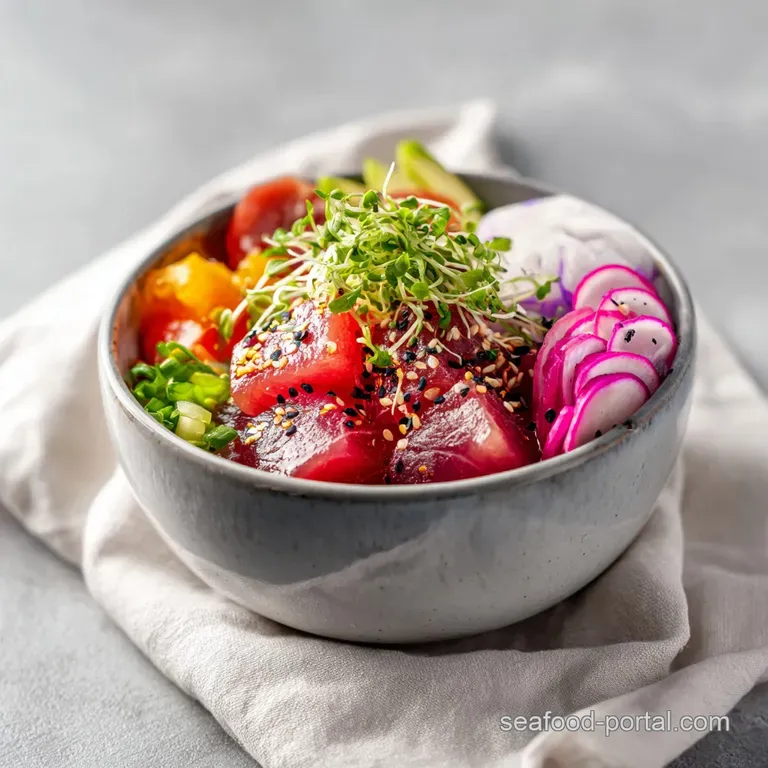
This is where the magic happens. We’re going to build layers of flavor, starting with the rice foundation and ending with a scatter of toasted sesame seeds. Pay attention to the aromas as you go; the smell of the rice vinegar hitting the warm rice is one of the most comforting scents in a kitchen.
- Rinse the rice. Place your 1 cup of sushi rice in a fine mesh strainer and run cold water over it. Shake it around until the water coming out the bottom is clear, not cloudy. Note: This removes excess surface starch so the rice stays distinct rather than turning into mush.
- Simmer the base. Combine the rinsed rice and 1.25 cups of water in a small saucepan. Bring it to a boil, then immediately drop the heat to the lowest setting. Cover tightly and let it simmer for 15 minutes.
- Rest the grains. Remove the pan from the heat but do not open the lid. Let it sit for 5 minutes. The carryover steam finishes the cooking process perfectly.
- Season the rice. Gently fold in 1 tbsp of rice vinegar using a slicing motion with a spatula. Spread the rice out on a large plate or baking sheet to cool down to room temperature.
- Whisk the marinade. In your glass bowl, combine 3 tbsp soy sauce, 1 tbsp mirin, 1 tsp toasted sesame oil, 0.5 tsp grated ginger, and 0.5 tsp sriracha. The aroma should be sharp, nutty, and slightly spicy.
- Cube the Ahi. Slice your 350g of tuna into 2cm cubes. Try to keep them uniform so every bite has the same texture.
- Marinate the fish. Add the tuna and sliced green onions to the bowl. Toss gently. Let this sit in the fridge for exactly 10 minutes.
- Prep the toppings. While the fish marinates, slice your avocado, cucumber, and radishes. Steam your 0.25 cup of edamame if they aren't already cooked.
- Build the bowls. Divide the cooled rice between two bowls. Use a spoon to pile the marinated tuna in the center, letting some of that extra sauce drizzle onto the rice.
- Garnish and serve. Arrange the avocado, cucumber, edamame, and radishes around the tuna. Sprinkle with 1 tsp toasted sesame seeds and eat immediately.
Mastering Quality and Consistency
Even with the best ingredients, things can go sideways. The most common issue I see with a homemade Tuna Poke Bowl is "soggy" rice or "fishy" smelling tuna. If your fish smells like anything other than a clean ocean breeze, don't eat it raw.
A quick sear in a hot pan can sometimes save fish that is slightly past its prime for raw consumption, but for this recipe, freshness is king.
Preventing Mushy Rice
The ratio of 1 cup rice to 1.25 cups water is the "golden ratio" for most short grain sushi rice brands. If you use too much water, the grains burst and become a paste. If you don't rinse the rice, the extra starch creates a sticky film that prevents the vinegar from soaking in.
Always rinse until that water runs clear!
Balancing the Marinade
If you find the sauce too salty, it’s usually because of the soy sauce brand. Some are much more aggressive than others. You can mellow it out by adding a tiny splash of water or an extra teaspoon of mirin. The goal is a sauce that enhances the fish, not one that drowns it.
| Problem | Root Cause | Solution |
|---|---|---|
| Rice is crunchy | Not enough water or lid was lifted | Add 1 tbsp water, cover, and steam for 5 more mins. |
| Tuna is greyish | Marinated too long or rice was too hot | Reduce marinating time to 10 mins; cool rice fully. |
| Sauce is too thin | Too much mirin or soy | Add a tiny pinch of xanthan gum or just use less sauce. |
Add a quick check before you serve:
- ✓ Did you pat the tuna dry before cubing?
- ✓ Is the rice at room temperature (not hot)?
- ✓ Are the radishes sliced thin enough to provide "snap" without being overpowering?
- ✓ Did you use toasted sesame oil rather than plain?
Adaptations for Every Palate
One of the best things about a Tuna Poke Bowl is how easy it is to swap things around. While Ahi is the gold standard, you can use high-quality salmon or even cooked shrimp if you're not a fan of raw tuna. The marinade works beautifully for almost any seafood.
| Original Ingredient | Substitute | Why It Works |
|---|---|---|
| Ahi Tuna (350g) | Atlantic Salmon | Similar fat content. Note: Salmon is richer/oilier, so maybe add extra radish for crunch. |
| Sushi Rice | Quinoa | Great for protein. Note: Lacks the stickiness, so the bowl feels more like a salad. |
| Soy Sauce | Tamari | Same salty umami profile. Note: Perfect for keeping the dish gluten-free. |
If you want a "Spicy Tuna" vibe, increase the sriracha to 2 tsp and add a dollop of Japanese mayo to the marinade. It creates a creamy, orange sauce that clings to the fish and feels a bit more indulgent. For a low carb version, swap the rice for a bed of shredded cabbage or "zoodles" (zucchini noodles).
Just make sure to squeeze the excess water out of the vegetables so they don't dilute your beautiful poke sauce.
Freshness and Shelf Life
This is a "make and eat" kind of dish. Because we are dealing with raw fish and seasoned rice, it doesn't store particularly well once assembled. The acid in the marinade will continue to "cook" the tuna in the fridge, and the rice will eventually go hard and dry as it refrigerates.
Storage: If you have leftovers, store the tuna and the rice in separate airtight containers. The tuna is best eaten within 24 hours. The rice will stay good for 2 days but will need a 20 second zap in the microwave to soften it back up (let it cool again before adding the fish!).
Zero Waste: Don't toss those radish tops or green onion ends! Green onion bottoms can be placed in a jar of water on your windowsill to regrow. If you have leftover cucumber and radish, toss them with a little rice vinegar and sugar for a quick sunomono (pickled salad) the next day.
Vibrant Plates and Pairings
When serving your Tuna Poke Bowl, think about the visual contrast. The deep red of the Ahi looks stunning against the pale green of the avocado and the bright white of the rice. I like to serve this with a side of miso soup to start the warm, salty broth prepares your stomach for the cool, fresh bowl.
As for drinks, something crisp and acidic is your best friend. A cold Japanese lager or a dry Riesling works wonders. If you're going non alcoholic, a sparkling water with a heavy squeeze of lime or a chilled green tea is the way to go.
The goal is to keep the palate clean so every bite of that 350g of tuna feels as fresh as the first.
If you love the flavors of sesame and soy but want something warm and cozy for a rainy day, my Classic Tuna Casserole is a scratch made comfort meal that uses pantry staples while keeping the quality high. But on a sunny afternoon? There is absolutely nothing that beats the clean, bold punch of a home-made poke bowl. Trust me, once you nail that 10 minute marinade, you'll never want the overpriced shop version again!
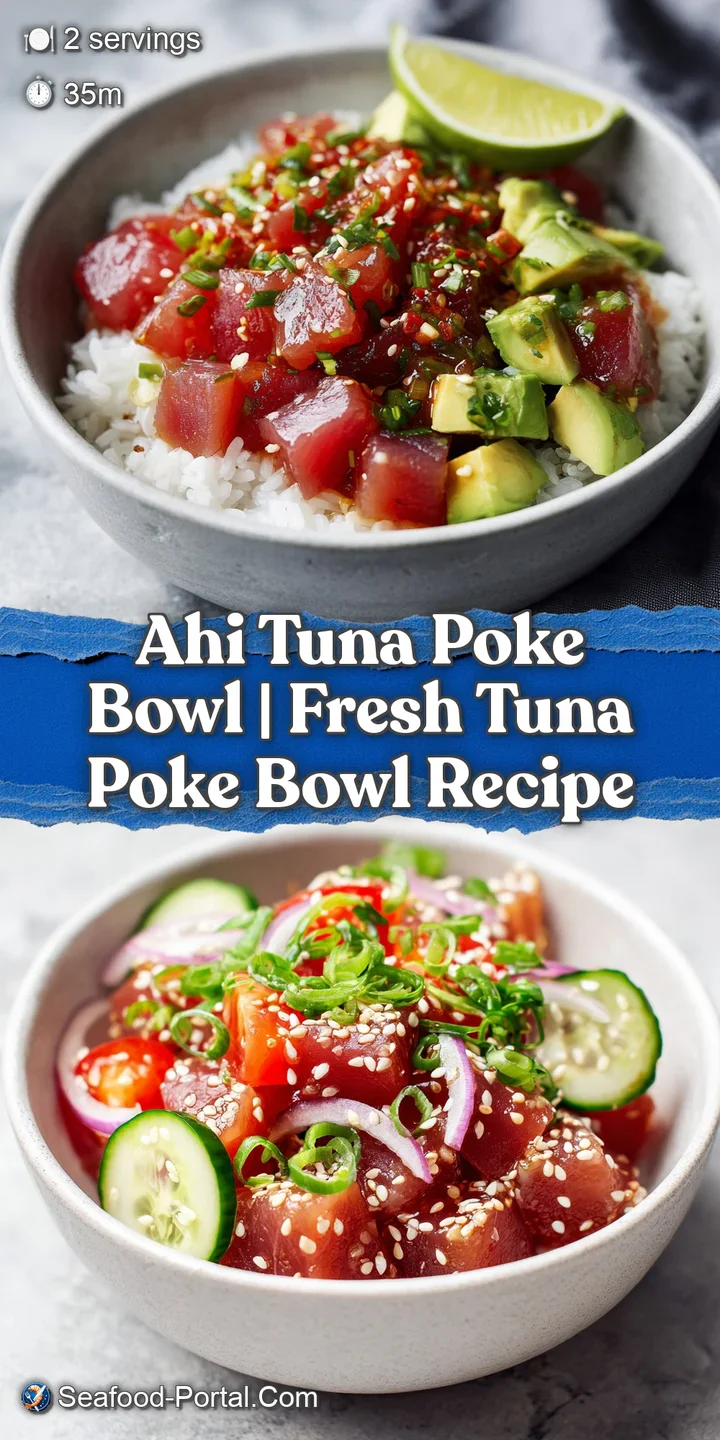
Very High in Sodium 🚨
1420 mg 1420 mg (62% 62%)
The American Heart Association recommends a maximum daily sodium intake of 2,300mg, with an ideal limit of about 1,500mg per day for most adults.
Tips to Reduce Sodium
-
Low-Sodium Soy Sauce-20%
Replace standard soy sauce with a low-sodium version. This single change can significantly cut down the sodium content of your marinade.
-
Marinate Wisely-10%
Reduce the amount of soy sauce used in the marinade by half and compensate with other flavors like fresh lemon or lime juice, or a touch more mirin.
-
Savory Rice Seasoning-5%
Season your sushi rice with rice vinegar and a pinch of sugar instead of relying on soy sauce. This adds flavor without the added sodium.
-
Flavorful Ginger & Sriracha
Amplify the flavors of fresh ginger and sriracha. Their pungency can help mask the need for saltier ingredients.
-
Fresh Aromatics & Herbs
Incorporate fresh herbs like cilantro or parsley, and increase the amount of fresh ginger. These add brightness and depth without contributing sodium.
Recipe FAQs
What do you put in a tuna poke bowl?
Use a foundation of sushi rice topped with sashimi grade Ahi Tuna. Complete the bowl with fresh avocado, cucumber, edamame, and radish, finished with toasted sesame seeds.
Can I have a poke bowl while pregnant?
No, avoid this dish during pregnancy. Consuming raw fish poses health risks that are not eliminated by the marinade process.
What does a poke bowl have in it?
It features cubed Ahi tuna, seasoned sushi rice, and fresh vegetables like radish and cucumber. The components are pulled together by a savory marinade of soy sauce, mirin, toasted sesame oil, ginger, and sriracha.
What do you marinate tuna in for a poke bowl?
Whisk together soy sauce, mirin, toasted sesame oil, grated ginger, and sriracha. If you enjoyed mastering the flavor balancing here, you will appreciate how this marinade complements the tuna's natural richness.
How to cook the rice for a poke bowl?
Rinse the sushi rice under cold water until the water runs clear. Simmer the rice in a covered saucepan for 15 minutes, let it rest for 5 minutes off the heat, then gently fold in the rice vinegar.
How to prepare the tuna for marinating?
Cube the sashimi grade Ahi tuna and place it in a non-reactive glass bowl. Combine with the sliced green onions and your prepared sauce, allowing it to marinate in the refrigerator for exactly 10 minutes.
Is it true I should serve the tuna warm?
No, this is a common misconception. The tuna must be served chilled, while the seasoned rice is kept at room temperature to provide the signature contrast in temperature and texture.
Ahi Tuna Poke Bowl 2
Ingredients:
Instructions:
Nutrition Facts:
| Calories | 755 kcal |
|---|---|
| Protein | 55 g |
| Fat | 16.7 g |
| Carbs | 92 g |
| Fiber | 8.5 g |
| Sugar | 6.2 g |
| Sodium | 1420 mg |
