Easy Shrimp Pasta Carbonara in 20 Minutes with Garlic
- Time: Active 15 minutes, Passive 5 minutes, Total 20 minutes
- Flavor/Texture Hook: Velvety, salty, and punchy with a garlic-infused finish
- Perfect for: Busy weeknights when you need a "fancy" meal with minimal cleanup
- Scientific Principles for Success
- Component Analysis
- Essential Ingredients and Substitutions
- Necessary Cooking Tools List
- Preparation and Cooking Instructions
- Error Prevention and Fixing
- Batch Expansion Logic
- Common Culinary Misconceptions
- Storage and Waste Management
- Visual Plating Techniques
- Common Questions
- 📝 Recipe Card
Imagine the sharp pop of fat rendering in a Lodge Cast Iron Skillet while your kitchen fills with the punchy aroma of thinly sliced garlic. We have all been there, starving after a long day and staring at a fridge with zero energy to cook a complicated meal.
Here’s how to make a delicious and simple Easy Shrimp Pasta Carbonara in 20 Minutes with Garlic.
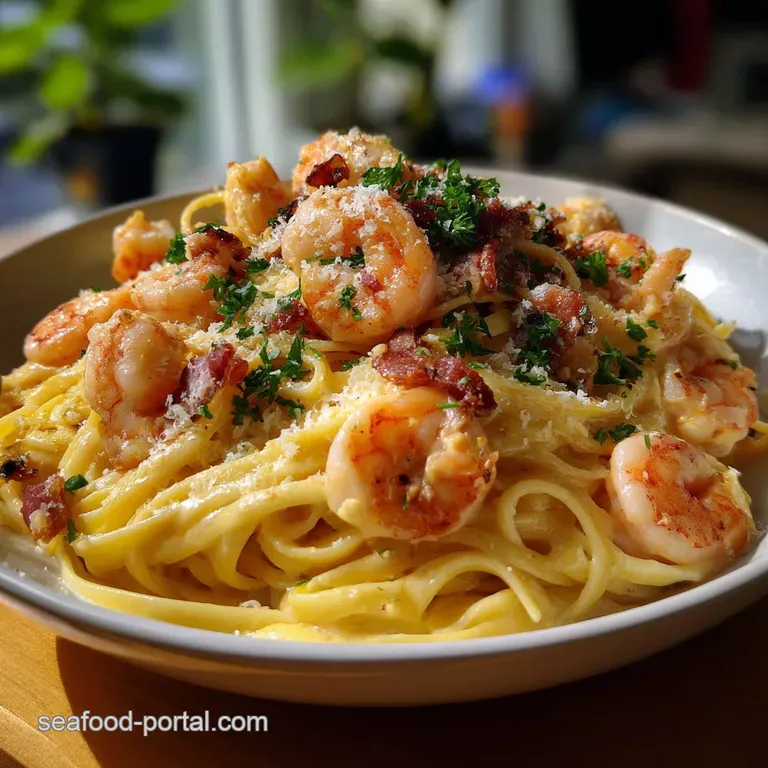
This isn't your average pasta night. We are talking about succulent, snappy shrimp nestled in a coat of golden, peppery sauce that clings to every strand of spaghetti. It is the kind of dish that feels like a splurge at an Italian bistro, but you can pull off Easy Shrimp Pasta Carbonara in 20 Minutes with Garlic in your pajamas.
The secret lies in the timing. While the pasta boils, you sear the protein and prep the "liaison," which is just a fancy word for the egg and cheese binder. By the time the noodles are ready, the sauce is just a whisk away. Trust me, once you master this 20 minute flow, you'll never go back to the jarred stuff.
Mastering the timing is key to the success of this Easy Shrimp Pasta Carbonara in 20 Minutes with Garlic.
Scientific Principles for Success
The Science of Why it Works: This dish relies on protein denaturation and starch emulsification. The residual heat of the pasta gently cooks the eggs into a velvety cream without reaching the 160°F threshold that causes scrambling.
- Emulsification: Starchy pasta water acts as a bridge between the fat (pancetta/oil) and the liquid (eggs), creating a smooth sauce.
- Carryover Cooking: Shrimp continue to cook even after you turn off the burner, so pulling them early prevents a rubbery texture.
- Starch Gelatinization: Boiling the pasta in less water concentrates the starch, making your "liquid gold" pasta water even more effective at binding.
- Protein Tempering: Whisking the cheese into the eggs before adding them to the heat provides a thermal buffer, shielding the proteins from sudden shocks.
Unlike traditional slow simmered sauces that take an hour to develop body, this method uses the mechanical energy of tossing to create instant thickness, showcasing the efficiency of making Easy Shrimp Pasta Carbonara in 20 Minutes with Garlic.
Starch Emulsion Dynamics
When you add that splash of pasta water to the pan, the starch molecules surround the fat droplets from the pancetta. This prevents the oil from separating, resulting in a sauce that is silky rather than greasy.
Residual Heat Control
The most vital part of an Easy Shrimp Pasta is the "off-heat" finish. If the pan is too hot when the eggs hit, you get breakfast pasta. By using the ambient heat of the noodles, the eggs reach a safe temperature while maintaining a liquid, glossy state.
High Heat Searing
Shrimp need a hot surface to develop the Maillard reaction, which gives them a savory, browned exterior. If you crowd the pan, they will steam in their own juices instead of searing.
Component Analysis
| Ingredient | Chemical/Physical Role (Science) | The Pro Secret (Why This Matters) |
|---|---|---|
| Large Shrimp | Myofibrillar protein structure | Pull these when they form a "C" shape; an "O" shape means they are overdone. |
| Large Eggs | Lecithin based emulsifier | Using an extra yolk adds more fat and less water, resulting in a richer mouthfeel. |
| Pecorino Romano | High fat, low-moisture salt source | This cheese has a lower melting point than Parmesan, helping the sauce stay fluid. |
| Pancetta | Lipid rendering for flavor base | The cured fat provides the primary seasoning, meaning you need less added salt. |
Essential Ingredients and Substitutions
To get the best results, use the freshest ingredients you can find. A block of real cheese you grate yourself will always melt better than the pre-shredded bags that are coated in potato starch.
- 1 lb spaghetti or bucatini: Why this? Hard durum wheat provides the structure needed for the heavy cheese emulsion.
- 2 tbsp sea salt: Used for the pasta water to season the noodles from the inside out.
- 1 lb large shrimp: Peeled and deveined. If you’re craving more seafood after this, my Japanese Shrimp Curry recipe hits that umami spot just as fast.
- 4 oz pancetta: Diced small for maximum surface area and browning.
- 4 cloves garlic: Why this? Thinly sliced cloves release oils more slowly than minced, preventing burning at high heat.
- 1 tsp freshly cracked black pepper: The "carbon" in carbonara. Use a pepper mill for the best aromatics.
- 3 large eggs + 1 yolk: Why this? The extra yolk provides the golden color and velvety fat needed for the emulsion.
- 1.5 cups Pecorino Romano: Freshly grated.
- 0.5 cup Parmigiano Reggiano: Freshly grated.
| Original Ingredient | Substitute | Why It Works |
|---|---|---|
| Pancetta (4 oz) | Bacon (thick cut, 4 oz) | Similar fat content. Note: Adds smoky notes not found in traditional pancetta. |
| Pecorino Romano | Extra Parmigiano Reggiano | Both are hard, salty cheeses. Note: The final dish will be milder and less tangy. |
| Spaghetti | Rigatoni | Ridges on the pasta catch the sauce. Note: Requires a slightly longer boiling time. |
Necessary Cooking Tools List
You don't need a professional kitchen, but a few specific tools make the 20 minute timeline much easier to hit for your Easy Shrimp Pasta Carbonara in 20 Minutes with Garlic.
- Lodge Cast Iron Skillet: The heavy bottom retains heat, which is essential for searing the shrimp quickly without the temperature dropping.
- Microplane Cheese Grater: This creates "snow like" cheese that melts instantly into the eggs.
- KitchenAid Pasta Strainer: Or any fine mesh strainer to help you scoop the pasta directly from the water into the pan.
- Stainless Steel Mixing Bowl: Metal conducts heat well, helping you temper the eggs as you toss the hot pasta.
Preparation and Cooking Instructions
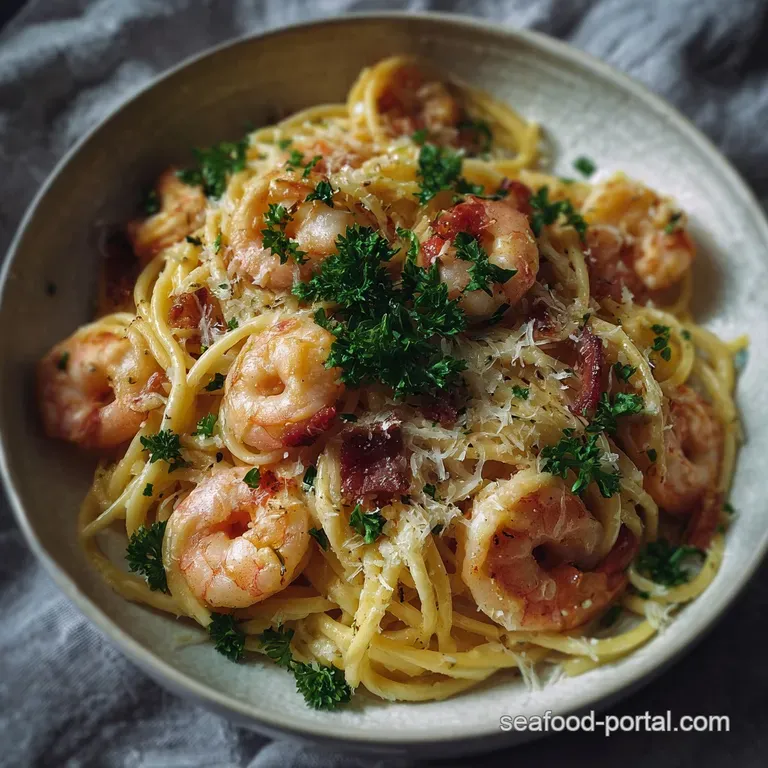
This process is a race. Get your water boiling first, then start your prep. If you wait until the pasta is done to grate your cheese, the noodles will get cold and the sauce won't emulsify.
The Initial Preparation
- Boil a large pot of water with 2 tbsp sea salt until it reaches a rolling bubble.
- Whisk 3 large eggs, 1 egg yolk, 1.5 cups Pecorino, and 0.5 cup Parmigiano in a bowl until a thick, pale yellow paste forms.
- Slice 4 cloves of garlic paper thin so they melt into the oil later.
Protein Searing Phase
- Sauté 4 oz pancetta in a cold Lodge skillet over medium heat for 5 7 minutes until the fat renders and the edges turn deep mahogany brown.
- Add 1 lb shrimp to the skillet in a single layer.
- Sear shrimp for 2 minutes per side until the flesh turns opaque pink and the edges have a slight golden crust.
- Toss in the sliced garlic and 1 tsp black pepper for 60 seconds until the garlic is fragrant and translucent but not browned.
The Emulsion Stage
- Boil 1 lb spaghetti for 8 9 minutes until the center is slightly firm (al dente) when bitten.
- Transfer the pasta directly into the skillet with the shrimp using tongs, bringing a little pasta water with it.
- Remove the skillet from the heat source entirely. Note: This prevents the eggs from scrambling.
Final Sauce Assembly
- Pour the egg and cheese mixture over the pasta.
- Whisk vigorously while adding 1/4 cup of hot pasta water until the cheese melts and a glossy, velvety sauce coats every strand.
- Adjust the consistency with more pasta water, one tablespoon at a time, until the sauce looks like heavy cream and no longer clings in clumps.
Chef's Tip: Freeze your Pecorino for 10 minutes before grating. It makes the cheese firmer and prevents it from clumping in the grater, resulting in a much finer "dust" that melts instantly.
This simple step elevates the final texture of your Easy Shrimp Pasta Carbonara in 20 Minutes with Garlic.
Error Prevention and Fixing
Carbonara is a high wire act of temperature control. If you're nervous about the eggs, remember that the pasta water is your best friend, which is crucial when making a dish like this Easy Shrimp Pasta Carbonara in 20 Minutes with Garlic.
| Problem | Root Cause | Solution | Pro Protocol |
|---|---|---|---|
| Scrambled Eggs | Pan was too hot | Add a splash of cold water immediately | Temper the egg bowl with 1 tbsp pasta water first |
| Greasy Bottom | Not enough emulsion | Add more starchy pasta water and toss | Use less boiling water to concentrate the starch |
| Tough Shrimp | Overcooked | No fix for the texture; add lemon to brighten | Pull shrimp out of the pan once seared, then add back at the end |
Scrambled Egg Prevention
If you see little white flecks forming, your pan is too hot. Immediately pull the pan off the stove and add a tablespoon of room temperature pasta water. The water absorbs the excess thermal energy, hopefully stopping the proteins from tightening further.
Fixing Dry Texture
Pasta continues to soak up liquid even after it is plated. If your Easy Shrimp Pasta looks sticky or dry, it usually means the starch has bonded too tightly. A final splash of hot water and a quick toss will loosen those bonds and restore the shine. This fixes the texture when preparing the recipe for future servings.
Batch Expansion Logic
Scaling this recipe requires a bit of math to keep the physics of the sauce intact.
- Scaling Up (2x): When doubling to 8 servings, scale the salt and pepper to 1.5x only. Using a full 2x on spices can overwhelm the delicate shrimp. Also, drop your skillet temp by 25°F when adding the eggs, as the larger mass of pasta holds significantly more residual heat.
- Scaling Down (1/2): For 2 servings, use 2 whole eggs rather than trying to split a yolk. Reduce the pasta boiling time by 1 minute, as smaller batches of noodles tend to cook faster in a large pot.
- The Crowd Factor: Never try to cook more than 1 lb of pasta in a single skillet. If you are serving a crowd, work in batches to ensure the shrimp sear properly and the eggs don't scramble from a overcrowded pan.
Common Culinary Misconceptions
Myth: You must add heavy cream to get a creamy carbonara. Truth: Real carbonara gets its silkiness from the emulsion of egg yolks, cheese, and starchy water. Cream actually dulls the sharp flavor of the Pecorino and makes the dish feel much heavier.
Myth: Garlic doesn't belong in carbonara. Truth: While traditional Roman recipes are strict, the addition of garlic in an Easy Shrimp Pasta Carbonara in 20 Minutes with Garlic helps bridge the flavor gap between the seafood and the salty pork.
It is a common "Chef's Secret" in coastal Italian regions.
Storage and Waste Management
Storage: This dish is best eaten immediately. However, you can keep leftovers in the fridge for up to 2 days. Freezing: Do not freeze the finished pasta, as the egg emulsion will break and become grainy. You can, however, freeze the raw shrimp for up to 3 months.
Zero Waste: Don't throw away your shrimp shells! Transform: Simmer them in a little water and aromatics to make a quick seafood stock for future use. Science: The shells contain chitin and glutamate, which add deep savory notes to any sauce or soup.
If you want something even simpler for another night, try the Poached Cod with recipe for a light weeknight win that uses similar one-pan logic.
Visual Plating Techniques
A dish this good deserves to look the part. Skip the "heap" method and go for the "twirl."
The Twirl Technique
Use a large carving fork and a soup ladle. Twirl a portion of the spaghetti inside the ladle to create a tight, nested cylinder. Gently slide this onto the plate. This height makes the dish look restaurant quality and keeps the pasta warm longer.
Finishing Touches
Arrange 4 5 shrimp on top of the pasta nest. Dust with a final grating of Parmigiano Reggiano and a few extra cracks of black pepper. The contrast of the black pepper against the golden sauce is the classic visual hallmark of this recipe.
| Feature | This 20 Minute Version | Classic Italian Method |
|---|---|---|
| Primary Fat | Pancetta and Shrimp juices | Guanciale (cured pork jowl) |
| Aromatics | Garlic and Black Pepper | Black Pepper only |
| Texture | Snap from shrimp, silky sauce | Chewy pork, thick emulsion |
Decision Shortcut
- If you want a deeper flavor, add a pinch of red pepper flakes with the garlic.
- If you want a brighter finish, zest half a lemon over the plate right before serving.
- If you want a thicker sauce, use 2 extra yolks and reduce the pasta water by half.
Common Questions
Can I use pre-shredded cheese instead of grating it myself?
- Grate cheese using the finest setting
- Ensure cheese is room temperature
- Mix cheese into eggs completely before heating
What is the absolute fastest way to prevent the eggs from scrambling?
Is using bacon instead of pancetta acceptable for this recipe?
Myth: Garlic must be finely minced for the best flavor.
What makes the pasta water essential for the sauce texture?
Should I use spaghetti or a thicker pasta like bucatini?
Myth: You need to add salt directly to the egg and cheese mixture.
20 Minute Shrimp Carbonara
Ingredients:
Instructions:
Nutrition Facts:
| Calories | 873 kcal |
|---|---|
| Protein | 62 g |
| Fat | 33 g |
| Carbs | 88 g |
| Fiber | 4 g |
| Sugar | 2 g |
| Sodium | 1450 mg |
