Easy Spicy Tuna Tartare Perfect Filling for Sushi Rolls and Rice Bowls
- Moving Beyond the Basic Sushi Roll: Defining This Recipe
- Why This Homemade Spicy Tuna Beats the Takeout Version
- Essential Components for a Creamy and Spicy Filling
- Preparing Your Workspace: Necessary Kitchen Gear
- Step-by-Step Assembly of the Spicy Tuna Mixture
- Elevating Your Experience: Serving and Storage Insights
- Next-Level Spicy Tuna Variations and Serving Ideas
- Recipe FAQs
- 📝 Recipe Card
Moving Beyond the Basic Sushi Roll: Defining This Recipe
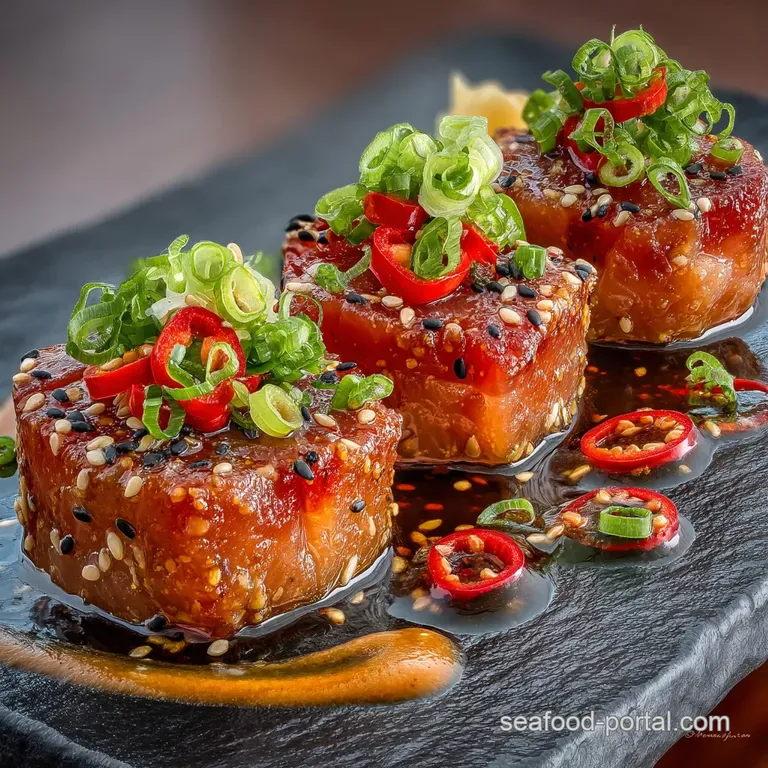
The name "Spicy Tuna" often conjures images of simple, hurried Spicy Tuna Roll preparations from local takeout spots. However, this recipe elevates the concept entirely, moving beyond a mere filling to present a vibrant, Umami rich Ahi tartare that stands proudly as a sophisticated dish in its own right.
While widely popular in Spicy Tuna Sushi Rolls , this mix rooted firmly in the Japanese American culinary scene is engineered for maximum flavor impact and textural brilliance. Unlike complex, multi step Asian dishes, this preparation is surprisingly accessible.
We’re dealing with an "Easy" difficulty recipe that requires zero cooking, relying only on razor sharp freshness, careful ingredient selection, and a swift, 15-minute active preparation time to achieve stellar results.
Why This Homemade Spicy Tuna Beats the Takeout Version
The single biggest difference between commercial versions and our approach to How To Make Spicy Tuna lies in the quality control. When you prepare this dish at home, you dictate the freshness of the foundational ingredient the 8 oz (225 g) of sushi grade Yellowfin Ahi tuna and ensure the perfect balance of seasoning, something mass produced fillings rarely achieve.
Decoding the Perfect Umami Heat Balance
The magic of this mixture is the expertly crafted contrast between creaminess and heat. We achieve a signature flavor profile by blending the rich, savory depth of Japanese mayonnaise with the sharp, fiery kick of Sriracha.
A splash of low-sodium soy sauce or Tamari provides essential salt and Umami, while toasted sesame oil is crucial, delivering a deeply fragrant nuttiness that defines the classic flavor of high-quality Spicy Tuna Sauce .
Three Ways to Serve This Fiery Tuna (Rolls, Bowls, or Tartare)
The incredible versatility of this mixture is one of its greatest assets. While it serves as the ideal, creamy filling for a classic Spicy Tuna Roll Recipe , its high-quality composition means it shines brightly in other formats.
It forms the perfect protein base for a quick, nutritious Spicy Tuna Rice Bowl layered with avocado and cucumber, or can be presented elegantly as a tartare scooped onto crispy vessels.
This versatility explains why it features heavily across modern Spicy Tuna Sushi Recipes .
The 10-Minute Prep Promise
Though the recipe requires a mandatory 30-minute chilling period to allow the flavors to deepen and the fish to firm up (which greatly improves texture), the active preparation time is remarkably short.
Once your workspace is ready and the fish is cubed, combining the sauce ingredients and gently folding the mixture takes barely 15 minutes, making this fiery tuna achievable even on the busiest weeknights.
Essential Components for a Creamy and Spicy Filling
Success in this recipe hinges on the marriage of quality tuna with the precise balance of the binder. The foundation is, of course, the 8 ounces of impeccably fresh, chilled Ahi tuna.
The critical binding agent is 1/4 cup (60 ml) of Japanese Mayonnaise preferably Kewpie which lends a tangier, richer flavor than standard Western varieties. The heat comes primarily from 2 Tbsp (30 ml) of Sriracha, allowing the cook to adjust the spice level immediately.
Flavor enhancers include 1 tablespoon of low-sodium soy sauce for Umami, 1 teaspoon of fragrant toasted sesame oil, a half teaspoon of unseasoned rice vinegar for acidity, and 1 teaspoon of finely minced fresh ginger to cut through the richness.
Finally, thinly sliced spring onions (scallions) are folded in to provide a necessary fresh, aromatic bite.
Related Recipes Worth Trying
- 5Minute Spicy Aioli Sauce Creamy Sriracha Aioli for Fish Tacos — Stop buying jars This 5minute Spicy Aioli Sauce is guaranteed creamy delivering a proper kick Its the perfect dip for chips burgers or delicious Aioli Sauce...
- The Best Tuna Sandwich Recipe Fluffy Crisp Full of Flavour — Ditch the soggy lunch This is the ultimate texturerich Tuna Salad Sandwich Recipe We show you the chefs secret to the perfect crunch and balance Ready in 20...
- Ultimate Crispy LemonHerb Tuna Patties Recipe — The perfect weeknight solution These delicious and healthy tuna patties are panfried to golden Pankocrisp perfection Quick easy and family approved
Preparing Your Workspace: Necessary Kitchen Gear
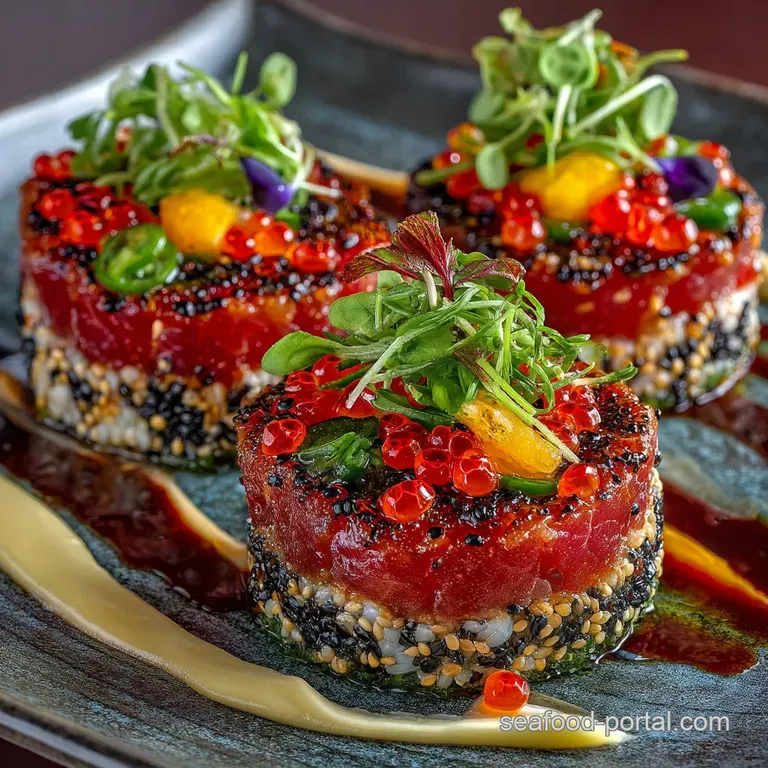
Before starting, ensure you have the necessary tools for precision and safety. A sharp chef’s knife or Santoku knife is essential for clean dicing. Use a sturdy cutting board, and crucially, opt for a medium, non-reactive mixing bowl (stainless steel or glass is ideal) for holding the mixture, as acidity from the vinegar and rice vinegar could interact with aluminum.
A small rubber spatula is the final piece of equipment, used for the gentle folding technique.
Selecting the Freshest Ahi: Quality Checks
When preparing any raw dish, the quality of the primary ingredient is paramount. You must seek out certified sushi grade Ahi (Yellowfin) tuna from a highly reputable fishmonger. Never assume that a standard supermarket fillet is safe for raw consumption.
Ensure the fish is vibrant, firm, and has been kept thoroughly chilled it is easier and safer to cut fish when its temperature is near freezing.
The Secret Sauce: Mayo vs. Kewpie and Flavor Enhancers
While regular mayonnaise will technically work, Japanese Kewpie is truly non-negotiable for achieving authentic texture and flavor. Kewpie contains only egg yolks, not whole eggs, resulting in a creamier, richer emulsion.
Beyond the Sriracha and Kewpie, the nuanced flavor enhancers the fresh minced ginger and the small amount of unseasoned rice vinegar play a pivotal role in lifting the dressing, preventing it from tasting heavy or flat.
Budget Friendly Swaps: Using Canned or Cooked Tuna Safely
If you are unable to source sushi grade fish, or if you prefer a cooked alternative for safety reasons, this recipe adapts beautifully. high-quality, oil-packed canned tuna (thoroughly drained) or quickly seared, chilled salmon can be used in place of raw Ahi.
This allows those hesitant about raw preparations to still enjoy a flavorful Spicy Tuna style mix.
Dicing Techniques for Optimal Texture
The finished texture of this dish relies entirely on consistent dicing. Using a sharp knife and working quickly while the tuna is cold, cut the fillet into uniform 1/4 inch (6 mm) cubes.
Consistency is key because it ensures that every piece is evenly coated in the sauce and provides a delightful, clean bite when served, rather than a mushy texture.
step-by-step Assembly of the Spicy Tuna Mixture
The assembly process is quick but requires attention to detail, particularly in handling the delicate fish. We begin by preparing the tuna: after cubing and lightly seasoning the fish with a pinch of flaky sea salt, place the tuna immediately into the chilled non-reactive bowl and return it to the refrigerator while you make the binder.
Creating the Foundation: Whisking the Dressing Base
In a separate, small bowl, combine all the liquid and aromatic ingredients for the dressing: the Japanese mayonnaise, Sriracha, low-sodium soy sauce, toasted sesame oil, minced ginger, and rice vinegar. Whisk these components together vigorously until the mixture is completely smooth and homogenous.
This creates the foundational flavor of your Spicy Tuna Sauce .
The Gentle Fold: Incorporating the Tuna Without Mushing
Remove the chilled tuna and sauce bowls. First, add the thinly sliced spring onions (and optional diced avocado) directly to the cubed tuna. Then, pour the sauce mixture over the ingredients. Using a rubber spatula, employ a gentle folding motion. It is critical to avoid stirring, smashing, or mashing the fish.
The goal is to carefully coat the cubes with the dressing, ensuring they remain distinct and clean.
The Critical Tasting Phase: Adjusting Heat and Salt
Before folding the sauce into the fish, always taste the dressing base. This is your only safe opportunity to perfectly adjust the heat level with Sriracha or the salinity with a dash more soy sauce.
After the mixture has chilled (the mandatory 30 minutes), give it one final, gentle stir and a quick taste check just before plating to ensure the seasoning is bright and robust.
Elevating Your Experience: Serving and Storage Insights
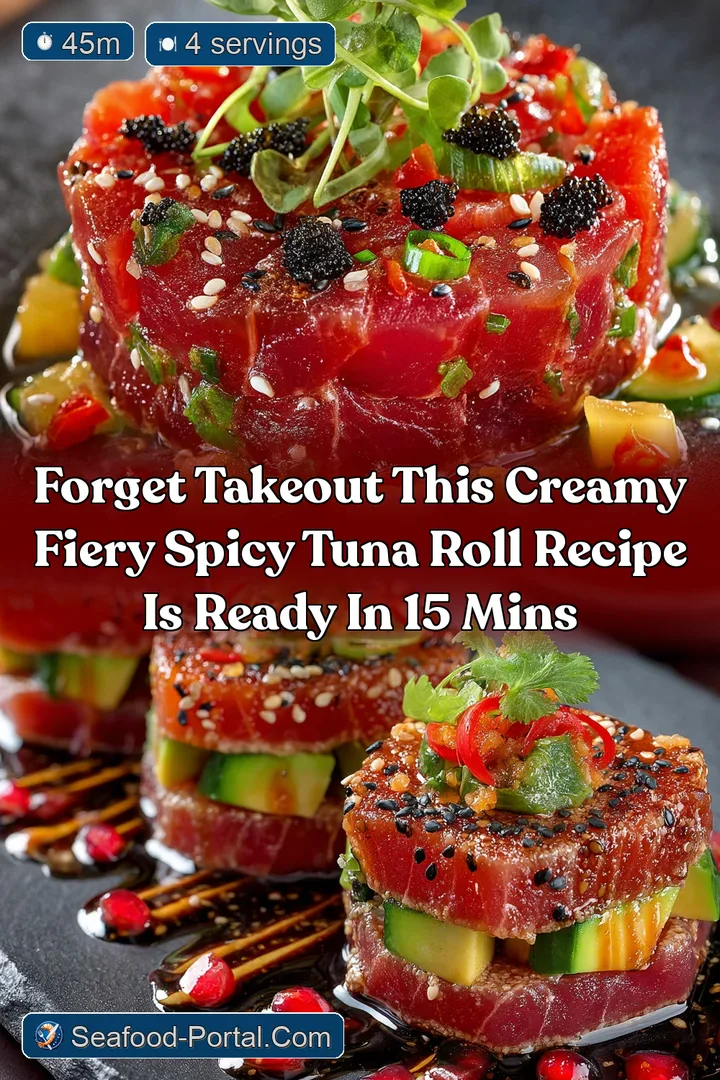
Once the mixture has chilled, the Spicy Tuna is ready for presentation. This tartare looks beautiful when served immediately, garnished simply with toasted black and white sesame seeds.
For a classic application, wrap it into Spicy Tuna Sushi Rolls , or use it as a filling for hand rolls. For a heartier meal, serve it atop warm, vinegared sushi rice alongside fresh avocado slices and thin strips of cucumber.
Next Level Spicy Tuna Variations and Serving Ideas
This recipe is versatile, acting as a canvas for endless creativity, particularly when entertaining or looking to lighten the dish.
Mastering Crispy Rice Cakes: The Perfect Vehicle
One of the most popular modern iterations is Spicy Tuna Crispy Rice . The chilled mixture is the ideal topping for these pan-fried rice squares, offering a rich, cool contrast to the warm, brittle crunch of the rice base.
This presentation requires minimal effort yet results in a dish that looks and tastes straight out of a high end sushi bar.
Safe Storage Guidelines and Shelf Life
Because this recipe uses raw, sushi grade tuna, safe handling and quick consumption are essential. The finished mixture must be covered tightly and stored in the refrigerator, and should ideally be consumed within 24 hours of preparation to ensure optimal safety and freshness.
Do not attempt to freeze the raw mixture, as the texture will be ruined upon thawing.
Pairing Suggestions: What to Serve Alongside the Tartare
To best complement the heat and richness of the tuna, choose beverages that are crisp and slightly acidic. A dry, cold Sake (Nihonshu) or a mineral driven white wine like a dry Riesling or Grüner Veltliner will cut through the richness beautifully.
Alternatively, serve the tartare alongside crisp side dishes like shaved cucumber, fresh cilantro salad, or light prawn crackers.
Calorie Conscious Swaps for a Lighter Dish
If you are aiming for a lighter take on the classic dish, consider the Hawaiian twist. By reducing or eliminating the Japanese mayonnaise and incorporating finely diced ripe avocado instead, you maintain creaminess while increasing healthy fats and fruit content.
Similarly, swapping the traditional soy sauce for Tamari (gluten-free) or Coconut Aminos will substantially reduce the overall sodium content without sacrificing the essential Umami flavor.
Recipe FAQs
Is it safe to eat raw tuna at home, and what does 'sushi grade' actually mean?
Safety first, always! ‘Sushi grade’ isn't a regulated term, but it means the fish has been handled and frozen specifically to eliminate parasites, typically sourced from a trusted fishmonger.
Never risk using standard supermarket fillets that aren't labelled for raw consumption; if you can't guarantee its quality and proper handling, it's far safer to use the cooked alternative mentioned in the recipe notes.
My Homemade Spicy Tuna often turns out mushy. What’s the secret to keeping the cubes firm?
The trick is in the technique you need to be as gentle as a vicar folding laundry! Avoid mashing or over mixing the tuna when you fold in the sauce, as this releases moisture and damages the cell structure of the fish.
Furthermore, the essential 30-minute chilling step helps firm up the mixture and allows the oils to fully coat the cubes, maintaining that perfect, distinct texture.
Can I make this spicy tuna mixture a day ahead, or how long does it keep in the fridge?
Since this dish is raw and relies entirely on freshness, time is ticking! For the absolute best quality and texture, it really must be served the same day it’s prepared, ideally within 4-6 hours of mixing.
If you need a head start, prepare the spicy sauce (Stage 2) up to 24 hours ahead, but only combine it with the cubed tuna just before serving.
I don't like mayonnaise. Can I make this spicy tuna recipe without Kewpie?
Absolutely, though the Kewpie gives that iconic creamy richness! For a lighter, fresher take more like a traditional Hawaiian poke skip the mayo and swap it for finely diced, ripe avocado.
Alternatively, mix the Sriracha directly with a little extra toasted sesame oil and a touch of neutral oil for a clean, non-creamy texture that still carries the fire.
What if I want to turn up the heat or make the dish a little milder?
If you want to turn up the heat, don’t just chuck in more Sriracha; try adding a small amount of finely minced Thai bird’s eye chilli or a sprinkle of Korean Gochugaru flakes for a complex, dry fire.
For a milder finish, simply dial the Sriracha back by half and compensate by adding a bit more rice vinegar and fresh minced ginger to ensure the flavour balance doesn't fall flat.
15minute Spicy Tuna Tartare Recipe
Ingredients:
Instructions:
Nutrition Facts:
| Calories | 2025 kcal |
|---|---|
| Protein | 15.3 g |
| Fat | 123.1 g |
| Carbs | 18.0 g |
| Fiber | 4.8 g |
| Sodium | 2437 mg |
