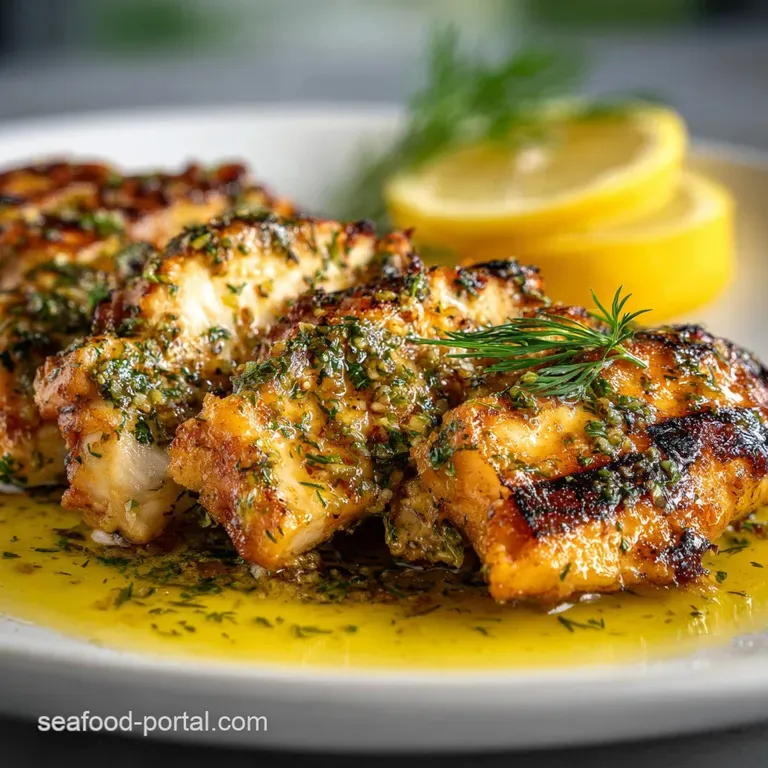
Juicy Flavorful and Easy Zesty Lemon Dill Chicken Marinade
- Time: Active 10 minutes, Passive 30 minutes, Total 40 minutes
- Flavor/Texture Hook: Tangy citrus with a grassy, fresh herb finish
- Perfect for: Quick weeknight grilling or healthy meal prep sessions
- Juicy Flavorful and Easy Zesty Lemon Dill Chicken Marinade
- Essential Prep Stats and Details
- Scientific Reasons for Tender Results
- Component Analysis and Science Role
- Essential Fresh Ingredients and Substitutes
- Required Tools for Prep Success
- Instructions for a Successful Sear
- Solving Common Texture and Flavor
- Creative Variations and Ingredient Swaps
- Proper Storage and Zero Waste
- Excellent Pairings for Brighter Meals
- Expert Advice for Marination Success
- Debunking Marination and Cooking Myths
- Comparison of Cooking Methods
- Recipe FAQs
- 📝 Recipe Card
Juicy Flavorful and Easy Zesty Lemon Dill Chicken Marinade
Imagine pulling a hot Lodge Cast Iron Skillet from the burner and hearing that aggressive sizzle as lemon soaked chicken hits the surface. The air immediately fills with the bright, sharp scent of citrus and the deep, earthy aroma of toasted garlic.
This isn't just another boring grilled breast, it is a bright, summery punch of flavor that works every single time.
This recipe shares a juicy, flavorful, and easy zesty lemon dill chicken marinade. It solves the biggest problem with lean poultry - the dreaded cardboard texture. We are leaning on fresh herbs and a smart balance of pantry staples to make sure every bite is dripping with moisture and tang.
If you have ever felt like your marinated meat tastes great on the outside but bland on the inside, you are in the right place. We are going to fix that with a few simple techniques that I learned after many dry, sad dinners. It is about more than just tossing things in a bag, it is about the chemistry of the soak.
Essential Prep Stats and Details
Before we grab our mixing bowls, we need to look at the numbers. Precision is what separates a soggy mess from a restaurant quality meal. These stats ensure you have the right amount of marinade for the weight of the meat, preventing waste and ensuring full coverage.
- Yield: 6 servings
- Active Prep:10 minutes
- Marination Time:30 minutes (minimum)
- Cook Time:30 minutes
- Total Time:40 minutes (excluding passive soak)
| Metric | Measurement |
|---|---|
| Protein Weight | 2 lbs Chicken Breast |
| Fat Ratio | 1/2 cup Extra Virgin Olive Oil |
| Acid Level | 1/3 cup Lemon Juice + 2 tbsp Vinegar |
| Sugar Balance | 1 tbsp Honey |
Scientific Reasons for Tender Results
Understanding the "why" behind your dinner changes how you cook forever. It stops being a chore and starts being a craft. Here is the lowdown on how these specific ingredients interact with the chicken.
- Acidic Denaturation: The White Wine Vinegar and lemon juice physically unwind the tightly coiled protein strands in the chicken breast.
- Osmotic Balance: Diamond Crystal Kosher Salt draws the citrus infused water into the meat, seasoning it all the way to the bone.
- Emulsification Stability: Whisking the Colavita Extra Virgin Olive Oil with honey creates a thick coating that clings to the surface instead of sliding off.
- Surface Caramelization: The honey provides the necessary sugars for the Maillard reaction, giving you those dark, savory sear marks on the grill.
Component Analysis and Science Role
To truly master this, we have to look at our star players. This isn't just about throwing things together, it's about the roles they play in the bowl.
| Ingredient | Science Role | Pro Secret |
|---|---|---|
| Colavita Olive Oil | Heat Transfer | Use EVOO for the polyphenols that help form a crust. |
| Fresh Lemon Juice | Fiber Tenderizer | Squeeze fresh to keep the volatile oils active. |
| Fresh Dill | Aromatic Infusion | Bruise the herbs with your knife to release oils. |
| Honey | Moisture Retention | It acts as a humectant, keeping the meat succulent. |
Essential Fresh Ingredients and Substitutes
You want to use the best possible versions of these items. If you are out of something, do not panic. Most of these have easy swaps that keep the spirit of the dish alive without ruining the chemistry.
- 2 lbs chicken breast: The lean base for our flavors.
- 1/2 cup Extra Virgin Olive Oil: Provides the rich mouthfeel. Why this? It carries fat soluble flavors from the garlic and herbs into the meat.
- 1/3 cup Freshly Squeezed Lemon Juice: The primary tenderizer.
- 2 tbsp White Wine Vinegar: Adds a sharper, fermented tang.
- 3 tbsp Fresh Dill, finely chopped: The signature herb profile. Why this? Fresh dill has a grassy, anise like sweetness that dried herbs lack.
- 2 tbsp Lemon Zest: Contains the essential oils for high impact aroma.
- 4 cloves Garlic, smashed and minced: The savory backbone.
- 1 tbsp Honey: Balances the sharp acidity of the citrus.
- 1 tsp Kosher Salt: For essential seasoning and moisture draw.
- 1/2 tsp Freshly Cracked Black Pepper: For a subtle, woody heat.
- 1/2 tsp Red Pepper Flakes: Just enough kick to wake up the palate.
| Original Ingredient | Substitute | Why It Works |
|---|---|---|
| White Wine Vinegar | Apple Cider Vinegar | Similar acidity but adds a slight fruity note. |
| Fresh Dill | Fresh Tarragon | Different flavor profile but similar herbal intensity. |
| Honey | Agave Nectar | Same sugar density, thinner consistency, vegan friendly. |
| Chicken Breast | Chicken Thighs | Higher fat content. Note: Needs 10 mins more cook time. |
Required Tools for Prep Success
You do not need a fancy kitchen for this, but specific tools make the job easier. I always reach for my KitchenAid glass mixing bowls because they do not react with the acid in the lemon juice. Metal can sometimes leave a tinny taste if the marinade sits too long.
- Lodge Cast Iron Skillet: For that heavy duty sear.
- Microplane Zester: To get the zest without the bitter white pith.
- Chef's Knife: A sharp blade is essential for finely chopping that dill.
- Large Zipper Bag: Best for ensuring the chicken is fully submerged.
- Meat Mallet: Optional, but great for evening out the thickness of the breasts.
Instructions for a Successful Sear
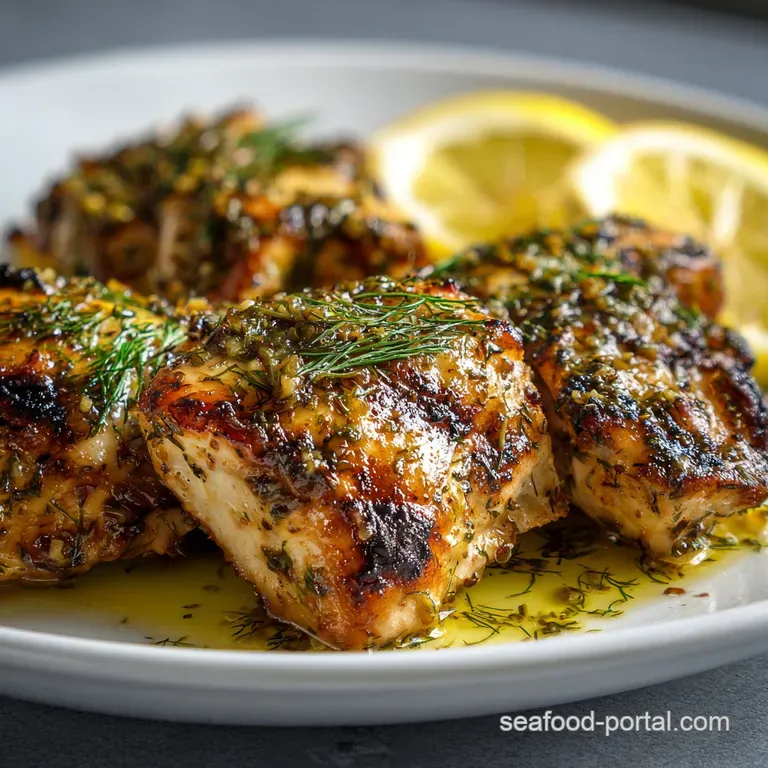
Getting this right involves a bit of sensory awareness. Listen for the sizzle and watch for the color changes.
- Prep chicken. Pat the 2 lbs chicken breast dry with paper towels. Note: Dry meat sears better than wet meat.
- Flatten meat. Use a mallet to pound the chicken to an even 1/2 inch thickness.
- Zest lemon. Grate 2 tbsp Lemon Zest into a small bowl. until you smell the bright citrus spray.
- Mix liquids. Whisk 1/2 cup EVOO, 1/3 cup Lemon Juice, 2 tbsp White Wine Vinegar, and 1 tbsp Honey.
- Add aromatics. Stir in 3 tbsp Fresh Dill, 4 cloves Garlic, 1 tsp Kosher Salt, 1/2 tsp Pepper, and 1/2 tsp Red Pepper Flakes.
- Combine all. Place chicken and marinade in a large bag.
- Massage bag. Squeeze the air out and massage the bag to coat every inch.
- Chill meat. Refrigerate for 30 minutes. Note: Going over 4 hours can make the texture mushy.
- Heat skillet. Get your pan shimmering hot over medium high heat.
- Cook chicken. Sear for 6-7 minutes per side until the crust is golden and the center reaches 165°F.
Chef's Note: Always let the chicken rest for 5 minutes after cooking. This allows the juices to redistribute so they don't run out all over your cutting board.
Solving Common Texture and Flavor
Even the best cooks run into hiccups. If things do not look or taste quite right, it is usually a simple fix involving heat or balance.
Fixing Dry Chicken Texture
If the meat feels like rubber, you likely overcooked it or skipped the flattening step. Uneven thickness means the skinny end dries out while the thick end is still raw. Always use a thermometer to hit exactly 165°F.
Balancing Excessive Lemon Tartness
Sometimes lemons are extra sour. If the marinade tastes like a battery, add another teaspoon of honey. The sugar counteracts the perception of acid without diluting the flavor.
Resolving Weak Herb Presence
Fresh herbs lose their punch if they are old. If you cannot taste the dill, add a fresh sprinkle right before serving. The heat of the cooked chicken will wake up the raw herbs instantly.
| Problem | Cause | Fix | Pro Tip |
|---|---|---|---|
| Tough Meat | Over marinating | Keep soak under 4 hours. | Acid "cooks" protein over time. |
| No Sear | Pan too cold | Wait for oil to shimmer. | Use a heavy cast iron pan. |
| Pale Color | Not enough honey | Add 1/2 tsp extra honey. | Sugars are key for browning. |
Creative Variations and Ingredient Swaps
I love playing with the foundation of this recipe. If you want a different vibe, you can easily pivot. For instance, if you are looking for a seafood twist, this profile works beautifully as a Creamy Sauce for Salmon recipe variation.
Using Creamy Dairy Bases
Instead of just oil and vinegar, whisk in 1/4 cup of Greek yogurt. This creates a "tandori" style crust that is incredibly tender. The lactic acid in the yogurt is gentler than the citric acid in the lemons.
Switching the Herb Profile
Not a fan of dill? Swap it for fresh cilantro and lime juice for a Mexican inspired version. You can also use rosemary and lemon for a more Mediterranean, earthy flavor that pairs well with roasted potatoes.
Marinating Shellfish and Finfish
This marinade is excellent for shrimp or white fish. However, you must reduce the marination time. Fish is delicate, so 15 minutes is the absolute max before the acid begins to turn the flesh opaque and grainy.
Proper Storage and Zero Waste
Don't let those leftovers go to waste. This chicken is actually better the next day in a cold salad.
- Storage: Keep cooked chicken in an airtight container in the fridge for up to 4 days.
- Freezing: You can freeze the raw chicken in the marinade. It will marinate as it thaws in the fridge. It stays good for 3 months.
- Zero Waste: Don't toss the lemon rinds. Throw them into a jar of white vinegar to make a natural countertop cleaner, or put them down the garbage disposal to freshen the drain. If you have extra dill stems, freeze them to throw into your next batch of vegetable stock.
Excellent Pairings for Brighter Meals
This chicken is a superstar, but it needs a supporting cast. I usually go for light, vibrant sides that don't compete with the lemon.
A simple cucumber and feta salad is a classic choice. The cooling crunch of the cucumber balances the zesty heat of the red pepper flakes. If you're feeling fancy, serving this alongside a Bbq Seafood Sauces recipe spread makes for a killer Mediterranean feast.
If you want something heartier, try a lemon butter orzo or some grilled asparagus. The charred tips of the asparagus echo the smoky notes of the seared chicken. For a fast weeknight meal, I just slice the chicken and throw it over a bed of mixed greens with a drizzle of the leftover (boiled) marinade as a dressing.
Expert Advice for Marination Success
There are a lot of old wives' tales about marinating. Let's stick to what actually works in a real kitchen.
Fresh vs Dried Herb Performance
Dried dill is about three times more potent than fresh in terms of concentrated flavor, but it lacks the "green" notes. If you must use dried, use only 1 tablespoon. But honestly, for this specific recipe, the fresh stuff is what makes it sing.
Visual Cues for Doneness
Don't just watch the clock. Look for the "beading" of juices on the top of the chicken. When you see clear liquid starting to pool on the uncooked side, it is time to flip. The meat should feel firm like the tip of your nose when pressed.
Alternatives for Meat Mallets
If you don't have a mallet, use the bottom of a heavy skillet or even a rolling pin. Place the chicken between two sheets of plastic wrap first to avoid a mess. The goal is even thickness, not total destruction of the meat.
Science of Garlic Discoloration
Sometimes garlic turns blue or green when it hits the lemon juice. Don't freak out! This is just a reaction between the sulfur in the garlic and the acid in the lemons. It is perfectly safe to eat and doesn't change the flavor at all.
Repurposing Leftover Marinade Safely
Never, ever use the raw marinade as a sauce unless you boil it first. If you want to use it as a glaze, put it in a small saucepan and bring it to a rolling boil for at least 5 minutes. This kills any bacteria from the raw chicken and thickens it into a velvety syrup.
If you're in the mood for a more complex meal, you can see How to Create recipe ideas for a seafood medley that uses similar aromatic principles.
Debunking Marination and Cooking Myths
- Myth: Marinating for 24 hours makes it more tender.
- Truth: Over marinating in acid actually toughens the outer layer of the meat, creating a mealy texture. Stick to the 30 minute to 4 hour window for the best results.
- Myth: You need to poke holes in the chicken to let the marinade in.
- Truth: This actually lets the juices escape during cooking. The marinade works through osmosis and surface contact; you don't need to stab your dinner.
- Myth: Salt dries out the meat.
- Truth: In a marinade, salt helps the muscle fibers swell and absorb more liquid, actually making the final result much juicier.
Comparison of Cooking Methods
| Method | Texture Result | Time |
|---|---|---|
| Fast (Cast Iron) | Charred crust, juicy interior | 15 minutes |
| Classic (Grill) | Smoky, firm, distinct lines | 20 minutes |
| Oven (Bake) | Soft, consistent, less crust | 30 minutes |
If you want a crispy exterior, use the Cast Iron method. If you want maximum smoke flavor, use the Outdoor Grill. If you want hands off cooking, use the Oven at 400°F.

Recipe FAQs
What does lemon juice do to chicken marinade?
Yes, it tenderizes significantly. Lemon juice contains citric acid which denatures the tough protein strands in the chicken, making it softer and more receptive to absorbing the surrounding flavors.
Can dill be used to marinate chicken?
Yes, fresh dill is highly recommended. Fresh dill releases essential oils quickly into the marinade, providing that characteristic bright, grassy flavor we want in this zesty profile.
How to make chicken marinade juicy?
Use a proper fat-to-acid ratio and include a humectant. The oil helps distribute flavor and prevents the surface from drying out, while honey acts as a humectant to lock moisture inside the meat.
How long can you leave chicken marinating in lemon?
No more than 4 hours for optimal texture. The acid will begin to break down the proteins too much after this point, resulting in a tough, mealy texture rather than a tender one.
Can I substitute dried dill for fresh dill?
Yes, but reduce the quantity substantially. Dried herbs are much more concentrated, so use only one-third the amount of fresh dill specified to avoid overwhelming the sauce's balance.
Is it safe to boil the leftover marinade for a sauce?
Yes, boiling it for five minutes makes it safe. Bringing the marinade to a rolling boil kills any potential bacteria introduced by the raw chicken, allowing you to reduce it into a safe, flavorful glaze.
What technique should I remember for a great sear?
Ensure your cooking surface is shimmering hot before adding the meat. Mastering surface temperature control is crucial for developing the Maillard reaction crust you need; if you enjoyed learning about heat application here, see how the same principle works when you grill delicate sea bass.
Zesty Lemon Dill Chicken Marinade
Ingredients:
Instructions:
Nutrition Facts:
| Calories | 338 kcal |
|---|---|
| Protein | 46.2 g |
| Fat | 15.8 g |
| Carbs | 2.9 g |
| Fiber | 0.2 g |
| Sugar | 1.8 g |
| Sodium | 425 mg |
