Tiger Shrimp: Zesty Garlic Butter Prawns in Minutes
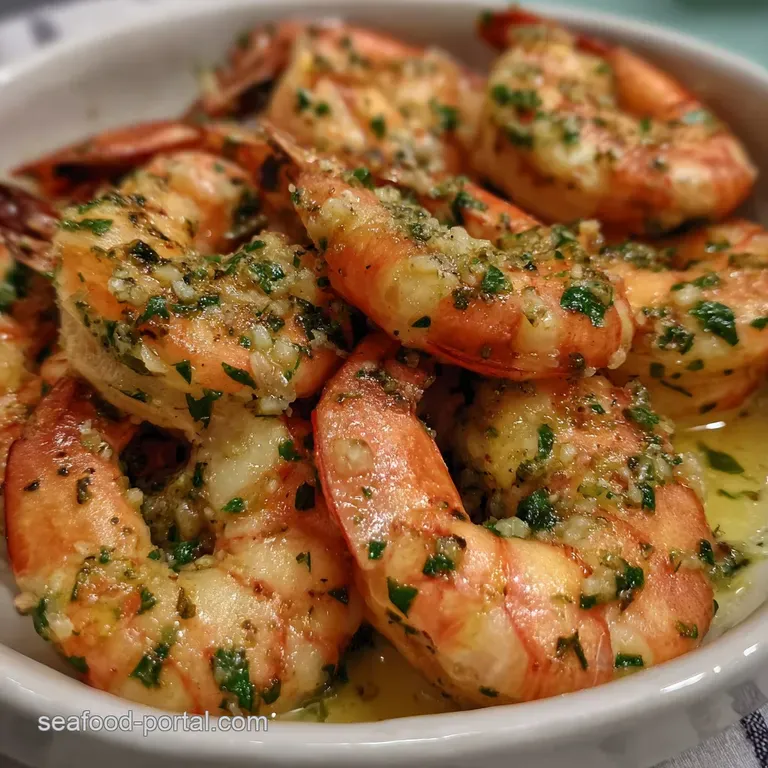
- Unlocking the Flavor: Why Tiger Prawns Demand the Zesty Garlic Treatment
- The Science of Speed: Why 20 Minutes Yields Restaurant-Quality Tiger Shrimp
- Essential Components for Zesty Garlic Butter Prawns
- Master the Technique: Step-by-Step for Perfectly Seared Prawns
- Pro Secrets and Common Pitfalls to Avoid
- The Perfect Plate: What to Serve Alongside Your Zesty Tiger Shrimp
- Maximizing Freshness: Handling Leftover Garlic Prawns
- Recipe FAQs
- 📝 Recipe Card
Unlocking the Flavor: Why Tiger Prawns Demand the Zesty Garlic Treatment
Listen up, because this is my secret weapon for flexing in the kitchen without actually spending all night cooking. That incredible aroma, the sharp scent of lemon zest hitting scorching hot garlic butter, is exactly what we are chasing.
When you bite into one of these plump, juicy Tiger Shrimp , they snap back with that perfect, meaty resistance. They truly are the king of the sea when prepared correctly.
We all have those nights where time is the enemy, right? This entire zesty garlic butter shrimp dinner is honestly ready in less than 20 minutes. It feels expensive and indulgent, yet uses simple pantry staples you probably already have stashed away.
It's my go-to when I want restaurant quality flavor but only have time for a quick shrimp weeknight dinner.
So, forget the lengthy marinades and complicated sauces. This Tiger Shrimp recipe focuses entirely on flawless technique and maximizing the natural sweet flavor of the prawns themselves. We are going straight to the searing heat and luxurious fat, ensuring every bite is a triumph.
Let’s crack on and make some absolute magic.
The Science of Speed: Why 20 Minutes Yields Restaurant Quality Tiger Shrimp
The Meaty Difference: What Sets Tiger Prawns Apart
The reason this recipe starts with Tiger Prawns is simple: size matters here. These aren't those tiny salad shrimp that disappear the moment they touch the heat. Tiger Shrimp (or Tiger Prawns, as some call them) are robust, large, and hold their shape beautifully through intense sautéing.
They offer a density and a slightly sweet flavor that cheaper varieties just can't match. Their substantial size means they are less likely to overcook and turn rubbery during the quick process.
What Makes This the Ultimate Fuss Free Weeknight Meal
The beauty of this dish lies in its efficiency. It’s a one-pan wonder! Everything the searing, the sauce building, and the flavor infusion happens right there in your trusty skillet. You don't need to dirty extra bowls or pre-cook components.
This streamlined process ensures maximum flavor transfer with minimal cleanup time.
The Simple Flavor Profile Breakdown (Butter, Lemon, and Cracked Pepper)
We are dealing with a trifecta of flavor excellence here. Unsalted butter provides the creamy, rich base and the perfect medium for searing. Fresh lemon juice and zest cut through that richness with necessary acidity and brightness.
And finally, that coarse cracked black pepper gives a lovely, complex texture and subtle heat that complements the sweetness of the Tiger Shrimp perfectly.
Maillard Reaction Magic: Achieving the Perfect Sear
When cooking these prawns, we aren’t just heating them up; we are searing them. The Maillard reaction is that glorious scientific process where proteins and sugars caramelize under high heat, creating those gorgeous golden pink spots on the surface of the shrimp.
That beautiful crust adds depth and prevents the shrimp from tasting bland or boiled. Achieving this sear is non-negotiable for superior flavor.
Why Low-Moisture Butter is Crucial for Sautéing
If you add too much regular butter at the start, its high water content will immediately cool your pan and begin steaming the shrimp. Steaming equals rubber. To combat this, we use a mix of olive oil (high smoke point) and a small amount of butter initially.
The trick: The bulk of the butter goes in off the heat at the very end.
Balancing Acidity and Fat for the 'Zesty' Finish
The final step adding the cold butter and fresh lemon juice to the slightly cooled pan is what makes this zesty garlic butter shrimp recipe truly sing. The cold butter emulsifies with the hot wine and lemon juice, creating a stable, luscious sauce that clings beautifully to the Tiger Shrimp .
This prevents the sauce from separating into an oily mess.
Essential Components for Zesty Garlic Butter Prawns
Sourcing the Best: Frozen vs. Fresh Tiger Prawns
Unless you live right on the coast and know your fisherman personally, buy the frozen ones! high-quality Tiger Shrimp are flash frozen right on the boat, locking in peak freshness. The "fresh" shrimp you see sitting on ice at the supermarket were likely thawed days ago.
Crucial Tip: Always thaw them quickly under cold running water right before use, and then pat, pat, pat them dry. Moisture is the enemy of the sear!
Detailed Ingredient Checklist: Beyond the Basics (Garlic, Lemon, Butter)
We want to enhance the natural flavor, not mask it.
- Jumbo Tiger Shrimp: Peeled and deveined, tails on for presentation, please!
- Unsalted Butter: Controls the sodium level.
- Fresh Garlic: Use freshly minced garlic, not jarred. The flavor difference is monumental.
- Cracked Black Pepper: Don't skimp; the coarse texture is important.
- Dry White Wine: Sauvignon Blanc or Pinot Grigio adds depth and helps deglaze.
- Fresh Lemon: Zest and juice we use both!
Smart Swaps: If You're Out of Unsalted Butter or Fresh Citrus
| Missing Ingredient | Viable Substitution | Quick Tip/Adjustment |
|---|---|---|
| Unsalted Butter | Ghee or clarified butter | Ghee has less water, so use slightly less olive oil at the start. |
| Dry White Wine | Chicken stock or vegetable stock | For extra zest, add a splash of apple cider vinegar to the stock. |
| Fresh Lemon | Bottled lime juice + dried lemon zest | Only use bottled lemon juice if you absolutely must; the flavor won't be as bright. |
Master the Technique: step-by-step for Perfectly Seared Prawns
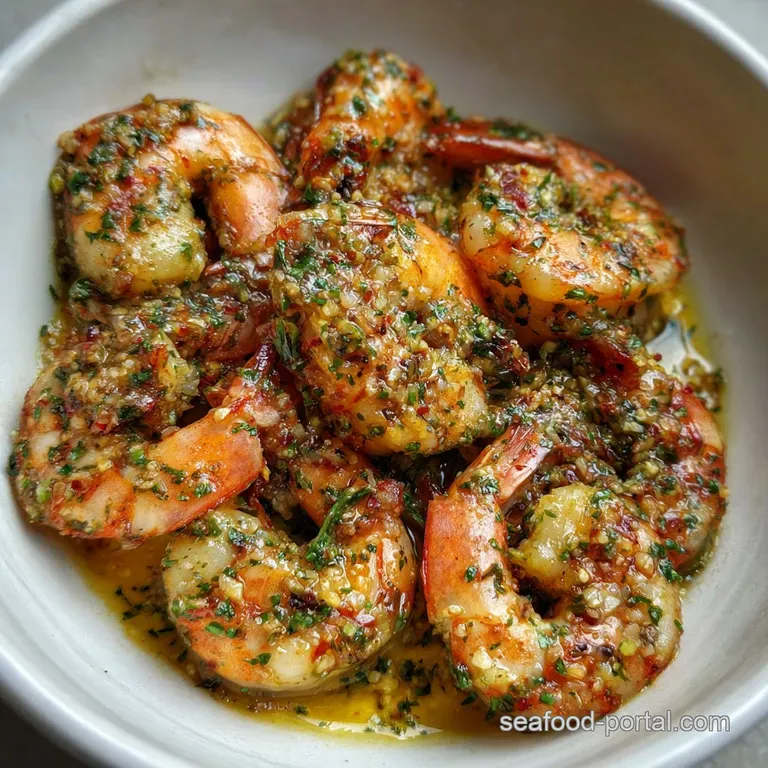
Prepping the Tiger Prawns (Shelling and Deveining Guide)
First, ensure your Tiger Prawns are completely thawed. Next, the pat-down process is mandatory. Lay them on paper towels and press firmly until they feel bone dry. This is what guarantees that beautiful sear instead of a sad, soggy steam bath.
Season them aggressively with salt, pepper, and that initial lemon zest.
High Heat Sautéing: Timing is Everything for Non-Rubbery Shrimp
Get your pan screaming hot over medium high heat. Add the oil and initial portion of butter; when the foam subsides and the pan is shimmering, it’s ready. Add the Tiger Shrimp in a single layer.
You must listen for that fierce sizzle if you hear a gentle hiss, your pan isn't hot enough. Sear for 2 to 3 minutes, then flip them using tongs.
Building the Zesty Butter Sauce Directly in the Pan
Once the prawns are flipped and about 75% pink, push them aside and add your minced garlic and chili flakes to the hottest part of the pan. Sauté for about 30 seconds until the garlic smells intoxicatingly sweet and nutty. Do not let it burn!
Add the white wine and scrape up all those flavorful, browned bits stuck to the bottom of the pan (that’s the fond, and it's pure gold). Let the wine bubble and reduce quickly.
Final Toss, Seasoning Check, and Plating
Remove the pan completely from the heat source. This stops the cooking instantly. Now, quickly stir in the remaining cold butter and the reserved fresh lemon juice. Swirl the pan until the butter melts and the sauce thickens into a glossy, beautiful emulsion.
Toss the Tiger Shrimp to coat them in the zesty sauce. Taste for final seasoning. Transfer immediately to warm serving bowls and shower them with fresh parsley.
Chef’s Note: The ideal shape for perfectly cooked shrimp is a gentle ‘C’. If they curl up tightly into an ‘O’, they have cooked too long and will be chewy.
Pro Secrets and Common Pitfalls to Avoid
The Danger of Overcooking (The Rubbery Texture Warning)
This is the number one failure point in any shrimp recipe, including this Tiger Shrimp recipe. Shrimp cook incredibly fast. From transparent gray to opaque pink, it only takes 4 to 6 minutes total. The moment they turn pink and curl slightly, they are done.
Err on the side of undercooking, as they will continue to cook slightly from residual heat once removed from the stove.
Ensuring Your Pan is Hot Enough (Avoiding Steaming)
If you crowd the pan or if the heat is too low, the temperature will drop, and the moisture released by the prawns will accumulate. This results in steaming, not searing. Fix: Use a large enough skillet to accommodate all the shrimp in a single layer, or cook them in two smaller batches.
Amplifying the Garlic Flavor (Crushing vs. Chopping)
For a smoother garlic flavor that melds into the butter, mince it finely. But if you want a bolder, sharper garlic hit, crush the cloves slightly with the flat side of your knife and roughly chop them. The rougher the chop, the more surface area for flavor release!
The Perfect Plate: What to Serve Alongside Your Zesty Tiger Shrimp
Carbohydrate Pairings that Soak Up the Sauce
You absolutely need something to absorb that amazing zesty garlic butter! Crusty bread is the simplest choice for dipping, but I adore serving this over creamy starches. If you want to go all-out comfort food, serve these prawns over the creamiest [Shrimp And Grits: Creamy Cheddar Smoky Bacon Recipe].
The grits are a perfect canvas for the sharp lemon sauce. Alternatively, simple jasmine rice is always a winner.
Ideal Green Vegetable Sides and Salads
Because the main dish is so rich, pair it with something fresh and slightly bitter. Blistered green beans or asparagus, seasoned lightly with salt and pepper, provide excellent texture contrast. A sharp arugula salad, dressed with only olive oil and vinegar, also balances the intensity of the butter beautifully.
Beverage Recommendations for Citrus Heavy Dishes
A high acid, dry white wine is non-negotiable here. A crisp Pinot Grigio, a Muscadet, or even a bone dry rosé handles the lemon perfectly. If you are serving this grilled Tiger Shrimp recipe outdoors, a pale ale or a crisp lager is a fantastic, refreshing choice.
Maximizing Freshness: Handling Leftover Garlic Prawns
You rarely have leftovers of this particular dish, but if you do, handle them carefully! Cooked shrimp should be stored in an airtight container in the refrigerator and consumed within 3 days. Do not try to freeze cooked seafood; the texture becomes horribly spongy upon thawing.
When reheating, avoid the microwave if possible, as that guarantees rubbery results. The best way to refresh your beautiful Tiger Shrimp is to gently toss them in a small, non-stick pan over medium low heat with an extra teaspoon of fresh butter, just until warmed through (about 2 minutes).
That extra butter helps re-moisten them. This Tiger Shrimp recipe is so fast, however, that I always recommend just cooking exactly what you plan to eat! Enjoy the crunch and the zest.
Recipe FAQs
Why did my Tiger Prawns come out rubbery and tough?
The primary reason for rubbery shrimp is overcooking. Shrimp cooks very quickly, typically needing only 3 to 4 minutes total cook time over high heat.
Remove them from the pan immediately once they curl into a loose 'C' shape and the flesh turns fully opaque white with pink edges.
Can I use frozen Tiger Shrimp for this recipe?
Yes, frozen shrimp works perfectly, but proper thawing is crucial. Thaw them overnight in the refrigerator or rapidly under cold running water.
Ensure the shrimp are completely patted dry with paper towels before hitting the pan; excess moisture will steam the shrimp instead of searing them, preventing that beautiful golden crust.
How should I store leftover Zesty Garlic Butter Prawns?
Store any leftovers in an airtight container in the refrigerator and consume them within 3 days. Shrimp should never be kept at room temperature for longer than two hours.
For reheating, gently sauté them in a warm (not hot) pan for about 60 seconds, or use a low-power setting in the microwave to prevent them from becoming overly dry or tough.
Why did my garlic butter sauce separate or "break" after adding the lemon juice?
Sauce separation occurs when the fat (butter) is introduced to the acid (lemon juice) at too high a temperature, causing the emulsion to split. Reduce the heat to medium low or remove the pan from the burner before mixing in the lemon juice.
To potentially fix a broken sauce, quickly whisk in a very small amount of cold water or drop in a fresh, cold knob of butter while stirring vigorously off the heat.
Is it necessary to devein Tiger Prawns, or can I skip that step?
While skipping the step won't harm you, deveining is highly recommended, especially for large shrimp varieties like Tiger Prawns. The vein is the digestive tract and can contain grit or sand that negatively affects the texture and flavor.
Make a shallow slit along the back curve of the shrimp and use a toothpick or small knife tip to gently lift and pull out the dark string before rinsing.
Can I make this dish spicy, and what adjustments should I make?
Yes, this recipe takes well to heat. Add half a teaspoon of red pepper flakes into the pan when you are sautéing the garlic to ensure the spice infuses deeply into the butter.
For a sharper heat, finish the dish with a drizzle of your favorite hot chili oil or a small pinch of cayenne pepper sprinkled over the finished prawns.
What are the best side dishes to serve with these zesty prawns?
These prawns are excellent served simply over a bed of linguine or white rice, allowing the garlicky sauce to dress the side dish.
Alternatively, serve them alongside a crisp, lightly dressed green salad or with crusty artisan bread for dipping and soaking up every last bit of that luscious garlic butter.
Zesty Garlic Butter Tiger Prawns
Ingredients:
Instructions:
Nutrition Facts:
| Calories | 281 kcal |
|---|---|
| Protein | 15.3 g |
| Fat | 17.1 g |
| Carbs | 11.6 g |
