Tuna Poke Bowl: Masterclass in Ultimate Flavor
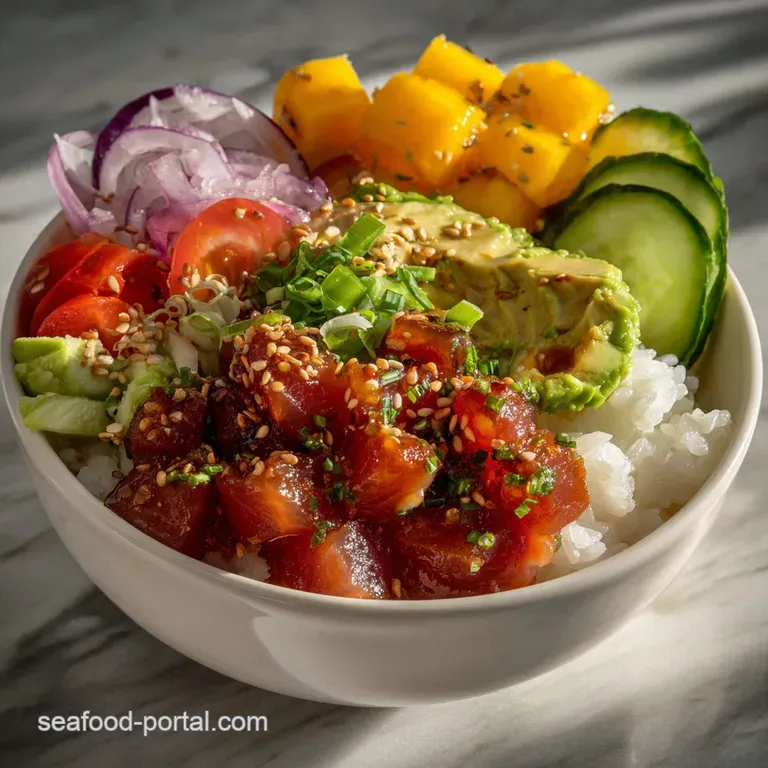
- The Proper Poke: A Masterclass in Making the Ultimate Tuna Bowl
- Getting to the Core of the Ultimate Tuna Bowl Experience
- Essential Components: Sourcing the Best Ingredients for Your Poke
- Step-by-Step Guide: Crafting the Ultimate Tuna Poke
- Troubleshooting and Pro Tips for Flawless Poke
- Making Ahead and Storage: Keeping Your Poke Fresh
- Perfect Pairings: What to Serve Alongside Your Bowl
- Recipe FAQs
- 📝 Recipe Card
The Proper Poke: A Masterclass in Making the Ultimate Tuna Bowl
When that perfect bite hits you know, the one where the warm, slightly sticky sushi rice meets a cube of impossibly cold, silky tuna, all coated in a sharp, nutty marinade that’s the moment I live for.
It’s a riot of textures and temperatures, a dish that smells bright with ginger and lime, and feels incredibly clean and satisfying in the mouth. This isn't just salad; it’s an experience.
Look, ordering a proper Tuna Poke Bowl at a fancy shop can easily cost you twenty bucks, maybe more. But honestly, making this dish at home is so unbelievably fast and cost effective once you nail the basics, and the freshness is unmatched.
It feels gourmet, yet requires zero cooking besides the rice, making it my go-to when I’m craving something quick but still elegant enough for company. We’re talking about a dinner that requires 20 minutes of active work and yields absolutely spectacular results.
I've messed up the rice, I've used bad tuna, and I've marinated too long (oops!). I’m here to save you those headaches. We are going to build the perfect Tuna Poke Bowl from the ground up, focusing on authentic flavour and the right textures.
This is the simple, foolproof guide for your best Tuna Poke Bowl ever.
Getting to the Core of the Ultimate Tuna Bowl Experience
The secret weapon here isn't a complex technique; it's the rapid marination combined with high-quality ingredients. Most people just dump the sauce on and serve immediately, but you need time for the tuna to soak up the umami punch while remaining beautifully raw and tender.
This controlled marination is what sets this specific Tuna Poke Bowl recipe apart.
The True Hawaiian Origin and Meaning of Pōke
Pōke isn’t some trendy invention; it’s a deep rooted Hawaiian staple. The word pōke simply means "to slice or cut crosswise into pieces." Historically, fishermen would season small cuts of reef fish right on the boat.
This authentic method demands respect for the fish itself, meaning minimal interference and maximum flavor from the freshest sources. When you understand the simplicity, you appreciate why our modern poke bowl works so well.
Why Quality Sashimi Grade Tuna Is Non-Negotiable
Seriously, don't skimp here. This is raw fish, folks. You absolutely must use sashimi grade Ahi (yellowfin) tuna from a trusted source. If your fishmonger gives you vague answers about freezing or sourcing, walk away.
The texture should be firm, translucent, and vibrant red, smelling faintly of the ocean not "fishy." If you’re making a magnificent Tuna Poke Bowl , the tuna is 80% of the game.
Decoding the Elements of a Spectacular Bowl
Every successful poke bowl is a masterclass in balance. You need the base (warm, sticky rice), the protein (cold, marinated tuna), the dressing (acidic and umami rich), and the crunch (cucumber, nuts, roe).
Neglect any one element, and the whole dish collapses. We are striving for textural harmony in every bite of this sushi inspired bowl.
Achieving Perfect Umami Balance in the Dressing
The marinade is simple, but every component plays a role. Soy sauce provides the deep umami and saltiness, while toasted sesame oil brings an incredible, complex nutty richness. Adding a little rice vinegar cuts through the richness, preventing the sauce from becoming heavy.
Ginger and garlic brighten the whole thing up, creating a complex, addictive flavor profile for our Tuna Poke Bowl sauce.
The Crucial Role of Properly Cooked Sushi Rice
I cannot stress this enough: bad rice ruins the whole meal. It should be slightly sweet, vinegary, glossy, and sticky enough that it clumps softly without being gummy. It’s the essential cushion for the perfectly dressed poke.
Getting that rice right is the biggest hurdle in perfecting any homemade Tuna Poke Bowl .
Marinade Time: Maximizing Flavor Absorption Without Over Curing
We are talking about a quick soak here, maybe 30 to 45 minutes, tops. If you leave the tuna swimming in the soy sauce and acid for too long say, overnight the tuna will start to cure.
It will turn opaque around the edges and become firm and chalky, losing that gorgeous, fresh, buttery texture. Quick chilling is key to the best Tuna Poke Bowl .
Essential Components: Sourcing the Best Ingredients for Your Poke
Selecting and Preparing Sashimi Grade Ahi Tuna
When buying the fish, look for a solid block rather than pre-cut pieces, if possible. Cut the tuna right before marinating, using a very sharp knife to achieve clean, uniform cubes. This matters for consistency and proper marination. If Ahi is completely unavailable, you can check out my recipe for Ahi Tuna Poke: Easy Hawaiian Recipe in Under 45 Minutes for more insight on selection.
| Ingredient | Why it's Essential | Substitution Note |
|---|---|---|
| Sashimi Grade Ahi Tuna | Silky texture, clean flavor | high-quality salmon (sashimi grade) |
| Toasted Sesame Oil | Deep nutty aroma, essential flavor | A neutral oil (canola) + a dash of tahini (be cautious) |
| Fresh Ginger | Sharp, essential brightness | Skip it, but your depth of flavor will suffer dramatically |
Building the Classic Soy-Sesame Marinade Base
The foundation of any great Tuna Poke Bowl dressing relies on the triad of soy, sesame, and acid. Use high-quality soy sauce, or opt for a low-sodium version since we use a fair amount. Remember to whisk the sauce vigorously to emulsify the oils and seasonings slightly before adding the tuna.
You want everything fully integrated for maximum coating power when making this specific Tuna Poke Bowl .
Optimal Toppings for Crunch and Acidity (Avocado, Onion, Roe)
Toppings aren't just decorative; they provide crucial contrast to the soft tuna and rice. Avocado adds creamy richness. Thinly sliced onions (like Maui or sweet white onion) provide necessary bite and acidity. Cucumber offers cool crispness.
For a real pop of color and texture, don't forget the crispy Nori strips and maybe a sprinkle of vibrant fish roe. These elements make the experience of eating your Tuna Poke Bowl better. We are aiming for the ultimate textural journey in every bite of this sushi inspired bowl.
Base Layer Breakdown: Mastering the Perfect Sushi Rice
Rinsing the rice until the water runs completely clear takes discipline, but it is the non-negotiable step to avoid gluey starch. After cooking, the key is the gentle folding of the rice vinegar mixture.
You must slice it into the rice, almost like you’re chopping vegetables, rather than stirring it vigorously like soup. Stirring crushes the grains and turns them into paste. That’s a mistake I made way back when, resulting in a disastrously sticky and gooey base for my first attempt at a Tuna Poke Bowl .
step-by-step Guide: Crafting the Ultimate Tuna Poke

Let’s crack on with the recipe now that the rice is cooling down properly. Remember, efficiency is key, so have everything chopped and ready before the tuna touches the sauce. This ensures you respect that short marinating window.
Prep Phase: Dicing the Tuna and Preparing the Aromatics
Start by mincing your garlic and grating your ginger. A microplane works perfectly here, giving you a smooth paste rather than chewy strings. Next, dice the cold, firm tuna into beautiful, even cubes aim for ½ inch, no bigger. Uniformity means the marinade penetrates evenly.
When preparing this essential component of your Tuna Poke Bowl , clean cuts are vital.
Whisking and Combining the Dressing Components
In a non-metal bowl, whisk together the soy sauce, toasted sesame oil, rice vinegar, sriracha, ginger, garlic, and sesame seeds. Give it a proper whisk until the mixture looks slightly homogenous. Now is the time to taste the marinade: does it need more heat? More tang?
Adjust the sauce before adding the tuna , not after.
The Critical 15 Minute Marination Rule
Gently fold the tuna cubes and the white spring onion pieces into the marinade until every cube is lightly glistening with sauce. Cover the bowl tightly with cling film and get it straight into the coldest part of your fridge.
While I suggest a minimum of 30 minutes for flavor, if you are truly pressed for time, 15 minutes is the absolute minimum to get that crucial flavor adhesion for your homemade Tuna Poke Bowl .
Chef's Note: If you want a deeper umami flavor without over marinating, add a tiny pinch of dried kombu powder (seaweed powder) to the marinade. This boosts the savory depth immediately.
Layering the Bowl: Assembly Order for Visual Appeal and Texture
We build from the ground up for maximum enjoyment. Start with the warm, seasoned rice as the foundation this warmth slightly lifts the aroma of the subsequent ingredients. Then, artfully arrange your cooling elements: the diced cucumber and edamame.
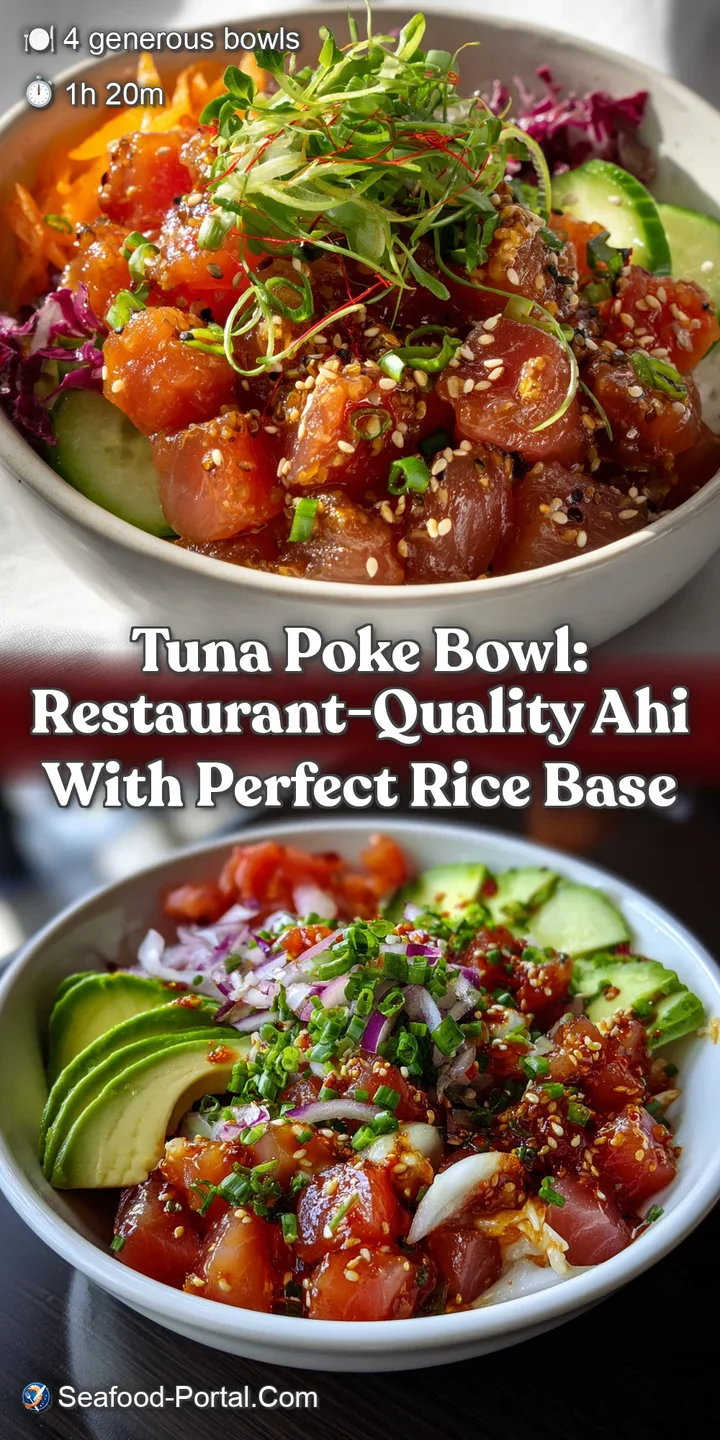
Place the marinated tuna right in the center, allowing some of the luscious marinade to drizzle down onto the rice. Finish with the creamy avocado and crispy Nori strips. This thoughtful presentation enhances the entire experience of the Tuna Poke Bowl .
Troubleshooting and Pro Tips for Flawless Poke
Making the ultimate Tuna Poke Bowl is deceptively simple, but a few pitfalls can trip up even seasoned cooks. Let's fix those common errors immediately.
Preventing Mushy Tuna: The Slicing Technique
Mushy tuna usually stems from two things: poor quality fish or using a dull knife. A dull knife tears the flesh instead of slicing cleanly, damaging the fibers and creating a rough, exposed surface that absorbs too much sauce too quickly. Always use a razor sharp knife and slice the tuna while it is still very cold.
If you’re making the investment in sashimi grade fish, respect it. This step is crucial for a perfect texture in your Tuna Poke Bowl .
Avoiding Soggy Rice: Proper Cooling and Seasoning
If your rice is soggy, you likely didn't rinse enough starch off, or you lifted the lid during the steaming period. Never lift the lid! That steam finishing phase is what ensures fluffy, separate grains. once seasoned, the rice must be cooled quickly.
Fanning helps evaporate excess moisture from the vinegar, making the rice glossy and perfectly sticky, never waterlogged. This is the difference between an average sushi bowl recipe and a fantastic one.
Common Errors in Marinade Ratio and Consistency
The main mistake is adding too much oil or too much acid. Too much sesame oil makes the dish greasy and heavy; too much vinegar starts to aggressively cure the fish. The ratio provided in the Tuna Poke Bowl recipe above gives you the perfect, light coating that seasons without overwhelming the delicate tuna flavor.
If the marinade tastes too salty on its own, it’s a warning sign to use low-sodium soy next time.
Making Ahead and Storage: Keeping Your Poke Fresh
This is where we talk practicality. Can you prep this ahead of time? Yes, partially, but with strict guidelines.
Best Practices for Refrigerating Marinated Tuna
You can chop the tuna up to 6 hours ahead of time and store it tightly covered in the fridge, but do not add the marinade until 30- 60 minutes before serving .
If you have leftover Tuna Poke Bowl components, store the tuna separate from the rice and toppings. The acidic dressing will continue working on the fish, changing its texture over time, which you don't want.
How Long Does an Assembled Bowl Stay Optimal?
An assembled Tuna Poke Bowl should be consumed within an hour for the best texture. If you must store leftovers, disassemble the bowl first. The warm rice will absorb the marinade and the moisture from the cucumber, becoming soggy very quickly.
Honestly, this is a dish meant to be eaten immediately. It's too beautiful and fresh to let the texture degrade. This amazing Tuna Poke Bowl deserves to be enjoyed fresh.
Note on Freezing Raw Fish Components
Do not freeze the finished poke or the raw tuna you intend to eat raw. Flash freezing is handled commercially under special conditions to make fish safe for raw consumption, but standard home freezers will ruin the texture, turning the tuna dry and fibrous when thawed.
Stick to eating your Tuna Poke Bowl ingredients fresh.
Perfect Pairings: What to Serve Alongside Your Bowl
Honestly, a classic Tuna Poke Bowl is a meal unto itself. It's balanced, filling, and packed with nutrients. But if you’re hosting or just want a little extra something, here are my favourite easy additions.
We often start with a simple, refreshing cucumber and wakame salad. The bright, tangy vinegar complements the richness of the poke beautifully. If you need a more substantial starter, try a small bowl of my Tuna Salad No Mayonnaise: Zesty Mediterranean Oil Lemon Recipe on the side it’s a different tuna profile entirely, offering a great contrast. The freshness of this complete Tuna Poke Bowl shines when paired with simple sides.
For a final flourish, sometimes I offer a side of crispy fried shallots, which guests can sprinkle on themselves for extra crunch. And if you're serving a vegetarian option alongside, my simple marinated seaweed salad recipe works perfectly next to the beautiful main event, the ultimate Tuna Poke Bowl .
This is more than just a quick meal; it's a testament to the fact that minimal intervention yields maximum flavor, provided you use the highest quality Tuna Poke Bowl ingredients. Getting that warm rice and cold, silky tuna together is pure magic.
Now go make this glorious Tuna Poke Bowl ! Seriously, you won't regret diving into this fresh flavor in every bite of this sushi inspired bowl. The effort is minimal, but the payoff of this incredible, homemade Tuna Poke Bowl is huge.
Recipe FAQs
What specific type of tuna is safe to use for a raw poke bowl?
You must use only "sushi grade," "sashimi grade," or high-quality Ahi/Yellowfin tuna that has been previously flash frozen. Never use tuna purchased from a regular grocery counter intended for cooking, as proper sourcing ensures safety and minimizes the risk of consuming parasites.
Why is my poke marinade too watery or lacking depth of flavor?
If your marinade is watery, ensure your tuna cubes are thoroughly patted dry with paper towels before mixing, as residual moisture will dilute the sauce significantly. If it's bland, check the balance between the salty elements (soy sauce/tamari), the slight acidity (lime or rice vinegar), and the richness provided by sesame oil.
What is the secret to achieving perfectly sticky and seasoned poke rice?
Use Japanese short grain rice (sushi rice) and rinse it thoroughly until the water runs completely clear, which removes the excess starch necessary for the stickiness. After cooking, let the rice rest for 15 minutes before mixing in the seasoned vinegar mixture; this cooling period allows the rice to absorb the seasoning optimally.
Can I make this recipe if I don't like raw fish, or require a vegetarian variation?
If you prefer cooked fish, you can quickly sear the tuna and cut it into cubes afterward, or substitute it entirely with cooked shrimp or octopus. For a vegan option, use cubed extra firm tofu that has been pressed and dried extremely well, as it absorbs the marinade beautifully.
How long should the tuna marinate, and can I prepare it hours ahead of time?
For the best flavor, allow the tuna to marinate in the sauce for 30 minutes to one hour, refrigerated, to let the flavors meld. Avoid marinating for longer than 60 minutes, as the acid in the marinade can begin to "cook" the delicate fish, altering its texture.
How should I store leftover poke, and is it safe to eat the next day?
Poke is truly best eaten immediately; however, if you have leftovers, store the marinated tuna and the rice/toppings separately in airtight containers. The marinated tuna should be consumed within 24 hours of preparation and should never be frozen, due to food safety considerations with raw seafood.
What are suitable substitutions for soy sauce if I am gluten intolerant or low-sodium?
For a gluten-free diet, substitute regular soy sauce with Tamari, which offers a deep umami flavor without the wheat component. If you are reducing sodium, Coconut Aminos is an excellent, slightly sweeter alternative that still provides the necessary savory depth to the marinade.
Ultimate Tuna Poke Bowl Recipe

Ingredients:
Instructions:
Nutrition Facts:
| Calories | 460 kcal |
|---|---|
| Protein | 21.6 g |
| Fat | 12.1 g |
| Carbs | 66.3 g |
