The Ultimate Oysters Bienville: a Luxurious Bite of New Orleans
- The Ultimate Oysters Bienville: A Luxurious Bite of New Orleans
- Decoding Oysters Bienville: History and Flavor Profile
- The Science of Decadence: Why This Oysters Bienville Recipe Shines
- Essential Ingredients for Authentic Bienville Sauce
- Crafting the Ultimate Oysters Bienville: Step-by-Step Method
- Chef's Secrets: Troubleshooting Your Bienville Prep
- Preparation and Storage Hacks for Oysters Bienville
- The Perfect Pairing: Serving Your New Orleans Treat
- Recipe FAQs
- 📝 Recipe Card
The Ultimate Oysters Bienville: A Luxurious Bite of New Orleans
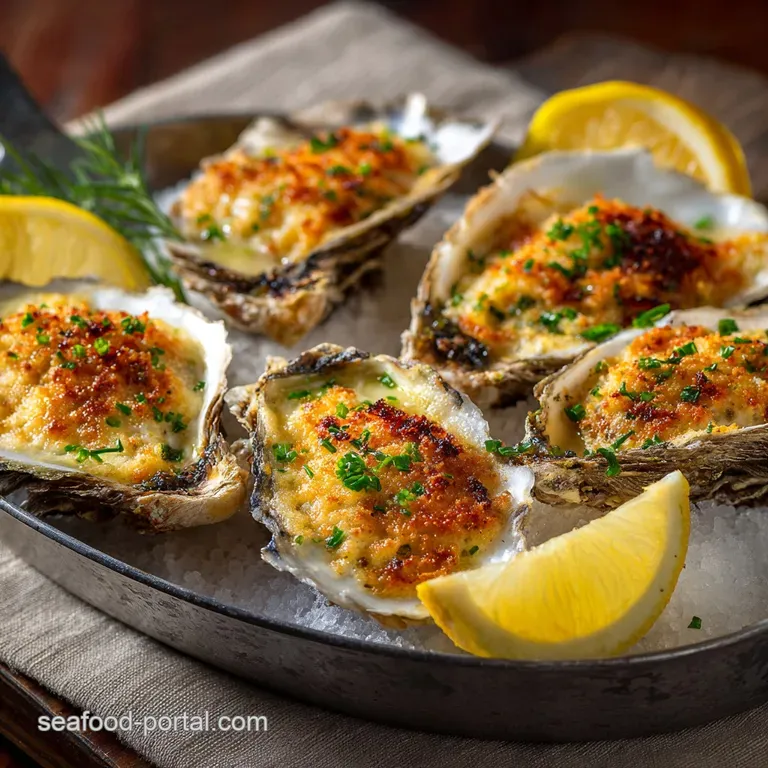
Have you ever smelled pure culinary decadence baking in your oven? Oysters Bienville hits that mark every single time. It’s the scent of bubbling butter, dry sherry, and salty sea air all wrapped up in a creamy, golden blanket.
The texture is unmatched rich, velvety, and utterly sophisticated, giving you that beautiful umami warmth that just screams celebration.
People always think elaborate seafood is too complicated for a weeknight, but trust me, this recipe is a lifesaver for impressing guests without breaking the bank or your schedule.
Unlike its green cousin, Bienville uses a proper, robust roux based sauce, meaning it holds up beautifully and you can prep the filling entirely ahead of time. Just shuck, spoon, and bake when you are ready to serve.
If you’ve only ever had raw oysters with a squeeze of lemon or maybe dipped a toe into the baked oyster pool with Oysters Rockefeller: Classic Grand Buttery Oysters Recipe , get ready for an upgrade. We are building flavor layer by layer, crafting a truly legendary New Orleans appetizer. Let's crack on.
Decoding Oysters Bienville: History and Flavor Profile
Oysters Bienville originated in the famous Arnaud’s restaurant in the French Quarter, established around 1908. It's a genuine classic, named after the founder of New Orleans, Jean Baptiste Le Moyne de Bienville. This dish isn't just food; it’s edible history.
It showcases the classic Creole commitment to rich, buttery sauces and the masterful use of local Gulf seafood. While Oysters Rockefeller leans on herbs and Pernod for its distinctive green hue, Bienville achieves its complexity through a golden, savory matrix of shrimp, vegetables, and dry sherry.
It’s grand dining brought home.
The Science of Decadence: Why This Oysters Bienville Recipe Shines
This particular Bienville recipe works because we prioritize texture and balance above all else. We are aiming for a rich sauce that clings tightly to the oyster without being too heavy or splitting under high heat. The roux is the secret weapon.
The Difference Between Bienville and Rockefeller
Think of this like a family feud: both are baked oysters, but their personalities are totally different. Rockefeller relies on baked spinach and perhaps a hint of anise liquor. Bienville, however, swaps the green stuff for a luxurious cream sauce thickened with a blonde roux and studded with diced shrimp and savory vegetables.
It’s smoother, creamier, and focused entirely on Gulf Coast flavor.
Key Components of the Bienville Sauce (Roux, Seafood, Sherry)
Every great Bienville sauce has three non-negotiables. First, the blonde roux provides the velvety body that traps all the flavor and prevents the sauce from separating.
Second, finely chopped shrimp adds a potent punch of concentrated seafood flavor that complements the oyster beautifully. Finally, the dry sherry introduces a necessary layer of nutty sweetness and acidity, cutting through the richness of the butter and cream.
Chef's Note: Don’t skimp on the sherry, but ensure it’s dry. The alcohol cooks off immediately, leaving behind a profound depth that cheap cooking wine simply cannot replicate.
Why Shucking Your Own Oysters is Worth the Effort
Yes, shucking is a pain, and yes, you might sacrifice a thumbnail the first few times (I definitely did). But freshly shucked oysters provide their own liquor that salty, precious juice which keeps the oyster meat tender and perfectly seasoned.
Pre-shucked oysters lose that moisture and often dry out instantly when they hit the oven. Commit to the shucking process; your reward is superior flavor.
Achieving the Golden Roux Base for Velvety Texture
The roux must be cooked until it smells like warm biscuits, which usually takes about 90 seconds after the flour is incorporated. If you stop too early, the sauce will taste raw and floury, which is tragic when dealing with expensive seafood. We want a blonde roux, pale golden, not brown like a gumbo roux.
Maximizing Umami: The Role of Shrimp and Mushrooms
While mushrooms aren't in every historical Bienville recipe, I sneak in finely diced Cremini. Why? They bring a massive dose of earthy, deep umami that plays beautifully with the briny oyster and sweet shrimp.
Using finely chopped cooked shrimp (not raw) also concentrates their flavor, ensuring every bite sings of the sea.
Balancing the Richness with Dry Sherry and Lemon Zest
The sheer amount of butter and cream in this recipe demands balancing agents. The dry sherry provides that essential sharpness. Also, a final tiny grate of lemon zest (after baking, sometimes!) wakes up all those heavy flavors. It makes the dish feel complex, not just heavy.
Essential Ingredients for Authentic Bienville Sauce
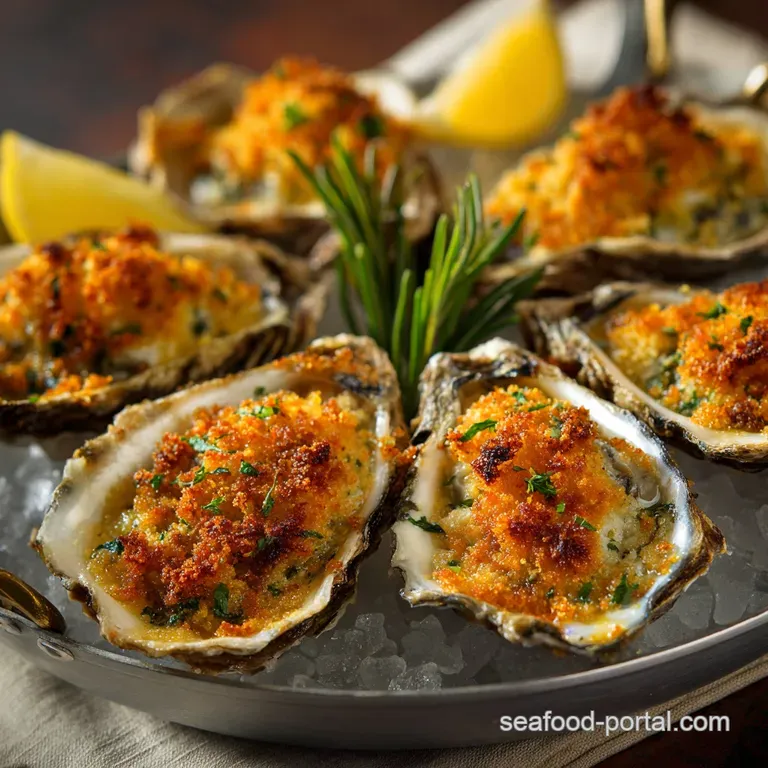
Here’s the breakdown of what you need and what you can use if you're in a pinch. Remember, quality ingredients make a massive difference here.
Selecting the Freshest Gulf Coast Oysters
I prefer larger, meatier oysters for baked recipes, like Gulf Coast oysters, but any cold water oyster with a good cup depth works well. The key is freshness. Never buy oysters unless they are tightly closed and kept on ice. A gaping oyster is a sick oyster.
Preparing the Shrimp and Mushroom Mélange
Finely dice your shrimp and mushrooms. We want them to blend into the sauce, not dominate it. This filling should be a cohesive, velvety cloak over the oyster, not chunky stew.
Flour, Fat, and Liquid: Mastering the Roux Proportions
My recipe uses equal parts flour and butter by weight (or close enough by volume: 2 Tbsp butter to 2 Tbsp flour). This guarantees a medium thick sauce base that won't clump when the liquid is added. Always add cold liquid to a hot roux, or hot liquid to a cold roux, to prevent lumps!
Sourcing the Perfect Aromatic Trio (Celery, Onion, Bell Pepper)
While some recipes skip it, a tiny bit of finely minced shallot (instead of onion), celery, and garlic forms the classic aromatic base. This provides necessary savory depth, so make sure they are diced very small they need to disappear into the sauce.
| Ingredient | Viable Substitute | Why It Works |
|---|---|---|
| Fresh Oysters | high-quality Canned Smoked Oysters (Last resort!) | Offers smoky flavor and chew, but sacrifices briny texture. |
| Dry Sherry | Dry Vermouth or Dry White Wine (e.g., Sauvignon Blanc) | Provides the necessary acidity and depth. |
| Heavy Cream | High Fat Coconut Cream (Canned, solids only) | Maintains richness and texture, though adds a hint of coconut flavor. |
| Small Shrimp | Finely diced Crawfish or Lump Crab Meat | Keeps the intense shellfish flavor profile. |
| Fish Stock | Water + 1/2 tsp Better Than Bouillon (Fish or Lobster) | Adds necessary brine and backbone without thinning the sauce. |
Crafting the Ultimate Oysters Bienville: step-by-step Method
This is a three part journey: shuck, sauce, and bake. Patience on the sauce is key!
Technique Guide to Safe Oyster Shucking
Place the oyster cup-side down on a folded tea towel. Hold it firmly (use a glove, seriously). Find the hinge (the point where the shells meet at the back). Insert the tip of your oyster knife and twist firmly to pop the hinge open. Slide the knife along the top shell to cut the abductor muscle.
Remove the top shell and then carefully slide the knife under the oyster meat to detach it completely from the bottom shell, letting it rest back in the cup. I still use a thick folded towel to protect my hand; I learned that lesson the hard way.
Building the Base: Cooking the Roux and Aromatics
First, sauté the shallot, celery, and finely diced mushrooms until they release all their water and everything is softened this takes 5 to 7 minutes. Set these aside. Then, make the roux: melt the remaining butter, whisk in the flour, and cook until pale blonde.
Don't rush the roux! Whisk in the stock slowly until it’s smooth and thickens instantly.
Finishing the Sauce and Ensuring Proper Consistency
Now add the cream, sherry, Worcestershire, hot sauce, and seasonings. Let it simmer gently for just two minutes. The sauce should be incredibly thick right now almost paste like. If it’s runny, you need to simmer it longer until it holds its shape on a spoon.
Stir in the Parmesan and the reserved shrimp/mushroom mixture off the heat.
Assembly and Baking: Achieving the Golden Crust
Nestle those shucked oysters securely into your salt lined tray. Spoon the sauce generously over each one. Combine the Panko breadcrumbs with melted butter and sprinkle lightly over the top, along with a bit of extra Parmesan.
Bake at 425°F (220°C) until the sauce is deeply bubbling and the crust is golden brown.
Chef's Secrets: Troubleshooting Your Bienville Prep
Baked oysters can be tricky because heat makes the seafood tense up and release moisture. Here are the spots where most cooks stumble.
Preventing a Grainy or Thin Roux
A grainy roux usually happens because you didn't cook the flour out enough, or you added the liquid too fast. Fix: If it looks lumpy after adding the stock, pull it off the heat and whisk aggressively, or even hit it quickly with an immersion blender.
If the finished sauce is too thin, mix a teaspoon of cornstarch with cold water, stir it into the simmering sauce, and cook until thick.
The Optimal Internal Temperature for Cooked Oysters
We are looking for bubbling sauce and meat that has just barely curled around the edges, maybe 145 160°F (63 71°C). Oysters turn rubbery fast. That’s why we use a high oven temperature (425°F) for a quick burst of heat.
Ten to twelve minutes is usually perfect; if you bake for 20 minutes, you’ll have delicious sauce but textureless oysters.
Handling the Broiler for a Perfect Golden Finish
If your sauce is fully cooked but lacks that stunning golden crust after 10 minutes of baking, you can use the broiler for 30 60 seconds. CRITICAL WARNING: Stay right there! Walk away for a minute, and you will have Bienville charcoal.
The broiler is fast and furious.
Preparation and Storage Hacks for Oysters Bienville
This dish is ideal for pre-prepping, which makes entertaining so much easier.
Can I Prep the Bienville Sauce Ahead of Time?
Absolutely! Make the sauce completely, let it cool, and store it in an airtight container in the fridge for up to three days. When you are ready to assemble, gently reheat the sauce slightly until it is spreadable before spooning it onto the oysters.
Freezing and Reheating Fully Assembled Oysters
I don't recommend freezing fully assembled raw oysters; the texture suffers immensely upon thawing. However, the cooked Bienville sauce freezes beautifully for up to two months. Thaw the sauce overnight in the fridge.
To serve, prepare fresh oysters, load them up with the thawed sauce, and bake as directed.
Safe Handling and Storage of Raw Shellfish
Always keep raw oysters as cold as possible ideally between 35°F and 40°F (2°C and 4°C). Store them cup-side down in the fridge, covered with a damp towel, and never submerged in water or melting ice. Use them within two days of purchase for the best quality.
The Perfect Pairing: Serving Your New Orleans Treat
Oysters Bienville is a rich appetizer, so you need simple, sharp accompaniments to balance the cream and butter.
For drinks, something crisp and acidic is mandatory. Think Champagne or a bone dry, cold Muscadet. If you prefer to serve some raw oysters first (which I often do), you should absolutely check out my recipe for Easy 10Minute Mignonette Sauce Recipe Perfect for Oysters on the Half Shell .
Serve these beauties nestled on a platter of rock salt immediately the salt keeps the shells stable and helps hold the heat. A simple side salad, maybe some sharp watercress or arugula with a light lemon vinaigrette, is the only other thing you need.
Oh, and plenty of crusty bread to mop up every last drop of that amazing sauce. You deserve this, my friend.
Recipe FAQs
I'm having trouble shucking the oysters. Are there easier alternatives?
Shucking requires practice and a proper oyster knife. If fresh shucking is too difficult, ask your fishmonger to shuck them for you and save the half shells for presentation. Alternatively, you can purchase pre-shucked oysters and serve the Bienville mixture in small, oven safe escargot dishes or ceramic ramekins.
My Bienville sauce seems too thick or too thin. How do I adjust the consistency?
If the sauce is too thick (often due to over reduction), gradually whisk in a splash of warm heavy cream or oyster liquor until it reaches a velvety consistency that easily coats a spoon.
If the sauce is too thin, create a small slurry of cornstarch and cold water and whisk that into the simmering sauce until it thickens slightly.
Can I prepare the Oysters Bienville mixture (the sauce) ahead of time?
Yes, the entire Bienville sauce mixture can be prepared up to 24 hours in advance. Store it covered tightly in the refrigerator, which is highly beneficial for party preparation. Allow the sauce to come closer to room temperature before spooning it onto the fresh oysters and baking, ensuring even heating.
What substitutions can I make if I don't have sherry or fresh shrimp?
For the dry sherry, a high-quality dry white wine (like Pinot Grigio) or dry vermouth works as an excellent substitution, providing the necessary aromatic lift. If you lack shrimp, finely minced crab meat or even high-quality lobster meat can be used to maintain the luxurious seafood profile of the dish.
Can I use dried mushrooms instead of fresh cremini mushrooms?
While fresh mushrooms provide a superior texture, you can substitute dried mushrooms, such as dried porcini or shiitake, for a more intense earthy flavor. You must first rehydrate the dried mushrooms in hot water and then finely mince them, reserving the soaking liquid to enrich the sauce instead of using just stock.
Is it possible to freeze Oysters Bienville for later use?
Freezing Oysters Bienville once assembled is not recommended because the texture of the raw oyster and the creamy roux base will degrade significantly upon thawing and reheating. The cooked sauce itself, however, can be frozen in an airtight container for up to one month, separate from the shells and fresh oysters.
What is the best way to achieve a golden, bubbly crust on top?
After baking the oysters through at 400°F (200°C), transfer the baking sheet to the broiler for the last 60 to 90 seconds. Place them on the top rack and watch very carefully, as the broiler will quickly bubble the topping and achieve a perfect golden brown crust without overcooking the delicate oyster meat.
Ultimate Oysters Bienville Recipe
Ingredients:
Instructions:
Nutrition Facts:
| Calories | 187 kcal |
|---|---|
| Protein | 16.7 g |
| Fat | 5.9 g |
| Carbs | 16.9 g |
