The Ultimate Postfeast Turkey Root Vegetable Stew
- Elevating Leftovers: Why This Turkey Stew Recipe Wins
- A Proper Hug in a Bowl: The Comfort of Deep Umami Stew
- Sourcing Your Stew Essentials: Ingredients Checklist
- Essential Tools and Preparation Notes
- Step-by-Step Directions for a Deeply Flavorful Turkey Stew
- The Culinary Timeline: Important Stages of Cooking
- Troubleshooting and Expert Tips for the Best Turkey Stew
- Storage, Freezing, and Reheating Guidelines
- Recipe FAQs
- 📝 Recipe Card
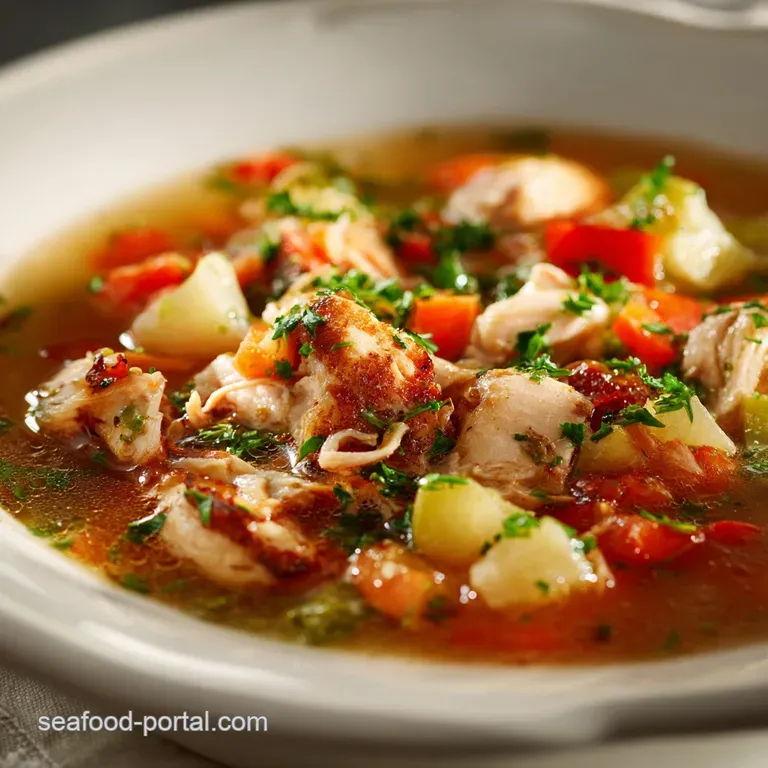
Elevating Leftovers: Why This Turkey Stew Recipe Wins
The true measure of a great home cook is the ability to transform humble leftovers into something spectacular. Our take on this rich Turkey Stew moves far beyond simple reheating. It uses classic, time honored techniques to build deep, savory layers that entirely redefine holiday remnants.
This specific Leftover Turkey Stew approach focuses on slow, deliberate flavor development rather than rushed assembly. It ensures every spoonful delivers a hearty, deeply satisfying warmth perfect for chilly weather or Weekend Cooking Ideas .
We are turning mere scraps into a luxurious, comforting centerpiece dish.
A Proper Hug in a Bowl: The Comfort of Deep Umami Stew
There is a profound, fundamental satisfaction that comes from a perfectly executed, classic stew. This particular recipe captures that feeling entirely, acting as a rich, savory blanket against the cold.
Achieving this level of comfort relies heavily on specific cooking phases that unlock deep, concentrated, savory flavor. The medium difficulty level is justified because attention to these crucial steps guarantees a superior final product.
From Roast to Robust: Maximizing Leftover Flavor
The secret to using pre-cooked turkey successfully is knowing exactly when to introduce it to the pot. Since the meat is already tender, extended simmering will only dry it out and make it tough.
We incorporate the shredded or cubed bird only near the very end, ensuring it gently reheats while retaining its moisture and texture. This method guarantees a succulent experience every time you prepare this comforting Easy Turkey Stew Recipe .
The Magic of Mirepoix: Building the Flavor Foundation
The base of nearly all exceptional turkey stew recipes begins with the classic trifecta of onion, carrot, and celery. Known in French cooking as a mirepoix, these diced vegetables are slowly sautéed until deeply softened, which releases their natural sugars.
This crucial eight-to-ten-minute step creates the foundational sweetness and aroma upon which all subsequent flavors rest. Rushing this initial sauté will result in a bland, disappointing final stew.
Our Secret Weapon: Achieving Maximum Umami Depth
Depth of flavor requires more than just salt and pepper; it demands a hit of deep savory complexity, or umami. We achieve this by caramelizing concentrated tomato paste alongside the garlic before adding any liquid. This crucial process transforms the paste from bright and acidic to dark and intensely savory.
A small splash of Worcestershire sauce then introduces essential fermented notes that intensify the overall richness of the broth.
Sourcing Your Stew Essentials: Ingredients Checklist
A successful stew relies on high-quality, but easily sourced, pantry staples readily available in any kitchen. For the necessary thickening agent, we use simple all-purpose flour mixed with fat to create a classic roux directly in the cooking vessel.
The primary liquid is a high-quality, low-sodium turkey or chicken stock, which grants us complete control over the final salt level.
The structure of this filling turkey stew with potatoes comes from robust Yukon Gold potatoes and traditional root vegetables. Yukon Golds are perfect because they are waxy and hold their shape beautifully even after prolonged simmering.
We also rely heavily on dried thyme and bay leaves for that characteristic, earthy profile this type of cuisine demands. This recipe yields six generous servings and takes about an hour from start to finish.
Essential Tools and Preparation Notes
What Cuts of Turkey Work Best?
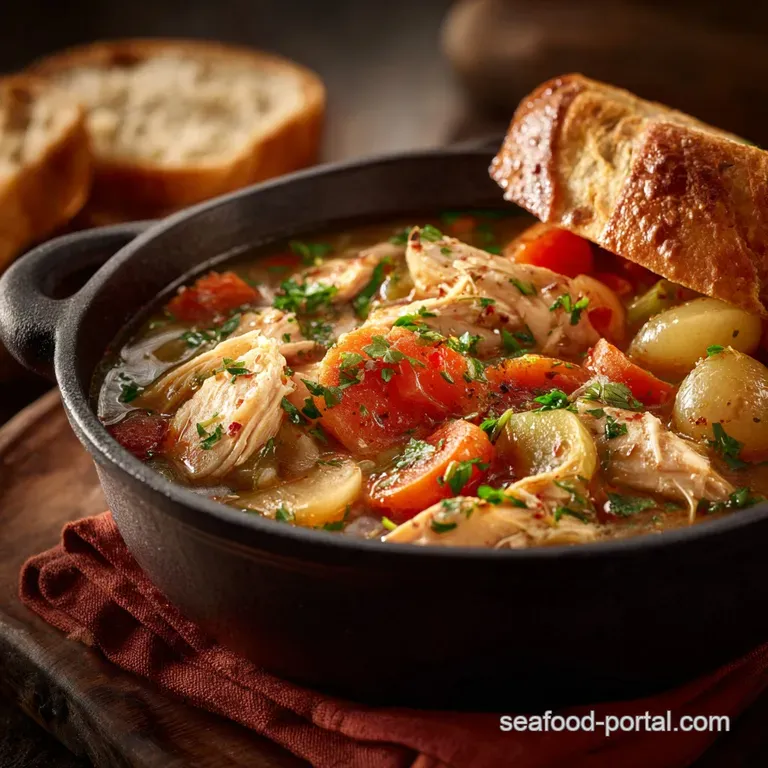
This particular recipe is supremely flexible regarding the cut of turkey used for the filling. Both white breast meat and darker thigh meat function perfectly well in this robust application. Using a mix often yields the best result, providing both tenderness and a slightly richer, more succulent texture.
Just ensure the meat is shredded or diced into roughly one-inch pieces for even distribution throughout the stew.
Selecting the Perfect Root Vegetables for Texture
Precision in chopping the root vegetables is essential for ensuring they cook evenly within the 30-minute simmering window. Aim for a consistent half inch dice for the carrots and celery so they soften fully.
Dicing the potatoes slightly larger, around one inch, prevents them from dissolving into the liquid too quickly and maintains a satisfying bite.
Pantry Staples for a Richer Turkey Stew Base
Never underestimate the impact of choosing the right deglazing liquid to develop flavor. While optional, a dry red wine like Merlot or Pinot Noir adds crucial acidity and depth that balances the richness of the stock.
For cooks avoiding alcohol, substituting with balsamic vinegar and extra stock maintains the necessary complex flavor profile. Always ensure your stock is warmed slightly before adding it to the hot roux to prevent any immediate lumping.
Equipment Check: Dutch Oven vs. Slow Cooker
We primarily recommend a heavy bottomed Dutch oven for this recipe, as its even heat distribution is ideal for developing the roux and sautéing the aromatics. However, this robust dish easily adapts if you prefer a less hands-on approach after the initial sautéing.
For a fantastic rapid version, many cooks turn to a turkey stew instant pot method, offering excellent flavor in a fraction of the time. Using a Pressure Cooker Stew setting is brilliant for quickly softening the root vegetables, and this makes great use of the principles behind Healthy Instant Pot Recipes .
The turkey stew slow cooker is also an excellent option after the base flavors are built on the stovetop.
Related Recipes Worth Trying
- Theme Park Smoked Turkey Legs Recipe Juicy FallOffTheBone — Master the juicy falloffthebone Smoked Turkey Legs like the theme park pros Includes the essential brine and cure for incredible tenderness Perfect for your...
- The Secret to Perfectly Crisp Juicy air-fried Turkey Meatballs — Stop serving dry turkey This foolproof air fryer turkey meatballs recipe delivers tender interiors and crisp edges Get the precise air fry turkey meatballs...
- Golden Crispy Air Fryer Turkey Nuggets Recipe Healthy Fakeaway — Ditch the freezer aisle These air fryer ground turkey nuggets are shatteringly crisp and ready in a flash This is the ultimate healthy comfort food perfect...
step-by-step Directions for a Deeply Flavorful Turkey Stew
Begin by preparing your foundation in the Dutch oven, heating your butter or oil over a medium flame. Once the fat is shimmering, introduce the diced onions, carrots, and celery. Stir and cook these aromatics diligently for eight to ten minutes until they are fully softened and fragrant, taking care not to burn them on the bottom of the pot.
Next, incorporate the minced garlic and concentrated tomato paste, cooking for just one minute while stirring constantly to caramelize the sugars. Sprinkle the flour over the softened vegetables and stir vigorously for two full minutes to create the blonde roux and cook out the raw flour flavor.
Pour in the wine, if using, and scrape up every bit of the delicious brown fond from the bottom of the pan before the liquid reduces significantly.
Finally, pour in the warm stock, mixing continuously until the roux has fully dissolved into the liquid without any lumps remaining. Add the Worcestershire sauce, bay leaves, thyme, and the diced Yukon Gold potatoes.
Bring the entire pot to a gentle simmer, then cover partially and cook for 25 to 30 minutes until the potatoes yield easily to a fork inserted into the center.
The Culinary Timeline: Important Stages of Cooking
Phase 1: Sautéing the Aromatics
The first crucial phase involves transforming the raw vegetables into a flavorful, soft base, which requires patience. Dedicate the full eight to ten minutes to softening the mirepoix mixture before introducing any other ingredients.
Only after these primary vegetables are translucent should you add the minced garlic and tomato paste for their brief, one-minute caramelization period. This ensures the best concentration of flavor.
Deglazing and Building the Broth
Following the creation of the blonde roux, the liquid components are introduced in quick succession to prevent scorching. The deglazing process using wine requires about two minutes of evaporation time to concentrate the acidity and flavor profile.
Once the bulk of the stock is added, ensure continuous stirring for the first few minutes; this critical action guarantees the roux smoothly integrates and prevents the stew from ever becoming lumpy.
Simmering for Tenderness: When to Add the Cooked Turkey
The bulk of the cooking time, approximately 25 to 30 minutes, is dedicated to softening the diced potatoes until they are perfectly tender. Because the turkey is already fully cooked, it only requires gentle, quick reheating.
Therefore, the shredded meat is only incorporated into the simmering broth during the final five minutes of the entire process.
The Final Adjustment: Seasoning and Resting the Stew
Before serving, remember to remove the two bay leaves and perform a final taste test, adjusting the salt and pepper as needed. If the stew seems overly thick, simply whisk in a splash more stock until the desired velvety consistency is achieved.
Stir in any frozen peas during the last two minutes for a lovely pop of color and sweetness before garnishing with fresh parsley.
Troubleshooting and Expert Tips for the Best Turkey Stew
The number one mistake home cooks make is skipping the crucial browning step of the initial aromatics. This caramelization is vital; without it, the Turkey Stew lacks the necessary deep, round sweetness and savory foundation.
Dedicate the full required time for the mirepoix to achieve a profound, unbeatable depth of flavor.
If you choose to omit the dry red wine, make sure you replace the resulting acidity with something tart to balance the fat and richness. A teaspoon of good quality balsamic vinegar or apple cider vinegar stirred into the stock makes a superb substitute.
Always taste the broth as it develops to ensure proper balance between savory, sweet, and acidic notes. Since the turkey is lean, always add the cooked meat late to prevent it from seizing up and becoming dry or stringy.
Storage, Freezing, and Reheating Guidelines
Making It Ahead: Optimizing Flavor Overnight
Like many traditional braised dishes, this stew benefits immensely from resting overnight in the refrigerator. Allowing the stew to cool and chill gives the herbs and savory components time to fully permeate the meat and vegetables.
This melding process means the reheated version on day two tastes significantly richer and more cohesive than when it was first prepared.
Dietary Swaps: gluten-free and dairy-free Variations
To make this Turkey Stew entirely gluten-free, substitute the all-purpose flour roux with a simple cornstarch slurry added at the very end. Simply mix cold water with cornstarch and stir it into the simmering stew until it thickens sufficiently.
For a dairy-free version, simply use olive oil instead of butter when sautéing the initial foundational aromatics.
How to Thicken Stew Naturally
If you find your stew is slightly too thin at the end of the cooking process, the easiest natural thickening method is to mash some of the cooked potatoes against the side of the pot.
Their natural starches will release into the liquid, lending the stew a creamier texture without needing extra flour or commercial thickeners. Alternatively, removing the lid during the last ten minutes of simmering allows for natural liquid reduction and intense flavor concentration.
Serving Suggestions: Perfect Companions for Your Hearty Meal
This hearty turkey stew with potatoes is designed to be a completely satisfying meal, but it pairs wonderfully with simple, textured accompaniments. A thick slice of crusty baguette or a fresh baked roll is essential for soaking up the entirety of the rich gravy base.
Serving the stew over creamy mashed celeriac or simple polenta offers a velvety texture contrast that dramatically enhances the overall presentation.
Recipe FAQs
Simple turkey stew recipe
To deepen the foundational flavour of your stew, ensure you caramelize 1 tablespoon of tomato paste with your aromatics just before adding the flour for the roux. This stew freezes exceptionally well; portion it into airtight containers, leaving headspace, and store for up to three months.
For substitution, boneless pre-cooked chicken thigh is the best alternative to turkey, offering similar moisture and richness.
Old fashioned turkey stew
For unparalleled depth of flavor, caramelize 2 tablespoons of tomato paste with your cooked mirepoix just before sprinkling in the flour for the roux; this crucial step maximizes the savory umami notes.
This stew stores beautifully; cool completely before transferring to an airtight container, and it will keep safely refrigerated for up to four days or frozen for three months.
Turkey stew slow cooker
To achieve the promised depth of flavor, caramelize your mirepoix slowly until it is deeply golden before adding the flour for the roux; this nutty foundation is essential for savory success.
Since your turkey is precooked, incorporate the diced meat only during the final 15 to 20 minutes of simmering to ensure it remains tender and moist. This robust stew freezes exceptionally well: cool completely before portioning and storing in an airtight container for up to three months of comforting leftovers.
Turkey stew recipes
To achieve a truly deep, comforting stew base, focus on proper flavour development: ensure your mirepoix is fully softened and lightly caramelized before introducing the flour for the roux.
Cook the flour and fat mixture for two full minutes until it smells nutty; this crucial step eliminates the raw flour taste and guarantees a silky, lump free thickness. If you are substituting the dry wine, replace it with an equal amount of strong brewed coffee or a splash of balsamic vinegar combined with extra stock to provide the necessary umami lift.
This turkey stew freezes beautifully for up to three months; cool it completely before storing in airtight containers.
How to make homemade turkey stew?
Achieve maximum flavour depth by patiently sweating your foundational mirepoix until the vegetables are tender and slightly caramelized before you add your garlic. To guarantee a rich, lump free texture, be sure to cook the roux flour stirred into the hot fat and aromatics for a full two minutes before slowly introducing the turkey stock.
This stew freezes beautifully for up to three months; simply thaw overnight in the refrigerator and reheat gently on the stovetop.
What's the secret to a flavorful stew?
The secret to a deeply satisfying Turkey Stew lies in building flavor layers start by slowly sweating your mirepoix or soffritto until the vegetables are deeply softened and aromatic.
Before adding your liquid, take the time to build a proper roux using the residual fat, cooking it to a light caramel color to introduce nutty depth and body. For a final flourish of savory complexity, stir in a spoonful of tomato paste or mushroom powder while the aromatics are sautéing to boost the umami.
Ultimate Leftover Turkey Stew
Ingredients:
Instructions:
Nutrition Facts:
| Calories | 982 kcal |
|---|---|
| Protein | 15.3 g |
| Fat | 24.6 g |
| Carbs | 73.9 g |
| Fiber | 22.8 g |
| Sodium | 771 mg |
