Grilled Lobster Tails: Lemon-Garlic Baste
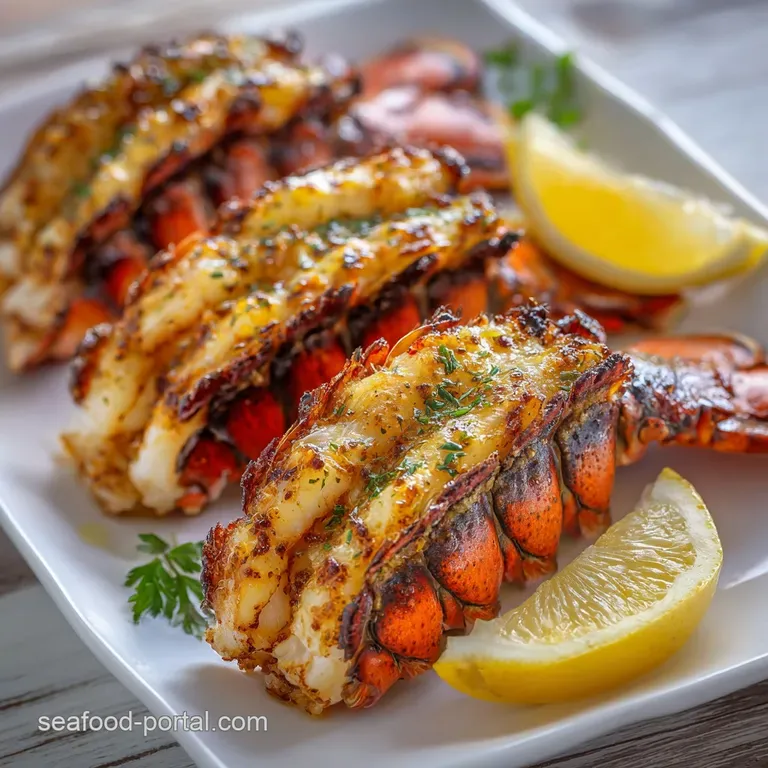
- The Ultimate Grilled Lobster Tails: Sweet, Smoky, and Succulent
- The Science of Succulence: Why This Grilling Method is Superior
- Essential Components: Sourcing the Best Lobster and Building the Baste
- Preparation and Cooking: Mastering the Art of Grilling Lobster
- Expert Advice: Avoiding Common Pitfalls When Grilling Lobster
- Handling Leftovers: Storing Cooked Lobster and Maximizing Freshness
- Complementary Pairings: What to Serve Alongside Your Grilled Delight
- Recipe FAQs
- 📝 Recipe Card
The Ultimate Grilled Lobster Tails: Sweet, Smoky, and Succulent
You hear that sizzle? That is the sound of pure, unadulterated luxury hitting the flames. The aroma of sweet lobster meat melding with smoky char and melting garlic butter is simply intoxicating, the kind of smell that stops conversations dead in their tracks.
We’re not talking about complicated seafood towers here, but about delivering the absolute best flavor in the fastest way possible.
Honestly, people think that amazing grilled lobster tails are reserved for fancy steakhouses or beach vacations, but they are totally wrong. Grilling lobster tails is genuinely fast, requires minimal ingredients, and if you follow my method the glorious ‘piggyback’ technique it’s practically foolproof.
Why spend triple the price eating out when you can absolutely nail these perfect, tender Grilled Lobster Tails right in your backyard?
This recipe uses a simple, bright lemon garlic baste and focuses heavily on technique. I learned this process the hard way (hello, rubbery, overcooked failures!), so now I’m sharing what actually works.
Prepare yourself, because once you master these incredible Grilled Lobster Tails , you’ll be the star of every summer cookout.
The Science of Succulence: Why This Grilling Method is Superior
When you are dealing with premium protein like lobster, you can’t just chuck it on the grill and hope for the best. We need control. We need precision. We need that perfect marriage of smoky outdoor flavor and tender, sweet meat.
This method delivers on all fronts, turning simple ingredients into magnificent Grilled Lobster Tails .
Why the 'Piggyback' Method Ensures Perfection
The ‘piggyback’ method where you split the shell, loosen the meat, and rest the meat directly on top of the shell is a game changer for grilling. First, it exposes the thickest part of the meat directly to the heat for a beautiful, quick sear. Second, and this is crucial, the lifted meat creates a little bathtub where our delicious butter baste can pool, locking in moisture and flavor during the cook time. Without this technique, it’s much harder to get that maximum flavor penetration. If you’re interested in mastering the preparation step, you can see a more detailed walkthrough in my guide to Lobster Tail: The Best Butterflied Recipe with Lemon Garlic Butter .
Unlocking the Flavor: The Secret to Our Lemon Garlic Butter Baste
Our baste is not just melted butter; it’s an emulsion, thick with minced garlic, lemon zest, and paprika. When this hits the hot lobster meat, the butterfat carries all those aromatics deep into the crevices of the protein.
The zest offers essential oils for maximum citrus punch, while the paprika adds just a hint of savory depth and a beautiful, appetizing red sheen to the finished Grilled Lobster Tails . Don't skimp on this step; the baste is the flavor engine.
Achieving Restaurant Quality Grilling at Home
How do those fancy places get that perfect balance of sear and sweetness? It’s two-zone cooking applied cleverly. By searing the meat first, directly on the grates for just two minutes, we activate the Maillard reaction (that magical browning process).
Then, we flip it shell side down to let the hard shell act as insulation, effectively turning the grill into an oven for the rest of the cooking period. This technique is vital for flawless Grilled Lobster Tails .
Preventing Dryness: How the Shell Protects the Meat
Once the initial sear is complete and the tail is flipped, the tough, chitinous shell becomes our best friend. Resting the shell directly on the heat source shields the delicate meat from burning.
This allows the meat to cook gently and evenly via the heat transferring through the shell, while the baste continuously drips down, steaming the meat from the top. It’s a genius low-tech cooking system designed for perfectly moist Grilled Lobster Tails .
Maillard Reaction Magic: Achieving Perfect Surface Searing
I mentioned Maillard that’s the process where heat converts sugars and proteins into hundreds of different flavor compounds. We rely on that 2 3 minute flesh side-down sear to achieve those grill marks and that caramelized flavor crust.
If you skip this part, your Grilled Lobster Tails will taste steamed, not grilled, and they won't have that essential smoky depth. Get those grates hot!
Temperature Control: Grilling Times for Different Tail Sizes
Timing is everything, especially with seafood. I specify 4 5 oz tails because they cook fast and predictably. If you use 8 oz tails, you must add 3– 5 minutes to the cooking time, and ideally, move them to indirect heat after the first baste.
Small tails (2 3 oz) need minimal time, maybe 6 minutes total. The absolute internal temperature you are aiming for is 140°F (60° C). Anything over 145°F (63°C) and you risk that dreaded rubbery texture.
You must monitor the core temperature for perfect Grilled Lobster Tails .
Essential Components: Sourcing the Best Lobster and Building the Baste
The quality of your ingredients directly impacts the quality of your finished dish. This isn't a recipe where cheap substitutes will yield spectacular results. We are aiming for the best Grilled Lobster Tails possible, so let’s start with the foundation.
Selecting the Highest Quality Lobster Tails
Always, always choose cold water lobster tails, ideally from Maine, Canada, or South Africa. Why? The colder environment makes the meat sweeter, firmer, and generally higher quality.
Warm water lobster (often from the Caribbean or Florida) tends to be mushier and has a stronger, less sweet flavor, and sometimes requires a bit more cleaning.
If you are buying frozen, look for vacuum sealed tails that show a uniform, pale color no grey spots! Thaw them slowly in the refrigerator overnight. Never thaw them in hot water; that starts cooking the exterior, which ruins the texture of your future Grilled Lobster Tails .
Detailed Breakdown of the Lemon Garlic Butter Ingredients
This baste needs to be bold enough to stand up to the high heat of the grill.
| Ingredient | Purpose in the Baste |
|---|---|
| Unsalted Butter | Fat delivery vehicle; flavor carrier. Unsalted allows us to control the final seasoning. |
| Fresh Minced Garlic | Essential aromatic; creates savory depth. Must be fresh! |
| Lemon Zest & Juice | Zest provides intense oil/flavor; juice provides brightness and acid balance. |
| Paprika (Sweet) | Color and subtle earthiness. Makes the finished product look rich and appealing. |
| Parsley | Freshness and color pop; essential for finishing the Grilled Lobster Tails . |
Clarified Butter vs. Melted Butter: Choosing Your Grilling Fat
Here's a common dilemma. Clarified butter (ghee) is pure butterfat, meaning it won’t burn as easily on high heat because the milk solids have been removed. However, for these Grilled Lobster Tails , we are using straight melted unsalted butter. Why?
The milk solids and the minced garlic actually stick to the lobster meat better, creating a slightly thicker, fudgier coating that protects the meat while simultaneously adding flavor.
Since we are flipping the tails quickly and keeping them shell side down for most of the cook, the risk of burning the milk solids is minimal. Melted butter is also much easier to whip up quickly!
Quick Ingredient Swaps for Dietary Needs
Need to adjust the baste? No problem, but try not to mess with the garlic or the lemon.
- dairy-free Option: Swap the unsalted butter for high-quality vegan butter sticks or refined coconut oil. The texture will be slightly different, but the flavor transfer works.
- No Fresh Parsley: A little bit of fresh chopped chives or finely minced dill makes a great replacement. Dry herbs are a no-go here; we need that fresh green flavor.
- Low Sodium: Omit the added salt in the baste and just salt the finished product lightly with a flaky sea salt like Maldon.
Preparation and Cooking: Mastering the Art of Grilling Lobster
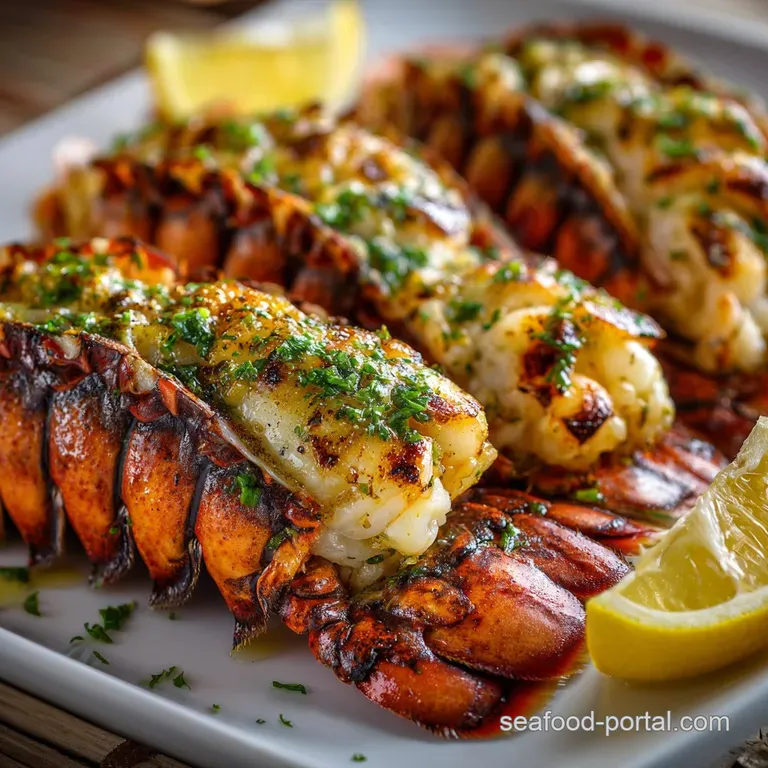
The prep is the most difficult part, so take your time. Getting the meat out properly ensures that every bit of that expensive lobster gets evenly kissed by the smoke and the baste. Mastering the preparation guarantees perfect Grilled Lobster Tails every single time.
Prepping the Tails: How to Split and Lift the Meat (The 'Piggyback' Technique)
You need tough kitchen shears for this job; a knife is messy and dangerous unless you are truly adept at cleaving through hard shell. Start at the top, near the base of the tail, and cut straight down the center until you reach the tail fin, but stop before cutting the bottom membrane .
Once the shell is cut, gently open it up like a book. Carefully slide your thumb under the meat to detach it from the shell beneath, leaving the very tip attached near the fins. Now, lift the entire piece of meat up and rest it over the cut shell.
This creates that high, beautiful pillow of meat that’s ready for the grill. This preparation method is absolutely essential for achieving gorgeous Grilled Lobster Tails .
Chef’s Note: Before the tails hit the grill, give the exposed meat a very light brush of olive oil. Just a touch. This forms a slight barrier that prevents immediate, aggressive sticking when you place them flesh down for the sear. It’s my sneaky trick to prevent tearing the meat.
Preparing the Grill: Direct vs. Indirect Heat Setup
For this recipe, we need a clean grill and medium high heat (around 400°F/200°C). If you are using charcoal, pile most of the coals on one side and leave a small, cooler zone. If using gas, turn two burners to medium high and leave one burner off or on low.
You want 75% of your cooking area to be direct heat, and 25% to be an escape zone if the flames get too aggressive. Clean grates are paramount; dirty grates are where sticking nightmares begin, ruining your lovely Grilled Lobster Tails .
The Critical Basting Schedule for Maximum Flavor Infusion
The basting schedule is non-negotiable and requires four stages of butter application:
- Stage 1 (Pre-Grill): Light brush of olive oil on the flesh. No butter baste yet!
- Stage 2 (Flip): Once the tails are flipped shell side down (after the 2 3 minute sear), immediately apply the first generous coat of lemon garlic butter. This sets the initial flavor.
- Stage 3 (Mid-Cook): Re-baste every 1- 2 minutes. This keeps the meat moist and builds layers of flavor.
- Stage 4 (Post Rest): Reserve a small amount of the fresh baste (that has not touched raw meat) to drizzle over the finished Grilled Lobster Tails right before serving. This provides a clean, bright, fresh garlic lemon note.
Knowing When They Are Done: Reaching the Ideal Internal Temperature
As I mentioned, we are aiming for 140°F (60°C). How do you tell without a thermometer? The visual cues are reliable but take practice.
- The shell must be bright orange red.
- The meat should transition from translucent grey white to completely opaque white.
- The meat should feel firm to the touch (not squishy), but still have a slight spring to it. If it feels hard and dense, you are probably already leaning towards overcooked.
Remember, the residual heat will continue cooking the lobster for another minute or two after you take it off the grill, so pulling it slightly early is always safer than pulling it late. This guarantees the sweetest and most tender Grilled Lobster Tails .
Expert Advice: Avoiding Common Pitfalls When Grilling Lobster
I have made every mistake in the book when learning how to grill seafood. Seriously, my first attempt resulted in dry, sad little nuggets of rubber. Learn from my pain and avoid these traps when making your own delicious Grilled Lobster Tails .
Addressing Overcooking: The Number One Mistake
Overcooking turns sweet, tender lobster meat into rubber. It’s physics. The protein structure tightens drastically when pushed past its safe temperature range. The fix? Use an instant read meat thermometer and pull the tails the moment they hit 140°F (60°C). Don't walk away.
Don't check your phone. Stand there and monitor the progress of your magnificent Grilled Lobster Tails .
Do You Need to Boil Lobster Tails Before Grilling?
Absolutely not. This is a culinary myth that needs to die. Boiling partially cooks the meat, causing it to seize up and toughen before it even hits the grill. You are essentially pre-cooking out the tenderness and flavor, and then grilling it causes the exterior to dry out even faster.
We want the heat of the grill to do all the work, from searing to finishing, yielding truly perfect Grilled Lobster Tails .
Preventing the Meat from Sticking to the Grates
Sticking happens when cold protein hits a non-oiled surface. We mitigate this through two steps:
- Clean the Grill: Scrub those grates until they shine, then oil them with tongs and a paper towel dipped in high smoke-point oil (like grapeseed or avocado).
- Oil the Lobster: Remember the small brush of olive oil on the meat? That’s your second layer of defense. This ensures a clean release when you flip those beautiful babies.
Pro Tip: Adding Smoke for an Extra Layer of Flavor
If you use a charcoal grill, this is easy. If you use gas, you can buy a small stainless steel smoker box. Fill it with a handful of wood chips (apple or cherry wood are fantastic with lobster), soak them for 30 minutes, then put the box over the hottest part of the grill until it starts smoking gently.
This subtle woodsmoke elevates your Grilled Lobster Tails from great to absolutely unforgettable.
Handling Leftovers: Storing Cooked Lobster and Maximizing Freshness
I will be honest: I rarely have leftovers when serving perfectly Grilled Lobster Tails . But if you do manage to save some, they must be handled correctly to maintain food safety and flavor.
Safe Refrigeration: How Long Cooked Lobster Stays Fresh
Once cooked, lobster should be refrigerated within two hours. Store the meat, ideally removed from the shell, in an airtight container. Cooked lobster tails will stay fresh in the refrigerator for up to three days. After that, the texture and flavor start to degrade significantly.
The best way to enjoy leftover Grilled Lobster Tails is chilled in a classic lobster roll or tossed quickly into a Caesar salad. Cold lobster is surprisingly delicious!
Can You Freeze Cooked Grilled Lobster Tails?
Yes, but prepare for a noticeable decline in texture. Freezing cooked lobster tends to dry out the meat and make it slightly chewier once thawed. If you must freeze them, remove the meat from the shell and place it in a heavy duty vacuum seal bag or an airtight container, covered completely in the leftover melted butter baste (if you have enough).
This extra fat helps protect the protein structure during freezing. They are best used within 2 months, but save them for making something like a bisque or chowder, not for eating whole.
Complementary Pairings: What to Serve Alongside Your Grilled Delight
These fantastic Grilled Lobster Tails are rich and decadent, so you need sides that are simple, bright, and slightly acidic to cut through the butter.
- The Classic Starch: Nothing beats crispy roasted fingerling potatoes tossed in salt, pepper, and herbs.
- The Green Aspect: Grilled asparagus tossed lightly with lemon and sea salt is mandatory. The charred smokiness complements the lobster perfectly. If you want another great grilled seafood recipe, my guide on Grilled Salmon: The Best Way to Grill Flaky Fillets uses a similar temperature technique and pairs wonderfully as a surf and turf option.
- The Light Salad: A simple arugula salad dressed lightly with olive oil and white balsamic vinegar provides the necessary peppery bite and acidity.
When you bring those bright, butter dripping Grilled Lobster Tails to the table, people are going to flip out. This is not just a meal; it's an event. Enjoy every sweet, smoky, buttery bite! And seriously, keep that thermometer handy. You got this.

Recipe FAQs
How do I know when the lobster tails are perfectly cooked?
The internal temperature should reach 140°F (60°C) when measured using an instant read thermometer inserted into the thickest part of the meat. Visually, the lobster meat will transform from translucent to opaque white, and the shell should turn a vibrant reddish orange color.
Avoid cooking past this target temperature to guarantee a sweet, tender result.
Why did my grilled lobster turn out rubbery or chewy?
Rubberiness is the most common indicator of overcooking, which causes the delicate proteins in the lobster to seize up and expel their internal moisture. To prevent this, ensure you are cooking over medium heat rather than high heat, and use the thermometer religiously to pull the tails off the grill immediately upon reaching 140°F.
Consistent basting also helps buffer the meat from excessive heat.
What is the "piggyback" method and why is it essential for grilling?
The “piggyback” method involves carefully cutting the top of the shell down the middle, lifting the meat out, and resting it atop the shell, exposing it fully. This technique is essential because it provides maximum surface area for the butter baste while ensuring heat hits the thickest part of the tail evenly.
It also protects the bottom of the meat from direct scorching against the grill grates.
Can I use frozen lobster tails, and what is the best way to thaw them?
Yes, most store-bought lobster tails are sold frozen and work perfectly for this recipe. The ideal method for thawing is to place them in the refrigerator overnight, allowing them to defrost slowly and safely.
If you need to thaw them quickly, place them in a sealed bag submerged in cold water, changing the water every 30 minutes until fully pliable.
What are some good alternative basting sauces besides lemon garlic butter?
For a spicy variation, try melting butter with lime juice, chili flakes, and a dash of cayenne pepper. Alternatively, you can create a savory, Asian inspired glaze using soy sauce, fresh ginger, sesame oil, and a tablespoon of brown sugar.
Ensure whichever basting choice you use has a high fat content to keep the meat moist while grilling.
How should I store leftover grilled lobster tails?
Store any leftover grilled lobster tails in an airtight container in the refrigerator immediately after cooling, where they will remain fresh for up to 3 days. To reheat without drying them out, wrap the tails loosely in foil with a small pat of butter and warm them gently in a 300°F (150°C) oven until just heated through.
Can I use a gas grill instead of a charcoal grill for this recipe?
Absolutely, a gas grill is excellent for grilling lobster tails as it provides more precise heat control. Preheat your gas grill to a consistent medium heat, aiming for an ambient temperature range of 350°F to 400°F (175°C to 200°C).
Since gas grills cook cleaner, you may need to add a small wood chip packet if you desire a smoky flavor.
Ultimate Grilled Lobster Tails Recipe
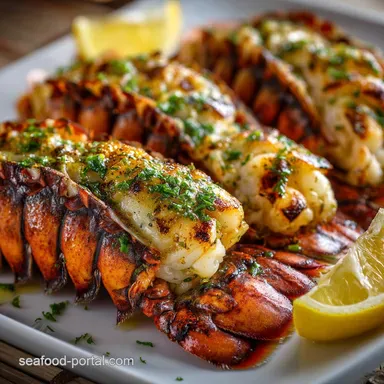
Ingredients:
Instructions:
Nutrition Facts:
| Calories | 325 kcal |
|---|---|
| Protein | 19.0 g |
| Fat | 27.0 g |
| Carbs | 1.0 g |
