Grilled Lobster Tail with Lemon-Garlic Butter
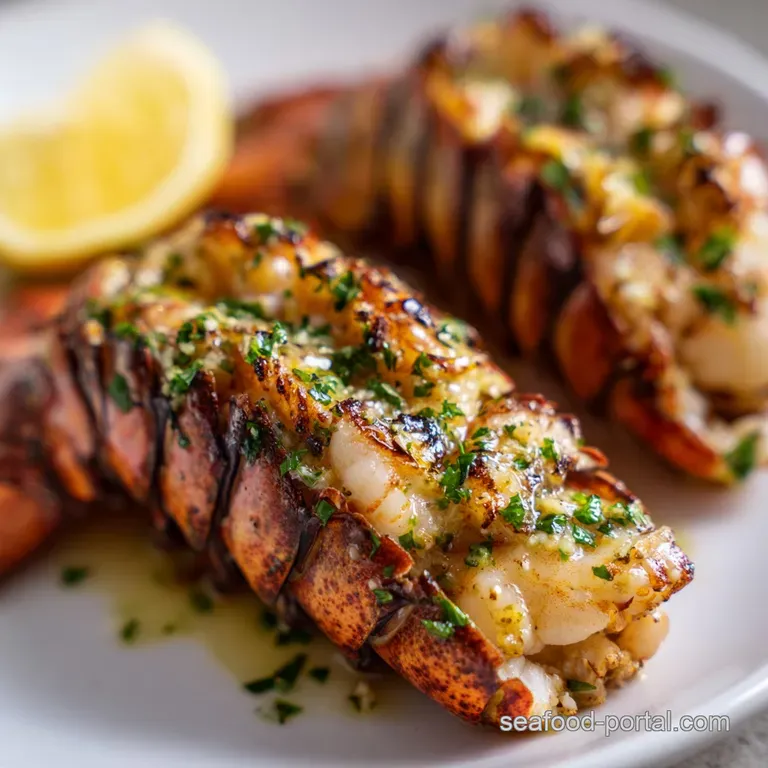
- The Bobby Dazzler: Ultimate Grilled Lobster Tail with Lemon-Garlic Butter
- Unlocking the Ultimate Grilled Lobster Experience
- The Science of Succulence: Why This Lobster Recipe Is Flawless
- Selecting Your Star: Ingredients for Ultimate Grilled Lobster Tails
- From Prep to Plate: Mastering the Grill for Tender Lobster
- Expert Secrets: Nailing the Perfect Texture Every Time
- Make-Ahead Prep and Handling Leftovers
- Pairing Perfection: What to Serve Alongside Your Decadent Seafood
- Recipe FAQs
- 📝 Recipe Card
The Bobby Dazzler: Ultimate Grilled Lobster Tail with Lemon Garlic Butter
That incredible aroma sweet, salty sea air mixed with melting garlic butter is everything you want in life. If you want a dinner that feels impossibly luxurious but takes less than 10 minutes on the heat, you’re in the right place, ready to master the perfect Grilled Lobster Tail .
This isn't just grilling; this is alchemy.
People think lobster is some sort of complicated, fancy restaurant secret, but honestly, making it at home is easier than perfecting most steaks. We use a simple butterflying technique that guarantees the meat cooks evenly, resulting in staggering juiciness without the fuss.
It saves you a fortune compared to ordering out, making this high end experience suddenly weeknight accessible.
I’ve made all the heartbreaking mistakes the rubbery texture, the burnt shells, the bland seasoning so you don't have to. We are focusing on precision, temperature, and a killer lemon garlic baste that elevates everything.
Let’s crack on and create the best Grilled Lobster Tail you’ve ever experienced, hitting all those sweet, smoky notes.
Unlocking the Ultimate Grilled Lobster Experience
If you’ve only ever steamed or boiled lobster, prepare to be amazed by the depth of flavor grilling delivers. High heat and direct flame caramelize the natural sugars in the meat just slightly, giving it a smoky dimension that plain butter poaching simply can't touch.
We’re going beyond just cooked; we’re going flavorful.
The critical difference here is the use of compound butter before and during the grilling process, combined with a precise temperature check. Using the shell as a natural vessel to protect the meat from drying out is pure genius.
This two-part approach ensures a tender interior and a beautifully browned, flavour infused exterior.
The Science of Succulence: Why This Lobster Recipe Is Flawless
This recipe is built on four core principles: rapid over high heat searing, meticulous temperature monitoring, the perfect butterfly cut, and the flavor injection from the butter. Each step is designed to combat the natural tendency of lobster meat to seize up and become tough under prolonged heat.
You deserve a tender, buttery Grilled Lobster Tail .
Why We Call It 'The Bobby Dazzler'
In my kitchen, a "Bobby Dazzler" is something truly exceptional, dazzlingly bright, and perfectly executed. This isn't a complex recipe; it relies on letting top-tier ingredients shine, but the result is pure showstopper quality.
I once served this alongside a simple salad, and my guests genuinely thought I’d ordered catering. It's brilliant.
Grill vs. Broil: The Flavor Advantage
While some fast methods exist like my technique for OvenCooked Lobster Tail: Juicy, Butterflied Recipe — nothing compares to the grill. The main benefit of grilling is that crucial smoky caramelization. When that meat hits the hot grate for just a moment, it builds a complex layer of flavor that broiling (which just uses radiant heat) misses completely. When you take the effort to make Grilled Lobster Tail , you want that summer BBQ feel.
Equipment Checklist: What You Need for Grilling Success
You don't need a fancy setup, but two items are non-negotiable for succeeding with this luxurious seafood dish. First, a reliable pair of sturdy kitchen shears is necessary for the butterfly cut; don't try to use standard scissors, or you'll have a nightmare.
Second, the single most important tool is an instant read digital thermometer .
Chef's Note: You cannot trust color alone when cooking lobster. The difference between perfectly tender (140°F) and shoe leather (145°F+) is only about 30 seconds on a hot grill. Measure, don't guess!
The Power of the Butterfly Cut
The butterfly cut is what sets a professional Grilled Lobster Tail apart from a simple, mediocre sear. Cutting the shell and lifting the meat out allows you to achieve two things simultaneously: direct heat exposure for searing and easy access for continuous basting.
It also reduces the cooking time significantly because the meat isn't trapped entirely within the thick shell structure.
Achieving Perfectly Tender Meat (No More Rubber)
Tender meat comes down to protein denaturation the moment the heat causes the proteins to tighten. We want them to tighten just enough to become firm and opaque, not so much that all the moisture is squeezed out. Short, over high heat cooking followed by gentle indirect heat is the ticket.
This ensures the exterior browns beautifully while the center slowly reaches that perfect 140°F mark.
Infusing Flavor with Lemon Garlic Butter
We’re using a compound butter, which is just a fancy way of saying butter mixed with herbs and seasonings. By using softened butter combined with fresh garlic and lemon zest, we create a baste that not only melts perfectly but also sticks to the lobster meat during the cook time.
This deep infusion is crucial for making the ultimate Grilled Lobster Tail taste vibrant and rich, not just faintly garlicky.
Selecting Your Star: Ingredients for Ultimate Grilled Lobster Tails
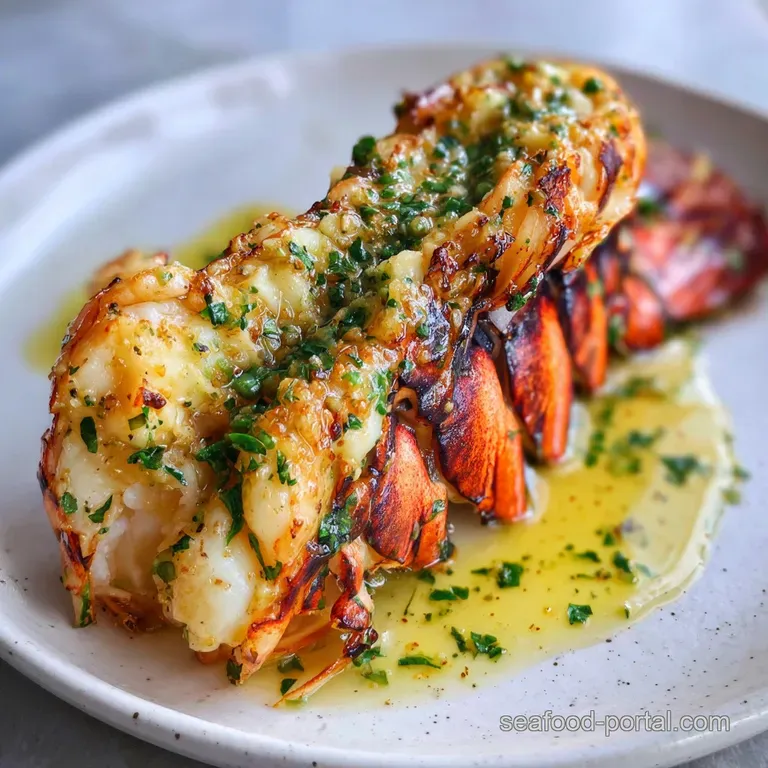
You only have a few ingredients, so their quality must be stellar. Don't skimp here; the lobster is the star, and the butter baste is its supporting actor.
Choosing the Best Lobster Tails (Size and Origin Notes)
I generally prefer cold water lobster tails Maine or Canadian because the meat tends to be firmer and a bit sweeter than warm water varieties. Aim for a tail size between 8 to 12 ounces (225g to 340g).
Anything much smaller tends to overcook quickly, and anything larger might need a very long time, risking uneven cooking. Always look for bright white meat and ensure the tails are fully thawed before prepping.
Crafting the Lemon Garlic Butter Compound
The secret to my lemon garlic baste is using both lemon zest and lemon juice. The zest carries the concentrated oil and aroma, which is preserved under the heat, while the juice provides the necessary acidity to balance the richness of the butter.
I strongly recommend using fresh garlic; pre-minced jarred garlic just doesn't offer the same pungency and depth required for a spectacular Grilled Lobster Tail .
Ingredient Swaps and Flavor Variations
Sometimes you run out of things, and that’s okay! Here are my trusted swaps, ensuring your Grilled Lobster Tail still tastes fantastic.
| Ingredient | Role | Viable Substitute |
|---|---|---|
| Unsalted Butter | Fat/Moisture | Clarified Butter (Ghee) or high-quality Olive Oil |
| Fresh Parsley | Freshness/Color | Chives or Fresh Tarragon (for an anise note) |
| Lemon Zest | Essential Oil | Lime Zest (for a slightly sharper profile) |
| Grapeseed Oil | over High heat Sear | Canola Oil or Avocado Oil |
Metric vs. US Customary Measurement Guide
Since precision is important, especially when crafting the baste, I’ve included both measurements. Remember, baking relies on weight (metric), but for simple sauces like this, volume (US Customary) works just fine, as long as you use proper measuring spoons.
For the full experience of a tender Grilled Lobster Tail , stick to the amounts listed.
From Prep to Plate: Mastering the Grill for Tender Lobster
This is where the magic happens. We need speed, precision, and plenty of melted butter.
Prepping the Tails: The Expert Butterfly Technique
- Thaw and Dry: This is crucial. Pat the thawed tails absolutely bone dry. Any residual moisture will turn into steam and prevent a good sear on your Grilled Lobster Tail .
- Make the Butter: Mix your softened butter with the garlic, zest, juice, and herbs. Season lightly with salt. Set this aside it’s the engine of the flavor.
- The Cut: Place the tail, shell side up. Use sturdy kitchen shears to cut straight down the top shell to the bottom of the tail, stopping before the tail fin . Do not cut the meat underneath yet.
- Expose and Lift: Gently pry the shell open with your fingers. Carefully slide a spoon or your thumb under the meat to loosen it from the bottom shell. Lift the entire piece of meat up and over the cut shell. You are resting the meat on top of the shell boat.
- Score and Oil: Lightly score the exposed meat lengthwise, perhaps three or four times, just about a millimeter deep. This helps the butter baste truly soak in. Brush the meat with a neutral oil (this prevents sticking) and season lightly with salt and pepper.
Grill Setup and Optimal Temperature Management
Preheat your grill to medium high heat, targeting 400°F (200°C). If you have a gas grill, turn one burner down to low or off entirely to create a two-zone setup this is your indirect zone. If you are using charcoal, pile the coals heavily on one side.
Always clean and oil your grates before cooking. This prevents the delicate lobster meat from adhering and tearing when you flip it.
The Critical Flip: Timing the Grill Perfectly
We start the cook by placing the Grilled Lobster Tail meat side down directly over the high, direct heat zone. This should only take 2 to 3 minutes, max. You are looking for a light char and beautiful grill marks. The meat will start turning opaque around the edges.
This initial sear locks in flavor.
Immediately flip the tails shell side down. Move them to the indirect heat zone (or reduce the heat significantly) for the remainder of the cook.
Basting and Finishing: Maximum Flavor Application
Once flipped and moved to indirect heat, immediately brush the exposed, scored lobster meat generously with your Lemon Garlic Compound Butter. Close the lid to let the internal temperature climb. Baste again halfway through the 5 7 minute cook time.
This double basting is the secret weapon for a juicy, deeply flavored Grilled Lobster Tail .
Expert Secrets: Nailing the Perfect Texture Every Time
The biggest failure when cooking a Grilled Lobster Tail is definitely texture. Rubber equals failure. Here are the secrets I learned the hard way.
The Danger Zone: How to Avoid Rubbery Grilled Lobster
Overcooking is the only enemy here. Lobster is lean protein, and once it passes its ideal temperature, it tightens dramatically. To prevent this, never walk away from the grill during the 8 10 minute cooking window. Once you see the shell glowing bright red, you know it’s almost time.
Checking for Doneness: The Internal Temperature Test
Pull the lobster immediately when the thickest part of the meat (avoiding the shell) hits 140°F (60°C). I know, it might feel early, but carryover cooking will push it up a few degrees as it rests.
This ensures that the beautiful, tender meat of your Grilled Lobster Tail stays perfectly moist.
Pro Tip: Pre-Salting vs. Post Seasoning
With seafood, excessive pre-salting can draw moisture out. For this recipe, we only lightly season the raw meat and rely heavily on the salt content in the butter baste for flavoring.
After the lobster rests, you can sprinkle a little finishing salt (like Maldon flakes) right before serving, which gives a nice textural crunch without dehydrating the meat during cooking.
make-ahead Prep and Handling Leftovers
The actual grilling of the Grilled Lobster Tail needs to happen right before serving, but you can save time on the prep work.
Refrigerating Cooked Lobster Tails Safely
If you somehow manage to have leftovers (a phenomenon that rarely occurs in my house), cool them rapidly. Place the cooked lobster tails in a sealed container and refrigerate within two hours of cooking. They will keep safely for 2 to 3 days.
Best Ways to Reheat Grilled Lobster
Reheating grilled seafood is tricky because it’s already cooked through. Avoid the microwave at all costs; it’s a direct ticket to Rubberville.
The best way to reheat: Wrap the tails tightly in aluminum foil with a small pat of butter. Heat them in a low oven (around 300°F / 150°C) for 5- 8 minutes, or until just warmed through.
You can also re-grill them over very low, indirect heat for 2- 3 minutes.
Pairing Perfection: What to Serve Alongside Your Decadent Seafood
Since the Grilled Lobster Tail is so decadent and rich thanks to that butter basting, the side dishes should be fresh, acidic, or simple enough not to compete.
Classic Side Dishes and Accompaniments
- Asparagus: Grilled asparagus spears with a squeeze of lemon and Parmesan cheese are a flawless, easy pairing.
- Risotto: A classic saffron risotto offers a creamy, savory backdrop that complements the richness perfectly. If I'm feeling extra fancy, I sometimes make a miniature version of my Lobster Dishes: Tender Butter Poached Tails with Saffron Risotto sides.
- Simple Salad: A light arugula salad dressed only with olive oil and white wine vinegar cuts through the butter wonderfully.
Wine Pairings
You need a wine with high acidity to stand up to the garlic butter. A crisp, dry Sauvignon Blanc or a Chablis (un-oaked Chardonnay) is fantastic. If you’re celebrating, nothing beats the refreshing bubbles and clean finish of a Brut Champagne.
Now go forth and grill that magnificent Grilled Lobster Tail . You got this!
Recipe FAQs
Why is my grilled lobster meat tough or rubbery?
Overcooking is the primary cause of rubbery lobster. Lobster meat must only be cooked until it reaches an internal temperature of 140-145°F (60-63°C), never higher. Use a quality instant read thermometer and pull the tails immediately once they hit this range to prevent the proteins from seizing up.
What is the easiest way to butterfly the lobster tail successfully?
Use sturdy kitchen shears to cut straight down the top center of the hard shell, stopping just before you reach the tail fin. Gently open the shell and then pull the meat up and over the opened shell, ensuring it remains attached at the base. This technique allows for beautiful presentation and direct heat exposure.
Can I use a gas grill instead of charcoal for this recipe?
Yes, a gas grill works perfectly well, but precise temperature control is vital. Aim for a consistent medium high heat around 400°F (200°C), and keep an eye on flare ups from the butter dripping onto the burners. Most of the cooking should be done shell side down to protect the delicate meat.
How can I tell exactly when the lobster is fully cooked and safe to eat?
The safest way is using a meat thermometer to confirm an internal temperature of 140°F (60°C). Visually, the meat should be completely opaque white throughout, with absolutely no translucent or grayish spots remaining. The shell will also turn a vibrant, bright red color.
What are some good flavor variations if I don't want to use lemon garlic butter?
You can experiment with several delicious basting options. Try a spicy Asian glaze made with soy sauce, ginger, and a dash of chili paste, or a rich herb Provençal butter incorporating fresh thyme and rosemary.
Remember that glazes containing sugar should only be applied during the last two minutes of grilling to prevent burning.
Should I thaw frozen lobster tails before grilling, or can I cook them straight from the freezer?
You must fully thaw the lobster tails before grilling. Grilling them from frozen will result in a terrible texture, as the outside will be rubbery and overcooked before the center is even warm. Thaw them overnight in the refrigerator or submerged in cold water for a quicker defrost.
How should I store leftover grilled lobster, and can I reheat it?
Store cooked lobster meat in an airtight container in the refrigerator for up to 3 days. While reheating can easily dry out the meat, leftovers are excellent served cold, often diced and mixed into salads, pasta dishes, or classic lobster rolls.
Ultimate Grilled Lobster Tail
Ingredients:
Instructions:
Nutrition Facts:
| Calories | 784 kcal |
|---|---|
| Protein | 73.1 g |
| Fat | 46.8 g |
| Carbs | 3.1 g |
