Crispy Southern Fried Oysters: Achieve That Shattering, Ultimate Crunch
- The Secret to Truly Crispy Southern Fried Oysters
- Essential Ingredients for Crispy Southern Fried Oysters
- Dry Mix Ratios and Substitutions
- Step-by-Step: Frying the Perfect Oysters
- Chef's Corner: Tips for Flawless Fried Oysters
- Prep Ahead and Storage Solutions
- Serving and Pairing Suggestions for Crispy Southern Fried Oysters
- Recipe FAQs
- 📝 Recipe Card
The Secret to Truly Crispy Southern Fried Oysters
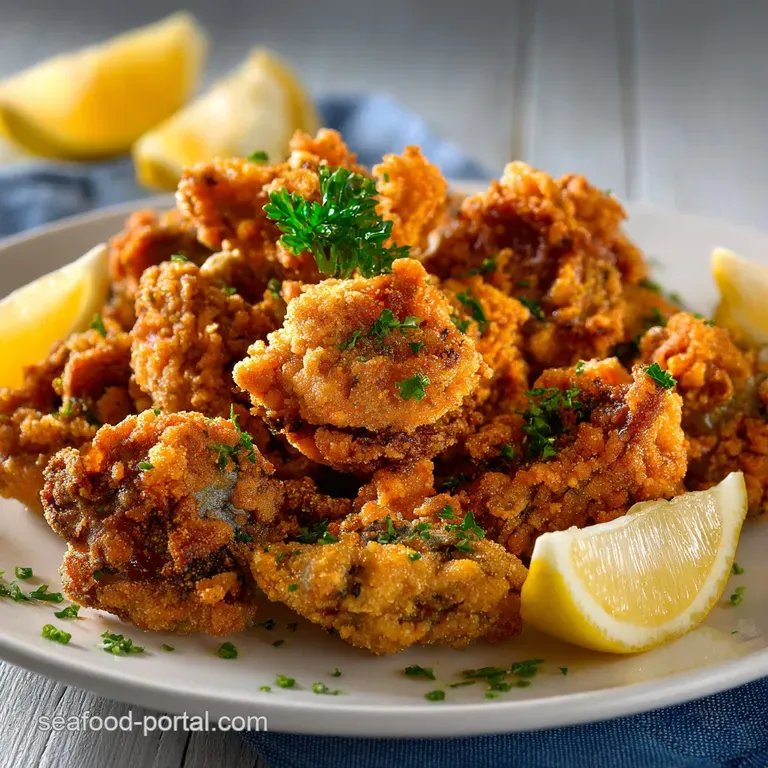
Can we talk about that crunch? That sound when you bite into a perfect fried oyster it’s pure sensory bliss. You get a flash of shattering crust immediately followed by the warm, briny burst of the oyster itself.
This isn’t about heavy, chewy batter; we are aiming for golden, delicate crispness every single time.
Many people assume this dish is restaurant only or incredibly complicated, but that’s just plain wrong. This recipe is surprisingly quick, demanding maybe an hour from prep to plate. Plus, making a huge batch at home is infinitely cheaper and better than ordering six measly ones at a pricey coastal joint.
It’s a total weeknight lifesaver if you need something fast and luxurious.
Forget everything you think you know about frying seafood, especially if you’ve had dense, soggy failures in the past. We’re going back to Southern basics, focusing on temperature, texture, and a simple, highly effective dredge. Let’s get these best southern crispy fried oysters on your table now.
The Southern Charm: Why Cornmeal is Key to the Crust
If you want a truly Southern, truly crispy fried oyster, you must embrace the cornmeal. Standard flour alone gives you a softer, fluffier texture, which is lovely for tempura but weak for deep frying oysters. Fine yellow cornmeal introduces necessary grit and structure.
This grit is what allows the coating to shatter into a million delicious pieces instead of tearing or chewing like heavy dough.
Brine and Batter: Achieving the Perfect Moisture Balance
Our wet soak isn't just for flavor; it’s an absolute necessity for texture. We use buttermilk because its natural acidity not only tenderizes the delicate oysters but, crucially, creates a sticky, slightly rough surface.
When that sticky, buttermilk coated oyster hits the dry dredge, the flour and cornmeal adhere like super glue. This binding action prevents the coating from sloughing off mid-fry.
Texture Science: Why Our Batter Shatters, Not Chews
The science of the shatter comes down to two things: double dipping and chilling. We run the oyster through the dry mix, then the wet mix, and then back into the dry mix (the essential triple dredge). This builds a thick, robust layer. But the real secret?
You have to chill them for at least 30 minutes. That cold, firm crust hits the hot oil, setting instantly, maximizing the crispness, and minimizing oil absorption. I skipped this step once, thinking I was a genius, and the resulting bald, soggy oysters were a total disaster.
Essential Ingredients for Crispy Southern Fried Oysters
| Ingredient | Role | Substitute (If needed) |
|---|---|---|
| Fresh Oysters (1 Pint) | The star! | None, obviously. |
| Buttermilk (1/2 Cup) | Acidity and binding. | Milk + 1/2 Tbsp white vinegar (Let sit 5 mins). |
| All-Purpose Flour (1 Cup) | Structure. | gluten-free 1:1 blend or rice flour. |
| Fine Cornmeal (1/2 Cup) | The crunch factor. | Finely ground semolina or Panko crumbs (will change texture). |
| Old Bay (2 Tbsp) | Signature flavor. | Mixture of celery salt, mustard powder, and cayenne. |
| Peanut/Canola Oil | Frying medium. | over High heat vegetable oil. |
Dry Mix Ratios and Substitutions
Achieving the perfect Fried Oysters Recipe depends entirely on the ratio of your dry coating. Don't eyeball this part. We need precision for maximum crispy pan-fried oysters perfection.
Choosing the Best Oysters for Frying (Size and Type)
When choosing your main ingredient, plump, medium sized oysters are the sweet spot. If they are too tiny, they disappear completely into the coating. If they are massive, the outside will burn before the interior warms up properly. Ask your fishmonger for standard shucked frying oysters, and ensure they are very fresh.
Detailed Breakdown: Flour, Cornmeal, and Spice Ratios
I swear by a 2:1 ratio of flour to cornmeal. The flour keeps the coating light while the cornmeal guarantees the signature Southern bite. Old Bay is essential here for authentic flavor, but don't forget the smoked paprika. That extra layer of savory depth and color is what makes these look professional.
This mix ensures your Fried Oysters Southern flavor profile is spot-on.
Remoulade Ingredients Checklist
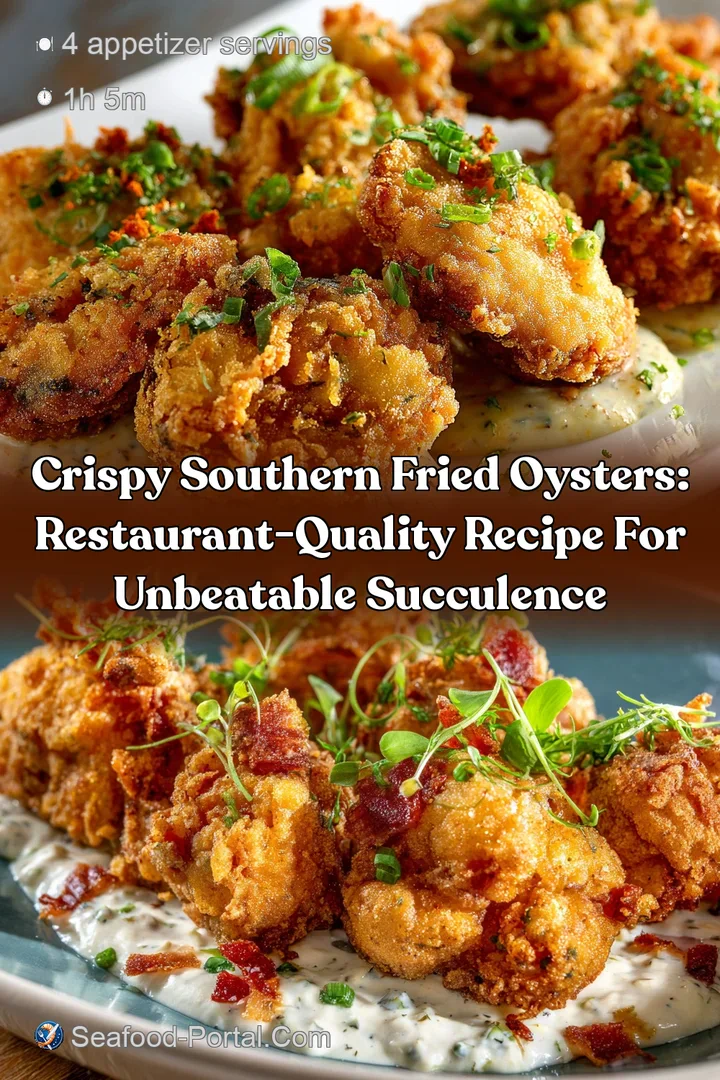
You cannot serve Crispy Southern Fried Oysters without a sharp, zesty dipping sauce. My simple remoulade recipe needs creamy mayonnaise, Creole mustard, a generous spoonful of prepared horseradish, some cayenne for heat, and a splash of pickle juice.
It's acidic, creamy, and utterly essential for cutting through the richness of the deep fry.
Dairy Soak Alternatives: Buttermilk vs. Cream
Buttermilk is always the first choice for its acidity and thickening power. If you are really in a bind and don't have buttermilk, you can substitute it using a DIY sour milk solution. Simply mix regular whole milk with lemon juice or white vinegar and let it sit for about five minutes until it thickens slightly.
This provides the necessary cling factor for the dredge.
step-by-step: Frying the Perfect Oysters
Preparation: Shucking, Rinsing, and Drying Protocol
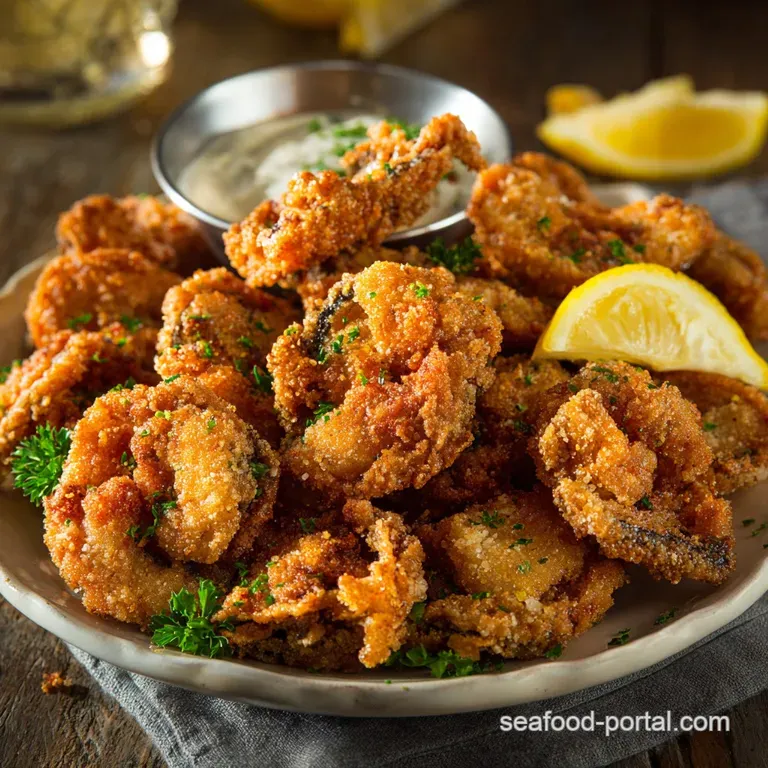
Start by ensuring your shucked oysters are well drained of their liquor. Excessive liquid is the number one enemy of crispy coating! Gently pat them dry with paper towels. You want them to be moist enough for the batter to stick, but not wet enough to liquefy the coating.
Building the Perfect Triple Dredge Station
Set up your assembly line: 1) The seasoned buttermilk soak. 2) The dry dredge mix (flour, cornmeal, spices). 3) A wire rack placed over a baking sheet. Dip the dry oyster into the buttermilk, shake off the excess, and then bury it completely in the dry mix.
Use firm pressure to press the coating onto every surface. Place the breaded oysters on the wire rack and chill for 30 minutes do not skip this.
Frying Method: Achieving the Golden 90 Second Rule
Heat your oil to a stable 375°F (190° C) . Use a reliable thermometer, please! Carefully drop 4 6 chilled, breaded oysters into the hot oil using tongs. They only need 90 seconds to 2 minutes maximum.
The oysters are cooked the moment they float and turn a deep, beautiful golden brown.
Draining and Seasoning Immediately Post Fry
Remove the pan-fried Oysters immediately with a spider or slotted spoon. Place them directly onto the wire cooling rack (never paper towels, which trap steam). Crucially: Hit them generously with flaky sea salt the second they come out of the oil.
The salt adheres best when the coating is sizzling hot.
Chef’s Note: The 90 second rule is non-negotiable for tender centers. Oysters seize up and become rubbery very quickly, so speed and high heat are your allies here.
Chef's Corner: Tips for Flawless Fried Oysters
Temperature Control: The Importance of Oil Recovery Time
Every time you add a batch of cold, raw oysters, the oil temperature plummets. If you rush the next batch, your oil will be too cool, and the oysters will simply soak up grease instead of getting crispy. Always wait until your oil thermometer registers 375°F again before adding the next round. This is essential for all deep fried seafood, whether it’s these beauties or if you're making Crispy Crab And Shrimp Queso Taquitos: The Ultimate Party Appetizer .
Troubleshooting: Why Your Batter Falls Off
If your coating is sliding right off during frying, I guarantee one of two things happened: You didn't thoroughly dry the oysters initially, or you skipped the chilling step. The chilling time allows the wet/dry layers to meld and adhere completely to the delicate surface of the oyster.
Without it, the crust simply won't stick.
Never Overcrowd the Fryer Basket
This tip goes hand-in-hand with temperature control. Overcrowding is the easiest way to sabotage the texture. Fry in small batches five or six at a time is usually perfect.
If you overcrowd the pot, the temperature drops instantly, and you’ll end up with steamed, sad, oily coating instead of the crispness we crave.
Prep Ahead and Storage Solutions
Reheating Leftovers: Restoring the Crunch
Leftover fried oysters are almost unheard of, but if you manage to squirrel some away, don’t use the microwave. To revive that gorgeous coating, use the air fryer at 375°F (190°C) for about 4– 6 minutes.
Alternatively, a conventional oven at 400°F works perfectly for about 8 minutes. You need fast, high, dry heat.
Can You Freeze Fried Oysters? (Best Practices)
Yes, you can freeze them! The trick is to freeze them before you fry them. Once they are breaded and chilled, flash freeze the raw oysters on the wire rack until solid. Then transfer them to a freezer safe bag. They'll keep well for about two months.
When ready to cook, fry them straight from frozen, adding about 30 60 seconds to the overall cook time.
Serving and Pairing Suggestions for Crispy Southern Fried Oysters
The Ultimate Pairing: Zesty Remoulade Recipe
You absolutely need a sharp, acidic counterpoint to the rich, deep fried quality of these best southern crispy fried oysters . Serve them piled high next to a bowl of zesty remoulade (recipe below!). For a truly decadent Southern feast, pair these with a crisp, vinegary coleslaw and maybe a slice of something incredibly rich for dessert I'm often dreaming of making my Butter Pecan Praline Poke Cake: Decadent Southern Praline Sauce Recipe afterward.
For something slightly less decadent but still spectacular, a nice green salad dressed with a punchy vinaigrette works wonders. And don't forget the bubbles! A crisp, dry sparkling wine or a light lager is the ideal beverage pairing.
Recipe FAQs
What is the optimal oil temperature for achieving a crispy crust without overcooking the oysters?
The optimal temperature for frying is 375°F (190°C). This high heat allows the crust to set quickly and achieve maximum crispness before the delicate oyster interior overcooks.
Use a reliable deep fry thermometer and adjust the heat frequently, especially after adding each batch, to maintain the correct temperature range.
Why are my fried oysters sometimes soggy or oily instead of perfectly crisp?
Sogginess usually results from insufficient oil temperature or overcrowding the pan, which causes the temperature to drop drastically. Ensure the oil is maintained above 350°F (175°C), and only fry in small batches so the heat recovers quickly.
Additionally, patting the shucked oysters completely dry before the buttermilk soak is critical, as excess surface moisture turns to steam and ruins the crust.
Can I bread the oysters ahead of time for easier prep, or should I fry them immediately?
Breaded oysters should ideally be fried immediately, but you can bread them up to one hour in advance if necessary.
If preparing ahead, place the breaded oysters on a wire rack (not directly on a plate) in the refrigerator, uncovered, to allow the crust to dry slightly and adhere better before frying.
My oysters taste rubbery after frying. What did I do wrong?
Rubbery texture is caused almost exclusively by overcooking; oysters only require 90 seconds to 2 minutes of frying time at the proper temperature.
If the oil temperature is too low, the crust takes too long to brown, inevitably resulting in an overcooked, chewy interior.
I want a finer coating. Can I substitute the cornmeal with something else?
While cornmeal provides the traditional southern texture, you can substitute it with Panko breadcrumbs for a lighter, shaggier, and even crunchier crust.
If using Panko, make sure to thoroughly press the mixture onto the oyster so the breading adheres securely during the cooking process.
Is the buttermilk soak necessary, or can I just use egg wash?
The buttermilk soak serves multiple purposes: it tenderizes the oyster muscle due to its mild acidity, and its thickness provides a superior adhesive base for the flour and cornmeal mixture.
While you can use an egg wash, the resulting crust will be thinner, and the oyster may not achieve the same level of tenderness.
How should I store leftover fried oysters, and is it possible to reheat them to be crispy again?
Leftovers should be stored in an airtight container in the refrigerator for up to two days.
To reheat, avoid the microwave entirely, as it causes steaming; instead, use an air fryer set to 350°F (175°C) for 3 5 minutes or bake them on a wire rack in a 400°F (200°C) oven until fully crisp.
Ultimate Crispy Southern Fried Oysters
Ingredients:
Instructions:
Nutrition Facts:
| Calories | 380 calories |
|---|---|
| Fat | 25 grams |
| Fiber | 2 grams |
