Red Lobster Sausage Balls: Ultimate Cheddar Bay Appetizer
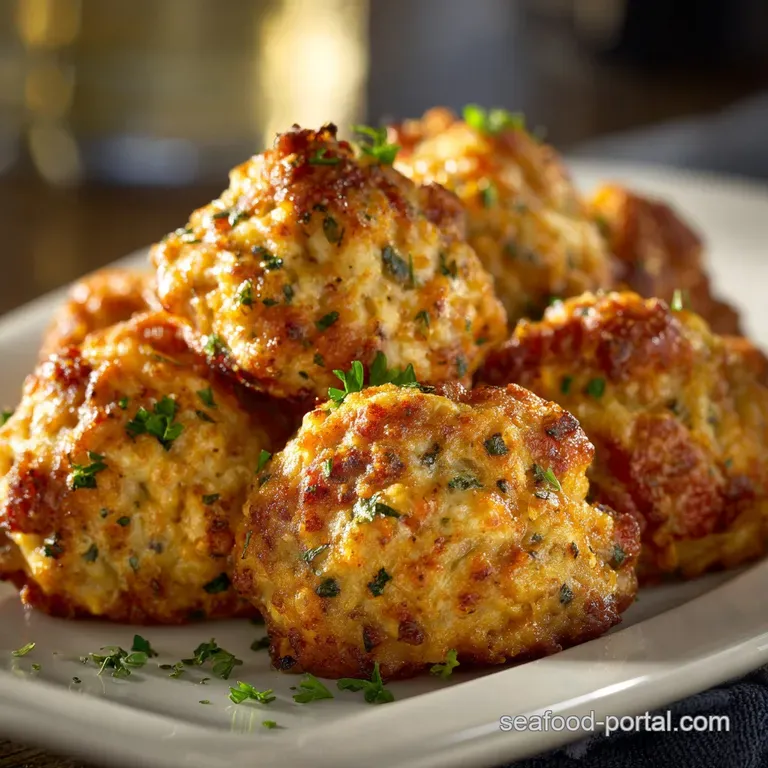
- Elevating the Appetizer Game: Introducing Red Lobster Sausage Balls
- The Science of Snackability: Why This Recipe is Utterly Moreish
- Essential Ingredients for Authentic Red Lobster Sausage Balls
- Rolling and Baking: Your Guide to Perfect Cheddar Bay Sausage Balls
- Troubleshooting and Chef's Notes for Smashing Success
- make-ahead Strategy: Storing and Freezing Sausage Balls
- Dip Decisions: Serving Suggestions for Red Lobster Sausage Balls
- Recipe FAQs
- 📝 Recipe Card
Elevating the Appetizer Game: Introducing Red Lobster Sausage Balls
If there is one scent that instantly teleports me to happiness, it’s the smell of baking cheddar, garlic, and fresh herbs. It's truly intoxicating. You walk in the door and know something glorious is happening, something profoundly savory and comforting.
This recipe takes the incredibly practical, easy peasy American sausage ball and injects it with pure, unapologetic Cheddar Bay flavor. Why settle for bland biscuit mix when you can have that garlicky, cheesy goodness?
These little bites are cheap, ridiculously fast to throw together, and disappear from the party platter faster than you can grab a second glass of wine.
I’ve made dozens of versions of the classic recipe, but trust me, this Red Lobster Sausage Balls Recipe is the endgame. We ditch the unnecessary extras and lean hard into the seasoning profile that made those biscuits famous. Ready to crack on?
The Science of Snackability: Why This Recipe is Utterly Moreish
We aren't just blindly throwing ingredients together here. There's real logic to how we achieve that light texture combined with intense flavor. This approach stops the sausage balls from becoming dense, dry little rocks.
The Inspiration: Marrying Sausage Balls and Cheddar Bay Flair
The traditional sausage ball relies on Bisquick, which is fine, but it lacks personality. We build our own dry mix using all-purpose flour and baking powder, but crucially, we load it up with the Cheddar Bay spices: garlic powder, onion powder, and dried parsley. That is the secret sauce.
It is the infusion of these spices right into the dough that makes them taste authentic.
What Makes These Sausage Balls Different?
Most recipes miss the final, essential step: the butter baste. Just like with the famous biscuits, immediately after these come out of the oven, they are brushed with a mixture of melted butter, extra garlic, and parsley. The hot, porous surface soaks up all that glorious fat and flavor. It’s a trick I even use when making Pan Seared Salmon: Ultra Crispy Skin Lemon Butter Sauce Recipe — fat equals flavor absorption.
Expected Prep and Cook Time
This is a fast food, seriously. Prep takes about 15 minutes, mostly just grating the cheese. The mandatory 30 minute chill time is crucial, though, so plan ahead. You can be mixing up a fancy starter, like my quick and dirty Lobster Bisque: The Proper French Classic Soup Recipe , while these are firming up.
Achieving the Perfect Internal Texture
We keep the sausage and cheese cold before mixing. This ensures the fat particles stay intact and don't prematurely melt during mixing or shaping. When the cold dough hits the hot oven, the fat renders quickly, creating steam pockets inside the balls, which translates to a wonderfully light, fluffy texture rather than a dense, rubbery one.
The Secret to Maximum Garlicky Flavor Infusion
It’s all about the double whammy of garlic powder. We mix a good amount into the dough, but then we hit them again with the hot garlic butter baste right after baking. Garlic powder works better than fresh here, giving a more controlled, diffused flavor, just like the original biscuits.
The Role of Cheese in Binding and Moisture
Sharp cheddar cheese does two important jobs. First off,, the fat content adds essential moisture to the flour/sausage mixture. Next,, as it melts, it acts as a glue, binding the raw sausage particles together.
This is why fresh grating matters so much those anti caking agents in pre-shredded cheese are total vibe killers and stop the proper binding action.
Essential Ingredients for Authentic Red Lobster Sausage Balls
This is a simple list, but the quality of your ingredients makes a huge difference in the final taste of these Red Lobster Sausage Balls.
Choosing the Best Sausage Blend (Pork Notes)
I always recommend bulk breakfast sausage. The seasoning (sage, pepper) is already spot on, and the fat content (usually around 30%) is ideal for holding the shape and maintaining moisture. You can go mild or hot, depending on your tolerance for spice.
Hot sausage with the sharp cheddar is my personal preference.
Mastering the Dry Mix: The Cheddar Bay Spice Elements
Beyond the flour and baking powder, the spices are non-negotiable: garlic powder, onion powder, and dried parsley. Salt levels can be tricky here, so taste your sausage first. If it's highly seasoned, pull back on the added salt; if it's plain ground pork, you'll need the full amount.
Cheese Selection: Sharp Cheddar vs. Mild
Go sharp, every time. You need that tangy, punchy flavor to cut through the richness of the pork and butter. Mild cheddar just gets lost. If you can find white sharp cheddar, it looks really elegant, but standard orange sharp cheddar works perfectly.
Ingredient Swaps and Dietary Notes
Need to make adjustments? No worries. This is a very forgiving recipe.
| Original Ingredient | Recommended Substitute | Chef's Note on Usage |
|---|---|---|
| Pork Breakfast Sausage | Ground Turkey/Chicken Sausage | Must add 2 Tbsp of melted butter or milk to compensate for lower fat. |
| Sharp Cheddar | Pepper Jack or Gruyère | Pepper Jack gives heat; Gruyère gives a nutty richness and excellent melt. |
| All-Purpose Flour | 1:1 gluten-free Blend | Ensure your blend contains xanthan gum for structure. |
| Baking Powder | Baking Soda (if no BP is available) | Use ¼ the amount and ensure you incorporate an acidic element like a splash of lemon juice or buttermilk. |
Chef's Note: If you only take one piece of advice from this entire article, let it be this: Grate your own sharp cheddar. Pre-shredded cheese contains cellulose which stops it from melting properly and often results in drier, gritty sausage balls.
Rolling and Baking: Your Guide to Perfect Cheddar Bay Sausage Balls

Let's nail this process. The key is gentle handling and precise timing.
Preparation: Prepping the Dry and Wet Mixes
First, preheat the oven to 375°F (190°C) and line your trays. In a big bowl, whisk together all your dry ingredients: flour, baking powder, spices, salt, and pepper. Make sure those flavor bombs are well distributed before adding anything wet.
The Art of Mixing (Avoiding Overworking)
Add the cold, raw sausage and the grated cheese directly into the dry mix. Now, ditch the spoon. Use your hands. You need to squeeze and fold the mixture until everything is just combined. Stop the moment you no longer see pockets of dry flour.
Overworking the dough develops the gluten in the flour, which makes the resulting sausage balls tough and dense.
Uniform Ball Rolling Technique
After chilling the dough for 30 minutes (do not skip this!), grab a cookie scoop. A 1.5 tablespoon scoop is perfect. Scoop the dough and release the balls onto the prepared baking sheet.
Using a scoop ensures that every single Red Lobster Sausage Ball is the same size, guaranteeing they cook evenly.
Optimal Baking Temperatures and Doneness Checks
Bake at 375°F (190°C) for 20 to 25 minutes. They should be beautifully golden brown on the outside. To be absolutely sure they are done, the internal temperature should hit 165°F (74°C). Pull them out, and immediately grab that pastry brush.
Troubleshooting and Chef's Notes for Smashing Success
Preventing Crumbly Balls (Moisture Balance)
If your dough is too crumbly before baking, it probably means your sausage was too lean (low-fat) or you used pre-shredded cheese. Fix: Add a tablespoon or two of milk or melted butter, mixing gently until the dough holds together when squeezed.
Why They Came Out Too Hard (Mixing Time)
They are tough because you overworked the dough. The moment the flour and liquid (sausage fat) meet, gluten starts forming. The longer you mix, the stronger the gluten network gets, making them dense and rubbery. Next time, mix quickly and minimally.
Speed Tips: Using a Cookie Scoop for Consistency
Seriously, a cookie scoop is your best friend here. Not only does it ensure even cooking, but it prevents you from handling the dough too much, which keeps the fat cold and minimizes that pesky gluten development.
Scaling the Recipe for a Larger Crowd
This recipe is incredibly easy to double or triple. Just use the same ratios. When batch baking, use two separate baking sheets and make sure there is plenty of air circulation in the oven. You might need to add 5– 8 minutes to the baking time if the oven is fully packed.
make-ahead Strategy: Storing and Freezing Sausage Balls
These are incredible make-ahead appetizers. You have two excellent options.
Freezing Raw vs. Cooked Balls
Raw is superior. Form the balls and flash freeze them on a parchment lined tray until solid (about 2 hours). Transfer the rock solid balls to a heavy duty freezer bag. They keep brilliantly for up to 3 months.
When ready to bake, place them directly on the prepared sheet no need to thaw! Just add about 10– 15 minutes to the total baking time.
Cooked: You can freeze already baked sausage balls (without the butter baste) for up to 2 months.
Best Methods for Thawing and Reheating
If freezing cooked balls, thaw them overnight in the fridge. Reheat in a 300°F (150°C) oven for about 10– 15 minutes until warmed through. They will dry out if microwaved, so avoid that if you can! Once hot, apply the fresh garlic butter baste for instant flavor revival.
Dip Decisions: Serving Suggestions for Red Lobster Sausage Balls
These delicious, savoury bites are pretty fantastic all on their own. But who doesn’t love a good dipping sauce?
A cool, tangy dip contrasts beautifully with the warm, salty sausage. Think simple homemade Ranch dressing or a classic honey mustard. You could even jazz up some mayonnaise with smoked paprika and a splash of pickle brine for a quick, unique sauce.
These are the ideal counterpoint to richer seafood dishes. When I'm planning a heavy meal, perhaps serving something like Creamy Lobster Pot Pie: Ultimate Luxe Comfort Food Recipe later in the evening, I like to put these out early to tide everyone over. They pair especially well with a crisp, dry hard cider or a cold, bright Sauvignon Blanc that cuts through the pork fat. Enjoy, friends!

Recipe FAQs
Can I prepare these sausage balls ahead of time?
Yes, you can assemble the balls completely and store them tightly covered in the refrigerator for up to 24 hours before baking. Alternatively, flash freeze the unbaked balls on a tray until solid, and then transfer them to an airtight bag; they can be baked directly from frozen (adding about 5 10 minutes to the cook time).
Why are my sausage balls turning out dry or crumbly?
Dryness usually indicates either overbaking or an insufficient amount of moisture in the initial mixture, often caused by using too much dry baking mix. Ensure you measure the baking mix accurately and avoid overworking the dough, as excessive mixing can develop gluten, leading to a tough rather than tender texture.
Can I use a different type of meat besides traditional breakfast sausage?
Absolutely. While mild or hot breakfast sausage provides the authentic rich flavour profile, you can substitute it with ground turkey or ground chicken. If substituting, remember that lean meats require extra seasoning, so increase the garlic powder, salt, and pepper slightly to compensate for the lower fat content.
What is the best substitute for sharp cheddar cheese in this recipe?
Since the cheddar is essential to achieving the characteristic Red Lobster flavour, a sharp yellow cheddar is highly recommended. If you need a substitute, Monterey Jack or Colby Jack are good alternatives as they melt exceptionally well and provide a similar mild, creamy texture, though they lack the signature tang of sharp cheddar.
My sausage balls spread out instead of staying round. What went wrong?
This often happens if the mixture was too warm or if the ingredients were not sufficiently bound. Ensure all ingredients, especially the sausage and cheese, are cold before mixing, and never mix longer than necessary.
Chilling the formed balls for 15 minutes prior to baking helps the fat solidify, ensuring they hold their shape better during cooking.
How should I reheat leftover baked sausage balls?
The best way to reheat leftovers is in the oven or an air fryer to maintain their crispy exterior. Place the sausage balls on a baking sheet and heat them at 350°F (175°C) for about 8 10 minutes, or until warmed through. Microwaving is faster but can often result in a softer, chewier texture.
Can I make these sausage balls gluten-free?
Yes, you can easily adapt this recipe by substituting the standard baking mix (such as Bisquick) with a certified gluten-free alternative. Ensure that the resulting dough is moist enough to bind together easily; if the dough seems too dry, add a small splash of milk or cream until the mixture holds its shape.
Ultimate Cheddar Bay Sausage Balls

Ingredients:
Instructions:
Nutrition Facts:
| Calories | 220 calories |
|---|---|
| Fat | 16 g |
| Fiber | 0.5 g |
