Brown Sugar Salmon Glaze: Sticky Sweet Baked Fish
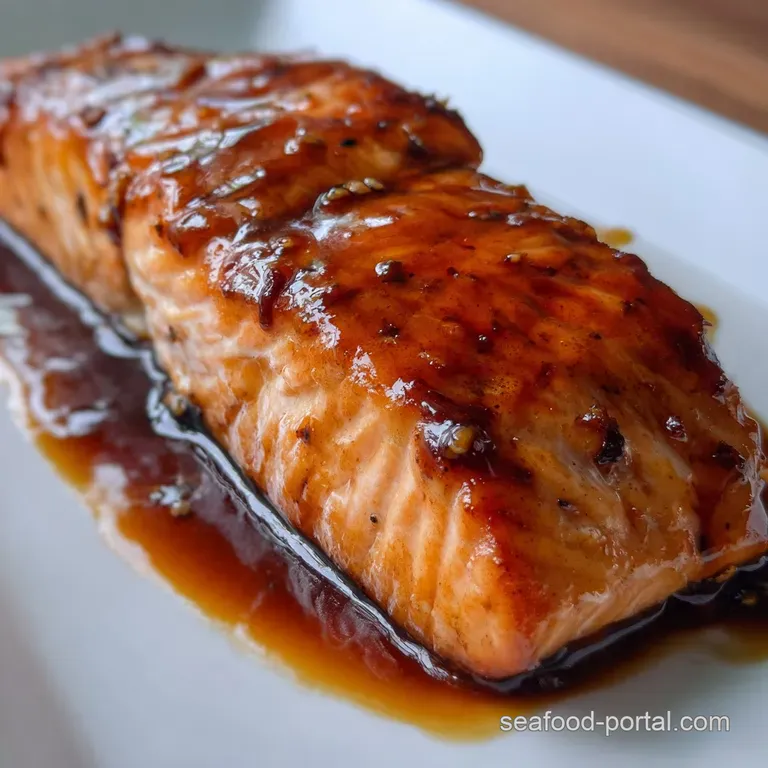
- Sticky & Sweet: The Ultimate Brown Sugar and Soy Glazed Salmon
- The Ultimate Sticky & Sweet Salmon Glaze Recipe
- Mastering the Perfect Sweet-Savory Balance
- Essential Ingredients for the Brown Sugar Salmon Glaze
- Achieving a Sticky, Perfectly Cooked Brown Sugar Salmon
- Pro Tips for Flaky Salmon and a Lacquered Finish
- The Best Side Dishes to Serve with Sweet Glazed Salmon
- Storing and Reheating Leftover Glazed Salmon
- Recipe FAQs
- 📝 Recipe Card
Sticky & Sweet: The Ultimate Brown Sugar and Soy Glazed Salmon
The Ultimate Sticky & Sweet Salmon Glaze Recipe
That smell. It’s what hits you first when you make this incredible Brown Sugar Salmon Glaze . It's smoky, deeply sticky, and just slightly salty the kind of complex aroma that makes everyone pause whatever they're doing and wander into the kitchen.
We are definitely aiming for that intensely lacquered, caramelized perfection that seems impossible to achieve outside of a restaurant.
This recipe is my absolute secret weapon for a truly impressive weeknight meal. It requires minimal ingredients you probably already have lurking in the pantry, and honestly, the whole process takes less than 25 minutes from start to finish.
If you want massive flavor payoff with zero corresponding stress, this is it.
Forget those complicated marinades that take hours just to develop flavour. We're talking about a quick, simmering reduction that clings to the salmon like a dream, instantly turning a simple fillet into a showstopper.
This simple Brown Sugar Salmon Glaze preparation ensures moisture inside and incredible texture outside.
Mastering the Perfect Sweet Savory Balance
Why this glazed salmon is a guaranteed weeknight secret weapon
Everyone needs a reliable, five star fish recipe in their rotation, and this is mine. The biggest reason this works so well on a Tuesday night is speed; the glaze reduces while the oven preheats, simplifying the entire timeline.
Plus, salmon is a fatty fish, which means it handles the high heat necessary for caramelization without drying out immediately.
Sweet and Savoury: Defining the Flavor Profile of the Glaze
The heart of a great Brown Sugar Salmon Glaze lies in the contrast. We rely heavily on the deep, molasses notes of brown sugar for sweetness, but then immediately hit it with sharp acidity and intense umami. This duality prevents the dish from tasting like dessert. It’s pure balance.
What makes this glaze intensely satisfying and restaurant quality
It’s all about the texture, darling. When that brown sugar is simmered down with the soy sauce, it creates a thick, syrupy reduction. This high viscosity coating is perfect for brushing onto the fish, setting the stage for a dramatic, sticky crust when exposed to high heat.
That satisfying crackle when you cut into it? That’s what we’re going for.
The Science of Caramelization: Achieving a Deep, Sticky Crust
Caramelization is basically magic. When sugars (like those in our brown sugar) are heated above 320°F (160°C), they break down, releasing hundreds of new flavor compounds. Because we apply the glaze only halfway through the bake and often finish with a quick broil, we get a rapid surface cook.
This ensures the sugar transforms into a deep, mahogany crust instead of just melting away or burning immediately.
Why Soy Sauce is Critical to Umami Depth
If you only used brown sugar and water, you’d have syrup. Soy sauce provides the essential salty, fermented depth that classic umami flavour that anchors the sweetness perfectly.
It also contains amino acids that contribute to the browning process, enhancing the final color of the Brown Sugar Salmon Glaze .
How Acid (Rice Vinegar) Cuts Through the Glaze's Richness
The best way to balance anything overly rich or sweet is with acid. A tablespoon of rice vinegar (unseasoned, please!) brightens the entire glaze. It acts as a counterpoint to the molasses heavy brown sugar, ensuring the final bite is complex and dynamic, not flat or cloying.
Don’t skip this small, mighty ingredient.
Essential Ingredients for the Brown Sugar Salmon Glaze
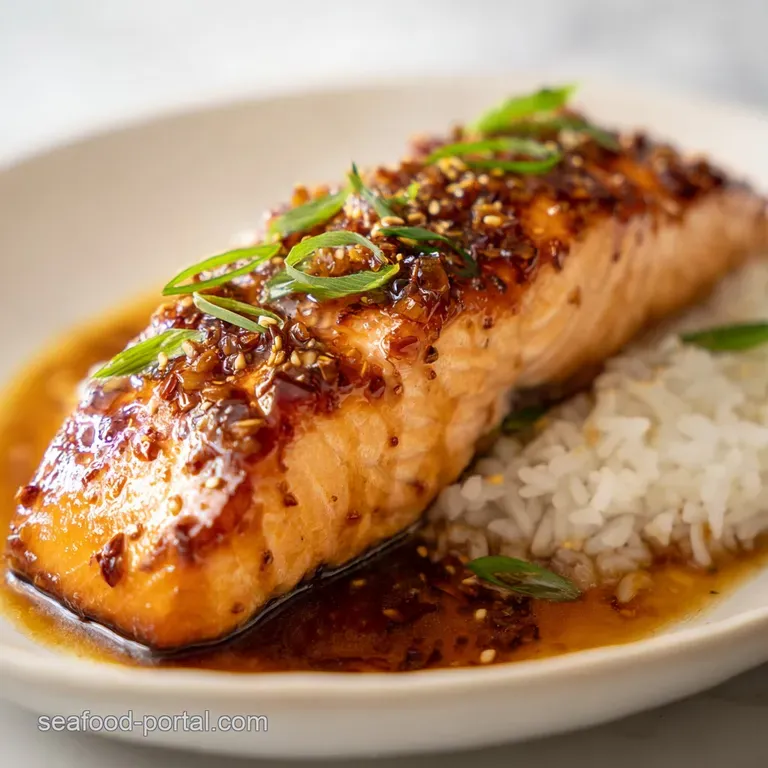
We are keeping the ingredients minimal here because, frankly, complicated is boring. Quality matters, though. Trust me, fresh ginger is worth the tiny bit of effort.
Selecting the Best Salmon Fillets (Skin On vs. Off)
I almost always prefer skin-on salmon for this recipe, particularly if I am using the oven or a Pan Seared Salmon: Crispy Skin Lemon Butter Sauce method. The skin acts as a barrier, protecting the delicate flesh from the intense heat and preventing it from drying out. If you prefer skinless, aim for thicker, center cut fillets; they are far more forgiving.
Light vs. Dark Brown Sugar: Which is Better for Glazing?
Use light brown sugar for this recipe. Dark brown sugar has a higher molasses content, which can sometimes taste a little too heavy or even bitter once reduced down and caramelized under intense heat.
Light brown sugar offers the perfect amount of depth and richness without overwhelming the delicate flavor of the fish itself.
The Role of Fresh Ginger in Brightening the Glaze
I know, grating ginger is a minor chore, but it is absolutely essential for lifting this Brown Sugar Salmon Glaze out of the ordinary. The fresh, zesty bite of ginger prevents the glaze from feeling too heavy or one-dimensional.
If you skip it, your glaze will still be tasty, but it won’t sing.
Smart Substitutions for Soy Sauce (Low-Sodium Options)
I always recommend low-sodium soy sauce because the glaze reduces and concentrates the saltiness significantly. If you are avoiding gluten, Tamari is a perfect 1:1 swap. Coconut Aminos also work wonderfully, though they are often slightly sweeter and require less brown sugar in the initial mixture.
| Ingredient | My Recommendation | Quick Substitution |
|---|---|---|
| Salmon Fillets | Skin-on, center cut | Cod or Halibut (adjust cooking time) |
| Light Brown Sugar | Packed | Maple Syrup or Honey (use 1/4 cup) |
| Low-Sodium Soy Sauce | Kikkoman or similar | Tamari (GF) or Coconut Aminos |
| Rice Vinegar | Unseasoned | Apple Cider Vinegar (ACV) |
| Fresh Ginger | Grated | 1/2 tsp ground ginger (use less!) |
Achieving a Sticky, Perfectly Cooked Brown Sugar Salmon
The secret here is timing. We don't glaze until the fish is halfway cooked. This is the crucial step in creating that perfect, non-burnt surface for our delicious glaze.
Preparing the Simple Brown Sugar Glaze Base
Start by combining all the glaze ingredients (brown sugar, soy sauce, vinegar, water, garlic, and ginger) in a small saucepan. Bring it to a gentle simmer over medium heat, stirring until the sugar is totally dissolved.
Let it bubble gently for about 3– 5 minutes until it thickens slightly it should look syrupy, not watery. Don't over reduce it here; it needs to be brushable.
The Ideal Method for Marinating Salmon (Time Matters)
You do not need to marinate the salmon in this sticky Brown Sugar Salmon Glaze for hours. In fact, you shouldn't! Because the glaze contains acid and salt (from the vinegar and soy sauce), marinating fish for too long can start to "cook" the edges or make the texture mushy.
Instead, pat your fish dry, season well, and brush the glaze on during the cooking process.
If you are looking for other preparation methods, this glaze is also fantastic when applied right before cooking using the Grilled Salmon: The Best Way to Grill Flaky Fillets technique; just be careful about flare ups!
Oven vs. Broiler: Cooking Method Differences for Maximum Caramelization
I highly recommend the oven-to-broiler combo for the best results with this Brown Sugar Salmon Glaze recipe. Baking at 400°F (200°C) ensures the salmon cooks through evenly and gently.
The quick, final 1– 2 minutes under the broiler (or grill, if you’re UK based) is what creates that intense, beautiful crust.
The Best Way to Apply the Glaze for Maximum Stickiness
We use a two-phase application process. First, bake the salmon plain for 6 minutes to establish a little structure. Second, pull the fish out, brush on a thick, even layer of the glaze, and return it to the oven for the remaining cook time.
Finally, if you want that truly lacquered sheen, brush on any remaining glaze right before the optional 60 second broil. This layering technique ensures maximum stickiness and flavor penetration.
Pro Tips for Flaky Salmon and a Lacquered Finish
Preventing the Brown Sugar Glaze from Burning or Running Off
This is the number one mistake people make! If you put the glaze on too early, the sugar will burn before the fish is cooked. If you put it on too late, it will run right off the cold surface.
Applying it halfway through, and making sure the glaze is slightly cool and thick before brushing, is your best defense against failure. Always line your pan with parchment paper. This simple step is non-negotiable for easy cleanup of caramelized sugar.
How to Confirm Salmon Doneness (The Flake Test)
Don't just guess! The fish should flake easily with a fork when gently pressed in the thickest part. If you have an instant read thermometer (and you should!), the internal temperature should hit 145°F (63°C).
Pull it out just before it hits 145°F, maybe around 140°F, because it will continue cooking while resting.
Chef's Note: The biggest secret to perfectly moist salmon is pulling it the moment it reaches temperature, then letting it rest for 3 minutes. Resting ensures the juices settle back into the flesh.
The Best Side Dishes to Serve with Sweet Glazed Salmon
Because this brown sugar glazed salmon baked recipe is so intensely flavorful and rich, you need sides that offer contrast and lightness.
Ideal Green Vegetables for Balancing Richness
Steamed asparagus or quick blanched green beans tossed with lemon zest are perfect choices. I often just serve a massive side of rocket salad with a simple vinaigrette. If you want something truly impressive, try my recipe for Side Dishes for Salmon: Crispy Potato Asparagus , which offers great texture and brightness against the sticky glaze.
Pairing with Starchy Sides (Rice and Grains)
You absolutely need something to soak up the leftover glaze on the plate! Simple white rice (like jasmine or basmati) is ideal, especially if you added a bit of ginger to the glaze. For a healthier option, quinoa or farro provides a nice nutty texture. If you’re feeling ambitious, pair this with a spicy version of my Miso Salmon Recipe: Sticky Ginger Glaze, Easy Weeknight Dinner and serve both for an amazing Asian inspired buffet.
Storing and Reheating Leftover Glazed Salmon
Best Practices for Refrigerating Cooked Salmon
Wait until the leftover salmon has cooled completely before storing it. Place the fillets in an airtight container in the refrigerator; they will keep well for 3 to 4 days. If you happen to have any of the leftover Brown Sugar Salmon Glaze sauce, store it separately!
Reviving Leftovers: Maintaining Moisture and Texture
Reheating fish is tricky, nobody likes dry salmon. Avoid the microwave entirely. The best way to revive leftover salmon is in a preheated oven (or air fryer) at a lower temperature around 275°F (135°C). Wrap the fillet loosely in foil with a tiny splash of water or stock to create steam. Heat for about 10– 12 minutes until warmed through. Alternatively, cold glazed salmon is fantastic flaked over a salad or used in a sandwich. I have even used the remnants to make a quick version of Smoked Salmon Dip: Easy Creamy Recipe with Dill Capers — it’s amazing.
This easy Brown Sugar Salmon Glaze is genuinely the ultimate recipe for sticky, savory, and satisfying fish. Go make it tonight!
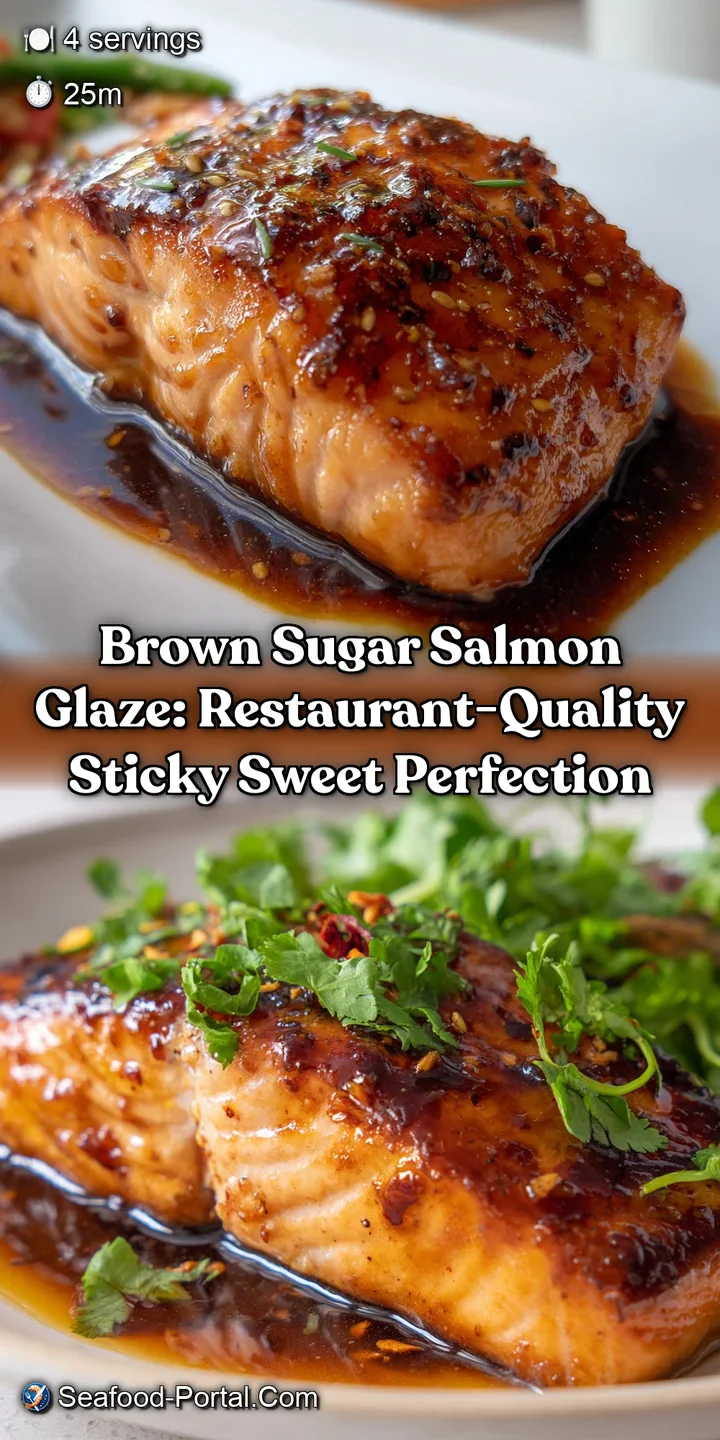
Recipe FAQs
Why is my brown sugar glaze too runny and not sticky?
The glaze needs adequate time to simmer and reduce before being applied to the fish. Ensure you are simmering the mixture for at least 5-7 minutes over medium heat until it coats the back of a spoon; if it remains watery, increase the heat slightly and continue reducing until thickened.
The brown sugar needs to caramelize slightly to achieve that signature sticky consistency.
My salmon came out dry, even though I followed the cooking time. What went wrong?
Dryness often results from overcooking, which happens quickly, especially with thinner fish fillets. The best way to prevent this is by using a meat thermometer, aiming for an internal temperature of 145°F (63°C) at the thickest part.
If your fillets are very thin (under 1 inch), reduce the cooking time by 2-3 minutes and check for doneness early.
Can I use this glaze on other types of fish or protein?
Absolutely. This sweet and savory glaze pairs exceptionally well with chicken thighs, pork tenderloin, or even firm tofu and portobello mushrooms. Adjust the cooking time according to the protein's requirements, but the glaze application method remains the same basting the protein halfway through cooking for maximum flavor adherence.
Can I grill or pan-sear the salmon instead of baking it?
Yes, both methods work wonderfully for achieving a crispier skin texture. For pan-searing, cook the salmon skin side down for 90% of the time, flipping only to quickly caramelize the glaze before serving.
When grilling, use medium high heat and apply the glaze during the last 3-4 minutes to prevent the high sugar content from burning immediately.
What is a good substitute if I need to avoid soy sauce?
Coconut aminos are the best substitute, as they offer the necessary umami depth and color without the soy or gluten. Alternatively, you can use tamari if you only require a gluten-free option, but ensure you taste the glaze as tamari tends to be slightly saltier than standard soy sauce.
How should I store leftover cooked salmon?
Store cooked and cooled salmon in an airtight container in the refrigerator for up to 3 days. We recommend gently reheating it in a low-temperature oven or toaster oven rather than a microwave to help preserve moisture and texture. Leftovers are also delicious served cold flaked over a salad.
Can I prepare the brown sugar glaze ahead of time?
Yes, the glaze is excellent for advanced preparation. You can whisk and simmer the glaze fully, then store it in a sealed jar in the refrigerator for up to one week. When ready to use, gently warm it on the stove or microwave before basting the salmon and serving.
Ultimate Brown Sugar Salmon Glaze
Ingredients:
Instructions:
Nutrition Facts:
| Calories | 561 kcal |
|---|---|
| Protein | 35.9 g |
| Fat | 30.7 g |
| Carbs | 28.7 g |
