Baked Stuffed Shrimp Casserole: the Ultimate Butter-Kissed New England Bake
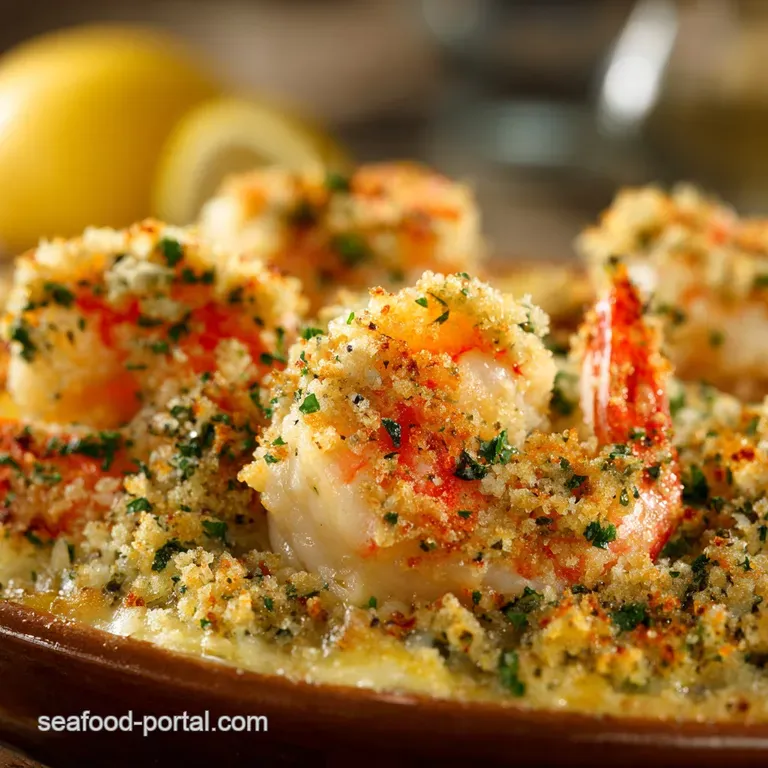
- Unveiling the Ultimate Butter-Kissed Baked Stuffed Shrimp Casserole
- The Science of Decadence: Why This Casserole's Textures Sing
- Essential Ingredients for the Best Baked Stuffed Shrimp Casserole
- The Method: Step-by-Step Preparation for a Perfect Bake
- Expert Techniques and Troubleshooting for Stuffed Shrimp Success
- Preparing Ahead and Safely Storing Your Seafood Bake
- Pairing Perfection: What to Serve Alongside the Casserole
- Recipe FAQs
- 📝 Recipe Card
Unveiling the Ultimate Butter Kissed Baked Stuffed Shrimp Casserole
Imagine walking into your kitchen and being hit by that smell: a rich, garlicky, deeply savory wave of baking butter and fresh herbs. The edges of the dish are bubbling, the shrimp are turning that beautiful opaque pink, and the cracker topping is achieving peak golden crispness.
This isn't just dinner; this is pure, coastal comfort food delivered straight to your soul.
I know what you're thinking: stuffed shrimp sounds fussy, right? Too much work for a casual weeknight. Nope. This casserole approach eliminates the individual stuffing trauma, letting you prep the jumbo shrimp quickly, mound the buttery cracker filling right onto them, and bake the whole lot in one glorious dish.
It looks like you spent hours, but honestly, we're talking about 30 minutes of actual effort.
If you’re ready to ditch the sad, rubbery stuffed shrimp of the past and embrace the glory of the Ultimate Baked Stuffed Shrimp Casserole, then grab your Ritz sleeves and your sharpest paring knife.
This recipe is inspired by those classic New England seafood bakes, meaning it’s generous, rich, and unapologetically delicious.
The Science of Decadence: Why This Casserole's Textures Sing
This recipe works because we treat the shrimp and the stuffing separately, but bake them together perfectly. The high oven temperature (400°F) is key because it ensures the cracker topping crisps and browns quickly before the delicate shrimp has time to dry out.
What Makes It "New England Style"? (Focus on butter and crackers)
The New England style of seafood stuffing is all about fat and texture, baby. Forget soggy breadcrumbs or complicated sauces. We build the stuffing foundation on Ritz crackers —specifically because of their high fat content.
This richness means we don't need a heavy, creamy sauce to achieve moisture and flavour, keeping the overall dish lighter and allowing the seafood to shine.
Decadence Meets Comfort: Why This Recipe is a Centerpiece
While I adore a good creamy bake, sometimes you want richness without the heavy dairy base, you know? Unlike a full-on Seafood Casserole Recipe: Ultimate Creamy Bake with Cheesy Crumb , this dish is streamlined. The melted butter acts as the main binding agent and flavor carrier, creating a deeply satisfying, savory crumble on top of plump, juicy shrimp. It truly elevates a simple weeknight meal into something worthy of company.
Expected Results and Preparation Time
You should expect the stuffing to be golden and crisp on top, giving way to a moist, aromatic interior. The shrimp beneath will be perfectly opaque and tender, nestled in that buttery, herby cooking liquid.
The prep time is a non-negotiable 25 minutes; you cannot rush the butterflying process if you want professional results.
The Role of Ritz: Achieving the Perfect Savory Crumble Texture
Ritz crackers are simply genius here. They are light, they are buttery, and they absorb just enough flavor from the sautéed shallots and celery without collapsing into paste. Crucial Tip: You want a coarse crush, not dust.
If you pulverize them, they’ll become dense and heavy when mixed with the melted butter. We are aiming for a rustic, crunchy crumble!
Butterflying the Shrimp for Maximum Stuffing Retention
This step is non-negotiable for stuffed shrimp success. By slicing the shrimp two-thirds of the way through, you create a flat, open canvas. This not only maximizes the surface area for stuffing but also helps the shrimp cook more evenly and prevents it from curling into an overcooked, tight C-shape.
Preventing Rubberiness: Mastering Shrimp Cooking Times
Shrimp overcooks faster than I can decide what I want for dessert, which is saying something. Because we are using jumbo shrimp (U12/15) at a high heat, 20 to 25 minutes is the maximum bake time.
Pull the dish the second the shrimp turns fully pink and opaque it will continue cooking slightly once out of the oven, so don't wait for perfection in the oven; aim for almost done.
Essential Ingredients for the Best Baked Stuffed Shrimp Casserole
A simple recipe requires excellent ingredients. There’s nowhere to hide mediocre flavor, so let's chat about smart substitutions.
Selecting the Right Shrimp Size (Jumbo/U15 vs. U20)
You must use jumbo or colossal shrimp for this baked stuffed shrimp casserole. Smaller shrimp (U20/25) will simply overcook by the time the stuffing develops its crisp golden crust. Look for counts of 12 to 15 per pound (U15). Also, leave the tails on! It helps with handling and presentation.
The Ideal Binder: Acceptable Substitutes for Ritz Crackers
Listen, Ritz is my first love, but life happens. If you’re allergic or just don't have them, here are the best backups.
| Original Ingredient | Best Substitution | Important Adjustment |
|---|---|---|
| Ritz Crackers (1.5 cups) | Panko Breadcrumbs | Increase melted butter by 2 Tbsp (Panko is drier) |
| Ritz Crackers (1.5 cups) | Saltine Crackers | Mix in 1 tsp sugar to compensate for lost sweetness |
| Shallot | Half a small yellow onion | Ensure it's very finely minced and sautéed longer |
Fresh Herbs vs. Dried: Maximizing Aromatic Impact
Fresh parsley is the engine of this dish; it provides bright, clean flavor that cuts through the butter. Do not substitute dried parsley it tastes like sadness. However, dried thyme works perfectly well here and disperses its earthy aroma beautifully into the hot stuffing.
Choosing Your White Wine Accent (Optional)
The dry sherry or white wine (like Sauvignon Blanc) is optional, but it adds a crucial layer of sophistication. You don't taste "booze," you taste complexity. It slightly acidifies the stuffing and lifts the whole flavor profile. If you skip it, use an equal amount of seafood stock instead.
The Method: step-by-step Preparation for a Perfect Bake
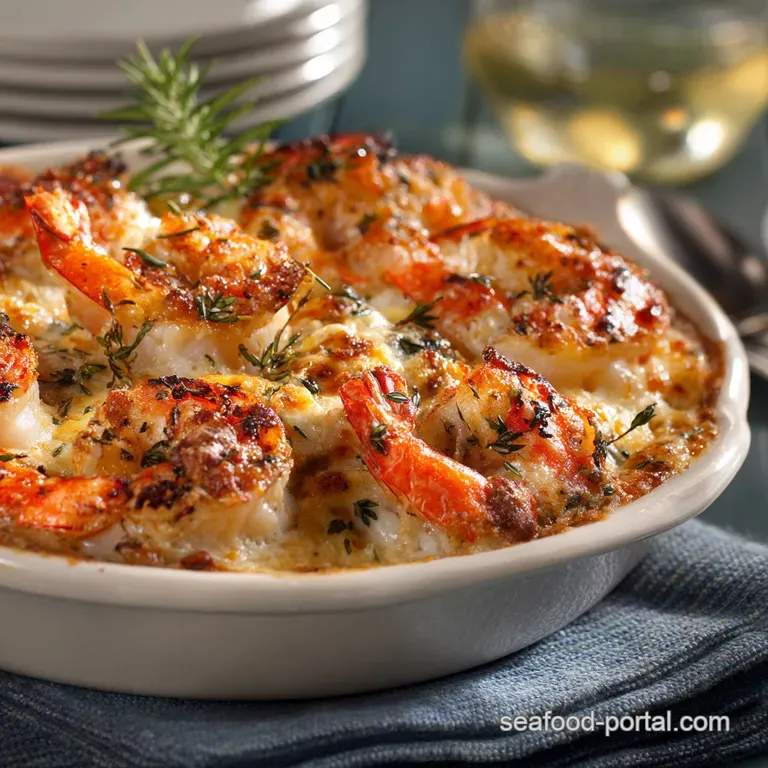
Prepping the Jumbo Shrimp (The Butterflying Technique)
This is where finesse matters. Take your peeled, deveined shrimp and lay it on its side. Using a small, sharp knife, slice straight down the back curve where the vein was, stopping about one-third of the way before you hit the bottom. You want a hinged opening that lies flat.
Pat them dry thoroughly; moisture is the enemy of crispiness!
Building the Rich, Savoury Stuffing Base
First, melt the initial butter and gently sauté the minced shallots and celery until they are completely tender. This ensures no crunchiness later. Add the garlic and cook just until fragrant 30 seconds, seriously. Then, off the heat!
Combine this aromatic mixture with your coarsely crushed Ritz, the fresh parsley, lemon zest, thyme, and sherry. Add the remaining softened butter last to help the mixture hold its shape without becoming greasy.
Chef's Note: The stuffing should feel like damp sand, easily molded into a ball, but still holding distinct cracker pieces. If it’s too dry, add a tiny splash more stock. If it’s too wet, toss in a few more crushed crackers.
The Critical Step: Stuffing and Arranging the Shrimp
Open each butterflied shrimp and lightly press a generous tablespoon of stuffing into the crease. You don't need to jam it in there; just make sure it adheres well to the flesh. Arrange them tightly in your baking dish, stuffing side up. I like to arrange them in neat rows for maximum presentation points, just like I do when making Shrimp Cocktail Bites: Easy, Elegant Phyllo Shell Appetizers .
Baking to Golden Perfection and Internal Temperature Checks
Pour the seafood stock into the bottom of the dish, keeping it away from the stuffing tops. Drizzle the melted butter over the exposed stuffing, which promotes that beautiful golden crust. Bake at 400°F (200°C) for 20 to 25 minutes. If your oven runs cool, you might need the full 25.
The shrimp is done when it registers 145°F (63°C) internally or is perfectly opaque and pink throughout.
Expert Techniques and Troubleshooting for Stuffed Shrimp Success
We’ve all been there: the gorgeous stuffed shrimp comes out of the oven looking pale and sad, or worse, the shrimp is rubbery. Let me save you the heartache.
Mistake 1: Overpacking the Stuffing Mixture
This is the biggest culprit for a pale, dense topping. If you compress the cracker mixture too much, steam can’t escape easily, preventing that golden, crispy texture we crave. Fix: Use a light hand when pressing the stuffing onto the shrimp, allowing air pockets to remain.
We want volume, not density.
How to Achieve a Crisp Top Layer (The Broiler Finish)
If your timer goes off and your shrimp is cooked but the topping isn't quite golden enough, don’t keep baking! That will just murder the shrimp. Fix: Slide the casserole under a preheated broiler for 30 to 60 seconds.
Watch it like a hawk we are talking milliseconds between golden perfection and charcoal horror.
Temperature Control: Avoiding a Dry Casserole
The stock poured into the bottom of the dish is your secret weapon against dryness. It steams the shrimp from below and keeps the flesh moist. Fix: If you forget the stock, or if your oven is aggressively hot, you can tent the dish loosely with foil halfway through baking.
And seriously, do not bake longer than 25 minutes!
Preparing Ahead and Safely Storing Your Seafood Bake
Can You Assemble This Baked Stuffed Shrimp Casserole Ahead of Time?
Yes, you can, but with a few safety caveats concerning raw seafood. You can butterfly the shrimp and make the stuffing mixture entirely, keeping them separate and chilled for up to 24 hours.
Best Practice: Assemble the dish (stuffing the shrimp and arranging them) no more than 4 hours before baking. Seafood is sensitive, and sitting raw stuffing on it too long can lead to texture issues.
Reheating Instructions for Leftovers
If you have leftovers (lucky you!), store them covered in the fridge for up to three days. To reheat, place the stuffed shrimp in a small, oven safe dish, cover it loosely with foil, and warm it in a 300°F (150°C) oven for about 15 minutes.
The low heat prevents the shrimp from becoming tough.
Freezing Raw vs. Cooked Casserole Components
I don't recommend freezing the entire raw, assembled casserole because the shrimp texture degrades upon thawing. However, you can successfully freeze the cooked stuffing mixture for up to three months.
To use, thaw it, crumble it over freshly butterflied shrimp, add the final melted butter drizzle, and bake as directed.
Pairing Perfection: What to Serve Alongside the Casserole
Since this Baked Stuffed Shrimp Casserole is rich and buttery, you need side dishes that offer brightness and acidity to cleanse the palate.
- A Crisp Salad: A simple green salad dressed with lemon and white wine vinegar is a non-negotiable palate cleanser.
- Roasted Asparagus: Tossed simply with olive oil and sea salt, asparagus brings a fresh green bitterness that contrasts the rich stuffing beautifully.
- Starch: Don’t forget a slice of crusty bread to scoop up every last drop of that buttery, herby sauce at the bottom of the dish. It’s too good to waste!
- Appetizer Pairing: If you're building a full seafood meal, start the party with something cool and light, like a classic Shrimp Platter: Perfectly Poached Zesty Cocktail Sauce to balance the baked richness to follow.
Recipe FAQs
What size shrimp is best for this casserole, and can I use frozen ones?
Jumbo (16/20 count) or even colossal shrimp are ideal because their size provides enough surface area to hold the generous stuffing when butterflied. If using frozen shrimp, ensure they are fully thawed under cold running water and patted completely dry before you start stuffing to prevent excess moisture in the casserole.
Can I substitute traditional breadcrumbs or panko for the Ritz crackers?
You can certainly substitute, but note that the authentic New England richness comes from the specific buttery quality of the finely crushed Ritz crackers. If using plain breadcrumbs or panko, you may need to increase the melted butter in the stuffing mixture slightly (by 1-2 tablespoons) to prevent the stuffing from becoming dry or excessively crumbly.
Why is my baked stuffing mixture turning out dry or crumbly?
The primary causes are usually not enough liquid binder in the initial mix or simply overbaking the casserole. Ensure the stuffing mixture is moist enough before baking it should easily hold its shape when squeezed gently in your hand.
If your oven tends to run hot, try covering the casserole loosely with foil for the first 15 minutes of baking to lock in moisture.
I want to prepare this dish ahead of time. Can I assemble the casserole the day before?
Yes, this casserole is excellent for make-ahead preparation; assemble it completely, cover it tightly with plastic wrap, and refrigerate for up to 24 hours. When ready to bake, remove it from the fridge and let it sit at room temperature for about 20 minutes before placing it in the oven.
This ensures even cooking and prevents thermal shock to the dish.
I prefer not to use white wine. What is a suitable non-alcoholic substitute?
The white wine adds essential acidity and depth of flavor, which is necessary to balance the richness of the butter and crackers. A perfect non-alcoholic substitute is an equal amount of high-quality chicken or seafood broth combined with half a teaspoon of fresh lemon juice or white wine vinegar.
How do I know when the shrimp is perfectly cooked?
The shrimp is fully cooked when it turns opaque pink and curls into a gentle "C" shape; if they curl tightly into an "O" shape, they are becoming overcooked and tough. Because shrimp cooks rapidly, pull the casserole from the oven immediately once the shrimp meets this color and shape requirement and the stuffing is nicely browned.
What is the best way to store and reheat leftovers?
Store any leftover casserole in an airtight container in the refrigerator for up to 2 days; seafood does not typically store well beyond that point. To reheat, the best method is using a preheated oven (300°F/150°C) until warmed through, which avoids the tough, rubbery texture often created by microwave reheating.
Ultimate Baked Stuffed Shrimp Casserole
Ingredients:
Instructions:
Nutrition Facts:
| Calories | 627 kcal |
|---|---|
| Protein | 27.2 g |
| Fat | 39.1 g |
| Carbs | 34.9 g |
