Lomi Lomi Salmon: Traditional Hawaiian Side
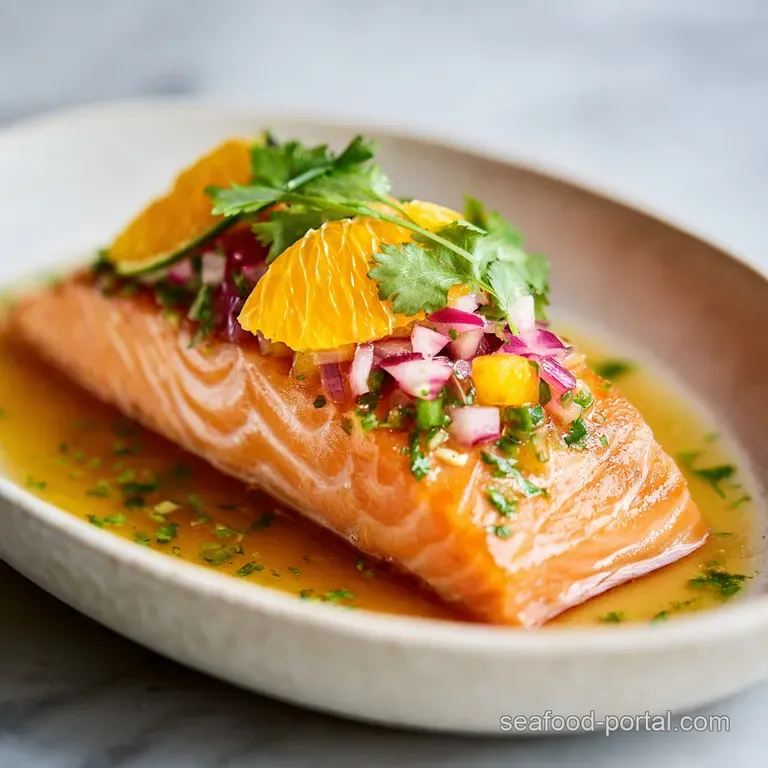
- Time: Active 20 minutes, Passive 24 hours, Total 24 hours 20 minutes
- Flavor/Texture Hook: A refreshing contrast of buttery, salt cured fish and crisp, juicy vegetables.
- Perfect for: Summer potlucks, authentic Hawaiian luaus, or a bright meal prep protein.
- Bring the Island Vibes Home with Authentic Lomi Lomi Salmon
- Essential Specs for the Perfect Hawaiian Party Side
- The Essential Components of This Traditional Hawaiian Side
- Pro Tools for a Seamless Prep Session
- Step by Step Guide to a Perfectly Massaged Salmon
- How to Fix Common Problems and Texture Issues
- Flexible Ways to Enjoy This Classic Salmon Dish
- Keeping Your Salad Fresh and Ideas for Leftovers
- The Best Ways to Plate and Pair Your Creation
- Myths Regarding Salt Cured Seafood
- Recipe FAQs
- 📝 Recipe Card
Bring the Island Vibes Home with Authentic Lomi Lomi Salmon
Imagine sitting on a beach in Maui, the smell of salt spray in the air, and a bowl of something so bright and refreshing it practically glows against the tropical sun. That is the essence of Lomi Lomi Salmon.
I remember the first time I tried it; I was skeptical about the idea of "massaged" fish, but one bite of that velvety salmon against the snap of a Maui onion changed everything. It’s not just a salad; it’s a piece of Hawaiian history that turned a necessity preserving fish with salt into a culinary staple that defines island comfort.
We aren't just tossing ingredients in a bowl here. This recipe is all about the contrast between the rich, fatty oils of the salmon and the sharp, clean crunch of the vegetables. When you make this at home, you’re participating in a ritual that has been passed down through generations.
The word "lomi" literally means to rub or massage, and that physical connection to your food is what creates the soul of the dish. It’s accessible, vibrant, and honestly, once you’ve had the salt cured version, the "quick" versions made with fresh raw fish just won't cut it anymore.
You might think that a dish with so few ingredients is simple, and it is, but the magic lies in the patience of the cure. We are taking a 1 lb fresh skinless salmon fillet and letting it sit in a bed of Alae sea salt for a full day. This isn't just for flavor; it’s a physical transformation.
The salt draws out the moisture, tightening the proteins and giving the fish a texture that is closer to high end smoked salmon than a raw poke bowl. It’s a technique that feels like kitchen alchemy, and I can’t wait for you to see how the salmon changes from soft and translucent to firm and deeply flavored.
Essential Specs for the Perfect Hawaiian Party Side
The secret to why this recipe hits so differently than a standard salad is the way we manipulate the cellular structure of the ingredients. Most people think cooking requires heat, but in the world of Lomi Lomi Salmon, we are using salt and physical pressure to do the heavy lifting.
This approach preserves the brightness of the ingredients while deeply seasoning them from the inside out. It's a method that ensures every single cube of tomato and onion is infused with the essence of the sea.
- The Salt Cure Transformation: Salt draws water out of the salmon through osmosis, which concentrates the fats and creates a firmer, more luxurious mouthfeel that holds up against the juicy tomatoes.
- Cellular Breakdown via Massage: When we "lomi" the tomatoes and onions, we are manually breaking down their cell walls to release their natural sugars and juices, creating a built in vinaigrette without needing oil.
- Cold Temperature Stability: The addition of crushed ice at the end isn't just for chilling; it shocks the vegetables to keep them from becoming mushy and provides a tiny bit of hydration to balance the salt.
| Method | Prep Time | Texture Result | Flavor Profile |
|---|---|---|---|
| Traditional Salt Cure | 24 hours | Firm, silky, and "set" | Deeply savory and oceanic |
| Standard Stovetop Searing | 10 minutes | Flaky and hot | Rich, buttery, but lacks "snap" |
| Quick Raw Prep | 5 minutes | Soft and squishy | Fresh but can be bland |
Choosing the traditional cure is what separates a mediocre bowl from an authentic experience. While heat might be faster, it changes the chemical makeup of the salmon oils, turning them from refreshing to heavy.
The 24 hour wait is what allows the Alae salt to penetrate the thickest part of the fillet, ensuring that the seasoning isn't just on the surface but part of the fish itself. This slow process is the reason the dish stays fresh and vibrant even after a few hours on a buffet line.
The Essential Components of This Traditional Hawaiian Side
Every ingredient in this bowl serves a specific functional purpose. We aren't just looking for flavor; we are looking for structural integrity. For instance, using Roma tomatoes isn't an accident they have a lower water content and thicker walls, which means they won't turn into soup when you start the "lomi" process.
The Maui onion provides a sweetness that you simply cannot get from a standard yellow onion, acting as the perfect foil to the 1/4 cup Hawaiian Alae sea salt.
| Ingredient | Science Role | Pro Secret |
|---|---|---|
| Fresh Salmon Fillet | Provides the rich, fatty base | Use center cut pieces for uniform curing and dicing. |
| Alae Sea Salt | Curing agent and mineral provider | The red volcanic clay in the salt adds a subtle earthy depth. |
| Roma Tomatoes | Acid and structural bulk | Seed them thoroughly to prevent the salad from getting watery. |
| Maui Onion | Sweetness and crunch | If you can't find Maui, soak red onions in ice water for 10 minutes. |
The Alae salt is particularly special. If you’ve never seen it, it has a beautiful reddish pink hue from the volcanic clay (alaea) added to it. Beyond the color, it contains more minerals than standard table salt, which softens the "bite" of the salinity and adds a roundness to the flavor.
It’s one of those small details that makes the final dish feel like it came straight from a kitchen in Honolulu.
Pro Tools for a Seamless Prep Session
You don't need a high tech kitchen to master this, but you do need a few specific items to handle the salt and the "lomi" technique. A non reactive glass dish is non negotiable for the 24 hour cure.
If you use metal, the salt will react with the surface and give your fish a "tinny" or metallic aftertaste that is impossible to wash away. I learned this the hard way during a summer BBQ where I used a cheap aluminum tray the salmon was ruined, and I had to start over.
For the dicing, a very sharp chef's knife is your best friend. Because we are aiming for uniform 1/2 inch cubes, a dull blade will tear the delicate cured salmon rather than slicing cleanly through it. You want the cubes to have sharp edges that look like little jewels in the bowl.
Finally,, don't underestimate the power of your own hands. This is a tactile dish, and the "massage" step is much more effective when you can feel the vegetables softening under your fingers.
| Original Ingredient | Substitute | Why It Works |
|---|---|---|
| Hawaiian Alae Salt | Kosher Salt | Provides clean salinity. Note: Lacks the earthy mineral depth of Alae. |
| Maui Onion | Vidalia Onion | Similar high sugar content and low sulfur "bite". |
| Hawaiian Chili Water | Sriracha | Adds heat and acidity. Note: Changes the color of the "dressing". |
If you are looking to save a bit of money, using a high-quality Kosher salt is a totally acceptable move, though you'll miss that iconic red speckle. If you happen to be out of fresh salmon, I've seen some people try this with smoked salmon (the lox style), but be careful it’s already very salty and hasn't gone through the "lomi" massage with the vegetables, so the flavors won't meld quite as beautifully. If you want a more luxurious version, you can check out this Lemon Dill Cream Sauce for a completely different hot salmon experience.
step-by-step Guide to a Perfectly Massaged Salmon
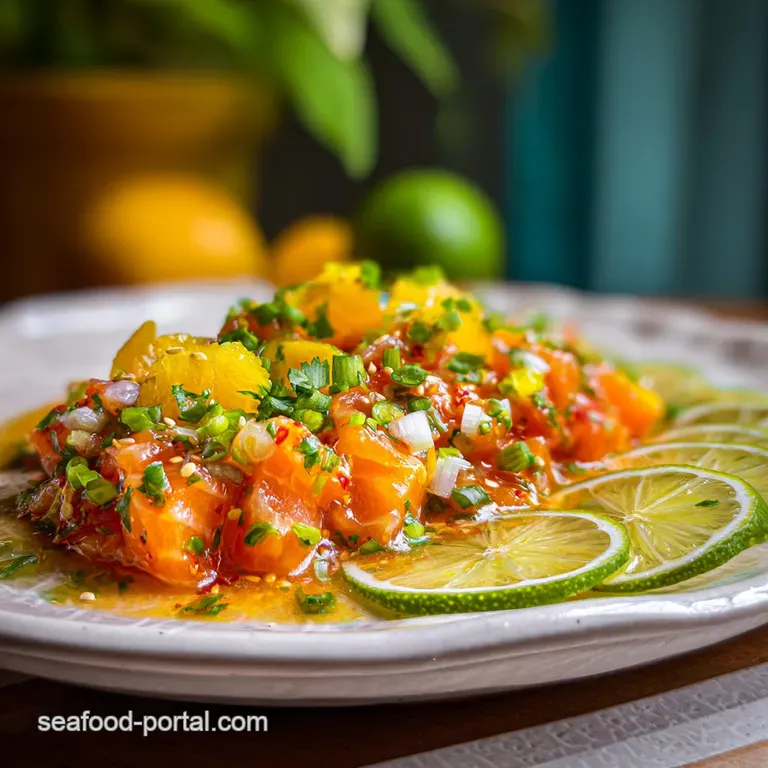
Preparation is everything here. Because we are working with raw fish that is being "cooked" by salt, hygiene and precision are paramount. Ensure your workspace is clean and your vegetables are chilled before you begin. The goal is a finished product that is ice cold and incredibly fresh.
- Rub the salmon thoroughly with the sea salt on all sides, ensuring every inch is covered. Note: The salt is what "cooks" the fish, so don't be shy with the coverage.
- Place the salmon in a non reactive glass dish, cover tightly with plastic wrap, and refrigerate for 24 hours to cure.
- Remove the salmon from the fridge and rinse under cold running water until all visible salt grains are gone.
- Submerge the salmon in a bowl of fresh cold water for 30–60 minutes to desalt. Note: This step is crucial so the fish isn't overpoweringly salty.
- Pat the salmon completely dry with paper towels until the surface is no longer tacky.
- Dice the cured salmon into uniform 1/2 inch cubes using a sharp knife.
- Dice the Roma tomatoes and Maui onions to a similar size to ensure a consistent mouthfeel in every bite.
- Place the tomatoes and onions into a large bowl and massage (lomi) with clean hands for 2–3 minutes until they soften and look glossy.
- Add the diced salmon, green onions, and crushed ice to the tomato mixture.
- Gently toss by hand to incorporate and serve while the ice is still visible.
Chef's Note: When you are desalting the salmon in step 4, taste a tiny corner of the fish. If it's still too salty for your liking, change the water and let it soak for another 15 minutes. Every fillet thickness reacts differently to the salt!
How to Fix Common Problems and Texture Issues
One of the most frequent hurdles people face when making Lomi Lomi Salmon is the salt balance. It’s a bit of a balancing act; you need enough salt to cure the fish so it doesn't stay mushy, but you don't want it to taste like a salt lick.
If you find your salmon is far too salty even after the 60 minute soak, don't panic. You can "reset" the dish by adding more unsalted tomatoes or even a bit of diced cucumber to help dilute the intensity.
The Salmon is Too Salty
This usually happens if the salmon fillet was particularly thin or if it sat in the salt for longer than 24 hours. The salt continues to penetrate the fish the longer it sits. To fix this, increase the soak time in fresh cold water or double the amount of tomatoes and onions in the mix.
The vegetables will absorb some of the excess salt from the fish once they are combined.
Texture is Too Mushy
If the salad feels soft and lacks that "snap," it’s likely because the vegetables weren't chilled or the "lomi" massage was too aggressive. You want to soften the vegetables, not pulverize them into a paste. Another culprit is skipping the crushed ice.
The ice keeps the temperature down, which keeps the fibers of the tomato and onion tight and crispy.
| Problem | Root Cause | Solution |
|---|---|---|
| Rubbery Salmon | Over curing (too much time) | Limit cure to 24 hours exactly. |
| Watery Salad | Using soft, overripe tomatoes | Use firm Roma tomatoes and remove all seeds/pulp. |
| Bland Flavor | Insufficient "lomi" massage | Massage until juices release; this is your "sauce". |
Common Mistakes Checklist
- ✓ Never use a metal bowl for the 24 hour cure (metallic taste).
- ✓ Don't skip the desalting soak; rinsing alone isn't enough to pull salt from the center.
- ✓ Ensure the salmon is patted bone dry before dicing to prevent a slippery texture.
- ✓ Use crushed ice, not large cubes, so it distributes evenly and melts slightly to create "juice."
- ✓ Only add the green onions at the very end to keep them from bruising during the massage.
Flexible Ways to Enjoy This Classic Salmon Dish
While the traditional version is a masterpiece of balance, there are ways to adapt this for different dietary needs or taste preferences. If you're someone who loves a bit of heat, the optional Hawaiian chili pepper water is a game changer.
It adds a fermented, spicy kick that cuts through the richness of the salmon oils. If you can't find authentic chili water, a tiny splash of rice vinegar and a pinch of red pepper flakes can mimic that bright, spicy profile.
For a vegan "Lomi" experience, you can actually swap the salmon for firm, diced Okinawan sweet potatoes or even cubes of extra firm tofu that have been marinated in a bit of seaweed (nori) and soy sauce.
The technique remains the same you still want to massage those tomatoes and onions until they release their juices. This creates a similar texture profile that is still incredibly refreshing and perfect for a plant based plate.
When it comes to scaling this recipe up for a big crowd, you don't necessarily need to double everything linearly. Scaling Down (½ batch): Use a smaller glass container for the cure so the salt stays in contact with the fish.
You can reduce the desalting soak to 20 minutes since there is less volume. Scaling Up (2x-4x): When doubling the recipe, keep the salt at 1.5x the original amount rather than 2x to avoid over salting a larger batch.
Work in batches for the "lomi" massage so you don't crush the vegetables at the bottom of the bowl.
If you are looking for a hot, creamy alternative for a different meal, you might enjoy this Marry Me Salmon, which offers a much richer, cooked profile compared to the light and fresh Lomi Salmon.
Keeping Your Salad Fresh and Ideas for Leftovers
Lomi Lomi Salmon is best enjoyed immediately after the ice is tossed in, but it can be stored if you have leftovers. Because the fish is cured and the vegetables are acidic, it holds up better than a standard garden salad.
However, the tomatoes will continue to release water over time, so the dish may become slightly "soupier" the next day.
- Storage: Keep in an airtight glass container in the refrigerator for up to 2 days. I don't recommend going beyond 48 hours, as the onions will lose their sweetness and start to taste "sharp."
- Freezing: Do not freeze this dish. The cellular structure of the tomatoes and onions will collapse upon thawing, leaving you with a watery mess.
- Zero Waste Tip: If you have leftover "juice" at the bottom of the bowl once the salmon is gone, don't throw it out! It’s essentially a seasoned tomato salmon essence. Use it as a base for a chilled gazpacho or stir it into a spicy Bloody Mary for an incredible savory kick.
The Best Ways to Plate and Pair Your Creation
Traditionally, this dish is served as a side (ho'okupu) to heavier Hawaiian staples like Kalua Pig or Lau Lau. The acidity and cold temperature of the salmon act as a palate cleanser for the rich, smoky meats. If you're serving this at home, try it alongside some steamed white rice or poi if you can find it.
The starch is the perfect vehicle for soaking up those massaged tomato juices.
For a modern twist, I love serving this in small endive leaves as an appetizer or even on top of crispy wonton chips. The crunch of the chip against the velvety cured salmon is a match made in heaven. You can also toss it with some chilled somen noodles for a quick, refreshing lunch.
Just remember to keep it cold warm Lomi Lomi Salmon loses its magic.
Myths Regarding Salt Cured Seafood
There is a common misconception that salt curing is the same as eating raw fish. In reality, the 24 hour salt cure is a form of "cooking" without heat. The salt denatures the proteins in the salmon, much like the acid in a ceviche does, which makes it safe and changes the texture entirely.
It’s not "raw" in the sense of sashimi; it’s a preserved product with a much deeper complexity.
Another myth is that you can't make this without Maui onions. While Maui onions are the gold standard because of their high sugar content and low "burn," you can definitely make this anywhere in the world.
The trick is to take whatever onion you have (sweet yellow or red) and soak the diced pieces in ice water for about 10 minutes. This leaches out the harsh sulfur compounds, leaving you with a crisp, mild onion that won't overpower the delicate salmon.
Finally, some think it must be spicy it doesn't! The chili pepper water is a popular addition, but the classic version is purely about the salt, the fish, and the garden fresh vegetables.
Recipe FAQs
What is lomi lomi salmon?
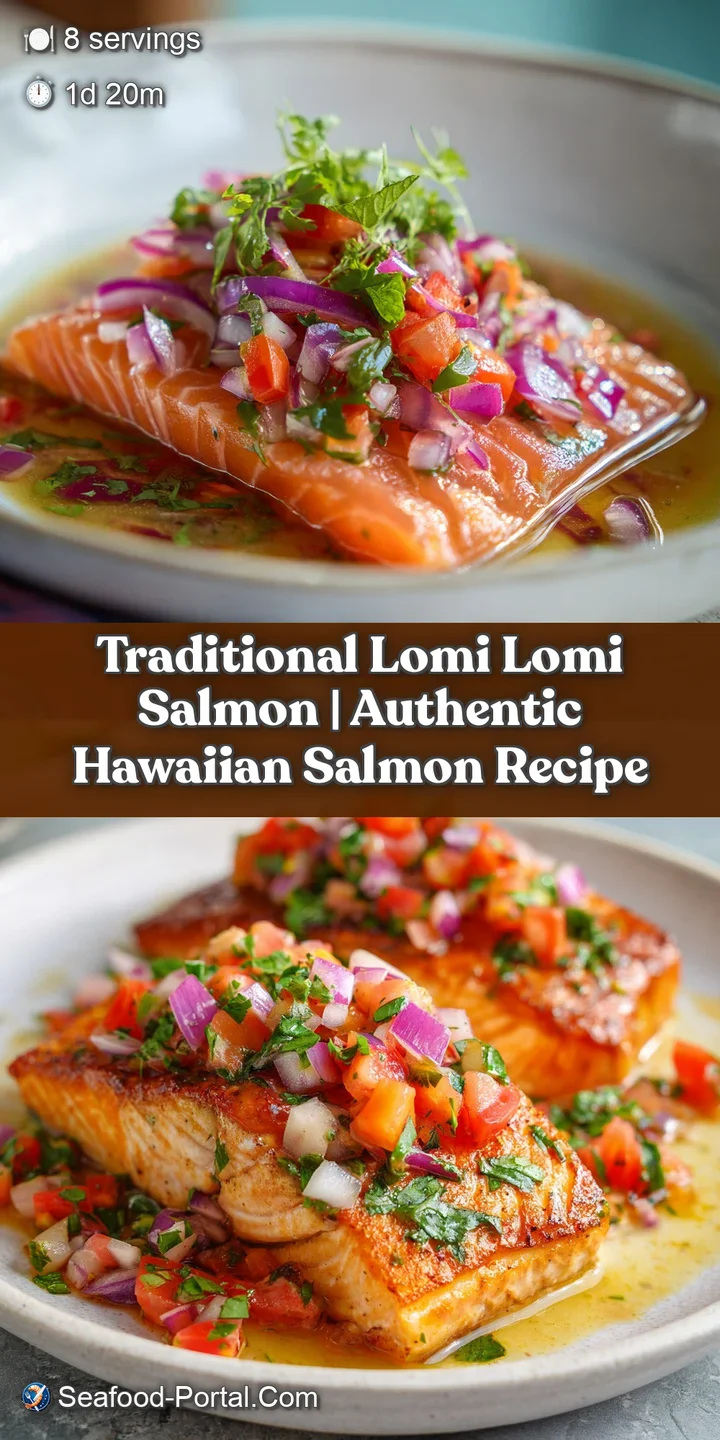
It is a traditional Hawaiian side dish consisting of salted salmon, tomatoes, and onions. The name "lomi lomi" means to massage, referring to the technique of hand mixing the ingredients until they soften and integrate.
Is lomi salmon raw or cooked?
It is technically cured rather than heat cooked. The salmon is rubbed with sea salt and refrigerated for 24 hours, which draws out moisture and firms the texture, effectively "cooking" it chemically before it is diced and combined with vegetables.
What does lomi lomi salmon taste like?
Expect a refreshing, savory, and slightly briny flavor profile. The firm, salty fish balances perfectly with the sweetness of the tomatoes and the sharp, crisp bite of the Maui onion.
Is lomi lomi salmon good for you?
Yes, it is a lean, nutrient dense option. With only 141 calories per serving, it provides high-quality protein and essential omega-3 fatty acids without heavy cooking fats.
How to ensure the perfect texture for the vegetables?
Massage the tomatoes and onions by hand for 2 3 minutes until they release their juices. This process mimics the gentle ingredient folding found in other Hawaiian raw fish preparations, ensuring the flavors meld into a cohesive, soft mixture.
Is it necessary to desalt the salmon for the full hour?
Yes, desalting for 30 60 minutes is crucial. If you skip this step, the dish will be overwhelmingly salty; the water bath pulls out the excess cure so the final flavor remains balanced.
How to store leftover lomi lomi salmon?
Keep it in an airtight container in the coldest part of your refrigerator for no more than 24 hours. Because the ingredients are raw and already cured, the texture will degrade quickly, so it is best served immediately after the initial preparation.
Traditional Lomi Lomi Salmon
Ingredients:
Instructions:
Nutrition Facts:
| Calories | 141 kcal |
|---|---|
| Protein | 12.4 g |
| Fat | 7.6 g |
| Carbs | 4.9 g |
| Fiber | 0.9 g |
| Sugar | 2.1 g |
| Sodium | 785 mg |
