Shrimp Gumbo: the Classic Deep South Stew with a Smoky Dark Roux
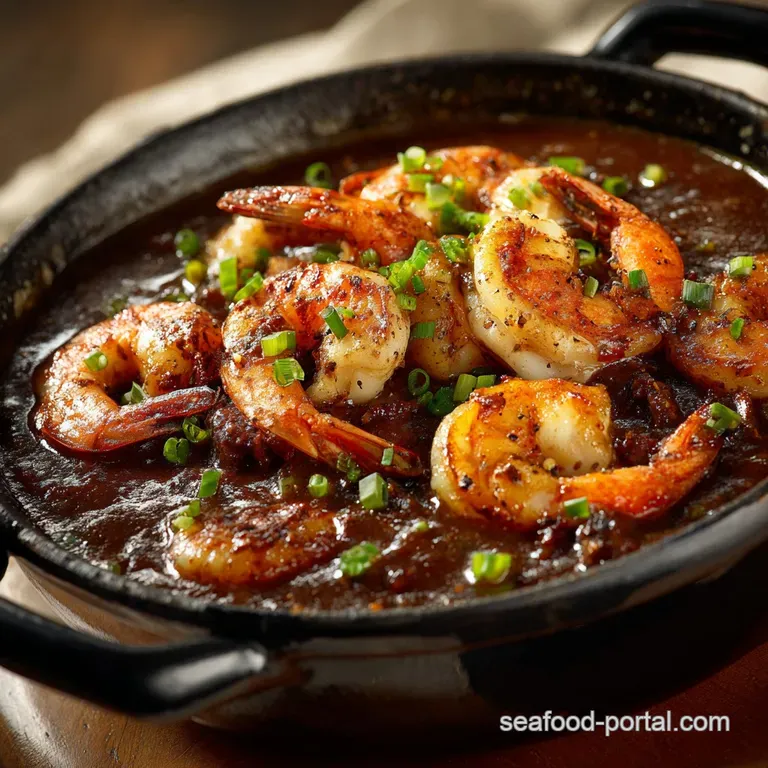
- The Soul of Louisiana: Understanding Classic Shrimp Gumbo
- Flavor Engineering: Why Dark Roux is the Key to Exceptional Gumbo
- Essential Ingredients for the Best Shrimp Gumbo
- Mastering the Method: Step-by-Step Guide to Cooking Shrimp Gumbo
- Troubleshooting Your Gumbo: Expert Tips and Avoiding Failure
- Make-Ahead & Storage Guide for Leftover Shrimp Gumbo
- Traditional Pairings: How to Serve This Rich Shrimp Gumbo
- Recipe FAQs
- 📝 Recipe Card
The Soul of Louisiana: Understanding Classic Shrimp Gumbo
That dark, shimmering color, man, it just pulls you in. The scent of toasted flour and slow cooked peppers promises deep, soulful comfort that a pale stew could never deliver. This gumbo is pure culinary magic, straight from the bayou to your bowl.
I know what you're thinking: Gumbo is too complicated. It’s not! While the initial stirring requires attention, the rest is just chopping and slow simmering, and it feeds a crowd like nobody's business.
It’s a spectacular way to turn simple pantry ingredients and a pound of shrimp into an incredibly complex meal.
Ready to dive in and learn the real secrets to a proper, soul satisfying shrimp gumbo recipe? We're going straight past the quick fix versions and heading right into the glorious world of the dark roux. Trust me, it’s going to be worth every minute of stirring.
Flavor Engineering: Why Dark Roux is the Key to Exceptional Gumbo
What Sets a Proper Gumbo Apart?
A proper gumbo isn't defined by its ingredients as much as its base. It's the roux that does the heavy lifting, providing thickening, depth, and that distinct nutty flavor. We are aiming for a traditional Southern Shrimp Gumbo here, meaning we are skipping the common temptation to throw in sausage or leftover chicken; we want the sweet shrimp flavor to really shine through.
Deciphering Cajun vs. Creole Influences in Seafood Gumbo
When we talk about traditional seafood gumbo recipes, we often hit the Cajun vs. Creole debate. Creole gumbo often includes tomatoes, leaning towards the city influence. This particular Easy Shrimp Gumbo Recipe leans slightly Creole because I love the brightness tomatoes bring, but the truly dark roux grounds it firmly in that earthy Cajun tradition.
It's the best of both worlds, frankly.
Snapshot: Quick Overview of Prep Time and Difficulty
Look, the prep time is straightforward, about 30 minutes to get everything chopped and ready. The cook time, however, requires patience for that dark roux that’s where the "medium" difficulty comes in. Don't rush the roux; it is the most critical step.
The Maillard Reaction Magic: Building Nutty Complexity
The long cook time for the flour and oil is pure Maillard reaction bliss. This browning process strips the raw taste from the flour, preventing your gumbo from tasting pasty. Instead, the flour turns deep brown, taking on notes of toasted pecans and dark chocolate. It's the foundation of true, deep flavour.
Layering the ‘Holy Trinity’ for Maximum Aromatics
The 'Holy Trinity' onion, celery, and bell pepper is the aromatic backbone. Adding them directly to the hot roux stops the roux from burning and releases their flavour slowly into the fat. It’s smart cooking.
You are essentially sautéing them in the nutty, flavour packed roux fat, ensuring every single bite starts with those earthy vegetable notes.
Achieving Perfect Consistency: The Role of the Stock and Simmer
Gumbo needs to be thick enough to coat the rice without being gloopy. This is achieved not just through the roux, but through the long, slow simmer. The simmer reduces the stock, concentrates the spices, and allows the residual starch and flour to fully hydrate and thicken the whole mixture.
Chef's Note: Remember to make a proper, dark roux first; if you only cook it to a peanut butter color, your gumbo will taste like flour and be much thinner than it should be!
Essential Ingredients for the Best Shrimp Gumbo
Choosing Your Shrimp: Fresh vs. Frozen and Size Matters
I almost always use frozen shrimp (pre-peeled, 21/25 count) because they are frozen at peak freshness and are often cheaper. The key is size: use large shrimp. Smaller shrimp cook too fast and get rubbery during the brief cooking window.
| Ingredient | My Recommendation | Viable Substitution |
|---|---|---|
| Shrimp | Large (21/25 count), P&D | Medium sized crawfish tails or firm white fish (added earlier). |
| Holy Trinity | Green Bell Pepper | Red Bell Pepper (sweeter) or Poblano (smokier). |
| Seafood Stock | Homemade Shrimp Stock | high-quality bottled clam juice mixed with water or vegetable stock. |
| Gumbo File | Used at the end | Okra (pre-sautéed to reduce mucilage). |
Stock Selection: Why Homemade Seafood Stock Triumphs
Gumbo is only as good as its liquid base, period. If you have the time, please save those shrimp shells and make a quick, concentrated stock. It infuses that clean, sweet seafood essence deep into the sauce. The resulting deep flavor is also why a proper Shrimp Etouffee: Authentic Cajun Recipe with a Velvety Roux tastes so incredible.
The Spice Blend: Balancing Heat and Earthy Notes
The Creole or Cajun seasoning brings the immediate heat, but the smoked paprika is the quiet hero. It gives that deep, woodsy flavor characteristic of slow cooked Southern food. If you are skipping the traditional Gumbo File at the end, make sure to layer in extra thyme and maybe a tiny dash of cayenne if you like it fiery.
Understanding Fats: Oil vs. Butter for Dark Roux
A proper dark roux requires a high smoke point. I stick with vegetable or canola oil. I know some recipes call for butter, but butter burns far quicker, making the 30 minute stirring session unnecessarily stressful. Use a neutral oil for the best results and least chance of failure.
Mastering the Method: step-by-step Guide to Cooking Shrimp Gumbo
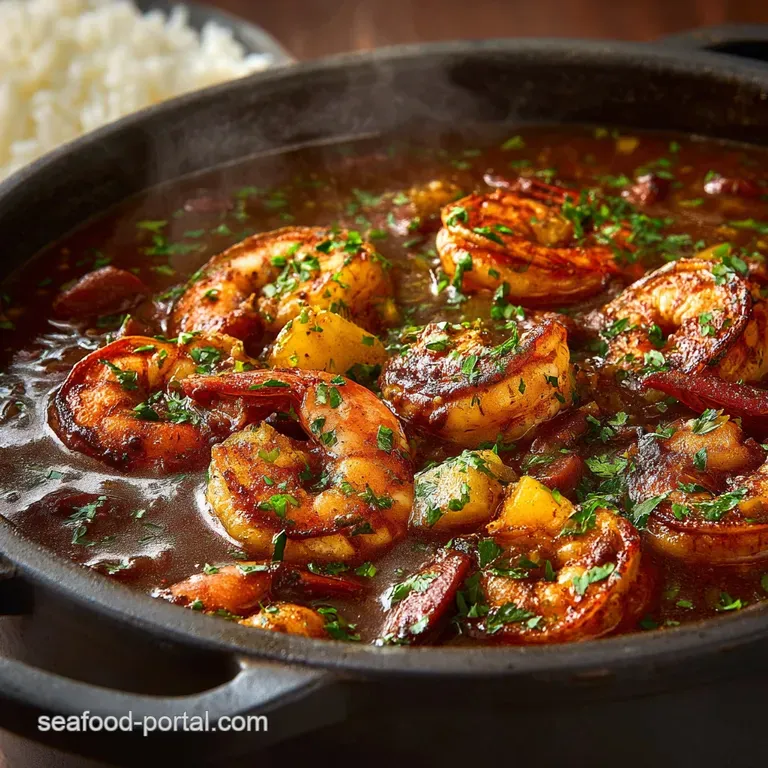
This is where the magic happens, but focus is essential! Get your music on and dedicate yourself to the process.
Stage 1: Achieving the Perfect Chocolate Brown Roux Base
- Heat the Oil: In a heavy bottomed Dutch oven, heat your oil over medium low heat until shimmering.
- Add the Flour: Slowly whisk in the flour until completely smooth, forming a light, pale paste.
- The Long Stir: Immediately switch to a wooden spoon or a flat spatula. Stir constantly, scraping the bottom edges of the pot every few seconds. Cook for 30– 45 minutes until the roux reaches the colour of dark milk chocolate or strong coffee. It will smell nutty, like popcorn. If you see black specks or smell burning, you must start over.
- Stop the Cook: As soon as you hit the desired color, pull the pot off the heat momentarily.
Stage 2: Sweating the Vegetables and Building the Base (The Trinity)
- Add the Trinity: Immediately add the chopped onion, celery, and bell pepper to the hot roux. Stir aggressively for about 5 minutes until the vegetables soften. This process also rapidly cools the roux, stopping its cooking.
- Aromatics and Spices: Stir in the minced garlic and cook for just 60 seconds until fragrant. Then, mix in the Creole seasoning, thyme, paprika, and Worcestershire sauce. Cook for one minute to bloom the spices.
- Add the Stock: Gradually pour in the seafood stock, whisking constantly until the roux is fully dissolved and the mixture is smooth and lump free. Add the diced tomatoes and bay leaves.
Stage 3: The Long Simmer and Flavor Fusion
- Simmer: Bring the gumbo to a low boil, then immediately drop the heat to the lowest setting possible. Simmer, uncovered, for 60– 75 minutes. Stir gently every 15 minutes to prevent sticking and allow the flavor to deepen.
- Okra or Filé: If using okra, add it during the last 20 minutes of simmering. If using Gumbo Filé, stir it in only after you remove the pot from the heat at the very end.
Stage 4: Proper Timing for Adding the Shrimp
- The Final Addition: Increase the heat slightly. Add the peeled and deveined shrimp to the simmering liquid. Cook for only 3– 5 minutes, stirring gently, until they turn opaque pink and curl into a perfect 'C'.
- Final Adjustments: Remove the bay leaves. Taste, and adjust the salt, pepper, and hot sauce as needed. Serve immediately over rice, garnished with fresh parsley and scallions. This satisfying bowl of goodness is almost as comforting as my Shrimp Mofongo Recipe: Authentic Puerto Rican Comfort Food .
Troubleshooting Your Gumbo: Expert Tips and Avoiding Failure
The Non-Stick Challenge: Preventing Your Roux from Burning
I once got distracted answering a quick work email while making the roux and it instantly turned black. Lesson learned: You must stir constantly, especially near the 30 minute mark. If you stop stirring, the bottom will scorch, and the resulting bitterness permeates the whole dish.
You cannot save a burnt roux; just dump it and start fresh.
Taming the Salt: Adjusting Seasoning After the Simmer
Creole and Cajun seasonings (and most store-bought stocks) are notoriously salty. Add only a small amount of kosher salt at the beginning. Because the gumbo reduces significantly during the 75 minute simmer, the salt concentrates. Always wait until the very end, after the gumbo has reduced, to do your final salt check.
What to Do If Your Gumbo is Too Thin
If you cooked a beautiful dark roux and your gumbo is still too thin, you have a couple of options. You can thicken it with filé powder (stirred in off the heat) or use a beurre manié (equal parts softened butter and flour mixed into a paste, then whisked into the simmering gumbo).
make-ahead & Storage Guide for Leftover Shrimp Gumbo
Gumbo is absolutely one of those dishes that tastes even better the next day. It’s perfect for meal prep, much like that quick Poke Shrimp Healthy Bowl: Quick, Easy Healthy Dinner Recipes I make, but this is pure comfort.
Freezing Gumbo: Best Practices for Texture Retention
Gumbo freezes beautifully, BUT you must remove the shrimp first. Frozen and reheated shrimp turn unpleasantly rubbery. Freeze the gumbo base in airtight containers for up to 3 months.
When reheating, thaw the gumbo base, bring it to a simmer, and then cook fresh shrimp in the broth for 3– 5 minutes just before serving.
Reheating Safely: Maintaining Shrimp Quality
Reheat gently on the stovetop over medium low heat, stirring frequently. Avoid microwaving large batches, as this often leads to scorched spots at the bottom. If you froze the shrimp with the gumbo, plan for them to be slightly firmer than ideal.
Shelf Life: How Long Does Gumbo Last in the Fridge?
When properly sealed in an airtight container, your leftover shrimp gumbo will last safely in the refrigerator for 3 to 4 days.
Traditional Pairings: How to Serve This Rich Shrimp Gumbo
The traditional pairing is, of course, over white rice. You need that fluffy, neutral starch to soak up all that incredible, dark sauce.
| Accompaniment | Why it Works |
|---|---|
| White Rice | Absorbs the sauce and provides texture contrast. |
| Cornbread | Sweet, slightly crumbly cornbread is perfect for dipping. |
| Hot Sauce | Tabasco or Crystal offers acidity and a clean spike of heat. |
Seriously, make a big batch, serve it piping hot, and watch how quickly your friends and family ask for the recipe. This dark roux Shrimp Gumbo is truly a showstopper.
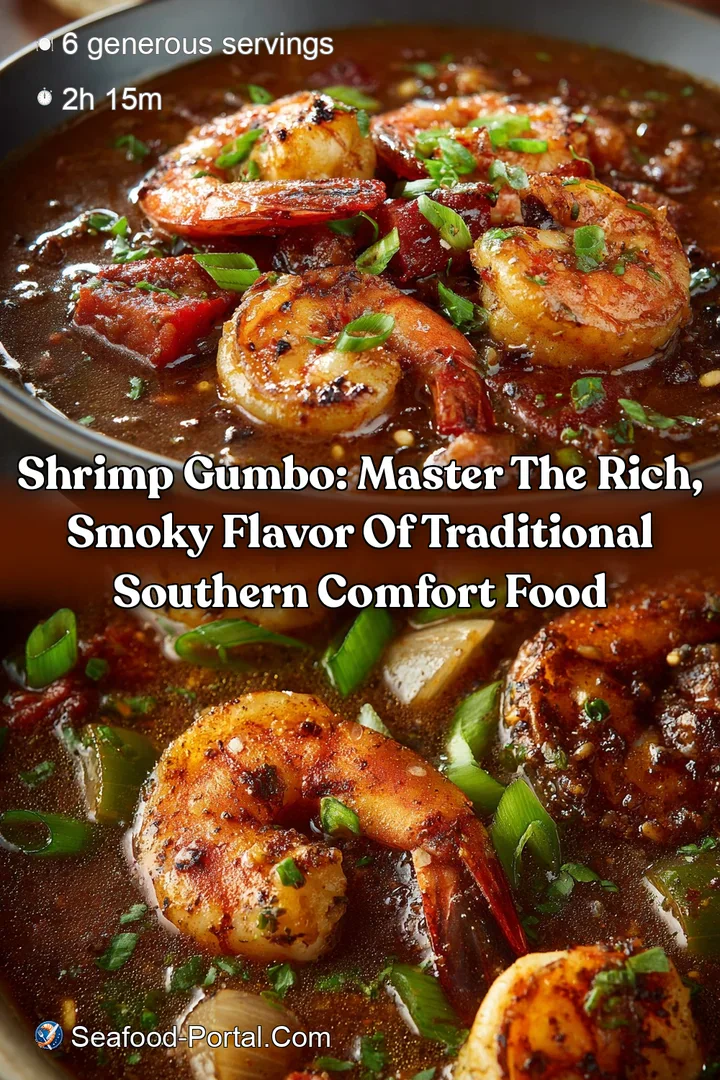
Recipe FAQs
My dark roux seized or burned. What went wrong?
A roux burns quickly if the heat is too high or if stirring is inconsistent, especially towards the end of the cooking process. If you see black specks or smell a bitter aroma, you must discard it and start over, as a burnt roux will ruin the entire pot of gumbo.
Always use medium low heat and stir constantly with a flat bottomed wooden spoon to ensure even cooking.
My gumbo seems too thin; how can I thicken it without compromising flavor?
The dark roux is the primary traditional thickener for this dish, but if you need a little boost, you have options. You can use a small amount of file powder (ground sassafras leaves) stirred in immediately before serving, which adds flavor and body.
Alternatively, simply serving the gumbo over a generous portion of cooked white rice will make the overall dish feel substantially thicker.
When should I add the shrimp to prevent them from becoming rubbery?
Shrimp cook incredibly fast and should always be added right at the end of the cooking process. Introduce the shrimp to the simmering gumbo in the final 3 to 5 minutes, depending on their size. Once they turn opaque pink and curl into a C-shape, they are done; remove the pot from the heat immediately.
Can I add other proteins like sausage or chicken to this recipe?
Yes, combining proteins is classic in Louisiana gumbo preparations, often mixing seafood with smoked meat. If you are adding smoked sausage (like Andouille), dice and brown it first, setting it aside, and then adding it back to the stock before the final simmer.
Ensure any chicken is fully cooked, shredded, and added along with the stock.
Is okra essential for this gumbo, and what if I don't like it?
While traditional, okra is not essential for the flavor profile since the dark roux provides the necessary depth and body. If you dislike the texture of okra, you can simply omit it entirely without altering the main integrity of the dish.
If you choose to use it, briefly sauté the sliced okra first to reduce its natural sliminess.
How long can I store leftover gumbo, and can I freeze it?
Leftover gumbo stores exceptionally well in the refrigerator for 3 to 4 days when kept in an airtight container. Gumbo also freezes beautifully for up to three months; simply thaw it overnight in the refrigerator and reheat gently on the stovetop.
If freezing, consider adding fresh shrimp during reheating rather than freezing already cooked seafood.
I don't have proper seafood stock; can I use chicken or vegetable broth?
While homemade seafood stock offers the best, deepest flavor, a good quality chicken stock can be used as a suitable substitute. Avoid using plain water, as this will result in a very thin, flavorless gumbo base. If you must use vegetable broth, ensure it is low-sodium so you can control the final seasoning.
Traditional Dark Roux Shrimp Gumbo
Ingredients:
Instructions:
Nutrition Facts:
| Calories | 1050 kcal |
|---|---|
| Protein | 85.0 g |
| Fat | 35.3 g |
| Carbs | 80.3 g |
