Bbq Seafood Sauces: the Gourmet Grillers Guide to Three Essential Finishes
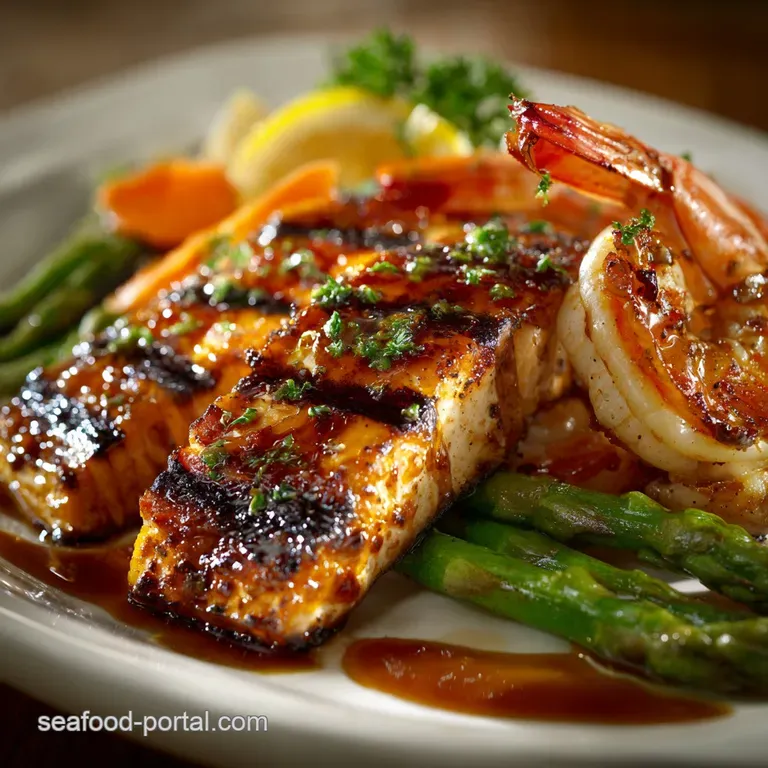
- The Gourmet Griller's Guide to BBQ Seafood Sauces: Three Essential Finishes
- The Science of Balance: Why Acidity is Key in Bbq Seafood Sauces
- Core Ingredients for the Versatile BBQ Base and Its Three Variations
- Mastering the Method: Step-by-Step Instructions for the Perfect Seafood BBQ Base
- Troubleshooting Your BBQ Sauce: Essential Chef's Tips and Avoiding Common Mistakes
- Shelf Life and Preservation: Storing Your Homemade Bbq Seafood Sauces
- Pairing Guide: Matching the Three Finishes with Specific Fish and Shellfish
- Recipe FAQs: The Gourmet Griller's Guide to BBQ Seafood Sauces
- 📝 Recipe Card
The Gourmet Griller's Guide to BBQ Seafood Sauces: Three Essential Finishes
The smell of a really great BBQ seafood sauce bubbling away is pure summer magic, right? That tangy vinegar aroma blending with sticky sweet brown sugar promises so much flavor. It’s the perfect curtain raiser for spectacular grilled prawns or delicate fish fillets.
Look, we all love grilling, but sometimes you just need a serious flavor upgrade without the hassle. Commercial BBQ sauces are often way too heavy for delicate fish, totally overwhelming the star ingredient. This foundational base recipe is shockingly fast, cheap to make, and instantly transforms any grill session.
So, I cracked the code on creating a single, versatile base that we can twist into three completely different, incredible Bbq Seafood Sauces . Whether you crave smoky, zesty, or spicy, this method has you covered, making your next cookout absolutely legendary. Let’s get messy.
The Science of Balance: Why Acidity is Key in Bbq Seafood Sauces
Moving Beyond Rib Glazes: Why Seafood Needs a Lighter Touch
Why are most traditional glazes a disaster for seafood? They are built on fat and heavy smoke, designed to stand up to robust, high fat cuts. Delicate fish, scallops, and especially prawns, need brightness and acidity to cut through their natural richness and keep the palate feeling clean.
We are building a glaze , not a brick wall of flavor.
Introducing the Versatile BBQ Base: Your Starting Point for Delicate Fish
Our foundational base is intentionally vinegar forward, not sugar forward, giving us that essential tanginess right from the start. This ensures that when you brush it onto something light, like cod or mahi mahi, the sauce enhances the seafood instead of burying it under a sugar blanket. It's the secret trick behind fantastic recipes like BBQ Seafood Crock Pot Recipes: Sticky Southern Prawns Easy Effortless .
Defining the Three Cracking Finishes (Spicy, Tangy, Carolina Inspired)
I designed these three variations to hit every texture and flavor craving. The Zesty Finish is basically bottled sunshine for white fish, while the Smoky Glaze brings depth without actual smoke unless you add liquid smoke, which is optional, obviously.
The Tropical Inferno is my personal favorite when grilling shellfish; it just screams summer party.
Cutting Through Oiliness: The Role of Vinegar and Citrus
Vinegar does two major jobs here: it prevents the sauce from tasting cloyingly sweet, and it chemically helps break down any heavy fats on richer seafood like salmon or tuna. That’s why we use a high proportion of apple cider vinegar in the base; it provides necessary punch without being overwhelmingly harsh.
Citrus juice, as used in the Rockpool Zest Relish, serves the same purpose, adding an even fresher dimension.
Maillard Reaction Without the Burn: Achieving Deep Flavor Safely
The Maillard reaction is that beautiful browning that gives us flavor, but high sugar content means the sauce can scorch instantly over a hot grill. By keeping the base sauce balanced with vinegar and applying the glaze only in the last few minutes of cooking, we get that glorious sticky crust without the bitterness of burnt sugar.
It’s flavor science, people!
The Perfect Viscosity: How to Create a Glaze That Sticks (But Doesn't Cloy)
The base needs to be simmered down just enough to lightly coat the back of a spoon, which is key. If it’s too watery, it runs off the fish and into the coals; too thick, and it sets up like jam, preventing good absorption.
We’re aiming for a brushable consistency, perfect for delicate items like scallops or large shrimp skewers.
Core Ingredients for the Versatile BBQ Base and Its Three Variations
Getting the ingredients right is half the battle, and honestly, cheap ketchup won’t cut it here. Use the best quality you can manage because the flavor is concentrated during reduction.
Sugar Profiles: Selecting the Right Sweetener for a Clean Finish
We use light brown sugar because the molasses content adds a lovely depth that granulated white sugar lacks. For the smoky glaze variation, we lean into blackstrap molasses for an even deeper, more savory caramel note.
If you need a substitution, pure maple syrup works beautifully and adds its own complex flavor profile.
Acid Sources: From Apple Cider Vinegar to Carolina Gold Style Mustard
Apple cider vinegar is the backbone of the base sauce because it offers a fruity sharpness. In the Carolina inspired variations, like our London Smokehouse Glaze, the yellow mustard adds a necessary tang and stabilizes the emulsion. No cider vinegar?
White wine vinegar works as a decent substitute, though the final sauce will lose a little bit of earthy complexity.
Ingredient Swap Outs: Finding the Best Spice Blends for Shellfish
For the base, we keep it simple with onion and garlic powder, ensuring deep flavor without gritty texture. The variations are where we play: Smoked paprika is mandatory for the smoky finish, and for the Spicy Tropical Marinade, using fresh ginger is non-negotiable the dried stuff just isn’t bright enough.
If you’re preparing something rich, like grilled octopus, a dash of ground fennel seed can be a delightful addition.
Fresh vs. Dried Aromatics: Maximize Flavor Extraction
While we use powdered aromatics in the base for smoothness, the variations demand fresh elements. The Rockpool Zest Relish relies entirely on fresh lemon zest and dill; dried zest tastes flat. When grating ginger for the Tropical Inferno, use a fine microplane to get maximum juice release.
| Ingredient | Role | Viable Substitution |
|---|---|---|
| Ketchup | Base sweetness/consistency | Tomato Paste + 1/2 tsp Sugar + Water |
| Cider Vinegar | Essential acid/tang | White Wine Vinegar or Sherry Vinegar |
| Brown Sugar | Caramelization/sweetness | Maple Syrup or Honey (reduce slightly) |
| Worcestershire Sauce | Umami depth | Coconut Aminos or Soy Sauce |
| Mustard | Emulsifier/tang | Dry Mustard Powder (use 1/2 measure) |
Mastering the Method: step-by-step Instructions for the Perfect Seafood BBQ Base
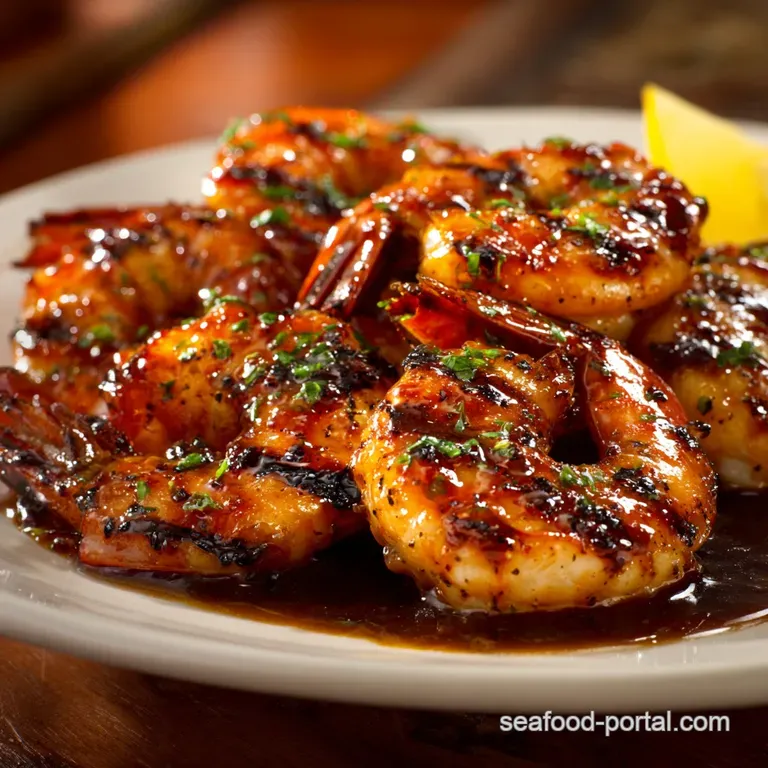
Stage One: The Simmering and Reduction Process
First, get everything into your saucepan (remember, non-reactive is critical so the acid doesn't give you a metallic tang). Whisk the wet ingredients until they’re happy together, then incorporate all the dry ingredients.
Bring it slowly up to a low simmer you want little gentle bubbles, not a rolling boil that spits sauce everywhere, which is a kitchen disaster I've experienced. Simmer for a solid 15 to 20 minutes, stirring occasionally, until the sauce thickens and that harsh vinegar smell has cooked out completely.
Chef’s Note: Simmering is not optional! If you taste it immediately after mixing, it will taste sharp. The time on the heat is required to develop deep, rounded flavor and proper viscosity.
Stage Two: Creating the Carolina Tangy Finish (Mustard Based)
We're going to transform a third of that beautiful base sauce now. While this variation isn't strictly Carolina Gold (which is pure mustard), our London Smokehouse Glaze uses molasses and smoked paprika to capture that deep, savory South Carolina vibe.
Stir in the molasses until it disappears and then the smoked paprika. If it’s too thick, maybe you cooked your base too long? Just add a tiny splash of hot water to get it brushable again.
Stage Three: Developing the Chipotle Lime Glaze (The Spicy Finish)
Wait, I’m changing the name slightly! Let’s call it the Tropical Inferno Marinade, using those amazing ingredients listed. Take the second third of your base and mix it vigorously with the fruit puree, fresh grated ginger, and that minced chili. This is stunning on grilled white fish, especially if you are making Fathers Day Seafood Recipes: Big Daddy Prawns with Lemon Garlic Butter . The sweetness of the mango or pineapple provides the perfect counterpoint to the heat.
Stage Four: Infusing the Ginger Soy Glaze (The Asian Inspired Finish)
Ah, Stage Four this is where we create the Rockpool Zest Relish, the ultimate bright sauce. Whisk the final third of the base with fresh lemon zest, the juice, capers, and chopped dill.
This is meant to be runnier than the other two because it acts more like a lively vinaigrette or a wet relish, not a heavy glaze. It’s absolutely fantastic drizzled over scallops.
Troubleshooting Your BBQ Sauce: Essential Chef's Tips and Avoiding Common Mistakes
Preventing Scorching: Stirring Techniques for Tomato Based Sauces
If your saucepan is sitting over high heat, the sugars near the bottom will definitely burn, leading to a nasty, bitter aftertaste. Always keep the heat on medium low and use a non-reactive rubber spatula or wooden spoon to scrape the bottom constantly, especially during the last five minutes of reduction.
This gentle stirring prevents hotspots.
Adjusting Consistency: The Cornstarch Slurry Trick for Glazing Prawns
Sometimes, despite your best efforts, the sauce is just too thin. Don't panic! Mix 1 teaspoon of cornstarch (or arrowroot powder) with 1 tablespoon of cold water until smooth this is your slurry. Whisk this slurry into the simmering sauce and cook for just one minute.
It will thicken like magic, perfect for coating prawns for grilling.
The Taste Test: Balancing Sweetness, Heat, and Salt Before Finishing
This is where the magic happens and where I always mess up if I rush. Taste your final variation. If it’s too sweet, add a squeeze of lemon juice or a dash of vinegar. If it's too vinegary, stir in a tiny pinch of sugar or honey.
Always adjust your salt level last, as some ingredients (like capers or Worcestershire sauce) already contain significant sodium.
Shelf Life and Preservation: Storing Your Homemade Bbq Seafood Sauces
Refrigeration Guidelines for Maximum Freshness
Because of the high acidity (thanks, vinegar and ketchup!), these sauces store exceptionally well. Transfer the cooled sauces into airtight containers or sterilized jars. They will happily keep in the refrigerator for up to three weeks .
The Rockpool Zest Relish, because of the fresh herbs, is best consumed within 10 to 14 days.
Freezing Unused Sauce: Best Practices for Thawing and Reheating
But does it freeze well? You bet. If you made a massive batch, label and date freezer safe containers and portion the sauce out. It lasts beautifully frozen for up to six months. To thaw, place it in the fridge overnight.
You may notice some separation; just whisk vigorously and heat it gently on the stove before serving.
Identifying Spoilage: When to Discard Your Batch
Since these sauces contain high acid and sugar, mold is the most common sign of spoilage, often starting at the surface or around the rim of the jar. If you see any visible mold, or if the sauce smells sharp, metallic, or yeasty, discard it immediately. It’s not worth the risk, friend!
Pairing Guide: Matching the Three Finishes with Specific Fish and Shellfish
The Rockpool Zest Relish (Tangy)
This finish is utterly perfect for lean white fish like cod, snapper, or halibut. The tanginess cuts through the flakiness beautifully. Try it brushed onto grilled scallops, or use it as a dipping sauce for calamari. It pairs wonderfully with a side like BBQ Seafood Sides: Smoky Grilled Corn Chorizo Slaw .
The London Smokehouse Glaze (Rich/Smoky)
This bolder glaze is designed for oily or meaty fish that can handle deep flavor. Think salmon fillets, swordfish steaks, or thick chunks of monkfish. The molasses creates a gorgeous caramelized crust, making it ideal for the grill.
The Tropical Inferno Marinade (Spicy/Fruity)
This flavor profile screams shrimp and prawns! The fruit brightens the heat, and the ginger adds an aromatic kick that makes shellfish shine. Use it as a marinade for an hour before grilling, or brush it onto skewers during the last few minutes on the heat. If you love heat, use a tiny bit of habanero!

Recipe FAQs: The Gourmet Griller's Guide to BBQ Seafood Sauces
What is the secret to preventing my BBQ seafood sauce from burning on the grill?
The high sugar content in most BBQ sauces makes them prone to scorching over high heat, especially with quick cooking seafood. To prevent burning, apply the sauce only during the last 2-3 minutes of cooking, or use it as a finishing glaze just after the seafood is pulled from the heat.
How long can I store the prepared BBQ Seafood Base Sauce, and can it be frozen?
The cooked Base Sauce can be stored in an airtight container in the refrigerator for up to two weeks due to its high vinegar and sugar content, which act as natural preservatives. Yes, it freezes excellently; pour it into a freezer safe container, leaving some headspace, and it will keep for up to three months.
My sauce is too thick (or too runny). How do I adjust the consistency?
If the sauce is too thick, gradually stir in small amounts of water, seafood stock, or fresh lemon juice until the desired viscosity is reached. If it is too thin, return it to a simmer and let it reduce uncovered for a few extra minutes, allowing the excess liquid to evaporate and the sauce to naturally thicken.
Can I make the Base Sauce vegetarian or vegan?
Absolutely; the base recipe is naturally plant based, assuming standard ingredients like molasses and brown sugar are used. Ensure that any Worcestershire sauce used is vegan friendly, as traditional versions contain anchovies; tamari or a mushroom based substitute works perfectly.
What types of seafood benefit most from the "Cracking Finishes" described in the recipe?
The lighter, acidic finishes are ideal for delicate, quick cooking seafood like large shrimp, flaky white fish (cod, halibut), and salmon. Avoid using these lighter sauces on very strongly flavored or oily fish, which might require a slightly heavier, richer glaze.
The recipe calls for a specific type of acidity (e.g., lime or vinegar). Can I substitute this ingredient?
While you can substitute, be mindful of the flavor profile; lime offers a sharp, aromatic acidity, whereas standard white vinegar is punchier. If substituting, use a 1:1 ratio, but taste and adjust the sweetness levels, as different acids require different sugar balances for harmony.
Is it safe to marinade seafood in this acidic BBQ sauce before grilling?
It is generally safer to use a quick, non-acidic dry rub or light oil marinade before grilling. Acidic marinades can "cook" delicate seafood (like shrimp or scallops) if left too long, resulting in a rubbery texture; if you must marinade, limit contact time to 30 minutes or less.
Three Essential Bbq Seafood Sauces
Ingredients:
Instructions:
Nutrition Facts:
| Calories | 167 kcal |
|---|---|
| Protein | 2.1 g |
| Fat | 0.6 g |
| Carbs | 39.1 g |
