The Best Pumpkin Bread with Vanilla Pudding
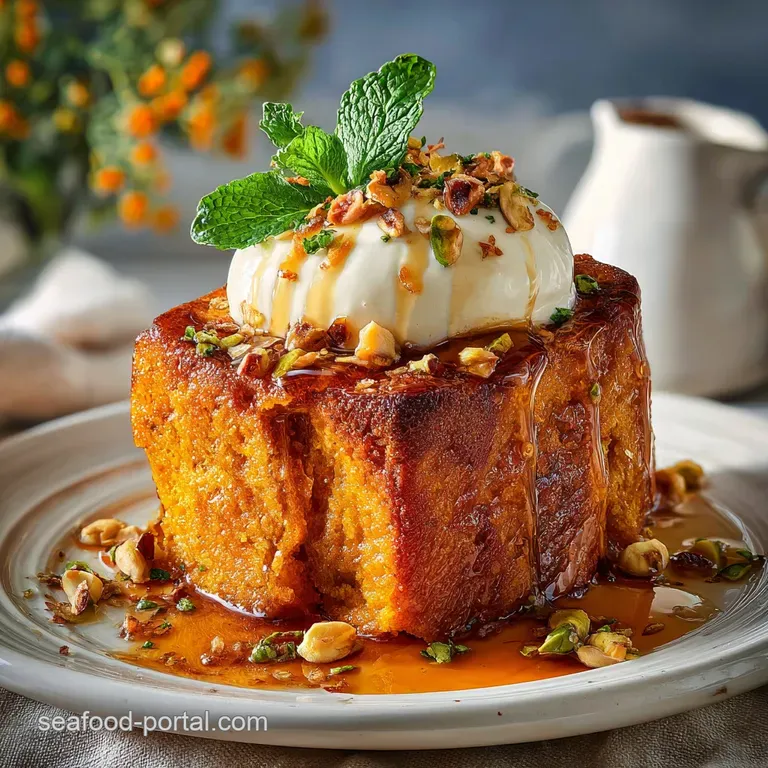
- Time: Active 15 minutes, Passive 1 hour, Total 1 hour 15 mins
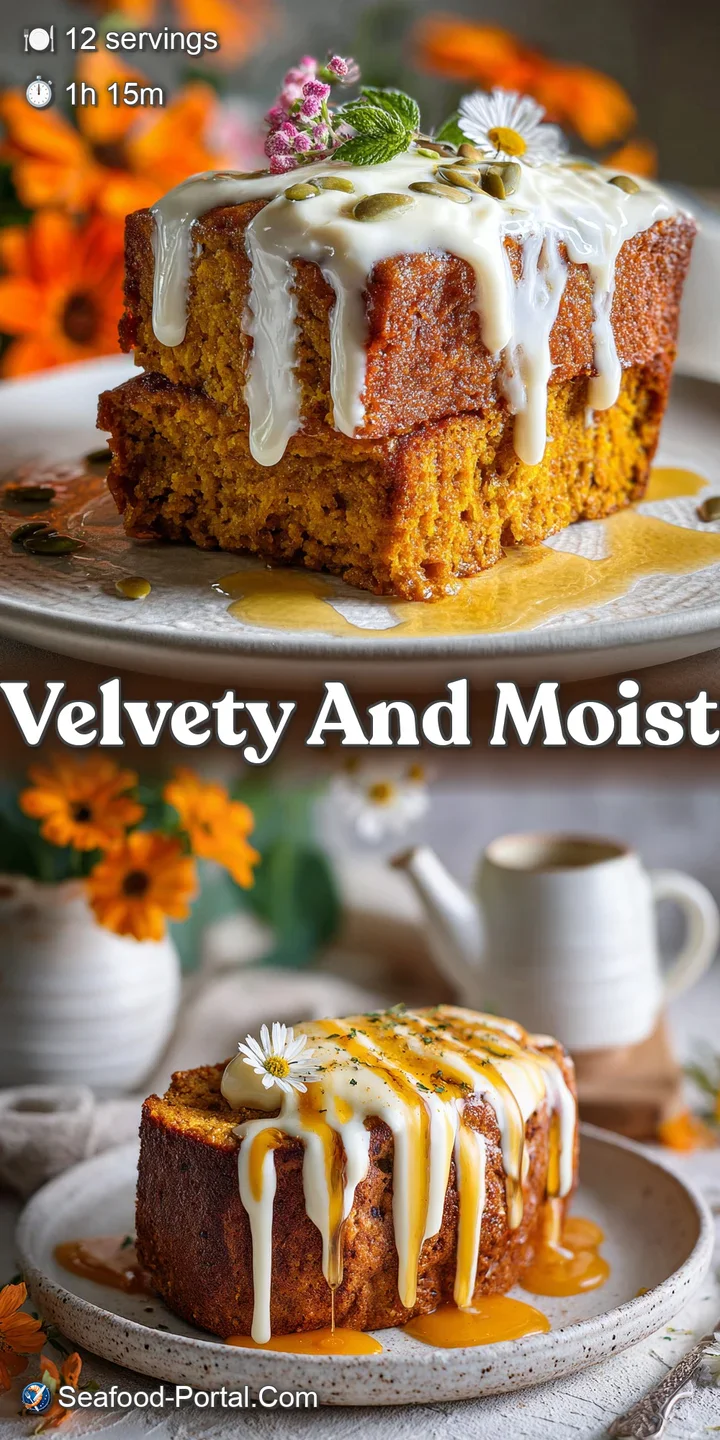
- Flavor/Texture Hook: Velvety, spice forward, and remarkably moist
- Perfect for: Cozy autumn brunches or meal prep snacks
- Baking The Best Pumpkin Bread with Vanilla Pudding
- Solving the Dry Bread Problem
- Science Behind the Velvety Crumb
- Timing and Yield Specifics
- Core Ingredients for Moist Bread
- Tools for the Best Loaf
- Step-By-Step Mixing and Baking
- Fixes for Common Baking Errors
- Flavor Twists and Custom Add Ins
- Storing Your Pumpkin Loaf Correctly
- Perfect Sides for This Bread
- Myths About Pumpkin Bread
- Recipe FAQs
- 📝 Recipe Card
Baking The Best Pumpkin Bread with Vanilla Pudding
The scent of cinnamon and warm nutmeg hitting a hot oven is the literal definition of autumn. We have all been there, though, cutting into a beautiful looking loaf only to realize it has the texture of a dry kitchen sponge. It is frustrating because you spent the time and the ingredients, yet the result is just...
fine.
Discover the best pumpkin bread recipe ever, featuring a secret ingredient: vanilla pudding. I started adding this years ago after a failed attempt at a traditional recipe left me with a pile of crumbs. The pudding mix changed everything.
It adds a specific kind of "bounce" to the bread that you usually only get from professional bakeries.
This is not just another quick bread. It is a sturdy, flavorful, and incredibly moist treat that holds up to being toasted or slathered in salted butter. We are going to walk through why this works, the science behind that texture, and how to make sure your loaf comes out with that perfect mahogany crust every single time.
Trust me, once you try the pudding trick, you will never go back to the basic version.
Solving the Dry Bread Problem
Most quick breads suffer from a lack of moisture or, conversely, they are so wet they become gummy. This recipe strikes a balance by using specific fat to sugar ratios that keep the crumb tender. When you bite into it, it should feel silky, not gritty.
The vanilla notes from the pudding mix act as a background singer, amplifying the earthy tones of the pumpkin without taking over the show.
The contrast here is what makes it special. You get that slightly crisp, sugar dusted top that gives way to a center so soft it almost melts. It is the same satisfaction you get from a Pumpkin Soda Bread recipe but with a much richer, dessert like finish. It is approachable enough for a Tuesday morning but decadent enough for a holiday spread.
We are aiming for a loaf that feels heavy for its size. That weight tells you the moisture is locked in. By using neutral oil instead of butter, we ensure the bread stays soft even when it is cold.
Butter is great for flavor, but it hardens at room temperature, which can make quick breads feel "stale" faster than they actually are.
Science Behind the Velvety Crumb
The magic here lies in the instant pudding mix, which is primarily modified cornstarch. This starch is "pre gelatinized," meaning it can thicken and bind liquids without needing to reach a full boil first.
- Starch Gelatinization: The pudding mix absorbs excess moisture from the pumpkin and oil, creating a gel like structure that reinforces the bread's walls.
- Hygroscopic Action: The sugar and modified starches in the pudding pull moisture from the air, preventing the loaf from drying out after it leaves the oven.
- Protein Denaturation: Using two large eggs provides the structure needed to lift the heavy pumpkin puree, ensuring the bread doesn't collapse under its own weight.
| Component | Science Role | Pro Secret |
|---|---|---|
| Instant Pudding Mix | Moisture Binder | Prevents the crumb from shattering when sliced |
| Pumpkin Purée | Fiber & Hydration | Use "solid pack" only, never pumpkin pie filling |
| Neutral Oil | Lipid Coating | Coats flour proteins to inhibit excess gluten growth |
Because we are working with pumpkin, which varies in water content brand by brand, the pudding acts as a safety net. It regulates the hydration levels so your results are consistent every time you bake. If you want to see this science applied to a different flavor profile, look at how we use similar binders in our Butterscotch pudding pumpkin bread recipe.
Timing and Yield Specifics
This recipe is designed for a standard 9x5 inch loaf pan. It yields about 12 generous slices, assuming you can resist eating the whole thing while it is still warm. Precision is key in baking, so keep an eye on these specific checkpoints.
- Checkpoint 1 (Preheat): Ensure your oven is at exactly 350°F before the pan goes in.
- Checkpoint 2 (Flour): Use a scale for 250g of flour; scooping with a cup can lead to 20% more flour, making the bread heavy.
- Checkpoint 3 (Internal Temp): The bread is done when the center reaches 200°F to 205°F on a digital thermometer.
| Aspect | Fast Version | Classic Version |
|---|---|---|
| Fat Type | Oil (Quick Emulsion) | Creamed Butter (Air Incorporation) |
| Texture | Dense and Velvety | Light and Cake like |
| Shelf Life | 4-5 days moist | 1-2 days moist |
The oil based method is much faster because you don't have to wait for butter to soften. It also results in a more consistent "quick bread" texture that people crave during the colder months.
Core Ingredients for Moist Bread
You probably have most of these in your pantry right now. The key is quality. Use a fresh bottle of pumpkin pie spice if that jar has been sitting there since three Halloweens ago, throw it out and buy a new one. The oils in the spices vanish over time, leaving you with sawdust flavored bread.
- 250g All Purpose Flour: Provides the essential structure. Why this? Medium protein content ensures the bread is sturdy but remains tender. (Substitute: 1:1 gluten-free flour blend)
- 1 package (3.4 oz) Instant Vanilla Pudding Mix: The secret weapon for moisture. Why this? Modified starches create a superior, silky crumb texture. (Substitute: Instant French Vanilla pudding for deeper flavor)
- 1 tsp Baking Soda: Our primary leavening agent. Why this? Reacts with the acidity in the pumpkin to create lift. (Substitute: 3 tsp Baking Powder if soda is unavailable)
- 1/2 tsp Baking Powder: A little extra insurance for a domed top. Why this? Provides a second rise during the middle of the baking process. (Substitute: Skip if using self rising flour)
- 1/2 tsp Fine Sea Salt: Balances the sugar. Why this? Enhances the natural sweetness of the squash. (Substitute: Table salt, but use slightly less)
- 2 tsp Pumpkin Pie Spice: The soul of the bread. Why this? A pre mixed blend of cinnamon, ginger, nutmeg, and cloves. (Substitute: 1.5 tsp Cinnamon + 0.5 tsp Nutmeg)
- 1 cup (225g) Pumpkin Purée: Real squash flavor. Why this? Adds natural sweetness and significant moisture. (Substitute: Roasted and mashed butternut squash)
- 1/2 cup Neutral Oil: Canola or vegetable oil works best. Why this? Keeps the bread soft even after refrigeration. (Substitute: Melted coconut oil for a subtle nutty note)
- 1 cup Granulated Sugar: Sweetness and browning. Why this? Helps create that beautiful mahogany crust via caramelization. (Substitute: 1 cup Light Brown Sugar for a fudge like texture)
- 2 Large Eggs: The binder. Why this? Provides protein for structure and fats for richness. (Substitute: 1/2 cup Unsweetened Applesauce)
- 1 tbsp Pure Vanilla Extract: Flavor depth. Why this? Bridges the gap between the pumpkin and the vanilla pudding. (Substitute: Vanilla bean paste for those gorgeous black specks)
Tools for the Best Loaf
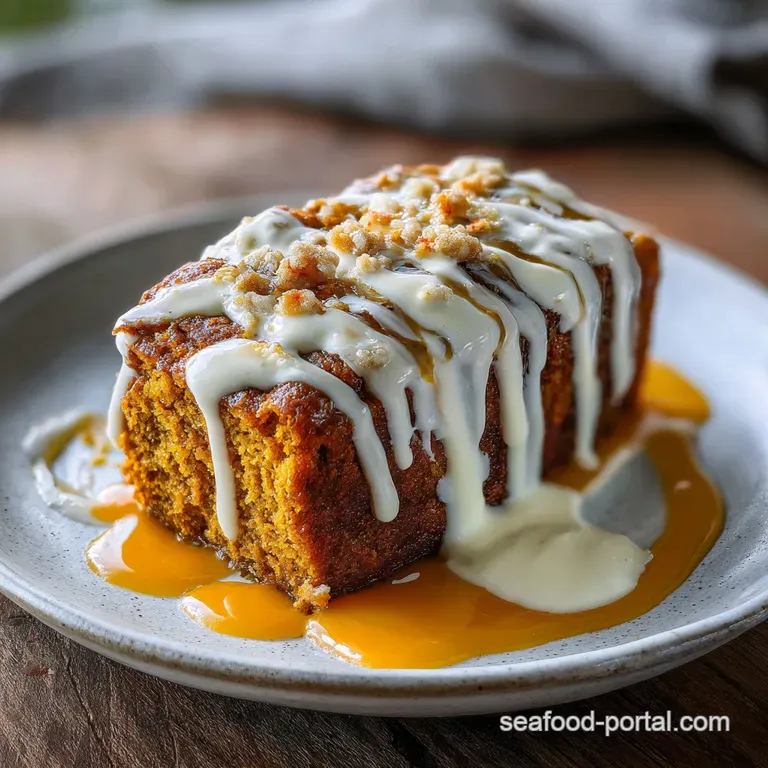
You don't need a high end stand mixer for this. In fact, a whisk and a spatula are actually better because they prevent you from overworking the dough. Over mixing is the enemy of a tender loaf.
- 9x5 Inch Loaf Pan: Metal is preferred over glass for a more even, crispy crust.
- Large Mixing Bowls: You'll need two one for dry, one for wet.
- Whisk and Rubber Spatula: For that gentle folding motion.
- Digital Scale: For measuring that 250g of flour precisely.
- Wire Cooling Rack: Essential to prevent the bottom of the loaf from getting soggy.
Chef's Note: If you only have glass pans, lower your oven temperature by 25°F and extend the bake time. Glass holds heat differently and can burn the edges before the center is done.
step-by-step Mixing and Baking
- Preheat the oven. Set it to 350°F (175°C) and grease your 9x5 loaf pan thoroughly. Note: Greasing with butter and a dusting of flour ensures an easy release.
- Whisk dry ingredients. Combine the 250g flour, pudding mix, baking soda, baking powder, salt, and spices. Note: Use a whisk to break up any lumps in the pudding mix.
- Mix wet ingredients. In a separate bowl, whisk together the 1 cup pumpkin, 1/2 cup oil, 1 cup sugar, 2 eggs, and 1 tbsp vanilla. Whisk until the mixture is glossy and smooth.
- Combine the two. Pour the wet ingredients into the dry bowl. Note: Always add wet to dry to minimize the number of strokes needed to combine.
- Fold gently. Using a spatula, fold the mixtures together until no white streaks of flour remain. Stop immediately once combined!
- Transfer to pan. Pour the batter into the prepared pan and smooth the top with your spatula.
- Bake the loaf. Place in the center of the oven for 1 hour. Bake until the top is mahogany and a toothpick comes out clean.
- Test for doneness. Check at the 50 minute mark to ensure the top isn't browning too quickly.
- Cool in pan. Let the bread sit in the pan for 10 minutes. Note: This allows the structure to set so it doesn't break when flipped.
- Final cooling. Remove from the pan and let it cool completely on a wire rack. Wait until cool before slicing to ensure a clean cut.
Fixes for Common Baking Errors
Baking is chemistry, and sometimes the lab results aren't what we expected. If your loaf didn't turn out like the picture, don't panic. Most issues come down to temperature or measurement.
Sinking Loaf Center Solutions
If your bread looks like a canyon in the middle, it usually means the leavening agents finished their reaction before the structure was strong enough to hold them. This happens if your baking soda is old or if you opened the oven door too many times. Keep that door shut!
The sudden drop in temperature causes the air bubbles to collapse.
Gummy Internal Texture Fixes
A gummy center is almost always a sign of under baking or using too much pumpkin. I know it's tempting to "eyeball" the pumpkin puree, but too much moisture will overwhelm the flour's ability to set. Stick to the 1 cup (225g) measurement. If it's already gummy, you can slice it and toast it to dry it out.
Burnt Top Prevention Tactics
If your loaf is dark brown but the inside is still raw, your oven might be running hot. Cover the top loosely with a piece of aluminum foil (creating a "tent") for the last 15 minutes of baking. This reflects the direct heat while allowing the internal temperature to keep rising.
| Problem | Root Cause | Solution |
|---|---|---|
| Tough, rubbery texture | Over mixing the batter | Fold by hand only until flour disappears |
| Large holes in bread | Air pockets from high speed mixing | Tap the pan on the counter before baking |
| Bread won't rise | Expired baking soda/powder | Test soda in vinegar; it should bubble instantly |
Don't be afraid to leave the bread in for an extra 5 minutes if the toothpick isn't perfectly clean. Every oven is a little different, and it's better to have a slightly darker crust than a raw middle.
Flavor Twists and Custom Add Ins
Once you have mastered the base recipe, you can start playing with textures. I personally love adding a handful of toasted pecans for a bit of crunch. The earthy nuts play so well against the soft, vanilla scented crumb.
The Crunch Factor Variation
Add 1/2 cup of chopped walnuts or pecans to the batter at the very end. You can also sprinkle some pumpkin seeds (pepitas) on top before baking. They get "shatter crisp" in the oven and look beautiful. This adds a savory counterpoint to the sweetness.
low-fat Healthy Swap
While I usually say don't bother with low-fat versions, you can replace half of the oil with plain Greek yogurt. It keeps the bread moist due to the acidity, but it will result in a slightly tangier flavor and a denser crumb. It won't be as "velvety," but it is a solid trade off if you're watching your intake.
- Chocolate Chip: Fold in 1/2 cup of dark chocolate chips for a decadent version.
- Maple Glaze: Whisk powdered sugar and maple syrup for a drizzle once cooled.
- Ginger Kick: Add 1/2 tsp of ground ginger for a sharper spice profile.
Storing Your Pumpkin Loaf Correctly
This bread is actually better the next day. The spices have time to "bloom," and the moisture distributes evenly throughout the loaf. If you can wait, wrap it in plastic wrap once completely cool and let it sit on the counter overnight.
- Fridge: Store in an airtight container for up to 5 days. It stays remarkably moist thanks to the pudding.
- Freezer: This bread freezes beautifully. Wrap individual slices in parchment paper, then place them in a freezer bag. They will stay fresh for 3 months. To reheat, just pop a frozen slice into the toaster or microwave for 20 seconds.
- Zero Waste: If you somehow have leftovers that are starting to get dry (unlikely!), use them to make French toast or a pumpkin bread pudding. The high sugar content means they caramelize perfectly in a pan with a little butter.
Perfect Sides for This Bread
While a slice of this bread is a meal in itself, it really shines when paired with something creamy or salty. I love serving it alongside a sharp espresso to cut through the richness of the vanilla.
The sweetness of the pumpkin is a great match for savory elements too. Try a thin smear of cream cheese or even a slice of sharp cheddar. If you are looking for more cozy baking ideas, our Vanilla Pudding Pumpkin Bread recipe offers a similar texture but with an even more pronounced vanilla flavor.
- Whipped Cinnamon Butter: Soften butter and whip with cinnamon and honey.
- Greek Yogurt: A dollop of plain yogurt balances the sugar.
- Apple Slices: The tartness of a Granny Smith apple provides a great "crunch" contrast.
Myths About Pumpkin Bread
I've heard people say you must sift your flour for quick breads. Honestly? You don't. Unless your flour is specifically clumpy, a good whisking in the bowl is enough to aerate it. Sifting is a holdover from when flour was less refined. Today, it’s mostly an extra dish to wash.
Another myth is that "more pumpkin equals more moist." This is a trap! Too much pumpkin puree introduces too much water and fiber, which interferes with the gluten structure. You end up with a loaf that won't rise and feels like wet clay in the middle.
Stick to the ratios we discussed the pudding mix is doing the heavy lifting for moisture, so you don't need to overdo the squash.
Finally,, some think you need to use "fresh" pumpkin for the best flavor. In my experience, canned pumpkin puree is more consistent. Fresh pumpkin varies wildly in water content and sweetness. Canned versions are steamed and concentrated, giving you that deep, reliable flavor we are looking for in a classic bake.
Recipe FAQs
What makes this pumpkin bread exceptionally moist?
The instant vanilla pudding mix. Its modified starches absorb excess moisture and create a gel-like structure, locking in hydration for a velvety crumb that stays tender for days.
How can I prevent my pumpkin bread from sinking in the middle?
Ensure your leavening agents are fresh and avoid opening the oven door too early. Old baking soda or powder can lose potency, and a sudden temperature change can cause the delicate structure to collapse before it sets.
Can I substitute butter for the oil in this recipe?
Yes, but expect a textural difference. Butter provides flavor but hardens at room temperature, potentially making the bread feel stale faster. Oil keeps the loaf softer for longer, which is why it's preferred for maximum shelf life and tenderness, similar to the method used in our Overnight Baked French Toast: The Ultimate Weekend Treat.
How long does this pumpkin bread stay fresh?
Up to 5 days when stored properly. Keep the completely cooled loaf wrapped tightly in plastic wrap in an airtight container at room temperature. The pudding mix helps retain moisture exceptionally well.
What's the best way to get a perfectly golden brown crust?
Use a metal loaf pan and bake at the correct temperature. Metal pans conduct heat more efficiently than glass, promoting a crispier crust, and ensure your oven is accurately preheated to 350°F.
Is it true that canned pumpkin is better than fresh for this recipe?
Yes, canned pumpkin puree generally provides more consistent results. Canned pumpkin is typically steamed and concentrated, offering a reliable flavor and moisture content, whereas fresh pumpkin can vary significantly.
Can I make this pumpkin bread ahead of time?
Absolutely, and it's recommended for best flavor. Bake the loaf up to two days before serving. The flavors will meld beautifully, and the moisture will be perfectly distributed, much like the flavor development in a Butter Pecan Praline Poke Cake: Insanely Moist Caramelized.
The Best Pumpkin Bread
Ingredients:
Instructions:
Nutrition Facts:
| Calories | 268 kcal |
|---|---|
| Protein | 3.4 g |
| Fat | 10.1 g |
| Carbs | 41.4 g |
| Fiber | 1.1 g |
| Sugar | 23.9 g |
| Sodium | 327 mg |
