Poached Calamari Broth: Tender Seafood Magic
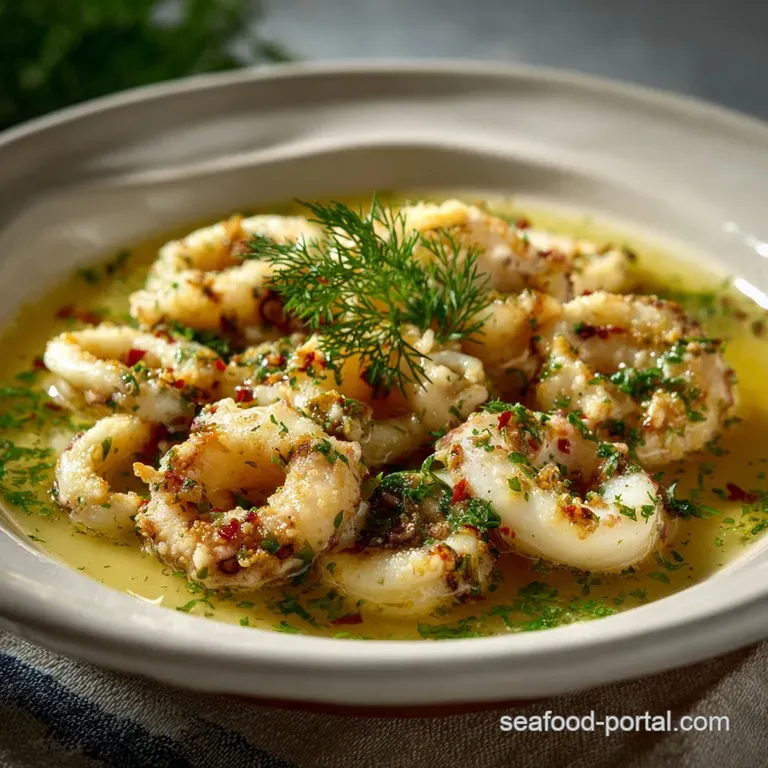
- Mastering Poached Calamari: The Secret to Tender Squid
- The Science of Tender Calamari: Why Controlled Poaching Triumphs
- Key Ingredients: Building the Zesty White Wine Broth
- Achieving Perfection: How to Make Poached Calamari Broth (12)
- Troubleshooting Your Calamari Broth: Insider Chef's Tips
- Meal Prep and Longevity: Storing Your Poached Seafood
- Elevating the Dish: Serving Poached Calamari Broth
- Recipe FAQs
- 📝 Recipe Card
Mastering Poached Calamari: The Secret to Tender Squid
That incredible, bright, lemony steam rising from a bowl of perfect seafood promises warmth and sophisticated flavour. It’s a sensory experience, and when you nail the texture of the squid, it’s pure, easy heaven.
My go-to quick win that makes everyone think I’m a culinary genius is this magnificent Poached Calamari Broth . (1) People usually associate calamari with deep fried rubber bands, but that’s because they’ve never learned the secret of gentle poaching.
Calamari gets tricky because most home cooks either boil it to death or simmer it too slowly in a sauce, making it seize up. This technique, quick poaching in a rich, aromatic liquid, is a lifesaver. It’s how you get true, buttery, melt-in-your mouth squid.
This recipe delivers a sophisticated, budget friendly, and shockingly fast weeknight meal. It truly embodies the ideal Elegant Calamari Dinner. Stop buying sad, chewy squid and start making this.
We’re going deep on how to achieve unbelievably tender calamari in the most flavourful Poached Calamari Broth (2) you’ve ever tasted.
The Science of Tender Calamari: Why Controlled Poaching Triumphs
The entire culinary world agrees: calamari only cooperates in two distinct cooking scenarios lightning fast (under two minutes) or glacial slow ( 45 minutes plus, like in a stew). We are aiming squarely for the former.
The controlled poaching method we use here ensures the heat is high enough to cook the delicate protein quickly, but the liquid surrounding it the core of the Poached Calamari Broth (3) acts as a buffer.
This prevents the proteins from tightening up into the infamous rubbery bands we all dread.
What Makes This Broth Elegant and Sophisticated?
What makes this specific Poached Calamari Broth (4) so great is the layering of flavour. We start by sweating the aromatics low and slow to extract maximum sweetness from the onions and garlic, creating a delicate base.
Then, we hit it with a big burst of white wine acidity, which is essential for balance. It’s sophisticated, yes, but it requires minimal effort only attention to detail. The resulting White Wine Seafood Broth is intensely savoury yet incredibly bright, tasting like a holiday on the Mediterranean coast.
Understanding Total Prep Time and Yield
I’m telling you, this recipe is built for speed. If you have your calamari pre-sliced, you can realistically be eating this in under 45 minutes, total. Prep time is about 20 minutes, mostly chopping, and the cook time is just 25 minutes.
This yields four very generous servings, perfect for a light main course or a stunning, shareable appetizer. If you are serving a crowd, double the recipe, but remember my crucial warning later about cooking the seafood in batches!
The Mediterranean Inspiration for This Flavourful Dish
This recipe is rooted deeply in the simple, fresh cooking of the Italian and Greek coasts, where the quality of the seafood and the brightness of citrus are paramount. They don't mess around with heavy creams or complicated sauces. The purity of the seafood shines through.
The addition of dry white wine provides that sharp, sun-drenched lift that defines seaside cooking, creating a classic, delicious Poached Calamari Broth (5) that feels effortlessly authentic.
Preventing Rubberiness: Temperature Control is Critical
Listen up, because this is where 99% of people fail when trying to cook squid. The temperature must be kept at a steady, gentle simmer tiny, soft bubbles rising slowly. We are not achieving a violent, rolling boil, ever.
Boiling assaults the calamari, causing the collagen fibres to immediately contract and squeeze all the moisture out. A gentle poach keeps the squid relaxed, ensuring your final Poached Calamari Broth (6) is silky and the seafood tender.
The moment you see the rings curl, they are done. There is no middle ground between 2 minutes and 45 minutes where squid is edible, so be vigilant!
Infusing the Broth: Layering Acidity and Aromatics
The magic of this Poached Calamari Broth (7) happens in three main layers. First, the oil, onion, and garlic base. Second, the deglazing scraping up those lovely browned bits, or fond , with the white wine to concentrate the flavour.
Third, the finishing touch: the lemon juice and fresh parsley. Importantly, the lemon juice goes in after the heat is off. This retains the sharp, fresh citrus punch; cooking lemon juice too long dulls its flavour dramatically.
That final acid boost wakes everything up, turning the whole dish into a vibrant Mouthwatering Calamari experience.
The Difference Between Boiling and Gentle Poaching
Boiling is aggressive, over high heat cooking generally used for root vegetables or pasta. Gentle poaching, however, uses liquid held just below the boiling point (around 180°F or 82°C). This subtle difference is everything for delicate proteins like seafood.
If you attempt to boil the squid, the temperature differential between the liquid and the seafood is too great, resulting in toughness. Gentle poaching coaxes the protein to cook evenly and remain hydrated.
Achieving this level of precision is why this method yields such an elegant Poached Calamari Broth (8).
Key Ingredients: Building the Zesty White Wine Broth
The beauty of this recipe is its simplicity. Because there are so few ingredients, the quality of each one matters immensely. Skimping on the wine or using old, dried out calamari is a recipe for disaster.
Getting the calamari right is the starting point for truly amazing Poached Calamari Broth (9).
Choosing and Preparing Fresh Calamari Tubes and Tentacles
Always try to buy the freshest calamari possible, ideally tubes and tentacles already cleaned by your fishmonger. If they aren't cleaned, you must remove the transparent quill and all innards. Slice the tubes into even 1 cm (1/2 inch) rings; uniformity means uniform cooking time.
Critical Step: Pat the squid pieces completely dry using kitchen paper. This concentrates the seafood flavour and prevents the calamari from releasing excess water into the broth, which would dilute the final flavour of our Garlic White Wine Broth.
Understanding the Role of Quality White Wine and Citrus Zest
The dry white wine (like Pinot Grigio or Sauvignon Blanc) provides the necessary acidity to balance the richness of the seafood and olive oil. Don't use anything sweet or anything you wouldn’t drink! If the wine is bad, your broth will be bad.
This step of adding and reducing the wine is non-negotiable for building the depth required in this Poached Calamari in Garlic White Wine Broth. The fresh lemon juice, added at the end, provides that signature brightness, finishing the Poached Calamari Broth (10) perfectly.
Essential Herbs and Spices for an Aromatic Base
We’re keeping it clean and classic. Garlic, of course, is the backbone. I use four fat cloves, thinly sliced, not crushed. This prevents it from burning but ensures maximum flavour release into the oil.
Fresh flat leaf parsley is the finishing herb its slightly peppery, grassy notes contrast beautifully with the rich broth. A small pinch of red pepper flakes adds a subtle warmth that lingers on the tongue without overpowering the delicate calamari.
Substitutions for Broth Depth (Using Clam Stock vs. Water)
The best base is high-quality fish stock, hands down. It has the right amount of oceanic depth without being overly fishy. Low-sodium chicken stock is an acceptable second choice, as it’s neutral enough not to clash with the seafood. However, if you are dedicated to high impact seafood flavour, consider using clam juice or clam stock. If you can’t find fish stock, you can even use the clear broth foundation from my classic Rhode Island Clam Chowder: Traditional Clear Broth Recipe — it provides excellent depth for this Poached Calamari Broth (11). Never use plain water; it won't give you the necessary flavour foundation. If you must skip the wine, substitute it with extra stock blended with a tablespoon of white wine vinegar.
Achieving Perfection: How to Make Poached Calamari Broth (12)
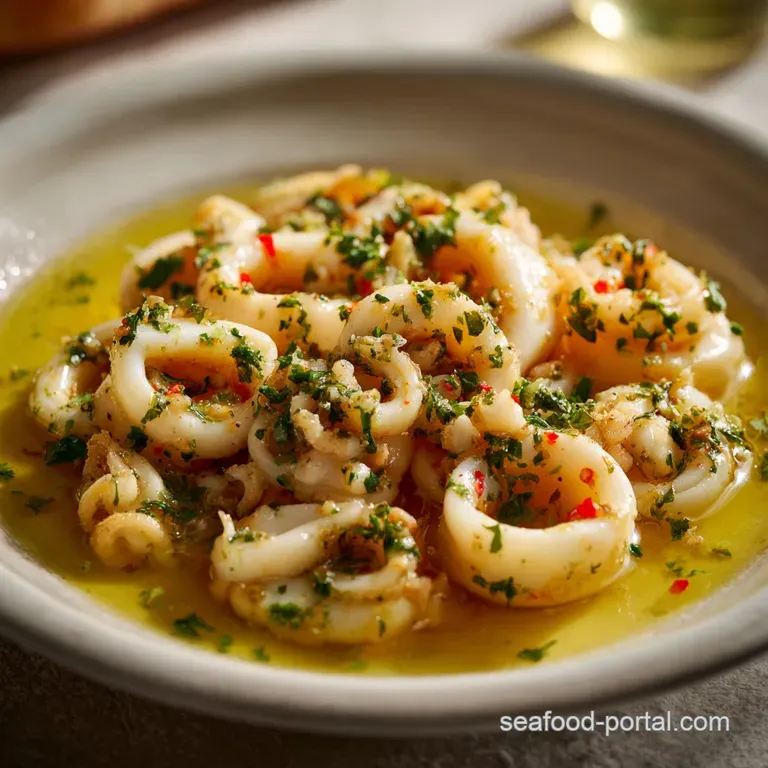
Let’s crack on. Mise en place is critical here; once the broth is simmering, the rest moves fast. You need everything chopped, measured, and ready to go.
Preparing the Calamari: Scoring and Slicing for Maximum Tenderness
Make sure those rings are even. If you have particularly large tubes, a trick is to lightly score the inside of the tube flesh diagonally with a very sharp knife before slicing. This helps them curl beautifully when they hit the heat and allows the Poached Calamari Broth (13) to fully infuse the flesh.
Have your spider strainer or slotted spoon ready!
Building the Aromatic Base: Sautéing and Deglazing with Wine
Start your pot (a Dutch oven works beautifully) over medium low heat with good olive oil. Add the diced onion and a tiny pinch of salt immediately. This draws out the moisture. Listen to the gentle sizzle; you are sweating the onion until it’s translucent and your kitchen smells sweet, about 6– 8 minutes.
Next, add the garlic and red pepper flakes; cook for exactly one minute until fragrant. Do not burn the garlic! Now, crank the heat and pour in the white wine. Scrape up any brown bits vigorously that’s the fond , and it’s the intense flavour foundation of your Poached Calamari Broth (14).
Reduce the wine by half; you should see the liquid visibly diminish and thicken slightly.
The Critical Poaching Phase: Timing the Squid Precisely
Add your stock and bring the entire pot up to a steady, gentle simmer. Season it aggressively now taste it. It should be slightly saltier than you want the final dish, as the calamari will absorb the salt. Now, add the dried calamari rings and tentacles.
The broth temperature will drop slightly, but it should quickly return to a low simmer. Start your timer: 90 seconds to 2 minutes maximum. The rings will curl, they will shrink, and they will turn opaque white. Remove the pot from the heat immediately when the time is up.
This is the difference between a tough failure and a stunning, successful Poached Calamari Broth (15).
Finishing the Broth: Seasoning, Adjusting Acidity, and Garnishing
With the heat off, stir in the fresh lemon juice. This wakes up the broth. Now is the time to taste and adjust salt, pepper, or maybe a tiny drizzle more olive oil for richness. Stir in the majority of the fresh parsley. Ladle the calamari and generous amounts of the rich, savoury broth into pre-warmed bowls.
Garnish with the remaining parsley and perhaps a light grating of lemon zest for extra aroma. You have achieved perfection in this in Garlic White Wine Broth.
Troubleshooting Your Calamari Broth: Insider Chef's Tips
We all make mistakes, trust me. I once seasoned the broth before reducing the wine, making the final product intensely salty and ruining the entire batch. Learning how to fix small errors is key to mastering this kind of seafood dish.
Recognizing When Calamari Is Done (And Not Overdone)
The only visual cue you need is the curl and the colour. When the rings curl tight and the flesh is fully opaque white, it’s done. If the calamari feels tight or rubbery under your spoon, it has entered the dreaded chewy phase.
At that point, your only option is to keep cooking it for another 30– 40 minutes until it becomes tender again but we are avoiding that fate in this recipe for Poached Calamari Broth (16).
How to Fix an Overly Salty or Acidic Broth
If your broth tastes too salty, the solution is dilution. Add a little more unsalted stock or even a splash of water, and bring it back to a simmer. If the broth tastes too acidic (maybe the wine was too tart or you added too much lemon), try balancing it with a tiny pinch of sugar. Seriously, just a quarter teaspoon.
If that doesn't work, stir in a teaspoon of good quality butter to mellow out the sharp edges. Make these adjustments before adding the calamari to the Poached Calamari Broth (17).
Avoiding the Single Biggest Mistake: Overcrowding the Pot
When cooking seafood via poaching, the temperature must remain stable. If you dump 3 lbs of cold calamari into a pot designed for a single batch, the temperature will plummet, extending the cooking time unnecessarily. This inconsistency results in tough squid.
If you are serving more than four people, cook the calamari in batches. Use a spider strainer to quickly pull the finished calamari from the pot, then return the broth to a simmer before adding the next batch.
This protects the integrity of the Poached Calamari Broth (18) and the texture of the seafood.
Meal Prep and Longevity: Storing Your Poached Seafood
Because we are dealing with delicate seafood, storage must be handled carefully. This is one of those dishes that tastes amazing fresh, but can also be successfully prepared ahead of time if you follow a few simple rules.
Safe Refrigeration Guidelines for Cooked Seafood
Cooked calamari is best consumed within 2 3 days of cooking. When storing, ensure you keep the calamari completely submerged in the rich Poached Calamari in Garlic White Wine Broth. The broth protects the squid from drying out in the refrigerator. Store it in an airtight container.
When reheating, use gentle heat on the stovetop just bring it to a bare simmer do not boil it again.
Can You Freeze Calamari Broth and Maintain Texture?
The broth itself freezes beautifully and can be kept in freezer safe containers for up to 3 months. But the calamari? It’s tricky. When thawed and reheated, the delicate texture achieved by quick poaching can degrade, often leading to slightly chewier results.
My recommendation is to make and freeze the Garlic White Wine Broth without the calamari. When you plan to eat it, thaw the broth, bring it to a simmer, and quickly poach fresh calamari for 2 minutes. This ensures maximum tenderness.
Ideal Starches and Sides for Soaking Up the Broth
If there’s one thing you must serve alongside this Poached Calamari Broth (19), it’s excellent, crusty bread. Sourdough or ciabatta is non-negotiable for soaking up every last, glorious drop the scarpetta (little shoe) maneuver is mandatory. If you want a more substantial meal, add cooked, drained linguine or orzo directly into the finished broth before serving. Or, if you want a quick carb base, try tossing some of this broth with the liquid from my Sesame Garlic Ramen Noodles: Ready in 15 Minutes (No Broth) recipe (leaving out the sesame sauce), which makes a fantastic, speedy pairing.
Elevating the Dish: Serving Poached Calamari Broth
To truly elevate this dish, serve it with a very light side that cuts through the richness. A simple handful of peppery Arugula (rocket) dressed simply with olive oil and a squeeze of lemon provides the perfect counterpoint.
This simple, elegant technique delivers Mouthwatering Calamari every single time. Stop fearing squid. Go forth and make the ultimate Poached Calamari Broth (20) and text me immediately when you realize how easy it was. Enjoy this spectacular, flavour packed gluten-free seafood recipe!
Recipe FAQs
Why did my poached calamari turn out rubbery or chewy?
The issue is almost always due to incorrect cooking time; calamari requires either a very fast, high heat cook (1 2 minutes) or a low, slow braise (30 40 minutes). Ensure your poaching liquid is held at a gentle simmer, never a rolling boil, and remove the squid immediately after it becomes opaque and curls slightly.
Can I use frozen calamari instead of fresh squid?
Yes, but proper thawing is crucial to prevent excess water dilution in your delicate broth. Thaw the calamari overnight in the refrigerator, then pat it completely dry with paper towels before slicing and introducing it to the poaching liquid. This minimizes residual ice crystals that could weaken the flavor profile.
What is the best way to deepen the flavor of the white wine broth?
For a richer, more complex profile, spend extra time sweating the aromatics (like fennel, onion, and garlic) until they are very soft and fragrant before adding the liquid. Additionally, incorporating clam juice or a high-quality seafood stock instead of plain water will amplify the necessary oceanic notes.
What non-alcoholic ingredient can I substitute for the white wine?
You can replace the white wine with an equal measure of quality vegetable or fish stock mixed with two tablespoons of white wine vinegar or fresh lemon juice. This substitution maintains the essential acidity needed to brighten the dish and cut through the richness without compromising the flavor structure.
My broth looks cloudy after poaching the calamari. How can I clarify it?
Cloudiness often occurs if the broth is boiled too vigorously, which emulsifies the fats and proteins, or if the calamari was not thoroughly rinsed before cooking. To clarify a slightly murky broth, strain it through a fine mesh sieve lined with cheesecloth before serving.
Avoid stirring the broth aggressively during poaching.
How long does the Poached Calamari Broth last, and can I freeze it?
The poached calamari and broth should be stored together in an airtight container in the refrigerator and consumed within 3 days. Freezing the assembled dish is not recommended, as freezing and thawing will alter the tender texture of the squid, making it tough and unpleasant.
Besides serving it in a bowl, what are some creative serving suggestions?
This elegant dish pairs beautifully with a starchy base that can soak up the flavorful broth. Try serving the calamari and liquid over creamy polenta, a bed of toasted crusty Italian bread, or atop al dente linguine or orzo pasta.
Tender Poached Calamari Broth
Ingredients:
Instructions:
Nutrition Facts:
| Calories | 1434 kcal |
|---|---|
| Protein | 85.8 g |
| Fat | 100.8 g |
| Carbs | 29.7 g |
