Oven Baked Turkey Gizzards Forktender and Savoury Slowcooked Method
- Why the 'Low and Slow' Method is Essential for Turkey Gizzards
- Unlocking Tenderness: The Secret to Perfect Offal Texture
- The Essential Pantry Checklist for Oven Baked Turkey Gizzards
- Gathering Your Aromatics and Braising Liquid Base
- Phase 1: Building Deep Flavor with a Quick Sear
- The Art of Braising: Achieving Fall and Apart Tenderness in the Oven
- Serving Suggestions and Perfect Pairings for Oven Baked Turkey Gizzards
- Mastering the Details: Troubleshooting and FAQs for Gizzard Success
- Storage and Transformation: Maximizing Your Leftovers
- Recipe FAQs
- 📝 Recipe Card
Why the 'Low and Slow' Method is Essential for Turkey Gizzards
Right then, let’s talk turkey. Specifically, turkey gizzards. If you've ever tried to rush these little guys, you know they come out tasting like savoury pencil erasers. I know, because I tried that too, back when I thought high heat solved everything. It absolutely does not here.
The secret to making something like this truly spectacular, especially when learning How To Cook Turkey Gizzards In Oven , is patience. We’re not aiming for a quick roast; we are aiming for a textural miracle.
We need to respect the ingredient’s structure and give it the time it deserves to transform. This long, gentle braise is the only way to break down the tough connective tissue, leaving you with tender meat that practically dissolves on the tongue. It's brilliant.
Unlocking Tenderness: The Secret to Perfect Offal Texture
The biggest hurdle with gizzards is texture. Nobody wants bouncy, chewy offal. We want fall and apart, deeply satisfying meat. But how does this miracle happen? It’s all down to science, specifically the breakdown of collagen. Collagen is the glue that holds tough muscle together.
When you apply high heat quickly, the collagen shrinks up and squeezes out moisture, leaving you with a dense, dry, rubbery mouthful. When you use the low and slow method we are covering today, that tough collagen melts.
It turns into gelatin, coating the meat fibers and filling them with glorious, mouth and coating moisture. This is why this particular Baked Gizzards method is non and negotiable.
What Exactly Is a Gizzard and Why Is It So Tough?
A gizzard is essentially the turkey’s second stomach it's a seriously thick, powerful muscle used to grind up food (since birds don't have teeth). Think of it like a miniature, constantly working calf muscle. It’s built for strength, not tenderness.
Because it’s so muscular, it has tons of that strong connective tissue, which is why your initial approach has to be gentle. This is also why you often see gizzards included in a general Turkey Giblets Recipe package.
Flavor Profile: What to Expect from Deeply Savoury Slow and Baked Morsels
If you’re worried about gizzards tasting too ‘offal-y’ (you know, that slightly metallic, livery taste), don't be. Turkey gizzards are incredibly earthy and rich, but they tend to be cleaner tasting than liver or kidney.
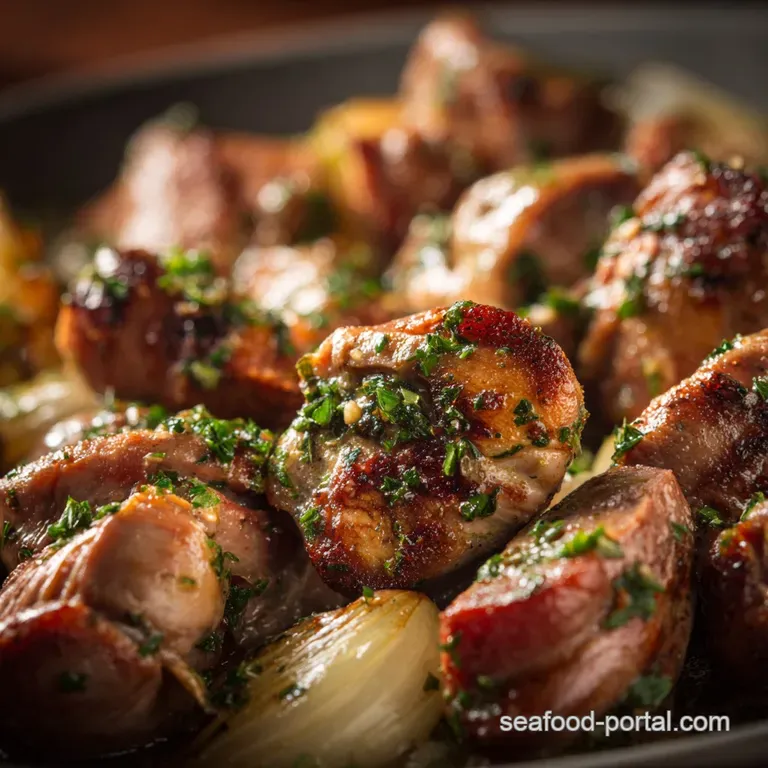
They absorb seasoning beautifully and take on the deep flavors of the braising liquid. After our long bake and final reduction, the resulting Deeply Savoury Slow and Baked Morsels are dark, intense, and smoky thanks to the paprika and the concentrated stock.
The Time Investment Versus the Culinary Reward
Yes, three hours is a long time. I get it. But here’s the thing: most of that time is completely hands and off. Your prep time is 20 minutes (max), and then the oven does all the heavy lifting while you binge and watch whatever series you’re currently obsessed with.
You just check it once to make sure the liquid hasn't evaporated. The reward? A bowl of intensely flavored, impossibly Tender Turkey Gizzards that you'd pay a fortune for at a fancy bistro. Worth every second, promise.
The Essential Pantry Checklist for Oven Baked Turkey Gizzards
Before we crack on, let's make sure you’ve got the basics down. You’ll need a robust rub that stands up to the long cooking time think smoked paprika for color and depth, and plenty of onion and garlic powder. Salt, obviously. You also need good quality stock.
If you have homemade turkey stock, use it. If not, low and sodium chicken stock is perfectly fine. Don't cheap out on the seasonings; they are the armor that protects the gizzards during the long bake.
Gathering Your Aromatics and Braising Liquid Base
This is where the magic really begins. We are essentially making a rich, meaty pot roast base, but swapping the beef for the gizzards. The key to our braising liquid is concentration. We don't want a watery stew; we want a thick, glossy glaze by the end.
That’s why we rely on things like Worcestershire sauce for serious umami, and a few bay leaves to give it an herbaceous depth.
Sourcing the Best Turkey Gizzards (Fresh vs. Frozen Options)
This is a personal opinion, but I always, always recommend buying fresh, whole gizzards if you can find them. Often, the pre and trimmed, packaged frozen ones have already started losing texture, or they are cut too small, which risks drying them out.
If you're using frozen, make sure to thaw them completely in the fridge overnight before you start. And please, use these steps for any Turkey Gizzards Recipe you try.
Pre and Prep: Trimming and Cleaning the Gizzards Properly
I learned this the hard way: if you don’t clean and trim them properly, they will be tough. End of story. The two things you need to remove are any large pockets of yellow fat (they melt into oily sadness) and the tough, silvery or white membrane/skin.
Grab a sharp paring knife and dedicate a few minutes to this step. It’s tedious, but absolutely necessary.
CRITICAL WARNING: If you leave the silver skin on, the gizzard will seize up, and no amount of braising will save it. Take the time to scrape or slice that membrane away completely.
Must and Have Equipment: Which Pan Delivers Maximum Heat Retention?
We need something heavy duty. My absolute favorite piece of kit for this Low and Slow Turkey Gizzards approach is a cast iron Dutch Oven. A heavy enamel and coated cast iron pot (5 to 6 quart) is perfect because it retains heat like a furnace and distributes it evenly.
This prevents hot spots and ensures that the braise stays at a gentle, consistent simmer inside the oven. If you don't have one, use the heaviest, deepest oven and safe pot you own with a tight lid.
Related Recipes Worth Trying
- Baked Crispy Cod Recipe The Zesty Panko OvenBaked Takeaway — Get perfectly Baked Crispy Cod every time using Panko and high heat This Healthy Baked Crispy Cod recipe delivers shatteringly crisp fillets without deep...
- Baked Catfish Nuggets UltraCrispy Oven Recipe — These Baked Catfish Nuggets deliver satisfying crunch without the fryer fuss This healthy baked catfish nuggets recipe uses Panko for an incredible...
- Baked Teriyaki Salmon Recipe Sticky Glaze Flaky Perfection — This easy Baked Teriyaki Salmon recipe guarantees a perfect sticky glaze and moist fish Learn how to make the best oven baked salmon and broccoli dish in...
Phase 1: Building Deep Flavor with a Quick Sear
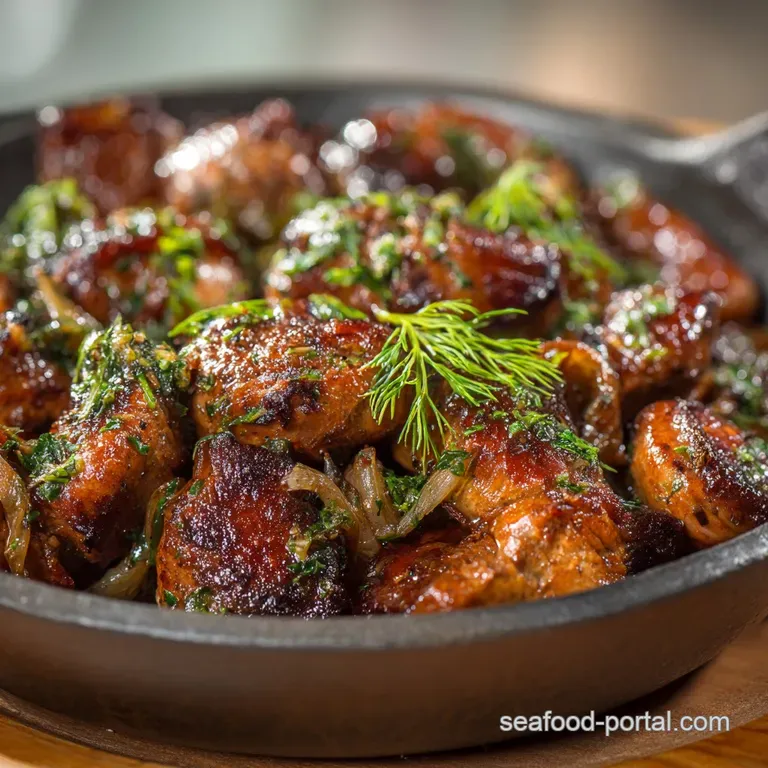
Before anything goes in the oven, we need to create the foundation of flavor. Searing the seasoned gizzards is mandatory. Toss them aggressively with the spice rub and then hit them with high heat and a little olive oil. You aren't cooking them through; you are creating a gorgeous, dark and brown crust on the outside.
This Maillard reaction is where all that savoury, roasted depth comes from. Don't crowd the pan, or they will steam instead of sear. Work in batches.
The Art of Braising: Achieving Fall and Apart Tenderness in the Oven
This is the main event. Once the searing is done, all those beautiful brown bits we created will contribute to our magnificent sauce. The oven temperature needs to be relatively low (160°C or 320°F). We want a barely perceptible bubble, not a furious boil.
Sautéing the Mirepoix Base (The Foundation of Savoury Depth)
After the gizzards are seared, immediately drop in your roughly chopped onion and garlic. Sauté them right in the residual fat until they soften. They are going to melt into the sauce over the next few hours, lending subtle sweetness and body. This is the good stuff, the backbone of any good braise.
Deglazing the Pan: Capturing Every Bit of Flavor Before the Bake
Once the veggies are soft, pour in that tablespoon of Worcestershire sauce and scrape the bottom of the pan with a wooden spoon. See those brown bits, the fond ? That’s pure concentrated flavor, and the Worcestershire helps lift it off the surface and integrate it into the liquid.
It's a quick step that makes a monumental difference to the final sauce.
Setting the Oven Temperature and Monitoring the Braise
Return the gizzards to the pot, cover them generously with stock, slap the lid on tight, and pop it into the 160°C (320°F) oven. I usually set my timer for 2 hours and 15 minutes initially.
Monitoring is key: you just want to make sure the liquid level stays high enough. If your lid isn't super tight, check it after 90 minutes. If the liquid looks low, top it up with a splash of hot stock or water.
Testing for Doneness: The Fork and Tender Benchmark
After 2 hours and 15 minutes, pull one out and try to pierce it with a fork. It should pierce with almost no resistance. If it feels firm or you have to stab it, it needs more time. Don’t panic!
Just return it, covered, for another 15 to 30 minutes. Once they are tender, take the lid off, crank the oven up to 200°C (400°F), and let the sauce reduce and concentrate for about 20 minutes, stirring occasionally.
That gives you the gorgeous, caramelized finish. This is the ultimate Oven Baked Turkey Gizzards technique.
Serving Suggestions and Perfect Pairings for Oven Baked Turkey Gizzards
This dish is intensely rich, so you need something robust and starchy to balance it out and soak up that amazing, sticky glaze.
| Starchy Base | Why It Works |
|---|---|
| Creamy Mashed Potatoes | Absorbent, comforting, classic contrast. |
| Polenta or Grits | Rustic, buttery texture that holds the rich glaze perfectly. |
| Crusty Bread | Essential for wiping the bowl clean (the "sop"). |
Mastering the Details: Troubleshooting and FAQs for Gizzard Success
Nutritional Snapshot: Is Turkey Gizzard a Healthy Protein Source?
Yes! Gizzards are nutrient dense. They are packed with protein, iron, and various B vitamins, and they tend to be lower in fat than other offal meats. They’re fantastic if you are looking for an affordable, high and quality protein.
Traditional Sides That Complement Rich Offal
Because the gizzards are so savoury, you want a side that offers a little acidity or sharpness.
- A sharp, vinegar and based coleslaw.
- Pickled onions or cornichons (little pickles) for a tangy bite.
- Simple steamed green beans or asparagus, just tossed with lemon juice and a pinch of salt. That freshness cuts through the richness beautifully.
What to Do If the Gizzards Are Still Chewy (Quick Fixes)
There is only one quick fix, and that is time. Seriously. If they are chewy, it means the collagen hasn't fully melted into gelatin yet. Turn the heat down slightly and give them another 30 to 45 minutes, monitoring the liquid.
Patience is the secret ingredient for Baked Gizzards here. Don't try to raise the temperature; that will only make them tougher.
Flavor Variations: Turning This Recipe Into a Pot Roast or Stew
If you love this base Baked Turkey Gizzards Recipe , you can easily switch up the flavor profile.
- Tex and Mex Style: Swap the thyme for cumin and oregano. Use half chicken stock and half crushed tomatoes, and toss in some chopped jalapeños during the braise.
- A Touch of Wine: For a richer, French and style feel, substitute one cup of the chicken stock with dry red wine (like a cheap Cabernet). Deglaze with the wine, let it reduce by half, and then add the stock.
Storage and Transformation: Maximizing Your Leftovers
Leftovers are arguably better the next day because the flavors have had time to deepen and marry. Store them in their sauce in an airtight container in the fridge for up to four days.
If you are tired of eating them plain, they are incredibly versatile:
- Shredded Gizzard Sandwich: Shred the gizzards (they should be easy to pull apart with two forks) and mix them with the remaining sauce. Serve them hot on toasted buns with a bit of mayo and pickled peppers for a killer sub.
- Gizzard Poutine: Serve the hot gizzards and their thick gravy over crispy fries, topped with cheese curds. It's wildly decadent.
- Add to Soup: Chop them up and toss them into a rich barley or vegetable soup for an instant hit of protein and profound savory flavor. They hold up beautifully in liquid, becoming even more tender.
Recipe FAQs
I followed the recipe, but my gizzards are still tough as old boots. What went wrong?
This dish relies entirely on patience and time; if they are chewy, they simply need longer braising at the low temperature (160°C/320°F) to properly break down the collagen. Check for tenderness using a fork it should pierce easily and nearly shred, not just pierce firmly.
How important is it to trim off the silver skin when prepping the Oven Baked Turkey Gizzards?
Trimming the thin, whitish silver skin is utterly non-negotiable; if left on, it tightens during cooking, resulting in that unpleasant rubbery texture that even hours of low and slow braising cannot fix.
Can I make these amazing gizzards ahead of time for a party or meal prep?
Absolutely, they are often even better the next day! Complete the covered braising stage (Step 3), cool completely, and chill for up to 4 days, then finish by completing the high heat roasting (Step 4) just before you plan to serve them.
I don’t own a Dutch Oven. Is there another pot I can use for the long braise?
No worries at all! Any heavy, oven safe casserole dish or pot with a tight fitting lid will do the trick, as the lid is crucial for keeping the steam and moisture locked in for the tenderising 'low and slow' method.
Are turkey gizzards considered a healthy protein choice?
They are smashingly healthy; gizzards are extremely high in lean protein, iron, and essential B vitamins, making them a very nutritious and economical option, especially when cooked with a lean stock base.
Tender Oven Baked Turkey Gizzards
Ingredients:
Instructions:
Nutrition Facts:
| Calories | 581 kcal |
|---|---|
| Protein | 49.1 g |
| Fat | 24.7 g |
| Carbs | 25.2 g |
