Swai Fish Recipe with Lemon
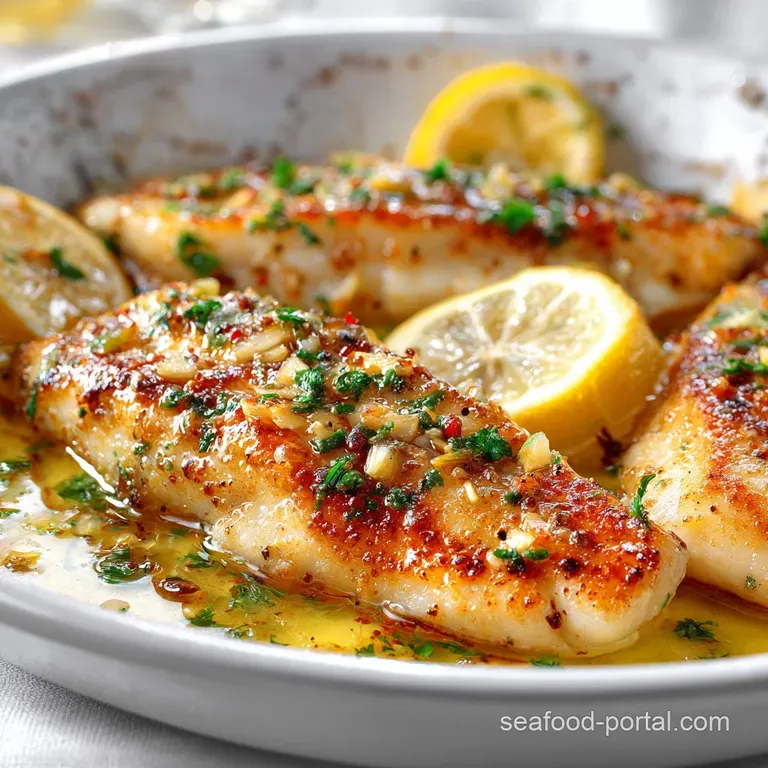
- Time: Active 10 minutes, Passive 8 minutes, Total 18 minutes
- Flavor/Texture Hook: Flaky white fish with a buttery, citrus forward crust
- Perfect for: Busy weeknights where you need a high protein meal in under 20 minutes
- Mastering This Flaky Swai Fish Recipe with Lemon
- Technical Breakdown of Your Cooking Timeline
- Selecting Fresh Components for a Zesty Finish
- Essential Kitchen Tools for Seafood Success
- Transforming Raw Fillets into Golden Masterpieces
- Correcting Common Texture and Flavor Mistakes
- Creative Ways to Adapt the Citrus Profile
- Scaling for Large Groups or Solo Meals
- Freshness Maintenance and Reheating Strategies
- Strategic Side Dishes to Complete the Plate
- Recipe FAQs
- 📝 Recipe Card
Mastering This Flaky Swai Fish Recipe with Lemon
This Swai Fish Recipe with Lemon and Garlic delivers a simple, flavorful weeknight dinner. I remember the first time I picked up a pack of Swai at the market, I was mostly attracted to the price tag, but I was worried it might turn out bland or mushy.
I've spent years tweaking the heat and the timing to make sure that never happens, and honestly, once you hear that first loud sizzle in the pan, you'll know you're on the right track.
The secret isn't just in the seasoning, but in how you handle the moisture. Swai is a very wet fish, and if you don't treat it right, it'll steam instead of sear. But when you get it right, the house fills with the fragrance of toasted garlic and bright citrus, and the fish gets these beautiful golden edges that just shatter under your fork.
It's become my go to when I want something that feels fancy but takes less time than a commercial break.
We’ve all had those nights where we stare at a protein and wonder how to make it interesting without buying twenty new spices. This recipe with Lemon and Garlic relies on technique more than a long grocery list.
We are going to use high heat to lock in the juices and then finish it with a cold butter baste that creates a sauce right there in the pan. Trust me on this, you'll never go back to plain baked fish again.
The Science of the Emulsified Baste
Thermal Shock Emulsion: Dropping chilled butter into a hot pan with lemon juice creates a temporary emulsion where the milk solids and water suspended in the fat thicken into a velvety glaze rather than separating into clear oil.
This coating prevents the delicate fish proteins from drying out during the final minute of cooking.
Chef's Tip: Freeze your butter for exactly 10 minutes before you start cooking. When you drop those icy cubes into the hot pan at the end, they melt slower, giving you more time to baste the fish without the milk solids burning.
Technical Breakdown of Your Cooking Timeline
Getting the timing right is the difference between a silky fillet and one that feels like rubber. Swai is thinner than cod, so it moves fast. You want to be ready with your tongs the second that timer hits. If you've enjoyed other Fish Recipes, you'll find Swai is even more delicate and requires a lighter touch during the flip.
| Thickness | Internal Temp | Rest Time | Visual Cue |
|---|---|---|---|
| 0.5 inch | 145°F | 2 minutes | Flesh is opaque and flakes easily |
| 0.75 inch | 145°F | 3 minutes | Center loses its translucent sheen |
| 1.0 inch | 145°F | 3 minutes | Knife slides in with zero resistance |
Because this fish is so lean, the carryover cooking is real. I usually pull mine off the heat when it hits 140°F because that residual heat will carry it to the finish line while it sits on the plate.
Overcooking is the number one enemy of this Swai fish recipe lemon garlic method, so keep your eyes on the pan, not your phone.
We are looking for a specific transformation in the pan. The fish should go from a translucent, almost pinkish white to a solid, snowy white. If you see the edges starting to curl and turn brown, that's your signal that the Maillard reaction is doing its job and it's time to introduce the aromatics.
Selecting Fresh Components for a Zesty Finish
The quality of your ingredients in a dish this simple is everything. Since we only have a few elements, each one has to pull its weight. This Fish Recipe with Lemon and Garlic shines when you use fresh citrus rather than the bottled stuff, which can sometimes have a metallic aftertaste that ruins the mild flavor of the Swai.
Components Deep Dive
| Ingredient | Science Role | Pro Secret |
|---|---|---|
| Swai Fillets | Lean Protein | Pat dry three times with paper towels to ensure a sear, not a steam. |
| Avocado Oil | Heat Carrier | High smoke point prevents the oil from breaking down and tasting "off" at high temps. |
| Cold Butter | Sauce Base | Cubing it ensures it melts evenly, creating a consistent coating for the basting phase. |
| Fresh Garlic | Aromatic | Mince it just before use to keep the allicin levels high for maximum punch. |
- 4 large Swai fillets:Why this? A mild, sustainable white fish that absorbs citrus and garlic notes beautifully. (Substitute: Tilapia or Flounder)
- 1 tsp sea salt:Why this? Fine grains dissolve quickly into the protein for even seasoning. (Substitute: Kosher salt)
- 1/2 tsp cracked black pepper:Why this? Provides a sharp contrast to the rich butter sauce. (Substitute: White pepper for less visual speckling)
- 1/2 tsp paprika:Why this? Aids in browning and adds a subtle earthy undertone. (Substitute: Smoked paprika for a deeper flavor)
- 2 tbsp avocado oil:Why this? Remains stable at the high heat needed for the initial crust. (Substitute: Grapeseed oil)
- 4 tbsp unsalted butter:Why this? Allows you to control the salt level while providing a velvety finish. (Substitute: Ghee for a higher smoke point)
- 4 cloves garlic:Why this? Creates the aromatic backbone of the pan sauce. (Substitute: 1 tsp garlic powder in a pinch)
- 1 tbsp fresh lemon juice:Why this? Provides the acid needed to cut through the fat of the butter. (Substitute: Lime juice)
- 1 tsp lemon zest:Why this? Contains essential oils that provide a more intense aroma than juice alone. (Substitute: Dried lemon peel)
- 1 tbsp fresh parsley:Why this? Adds a pop of color and a fresh, herbaceous finish. (Substitute: Fresh chives)
Essential Kitchen Tools for Seafood Success
You don't need a professional kitchen, but a few specific tools make this Fish Recipe with Lemon and Garlic much easier to execute. I've tried doing this in a flimsy non stick pan, and while it works, you just don't get that same crust. A heavy bottomed skillet is your best friend here.
- Cast Iron Skillet: A 12 inch Lodge skillet is ideal for holding heat, which is vital when cold fish hits the pan.
- Fish Spatula: This is non negotiable. It’s thin and flexible, allowing you to get under the delicate Swai without it breaking apart.
- Microplane: For getting that fine zest without hitting the bitter white pith of the lemon.
- Paper Towels: You'll use more than you think to get the fillets bone dry.
Chef's Tip: If you don't have a fish spatula, use two regular spatulas to "cradle" the fish during the flip. This prevents the weight of the fillet from snapping it in half as it leaves the pan surface.
Transforming Raw Fillets into Golden Masterpieces
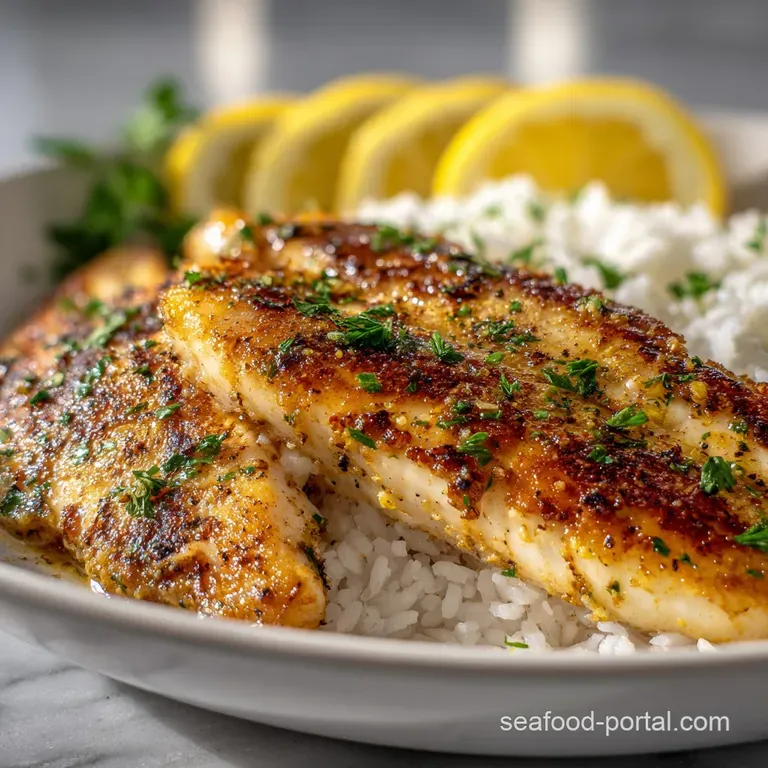
Let's get into the process. The total time is only 18 minutes, so have everything chopped and ready before you turn on the stove. This is a fast moving Recipe with Lemon and Garlic, and you don't want to be peeling garlic while the fish is overcooking.
- Prep the fish. Remove the 4 large Swai fillets from their packaging and pat them dry with paper towels until no moisture remains on the surface. Note: This is the most important step for a good sear.
- Season thoroughly. Mix the 1 tsp sea salt, 1/2 tsp pepper, and 1/2 tsp paprika in a small bowl, then sprinkle evenly over both sides of the fillets.
- Heat the pan. Add the 2 tbsp avocado oil to your skillet over medium high heat. Wait until the oil is shimmering and just starting to wisps of smoke.
- The first sear. Carefully lay the fillets into the pan, moving away from you to avoid splashes. Let them sit undisturbed for 3 to 4 minutes until the edges are opaque and a golden crust forms.
- The flip. Slide your fish spatula under the fillet and gently turn it over. You should hear a distinct sizzle as the second side hits the heat.
- Add the aromatics. Drop the 4 tbsp chilled butter cubes and 4 cloves of minced garlic into the open spaces of the pan. The garlic should immediately release a nutty, savory fragrance.
- The Arrosé (Basting) phase. Tilt the pan slightly so the melting butter pools with the garlic. Use a large spoon to continuously pour this bubbling fat over the top of the fish for 2 minutes.
- Finish with citrus. Pour in the 1 tbsp lemon juice and sprinkle the 1 tsp zest over the fillets. The sauce will foam and thicken slightly.
- Check for doneness. Ensure the internal temperature has reached 145°F and the fish flakes with a fork.
- Garnish and serve. Remove from heat immediately, sprinkle with 1 tbsp parsley, and spoon the remaining pan sauce over the top.
Similar to the Crispy Pan Seared recipe, the goal is to keep the heat high enough to brown but low enough that the butter doesn't turn black.
Correcting Common Texture and Flavor Mistakes
Cooking fish can be intimidating because it's so reactive to heat. If things go sideways, don't panic. Most issues with this recipe with Lemon and Garlic can be fixed if caught early enough.
Fillets Splitting During the Flip
This usually happens because the fish hasn't formed a proper crust yet. If the fish feels "stuck" to the pan, it's not ready to move. The protein fibers will naturally release from the metal once the Maillard reaction has sufficiently dried out the surface. Wait another 30 seconds and try again.
Garlic Turning Brown and Bitter
Garlic has a high sugar content and burns easily. If you notice it's turning dark brown too fast, immediately add a splash of water or more lemon juice to the pan. This will drop the temperature of the fat and stop the burning process.
| Problem | Root Cause | Solution |
|---|---|---|
| Soggy/Mushy Fish | Surface moisture or low pan heat | Pat dry with extra towels; ensure oil is shimmering before adding fish. |
| Bland Flavor | Under seasoning before searing | Season generously; salt needs heat to penetrate the protein fibers. |
| Greasy Finish | Butter wasn't emulsified | Use chilled butter and keep the pan moving while basting to incorporate the juices. |
Common Mistakes Checklist
- ✓ Skipping the "pat dry" step (leads to steaming instead of searing)
- ✓ Crowding the pan with too many fillets (drops the temperature too fast)
- ✓ Using a fork to flip the fish (it will poke holes and cause the fillet to break)
- ✓ Adding the garlic too early (it will burn before the fish is done)
- ✓ Forgetting to zest the lemon before juicing it (it’s much harder to zest a squeezed lemon)
Creative Ways to Adapt the Citrus Profile
While the standard lemon garlic combo is a classic for a reason, you can easily pivot the flavor profile based on what's in your pantry. Swai is such a neutral canvas that it takes to different acids and herbs quite well.
- Mediterranean Style: Swap the parsley for fresh oregano and add a handful of halved cherry tomatoes and Kalamata olives during the basting phase.
- dairy-free Option: Use a high-quality vegan butter or simply stick to the avocado oil and add a splash of white wine to create a pan sauce.
- Spicy Kick: Add 1/2 tsp of red pepper flakes to the garlic for a subtle heat that cuts through the richness of the butter.
If you are looking for something with a more traditional crust, you might want to try this Almondine Fish recipe, which uses nuts to add a wonderful crunch to the finish.
Stovetop vs Oven Comparison
| Method | Time | Texture | Best For |
|---|---|---|---|
| Stovetop | 8 minutes | Crispy crust, juicy center | Maximum flavor and speed |
| Oven (Baked) | 15 minutes | Uniformly tender, no crust | Large batches or hands off cooking |
| Air Fryer | 10 minutes | Very crispy exterior | Small portions with less oil |
Scaling for Large Groups or Solo Meals
Adjusting this Swai Fish Recipe with Lemon is fairly straightforward because the fillets are individually portioned. However, the mechanics of the pan change when you add more mass.
Reducing the Recipe
If you're only cooking for one or two, don't just halve the oil. You still need enough fat to coat the bottom of the skillet to ensure even heat distribution. Use the full 2 tbsp of oil but halve the butter and garlic. Use a smaller 8 inch skillet to prevent the sauce from spreading too thin and burning.
Doubling the Recipe
When cooking for 8 people, do not try to cram 8 fillets into one skillet. Work in batches. Sear the first 4, move them to a warm plate, and then do the second batch. Once all the fish is seared, add all the butter, garlic, and lemon to the pan to make a large batch of sauce, then pour it over all the fillets at once.
Freshness Maintenance and Reheating Strategies
Fish is always best eaten immediately, but if you have leftovers, they don't have to be a disappointment. The key is avoiding the microwave, which will turn your Swai into a rubbery mess.
Storage: Keep leftover fillets in an airtight container in the fridge for up to 2 days. I don't recommend freezing cooked Swai, as the texture becomes grainy upon thawing.
Reheating: Place the fillets in a cold skillet with a tablespoon of water or a tiny knob of butter. Cover with a lid and heat over medium low for 4 to 5 minutes. The steam will gently warm the fish through without drying it out.
Zero Waste Tip: If you have broken pieces of fish or extra fillets, flake them into a bowl the next day. Mix with a little mayo, lime juice, and cilantro to make incredible fish tacos or a chilled seafood salad.
Don't toss those lemon rinds either toss them into a jar of white vinegar to make a natural kitchen cleaner.
Strategic Side Dishes to Complete the Plate
Since the lemon garlic butter sauce is the star here, you want sides that can either soak up that liquid gold or provide a crisp contrast to the soft fish.
- Grains: A bed of fluffy jasmine rice or quinoa is the perfect sponge for the extra sauce in the pan.
- Vegetables: Roasted asparagus or charred broccolini provides a nice snap. The bitterness of the greens balances the richness of the butter basting.
- Potatoes: If you want comfort food, go with garlic mashed potatoes. The sauce acts as a ready-made gravy that ties the whole meal together.
Right then, that’s everything you need to know. Don't let the simplicity of this dish fool you when you nail that sear and get the basting right, it’s a total game changer for your weeknight rotation. Let's crack on and get that pan hot!
Searing vs Steaming Myths
A common misconception is that covering the pan helps the fish cook faster. While it does trap heat, it also traps steam, which completely destroys any chance of a crispy crust. If you want that golden brown exterior, leave the lid in the cabinet. Another myth is that you must wash the fish before cooking.
Actually, washing fish spreads bacteria around your sink and makes the surface wet, which prevents searing. Just pat it dry and you're good to go.

Recipe FAQs
What seasoning is good for swai fish?
Lemon and garlic are excellent. Salt, pepper, and paprika also create a great base. You can also explore herbs like parsley or dill for freshness.
Do you put lemon juice on fish before or after cooking?
After cooking is generally best for this method. Adding lemon juice during the final basting stage infuses flavor without it evaporating or becoming bitter from high heat. It also helps emulsify the pan sauce.
Is swai a healthy fish to eat?
Yes, swai is considered a healthy choice. It's a lean protein source that is low in fat and calories. It also contains some beneficial omega-3 fatty acids, though typically less than fattier fish.
What does soaking fish in lemon juice do?
Soaking fish in lemon juice can "cook" it slightly and change its texture. The acid denatures the proteins, similar to heat, making the fish opaque and firm. This is the principle behind ceviche, but for recipes like this, it's usually added at the end for flavor.
Can I substitute another fish for swai?
Yes, similar to our Crispy Skin Salmon Fillet with Lemon and Dill Butter Sauce, you can substitute other mild white fish. Tilapia, cod, or flounder are good options as they have a similar flaky texture and neutral flavor profile.
Why does my fish stick to the pan?
This usually means the fish hasn't formed a proper crust yet. Ensure your pan is hot enough and the oil is shimmering. Also, make sure the fish fillets are completely dry before seasoning; surface moisture prevents searing. If it feels stuck, give it another 30 seconds to develop that crust.
How do I prevent the garlic from burning when making the pan sauce?
Add the garlic when the butter is already melting, not when the pan is scorching hot. If you notice the garlic browning too quickly, add a splash of liquid like lemon juice or water to cool the pan down. This stops the burning process and prevents bitterness.
Swai Fish Lemon
Ingredients:
Instructions:
Nutrition Facts:
| Calories | 318 calories |
|---|---|
| Protein | 25.7 g |
| Fat | 23.5 g |
| Carbs | 1.8 g |
| Fiber | 0.4 g |
| Sugar | 0.2 g |
| Sodium | 615 mg |
